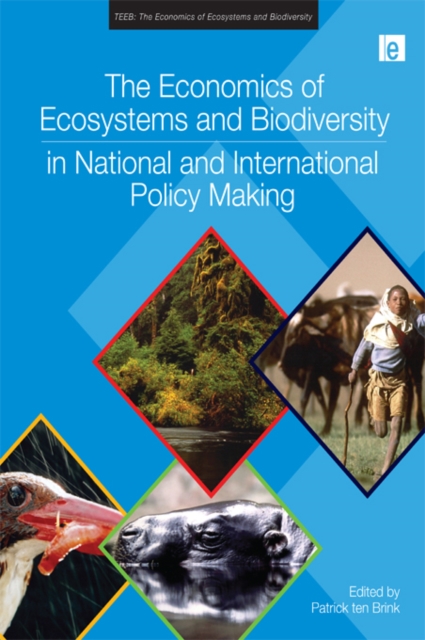
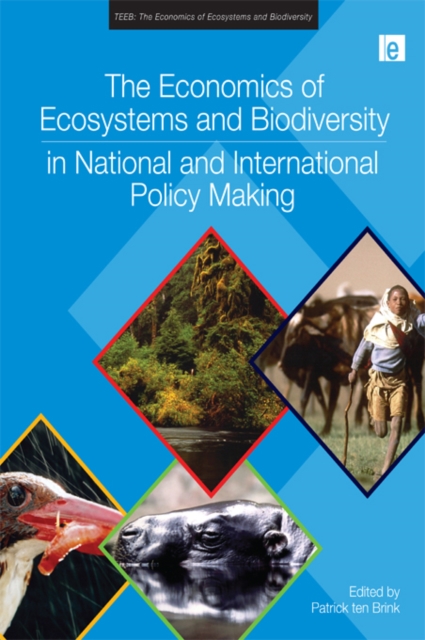
The Economics of Ecosystems and Biodiversity (TEEB) study is a major international initiative drawing attention to local, national and global economic benefits of biodiversity, to highlight the growing costs of biodiversity loss and ecosystem degradation, the benefits of investing in natural capital, and to draw together expertise from the fields of science, economics and policy to enable practical actions.
The Economics of Ecosystems and Biodiversity (TEEB) study is a major international initiative drawing attention to local, national and global economic benefits of biodiversity, to highlight the growing costs of biodiversity loss and ecosystem degradation, the benefits of investing in natural capital, and to draw together expertise from the fields of science, economics and policy to enable practical actions.
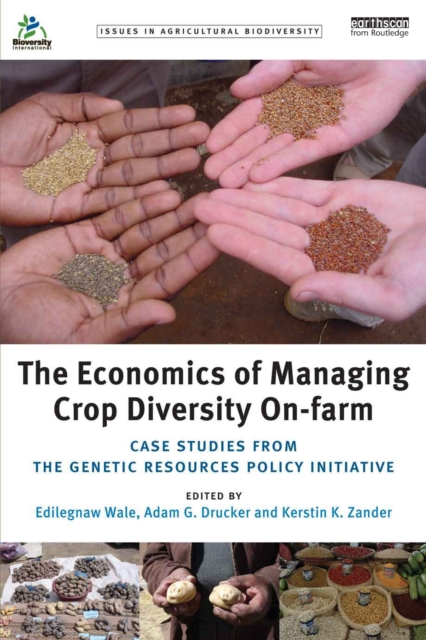
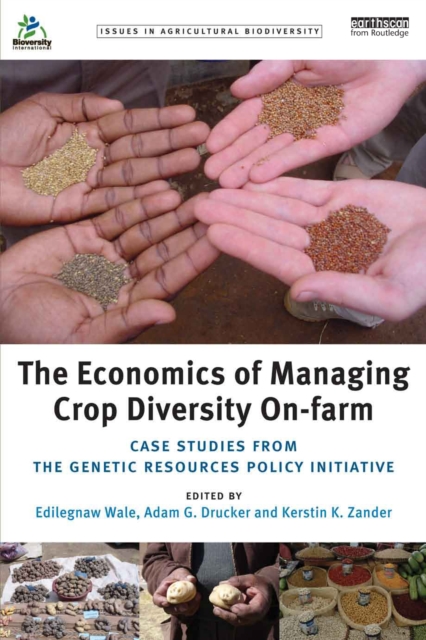
The purpose of this book is to assess a variety of economic issues as they relate to agro-biodiversity and show how addressing these issues can assist in agro-biodiversity policy-making.
The purpose of this book is to assess a variety of economic issues as they relate to agro-biodiversity and show how addressing these issues can assist in agro-biodiversity policy-making.
Agricultural systems are no longer evaluated solely on the basis of the food they provide, but also on their capacity to limit impacts on the environment, such as soil conservation, water quality and biodiversity conservation, as well as their contribution to mitigating and adapting to climate change.
Agricultural systems are no longer evaluated solely on the basis of the food they provide, but also on their capacity to limit impacts on the environment, such as soil conservation, water quality and biodiversity conservation, as well as their contribution to mitigating and adapting to climate change.
Claims to land and territory are often a cause of conflict, and land issues present some of the most contentious problems for post-conflict peacebuilding.
Following the success of its predecessor, this second edition of The Future of Energy Use provides essential analysis of the use of different forms of energy and their environmental and social impacts.
Following the success of its predecessor, this second edition of The Future of Energy Use provides essential analysis of the use of different forms of energy and their environmental and social impacts.
Hydrogen could be a significant fuel of the future, with the potential to make a major contribution to the resolution of pressing social and environmental problems such as carbon emissions, energy security and local air pollution.
Hydrogen could be a significant fuel of the future, with the potential to make a major contribution to the resolution of pressing social and environmental problems such as carbon emissions, energy security and local air pollution.
What America does - or fails to do - in the next few years to solve the problem of climate change will largely determine the fate of the earth and humanity for centuries to come.
What America does - or fails to do - in the next few years to solve the problem of climate change will largely determine the fate of the earth and humanity for centuries to come.
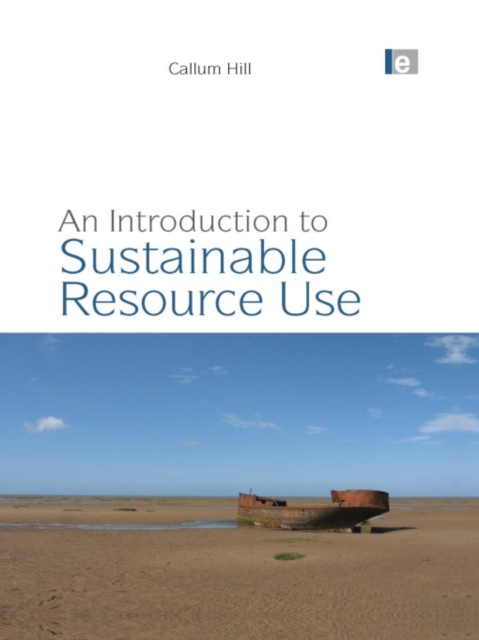
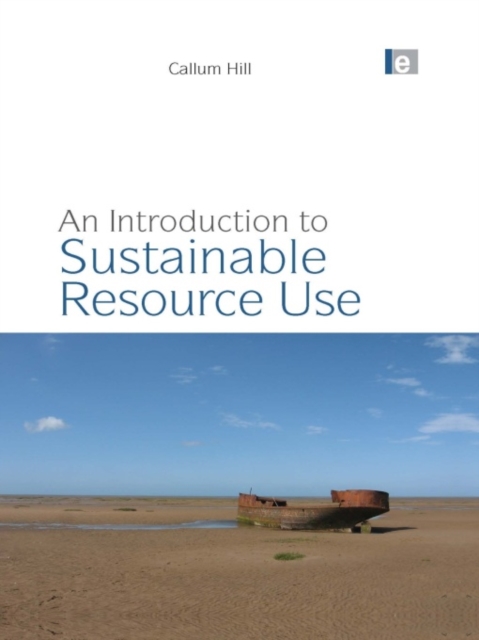
This book explores the challenges our society faces in making the transition to renewable resource use in a way that is truly sustainable - environmentally, economically and socially.
This book explores the challenges our society faces in making the transition to renewable resource use in a way that is truly sustainable - environmentally, economically and socially.
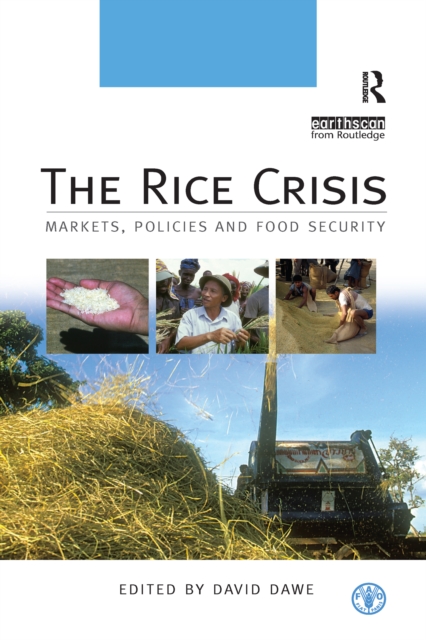
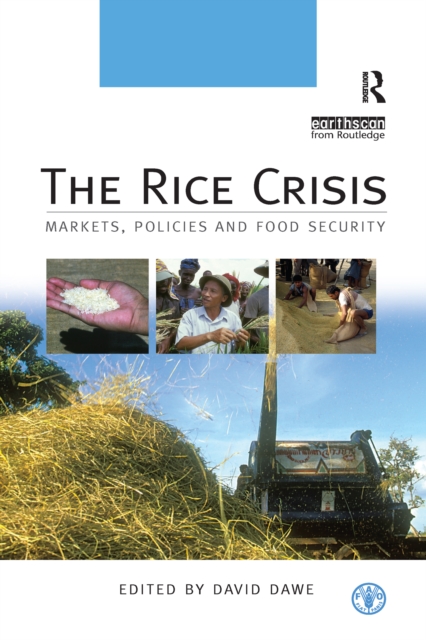
The recent escalation of world food prices - particularly for cereals - prompted mass public indignation and demonstrations in many countries, from the price of tortilla flour in Mexico to that of rice in the Philippines and pasta in Italy.
The recent escalation of world food prices - particularly for cereals - prompted mass public indignation and demonstrations in many countries, from the price of tortilla flour in Mexico to that of rice in the Philippines and pasta in Italy.
Personal carbon trading is rapidly moving up the political agenda as recognition grows of its potential to address urgent issues of climate change and natural resource use.
Personal carbon trading is rapidly moving up the political agenda as recognition grows of its potential to address urgent issues of climate change and natural resource use.
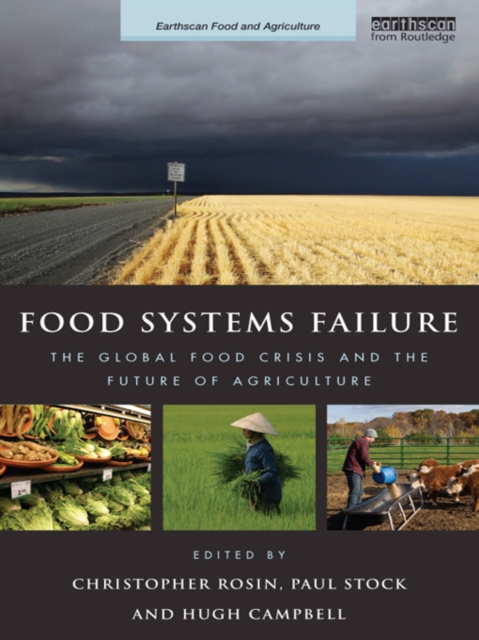
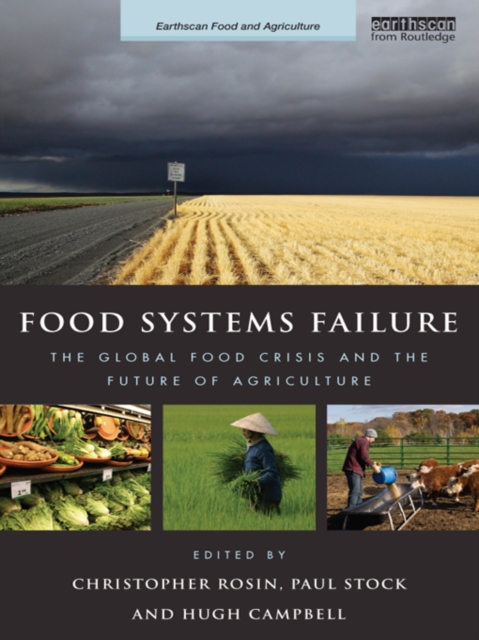
This book provides a critical assessment of the contemporary global food system in light of the heightening food crisis, as evidence of its failure to achieve food security for the world's population.
This book provides a critical assessment of the contemporary global food system in light of the heightening food crisis, as evidence of its failure to achieve food security for the world's population.
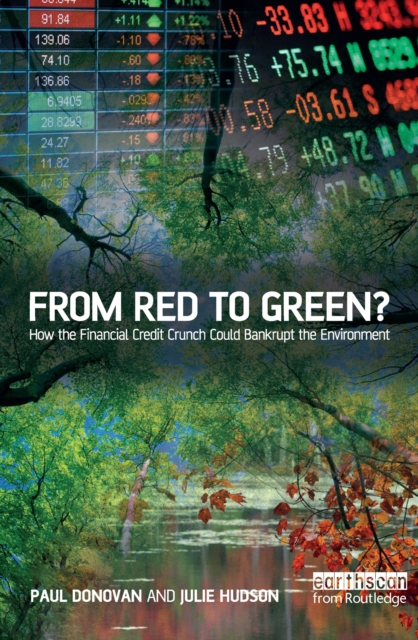
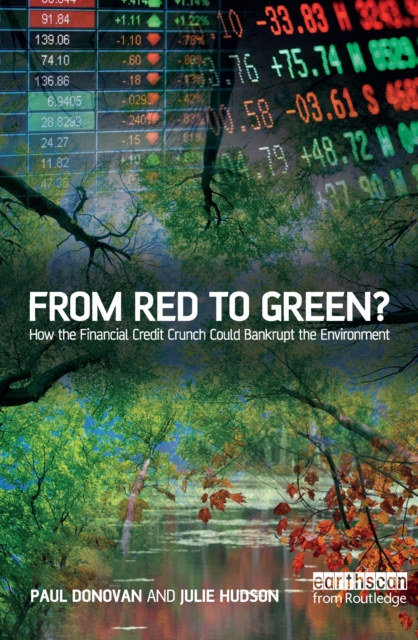
Written by an economist and an investment professional, this book addresses the twin crises that the world is facing in the form of a simultaneous financial and environmental credit crunch.
Written by an economist and an investment professional, this book addresses the twin crises that the world is facing in the form of a simultaneous financial and environmental credit crunch.
As malaria and other tropical diseases continue their resurgence, questions about the potential impacts of environmental and demographic factors are becoming more critical.
As malaria and other tropical diseases continue their resurgence, questions about the potential impacts of environmental and demographic factors are becoming more critical.
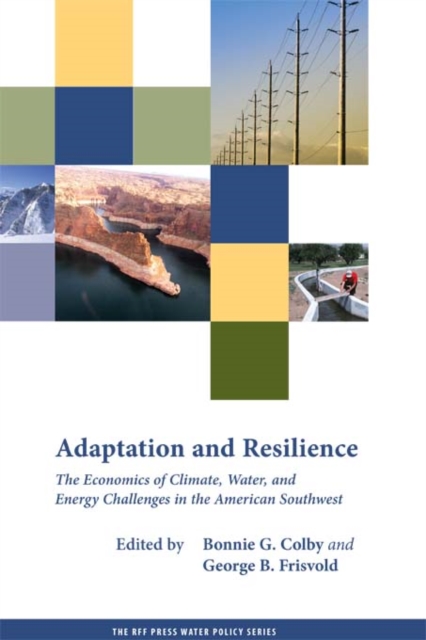
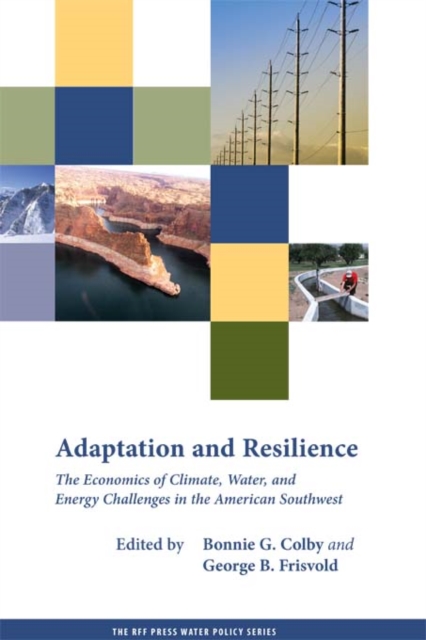
In America's arid southwest, climate change will occur in the context of already-keen competition for water for agriculture, urban growth, electricity generation, water-based recreation, and environmental protections.
In America's arid southwest, climate change will occur in the context of already-keen competition for water for agriculture, urban growth, electricity generation, water-based recreation, and environmental protections.
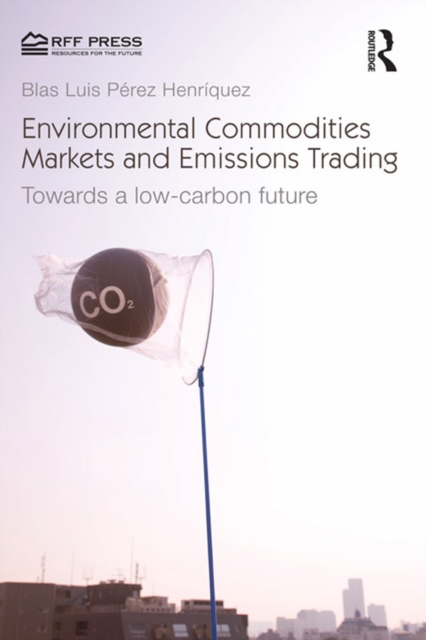
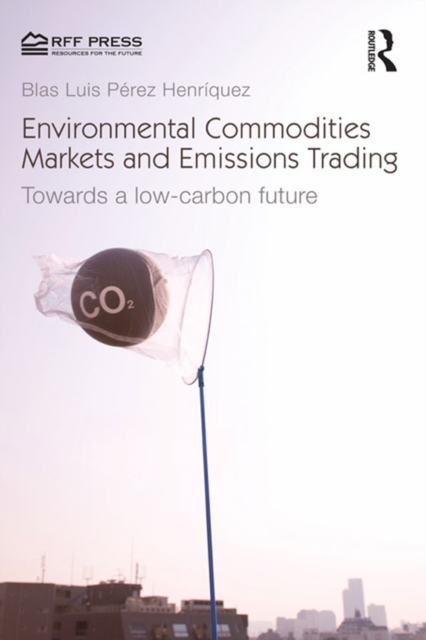
Market-based solutions to environmental problems offer great promise, but require complex public policies that take into account the many institutional factors necessary for the market to work and that guard against the social forces that can derail good public policies.
Market-based solutions to environmental problems offer great promise, but require complex public policies that take into account the many institutional factors necessary for the market to work and that guard against the social forces that can derail good public policies.
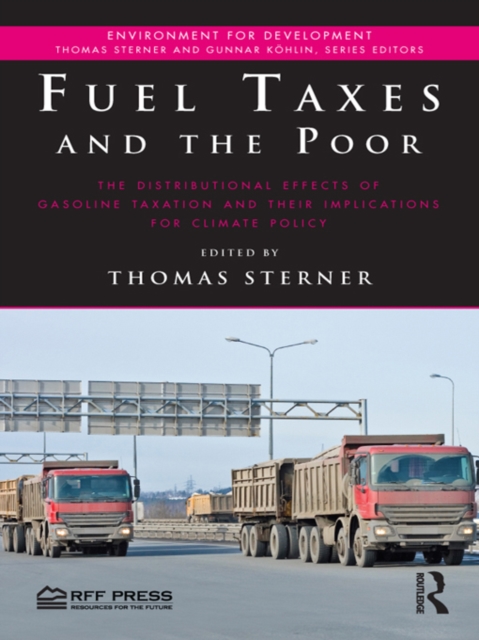
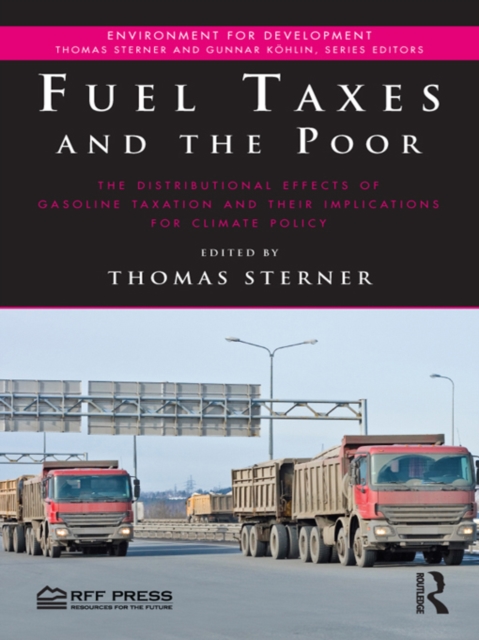
Fuel Taxes and the Poor challenges the conventional wisdom that gasoline taxation, an important and much-debated instrument of climate policy, has a disproportionately detrimental effect on poor people.
Fuel Taxes and the Poor challenges the conventional wisdom that gasoline taxation, an important and much-debated instrument of climate policy, has a disproportionately detrimental effect on poor people.