A comprehensive examination of the nature, causes, and consequences of internal migration in developing countriesDespite the key role of rural-urban migration in structural transformation and the persistence of lower living standards in the countryside, active policies to reduce, or even reverse, movement into towns are common in major developing regions.
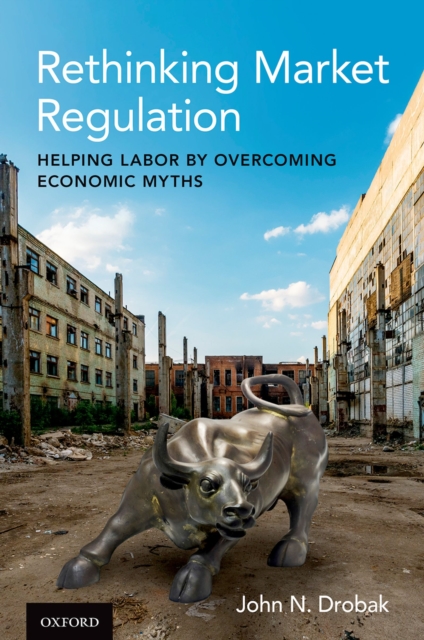
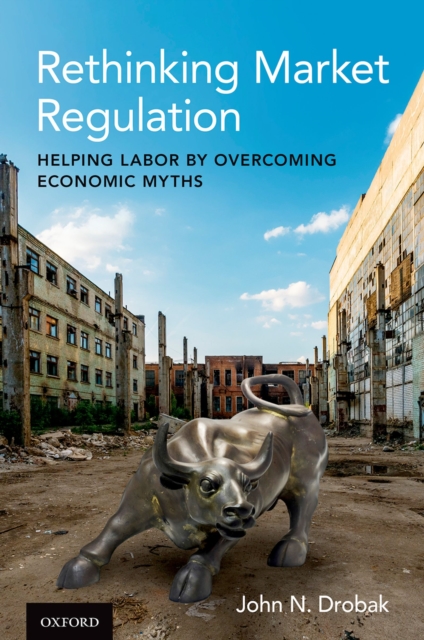
A subversive approach to economic theory, Rethinking Market Regulation explores the devastating impact of globalisation and a lack of governmental regulation on the US workforce.
A subversive approach to economic theory, Rethinking Market Regulation explores the devastating impact of globalisation and a lack of governmental regulation on the US workforce.
This collection describes the preconditions, processes, and results of well-managed interdisciplinary research projects from the United States, Canada, Israel, Japan, Brazil, the German Democratic Republic, and Rumania.
While most studies of labor in the coal industry focus on the struggle to organize unions, this work offers a more diverse and quantitative examination of the labor market.
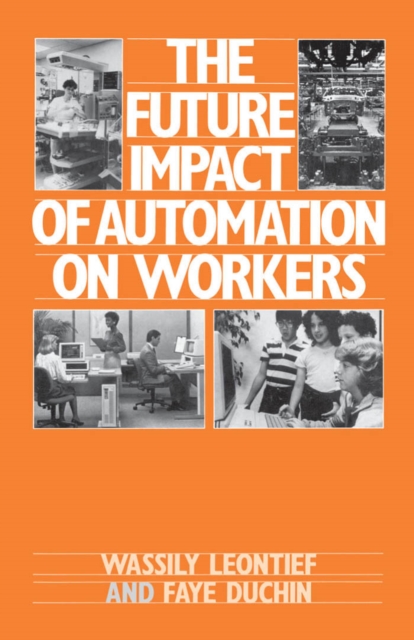
While the computer revolution has created hundreds of thousands of new jobs, it has threatened as many other jobs with obsolescence and has often caused the displacement of workers by computer-based machines.
The apprentice system in colonial America began as a way for young men to learn valuable trade skills from experienced artisans and mechanics and soon flourished into a fascinating and essential social institution.
Presenting a complete survey of labor economics from the search point of view, this is the first book to coordinate a vast and scattered literature, making an increasingly important and sophisticated area in modern applied economics readily accessible.
This pathbreaking volume conveys the "e;state of the art"e; of contemporary research on productivity growth and international competitiveness--arguably the most important problems facing contemporary economics.
This book brings together the work of leading international researchers in the field of product innovation and development and provides a comprehensive range of studies in successful product development in different industries.
This book challenges the conventional wisdom that greater schooling and skill improvement leads to higher wages, that income inequality falls with wider access to schooling, and that the Information Technology revolution will re-ignite worker pay.
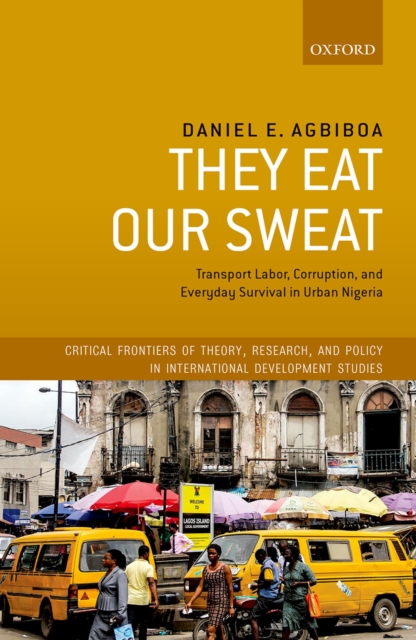
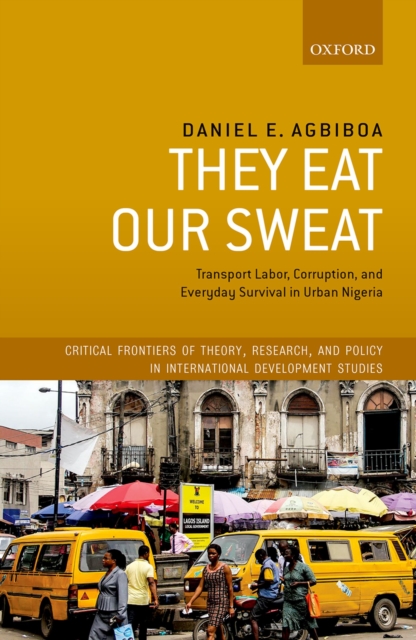
Accounts of corruption in Africa and the Global South are generally overly simplistic and macro-oriented, and commonly disconnect everyday (petty) corruption from political (grand) corruption.
Accounts of corruption in Africa and the Global South are generally overly simplistic and macro-oriented, and commonly disconnect everyday (petty) corruption from political (grand) corruption.
Labour and the Wage: A Critical Perspective offers a new perspective on why labour law struggles to respond to problems such as low pay and under-inclusive employment.
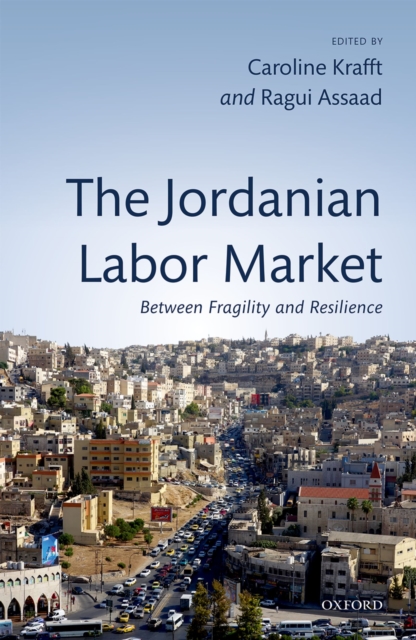
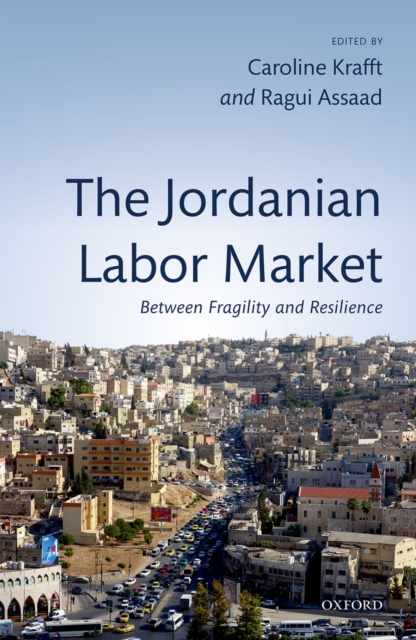
Jordan stands in the middle of a turbulent region, experiencing substantial refugee flows and economic challenges due to the conflict and insecurity of its neighbors.
Jordan stands in the middle of a turbulent region, experiencing substantial refugee flows and economic challenges due to the conflict and insecurity of its neighbors.
Lectures in Macroeconomics: A Capitalist Economy Without Unemployment provides a systematic account of the principle of aggregate demand based on the work of Polish economist Michal Kalecki, best known as one of the originators of the Keynesian Revolution in macroeconomics.
Lectures in Macroeconomics: A Capitalist Economy Without Unemployment provides a systematic account of the principle of aggregate demand based on the work of Polish economist Michal Kalecki, best known as one of the originators of the Keynesian Revolution in macroeconomics.
Written in honour of Kaushik Basu, Markets, Governance, and Institutions in the Process of Economic Development is a celebration of over forty years of contributions to development economics.
Written in honour of Kaushik Basu, Markets, Governance, and Institutions in the Process of Economic Development is a celebration of over forty years of contributions to development economics.
Some 10 million migrant workers cross national borders each year and, if they pay an average $1,000 to recruiters, moving workers over borders is a $10 billion a year business.
Some 10 million migrant workers cross national borders each year and, if they pay an average $1,000 to recruiters, moving workers over borders is a $10 billion a year business.