A startling investigation of how some of Australia's best-known companies have abused their power to systematically underpay their workers in recent years.
Now in its fifth edition, Understanding Enterprise has established itself as one of the most widely respected guides to the discipline, providing a refreshingly perceptive approach to understanding and applying theory.
Now in its fifth edition, Understanding Enterprise has established itself as one of the most widely respected guides to the discipline, providing a refreshingly perceptive approach to understanding and applying theory.
The leaders, entrepreneurs, and technologists who built the modern digital world - largely Gen X and older Millennials - created an environment of constant connectivity, instant gratification, and algorithmic reward loops.
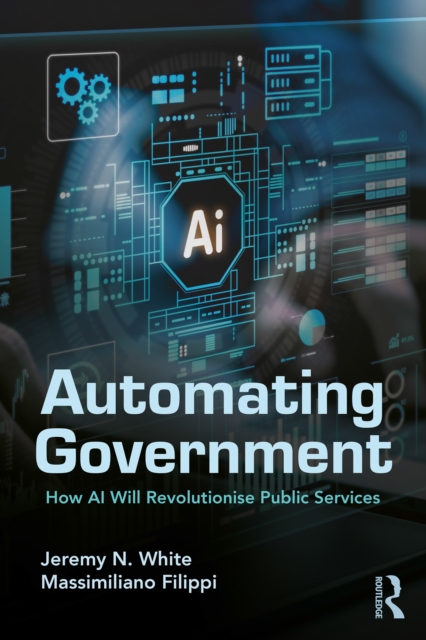
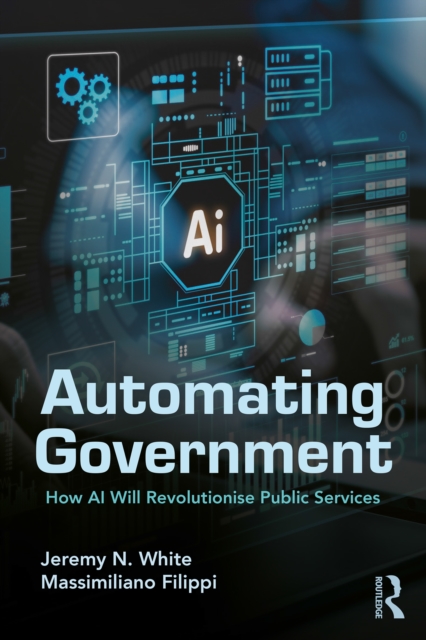
Automating Government: How AI Will Revolutionise Public Services is a timely and authoritative guide for political leaders, senior managers, and public officials confronting the challenges and opportunities of artificial intelligence.
Automating Government: How AI Will Revolutionise Public Services is a timely and authoritative guide for political leaders, senior managers, and public officials confronting the challenges and opportunities of artificial intelligence.
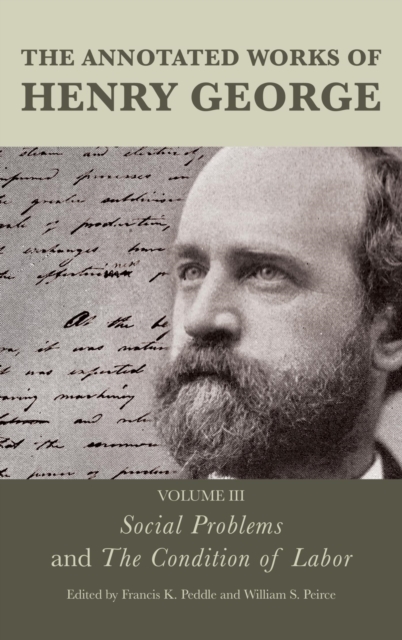
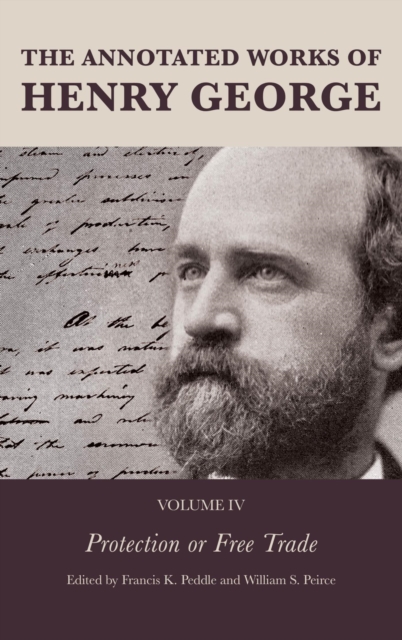
This is the first fully annotated edition of Social Problems (1883) and The Condition of Labor (1891), two important works by one of America's most popular social economists.
In the digital era, the pace of technological advancement is unprecedented, and the interconnectivity of systems and processes has reached unprecedented levels.
In the digital era, the pace of technological advancement is unprecedented, and the interconnectivity of systems and processes has reached unprecedented levels.
The Six-Legged Dog: Mattei and ENI-A Study in Power by Dow Votaw is a penetrating investigation of one of postwar Europe's most fascinating industrial empires.
The Six-Legged Dog: Mattei and ENI-A Study in Power by Dow Votaw is a penetrating investigation of one of postwar Europe's most fascinating industrial empires.
This book presents a cutting-edge customer-centric design approach, equipping readers with specific tools to effectively analyze customer needs and develop top-tier designs while taking pricing and competition into account.
This book presents a cutting-edge customer-centric design approach, equipping readers with specific tools to effectively analyze customer needs and develop top-tier designs while taking pricing and competition into account.
This is the first fully annotated edition of Social Problems (1883) and The Condition of Labor (1891), two important works by one of America's most popular social economists.
Henry George (1839-1897) rose to fame as a social reformer and economist amid the industrial and intellectual turbulence of the late nineteenth century.
This research volume aims at outlining the substantial role of information asymmetry in agri-food chains and how building trust and mitigating this problem could enhance the performance of these chains.
Henry George (1839-1897) rose to fame as a social reformer and economist amid the industrial and intellectual turbulence of the late nineteenth century.
This research volume aims at outlining the substantial role of information asymmetry in agri-food chains and how building trust and mitigating this problem could enhance the performance of these chains.