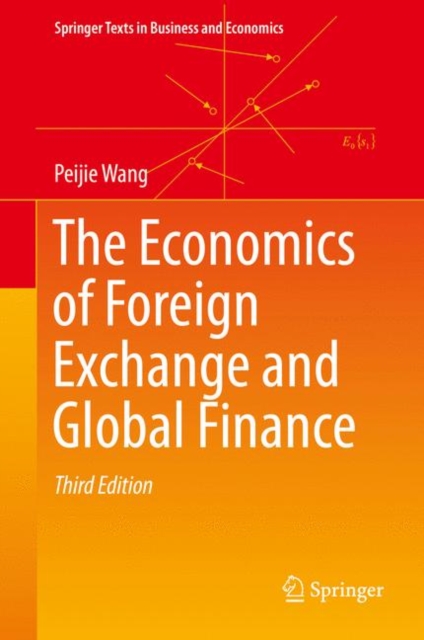
This textbook presents all major topics in international monetary theory, foreign exchange markets, international financial management and investment analysis.
This textbook presents all major topics in international monetary theory, foreign exchange markets, international financial management and investment analysis.
This book is a collection of selected papers presented at the Annual Meeting of the European Academy of Management and Business Economics (AEDEM), held at the Faculty of Economics and Business of the University of Barcelona, 05 - 07 June, 2012.
Nursing in the European Community (1980) explains the content and implications of the EEC Nursing Directives in relation to the situation in each of the nine member states, and the context of directives for the other major health professions.
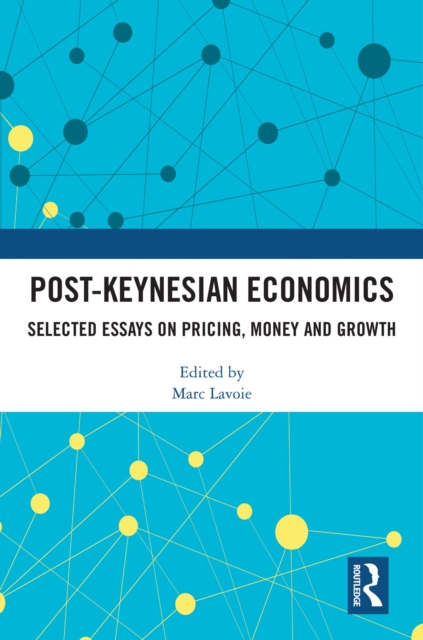
This comprehensive collection brings together sixteen influential papers by Marc Lavoie that showcase the depth and breadth of post-Keynesian economic thought.
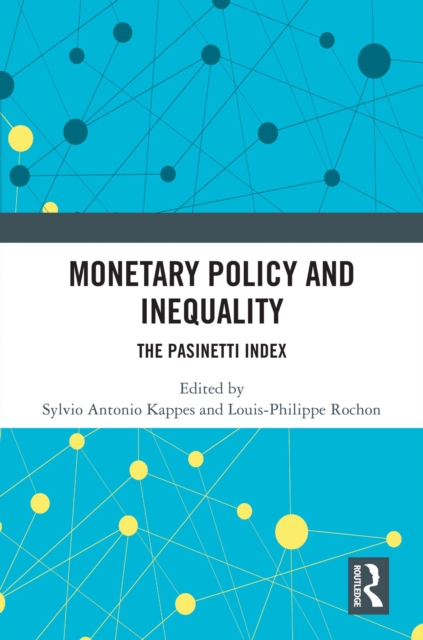
This book explores the relationship between monetary policy and income (and wealth) distribution, a growing area of research in post-Keynesian and heterodox economics today.
The Industrial Crisis (1933) examines the causes and effects of the Stock Market Crash of 1929, looking at the political causes and ramifications as well as the economic ones.
The Political Economy of Tolerable Survival (1981) deals with economic issues such as inflation and unemployment in their social and political context and attempts both to isolate and suggest solutions to the problems which confront society.
The Price Level (1935) looks at the mechanisms used by the government to control the trade balance and price level during the nineteenth century, and sets out the reasons why these measures were no longer suitable in the twentieth century.
The Political Economy of Tolerable Survival (1981) deals with economic issues such as inflation and unemployment in their social and political context and attempts both to isolate and suggest solutions to the problems which confront society.
Readings in Business Cycles and National Income (1953) is a collection of original texts on economics, recessions and employment, looking at the ways that business cycles can affect a nation's economy, spending power and employment rates.
Readings in Business Cycles and National Income (1953) is a collection of original texts on economics, recessions and employment, looking at the ways that business cycles can affect a nation's economy, spending power and employment rates.
The Industrial Crisis (1933) examines the causes and effects of the Stock Market Crash of 1929, looking at the political causes and ramifications as well as the economic ones.
The Price Level (1935) looks at the mechanisms used by the government to control the trade balance and price level during the nineteenth century, and sets out the reasons why these measures were no longer suitable in the twentieth century.
This comprehensive collection brings together sixteen influential papers by Marc Lavoie that showcase the depth and breadth of post-Keynesian economic thought.
Investing involves the basic principles of economics that help investors identify financial goals and constraints to come up with the right asset and portfolio allocation.
Investing involves the basic principles of economics that help investors identify financial goals and constraints to come up with the right asset and portfolio allocation.
This book explores the relationship between monetary policy and income (and wealth) distribution, a growing area of research in post-Keynesian and heterodox economics today.
The purpose of this book is to reaffirm the significance of the link between taxation and public spending as essential to the very existence of the social contract and to the system of rights and duties on which social cooperation in a democracy is based.
This book allows us to compare the strategies used by different economies in the world regarding implementing digital currencies in the monetary system and their impact on the green economy.
This book allows us to compare the strategies used by different economies in the world regarding implementing digital currencies in the monetary system and their impact on the green economy.
The purpose of this book is to reaffirm the significance of the link between taxation and public spending as essential to the very existence of the social contract and to the system of rights and duties on which social cooperation in a democracy is based.