Brazil is the most populous economy in Latin America with the second highest GDP among the emerging BRIC economies, after China, and the second per capita GDP among the BRIC economies after Russia.
This book examines the challenges for the life insurance sector in Europe arising from new technologies, socio-cultural and demographic trends, and the financial crisis.
This book sheds new light on if and why, between 2009 and 2015, European governments succeeded or failed in initiating and actually realizing some of the farthest-reaching austerity plans in modern history.
This book revisits the forgotten history of the 'European Dependency School' in the 1970s and 1980s, explores core-periphery relations in the European integration process and the crises of the contemporary European Union from a dependency perspective, and draws lessons for alternative development paths.
This volume features a selection of contributions presented at the 2018 Wroclaw Conference in Finance, which cover a wide range of topics in finance and financial economics, e.
In response to the Global Financial Crisis and the COVID-19 pandemic, central banks have used all available instruments in their monetary policy tool-kit to avoid financial market disruptions and a collapse in real economic activities.
This two-volume work provides a comprehensive overview of the Belt and Road Initiative, examining its impact on economic growth, trade, financial systems and international relations.
This edited volume presents new means of quantifying the behavioral and consequential differences between technology-based and non-technology-based nascent entrepreneurs in varied economies.
This edited collection comprehensively addresses the widespread regulatory challenges uncovered and changes introduced in financial markets following the 2007-2008 crisis, suggesting strategies by which financial institutions can comply with stringent new regulations and adapt to the pressures of close supervision while responsibly managing risk.
This book presents a comparative study of the land settlements and sovereign arrangements between the US government and the three major aggregated groups of indigenous peoples-American Indians, Native Alaskans, and Native Hawaiians-whose land rights claims have resulted in very different outcomes.
Looking at the precedents set by the panic of 1907 and the Great Depression in America, this book investigates the causes of the 2007-2008 financial crisis.
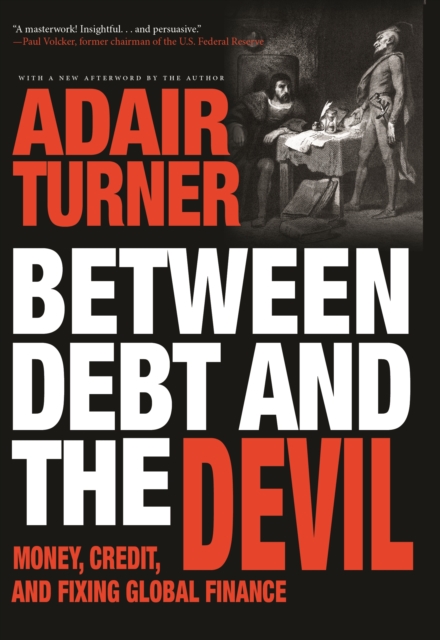
Why our addiction to debt caused the global financial crisis and is the root of our financial woesAdair Turner became chairman of Britain's Financial Services Authority just as the global financial crisis struck in 2008, and he played a leading role in redesigning global financial regulation.
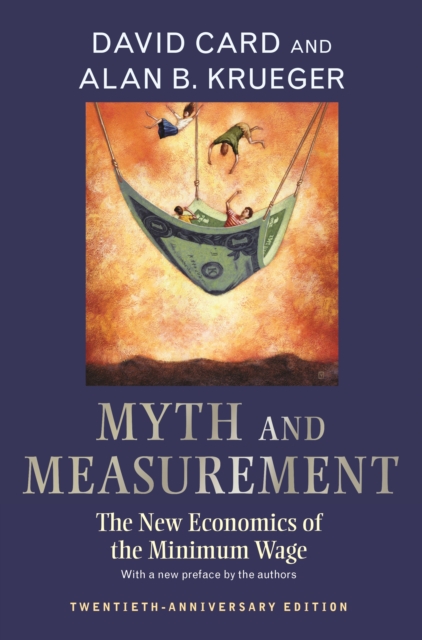
From David Card, winner of the Nobel Prize in Economics, and Alan Krueger, a provocative challenge to conventional wisdom about the minimum wageDavid Card and Alan B.
A reevaluation of what money is-and what it might beQuestions about the nature of money have gained a new urgency in the aftermath of the global financial crisis.
The efficiency, safety, and soundness of financial markets depend on the operation of core infrastructure--exchanges, central counter-parties, and central securities depositories.
From Nobel Prizewinning economist Daron Acemoglu, an incisive introduction to economic growthIntroduction to Modern Economic Growth is a groundbreaking text from one of today's leading economists.
Optimal tax design attempts to resolve a well-known trade-off: namely, that high taxes are bad insofar as they discourage people from working, but good to the degree that, by redistributing wealth, they help insure people against productivity shocks.
Essential reading for understanding the international economy-now thoroughly updatedLucid, accessible, and provocative, and now thoroughly updated to cover recent events that have shaken the global economy, Globalizing Capital is an indispensable account of the past 150 years of international monetary and financial history-from the classical gold standard to today's post-Bretton Woods "e;nonsystem.
Incorporating currencies, payment methods, and protocols that computers use to talk to each other, digital currencies are poised to grow in use and importance.
Top scholars synthesize and analyze scholarship on this widely used tool of policy analysis in 27 articles, setting forth its accomplishments, difficulties, and means of implementation.
In terms accessible to non-economists, Marcos Jose Mendes describes the ways democracy and inequality produce low growth in the short and medium terms.
Tremendous technological progress in the last half century has exponentially grown productivity as well as increased automation to reduce the costs of operation for businesses.
The objective of this book is to provide an understanding of the economy with its nature and structure, dominance of unorganized sector, natural resources, economic and social infrastructure, demographic features, poverty, unemployment, inequality, national income, saving and investment, role of noneconomic factors, and sources of data.
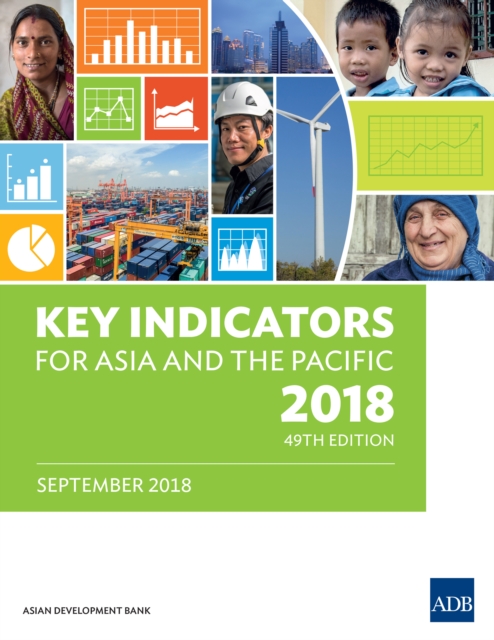
The Key Indicators for Asia and the Pacific 2018, the 49th edition of this series, includes the latest available economic, financial, social, and environmental indicators for the 48 regional members of the Asian Development Bank.
This book brings these theories together under one methodological roof, where the choices made by economic agents depend on their varying perceptions of the economic constraints they face, combining new classical principles, under which the economy operates at full employment, with theories that allow for extended periods of underemployment brought about by mixed signals from workers and employers.
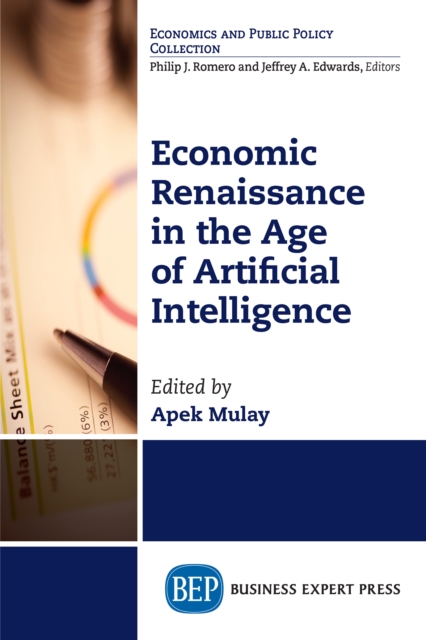
Economic Renaissance in the Age of Artificial Intelligence explores a wide range of new approaches to the economic, social, legal, scientific, technological, financial, architectural, environmental, and humanistic challenges that humanity will face due to increased automation.
Followers dominate all organizations, but a preoccupation with leaders hinders the consideration of the importance of followers and the relationship between followers and leaders.