How to sustain an international system of cooperation in the midst of geopolitical struggleCan the international economic and legal system survive today's fractured geopolitics?
An invaluable primer on the role economic reasoning plays in campus debate and decision makingCampus Economics provides college and university administrators, trustees, and faculty with an essential understanding of how college finances actually work.
The acute economic pressures of the 1980s have forced virtually all of Latin America and Africa and some countries in Asia into painful austerity programs and difficult economic reforms.
This innovative study shows that multilateral sanctions are coercive in their pressure on their target and in their origin: the sanctions themselves frequently result from coercive policies, with one state attempting to coerce others through persuasion, threats, and promises.
Business papers today are in a triumphant mood, buoyed by a conviction that the economic stagnation of the last quarter century has vanished in favor of a new age of robust growth.
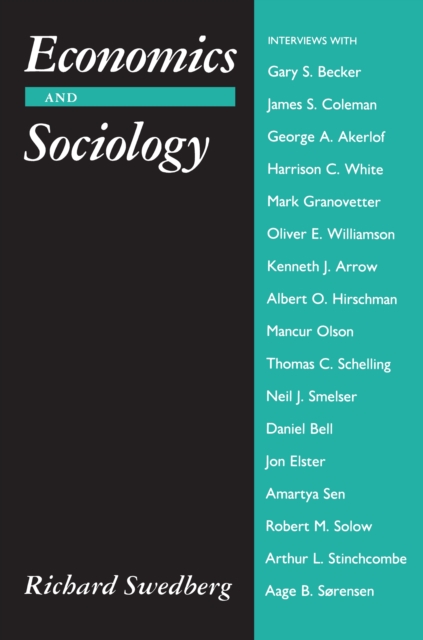
Economic sociology is a rapidly expanding field, applying sociology's core insight--that individuals behave according to scripts that are tied to social roles--to economic behavior.
Winner of the 2023 Nobel Prize in EconomicsA renowned economic historian traces women's journey to close the gender wage gap and sheds new light on the continued struggle to achieve equity between couples at homeA century ago, it was a given that a woman with a college degree had to choose between having a career and a family.
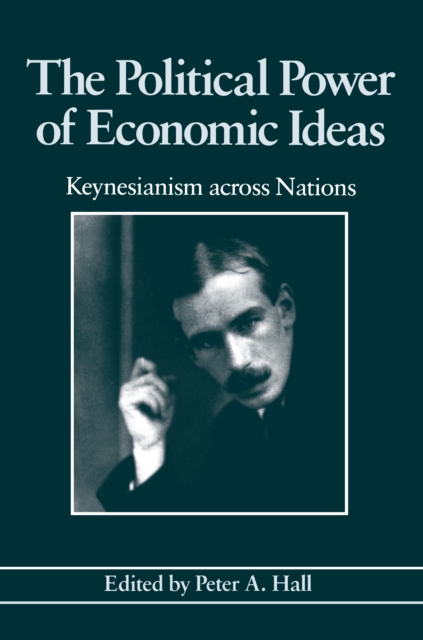
John Maynard Keynes once observed that the "e;ideas of economists and political philosophers, both when they are right and when they are wrong, are more powerful than is commonly understood.
Why investment and financial reform are essential to China's continued economic well-beingAlthough China's economy has grown spectacularly over the last twenty-five years, economists disagree about how the Chinese economy is likely to fare in the short- and long-term future.
Speculations about the effects of politics on economic life have a long and vital tradition, but few efforts have been made to determine the precise relationship between them.
An indispensable investigation into the American unemployment system and the ways gender and class affect the lives of those looking for workThrough the intimate stories of those seeking work, The Tolls of Uncertainty offers a startling look at the nation's unemployment system-who it helps, who it hurts, and what, if anything, we can do to make it fair.
An incisive guide that helps up-and-coming economists become successful scholarsThe Economist's Craft introduces graduate students and rising scholars to the essentials of research, writing, and other critical skills for a successful career in economics.
Critics and defenders of multinational corporations often agree on at least one thing: that the activities of multinationals are creating an overwhelmingly powerful global market that is quickly rendering national borders obsolete.
Fired by Stanford and the University of Chicago but recommended by his peers to the presidency of the American Economic Association, Thorstein Veblen remains a baffling figure in American intellectual history.
How remittances-money sent by workers back to their home countries-support democratic expansionIn the growing body of work on democracy, little attention has been paid to its links with migration.
From one of the leading policy experts of our time, an urgent rethinking of how we can better support each other to thriveWhether we realize it or not, all of us participate in the social contract every day through mutual obligations among our family, community, place of work, and fellow citizens.
Stephen Krasner's assumption of a distinction between state and society is the root of his argument for the superiority of a statist interpretation of American foreign policy.
A remarkable look at how the growth, technology, and politics of high-frequency trading have altered global financial marketsIn today's financial markets, trading floors on which brokers buy and sell shares face-to-face have increasingly been replaced by lightning-fast electronic systems that use algorithms to execute astounding volumes of transactions.
A New York Times BestsellerA Wall Street Journal BestsellerA New York Times Notable Book of 2020A New York Times Book Review Editors' ChoiceShortlisted for the Financial Times and McKinsey Business Book of the YearA New Statesman Book to ReadFrom economist Anne Case and Nobel Prize winner Angus Deaton, a groundbreaking account of how the flaws in capitalism are fatal for America's working classDeaths of despair from suicide, drug overdose, and alcoholism are rising dramatically in the United States, claiming hundreds of thousands of American lives.
A candid explanation of how the labor market really works and is central to everything-and why it is not as healthy as we thinkRelying on unemployment numbers is a dangerous way to gauge how the labor market is doing.
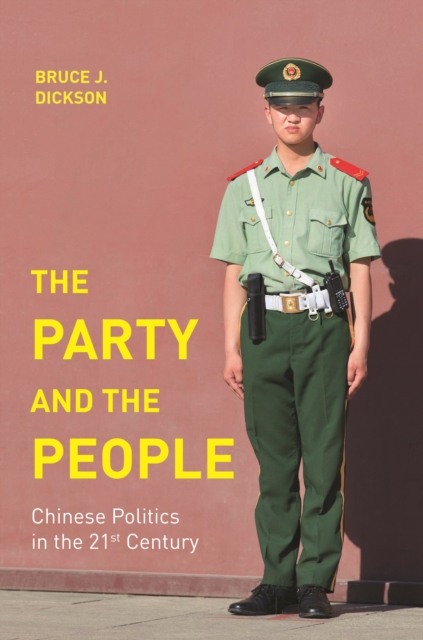
How the Chinese Communist Party maintains its power by both repressing and responding to its peopleSince 1949, the Chinese Communist Party (CCP) has maintained unrivaled control over the country, persisting even in the face of economic calamity, widespread social upheaval, and violence against its own people.
This is an expanded second edition of Nicholas Mercuro and Steven Medema's influential book Economics and the Law, whose publication in 1998 marked the most comprehensive overview of the various schools of thought in the burgeoning field of Law and Economics.
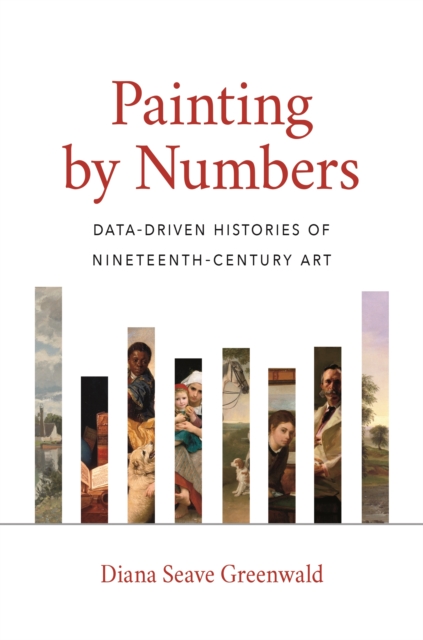
A pathbreaking history of art that uses digital research and economic tools to reveal enduring inequities in the formation of the art historical canonPainting by Numbers presents a groundbreaking blend of art historical and social scientific methods to chart, for the first time, the sheer scale of nineteenth-century artistic production.
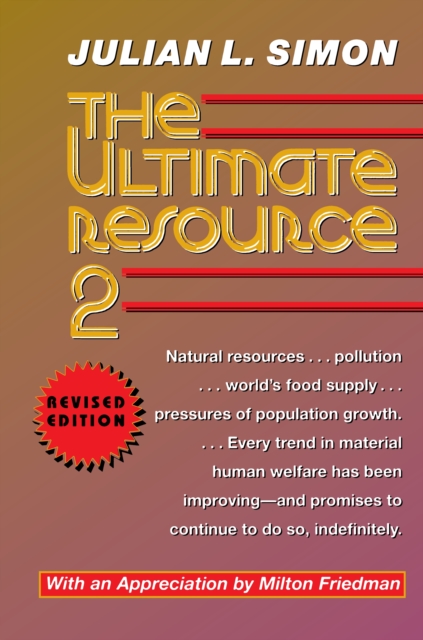
Arguing that the ultimate resource is the human imagination coupled to the human spirit, Julian Simon led a vigorous challenge to conventional beliefs about scarcity of energy and natural resources, pollution of the environment, the effects of immigration, and the "e;perils of overpopulation.
About two hundred years ago, largely as a result of Adam Smith's Wealth of Nations, free trade achieved an intellectual status unrivaled by any other doctrine in the field of economics.
A new edition of the classic work on the economic tools of foreign policyToday's complex and dangerous world demands a complete understanding of all the techniques of statecraft, not just military ones.
From acclaimed political scientist Diana Mutz, a revealing look at why people's attitudes on trade differ from their own self-interestWinners and Losers challenges conventional wisdom about how American citizens form opinions on international trade.
An in-depth look at the distinctly different ways that China and India govern their cities and how this impacts their residentsUrbanization is rapidly overtaking China and India, the two most populous countries in the world.