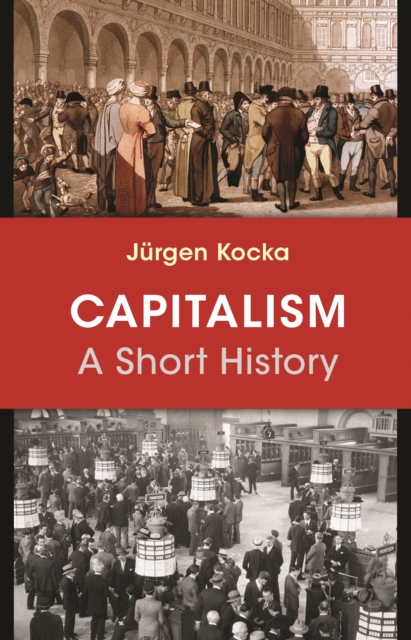
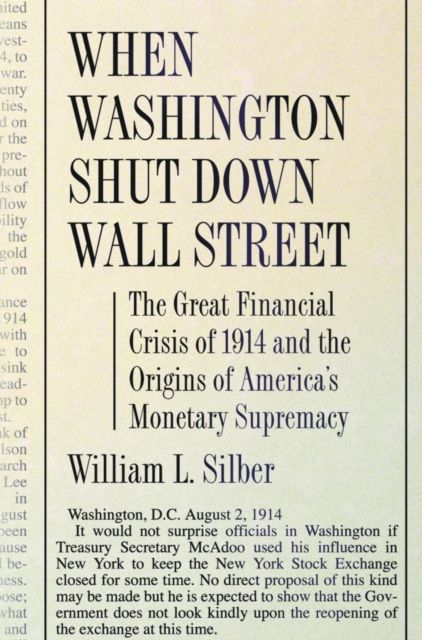
A comprehensive and concise history of capitalism from its origins to todayIn this authoritative and accessible book, one of the world's most renowned historians provides a concise and comprehensive history of capitalism within a global perspective from its medieval origins to the 2008 financial crisis and beyond.
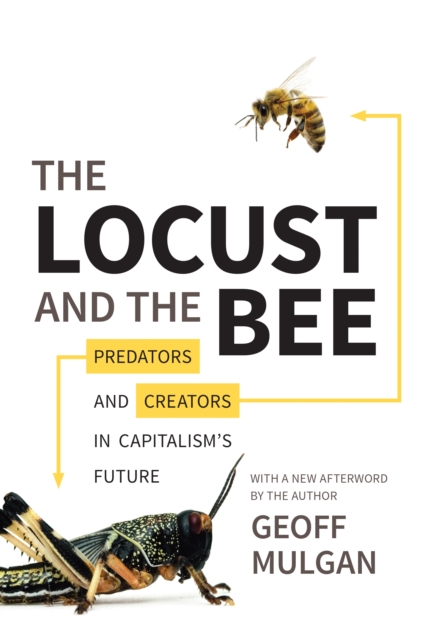
How to harness capitalism's dynamism to create an economy that promotes well-being and rewards creationThe recent economic crisis was a dramatic reminder that capitalism can both produce and destroy.
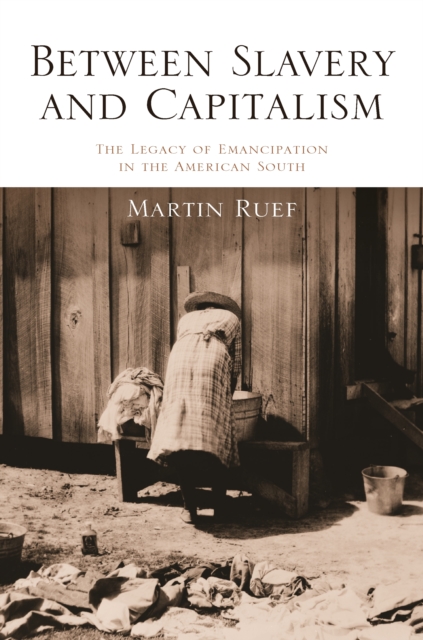
An in-depth examination of the economic and social transition from slavery to capitalism during ReconstructionAt the center of the upheavals brought by emancipation in the American South was the economic and social transition from slavery to modern capitalism.
The Big Problem of Small Change offers the first credible and analytically sound explanation of how a problem that dogged monetary authorities for hundreds of years was finally solved.
How tort, contract, and restitution law can be reformed to better serve the social goodLawyers, judges, and scholars have long debated whether incentives in tort, contract, and restitution law effectively promote the welfare of society.
A panoramic global history of the nineteenth centuryA monumental history of the nineteenth century, The Transformation of the World offers a panoramic and multifaceted portrait of a world in transition.
A new way to understand financial crises-and a blueprint for tomorrow's recoveryThe Leaderless Economy reveals why international financial cooperation is the only solution to today's global economic crisis.
This detailed account of the politics of opening agricultural markets explains how the institutional context of international negotiations alters the balance of interests at the domestic level to favor trade liberalization despite opposition from powerful farm groups.
Today's wine industry is characterized by regional differences not only in the wines themselves but also in the business models by which these wines are produced, marketed, and distributed.
States of Credit provides the first comprehensive look at the joint development of representative assemblies and public borrowing in Europe during the medieval and early modern eras.
With little domestic fanfare and even less attention internationally, Japan has been reinventing itself since the 1990s, dramatically changing its political economy, from one managed by regulations to one with a neoliberal orientation.
A major feat of research and synthesis, this book presents the first comprehensive history of the Dutch economy in the nineteenth century--an important but poorly understood piece of European economic history.
Critics and defenders of multinational corporations often agree on at least one thing: that the activities of multinationals are creating an overwhelmingly powerful global market that is quickly rendering national borders obsolete.
Computer-Assisted Bacterial Systematics examines the theoretical basis of numerical taxonomy and its impact on microbial classification and identification.
My aim, in writing this monograph, has been to remedy this omission by presenting a comprehensive and unified theory of observers for continuous-time and discrete -time linear systems.
An essential book for all students and scientists in the field, Part A of Geophysical Field Theory and Method describes the physical and mathematical principles of geophysical methods, specifically the behavior of gravitational, electrical, and magnetic fields.
The Earth's Core, Second Edition is a six-chapter book that begins with the general physical properties of the Earth, with emphasis on the core-mantle boundary.
Finance expert, law professor, and fellow overwhelmed consumer Kathryn Judge investigates the surprising ways that middlemen have taken control of the economy at the expense of the rest of us, and provides practical guidance about how to regain control, find more meaning, and contribute to a more sustainable economy.