Proven currency-specific trading strategies from one of today's top currency analysts "e;If you trade currency, then you need to have this book on your desk.
The definitive look at Wall Street in the 19th Century Perhaps the 19th century's best book on Wall Street, Fifty Years in Wall Street provides a fascinating look at the financial markets during a period of rapid economic expansion.
Provides statistical tools and techniques needed to understand today's financial markets The Second Edition of this critically acclaimed text provides a comprehensive and systematic introduction to financial econometric models and their applications in modeling and predicting financial time series data.
Tools to improve decision making in an imperfect world This publication provides readers with a thorough understanding of Bayesian analysis that is grounded in the theory of inference and optimal decision making.
Praise for Accounts Receivable Management Best Practices "e;An excellent reference tool on how to manage the accounts receivable process for any company.
Written for controllers, CFOs, accounting managers, and business managers, Fast Close incorporates Steven Bragg s own personally tested guidelines to help professionals speed up the closing process, especially in response to Sarbanes-Oxley s more time-sensitive requirements.
The tools to manage ongoing Sarbanes-Oxley compliance In The Sarbanes-Oxley Section 404 Implementation Toolkit, author and consultant Michael Ramos provides a detailed road map to help companies not only streamline their compliance process, but also make the process manageable and repeatable year after year.
Written by Kathy Lien chief strategist for the number one online currency broker in the world Day Trading the Currency Market reveals a variety of technical and fundamental profit-making strategies for trading the currency market, and provides a detailed look at how this market actually works.
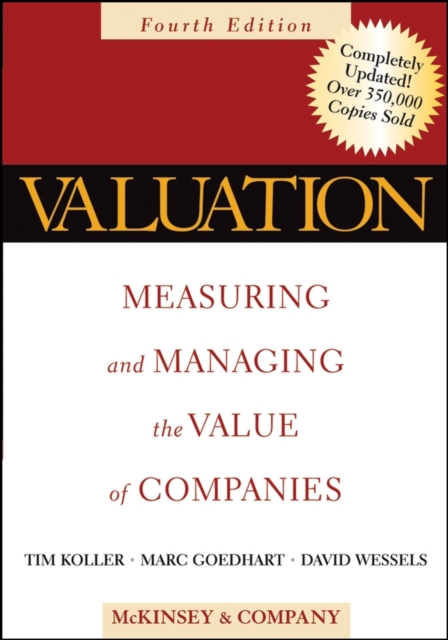
Hailed by financial professionals worldwide as the single best guide of its kind, Valuation, Fourth Edition is thoroughly revised and expanded to reflect business conditions in today's volatile global economy.
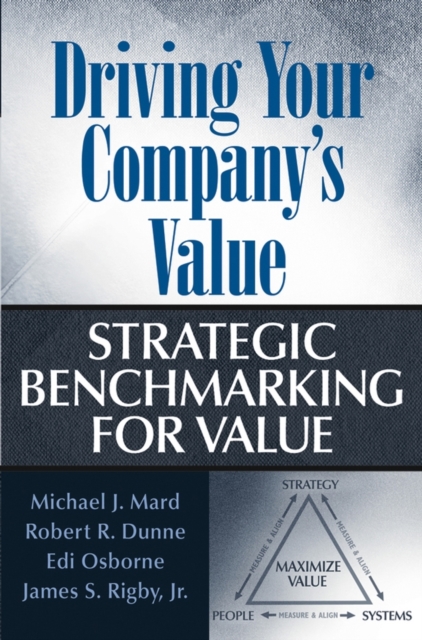
Driving Your Company's Value: Strategic Benchmarking for Value is a step-by-step book presenting a valuation-oriented methodology that helps companies maximize shareholder value.
This updated edition provides managers with a practical guide focused on the particular management needs for research and development in biotechnology and pharmaceutical industries.
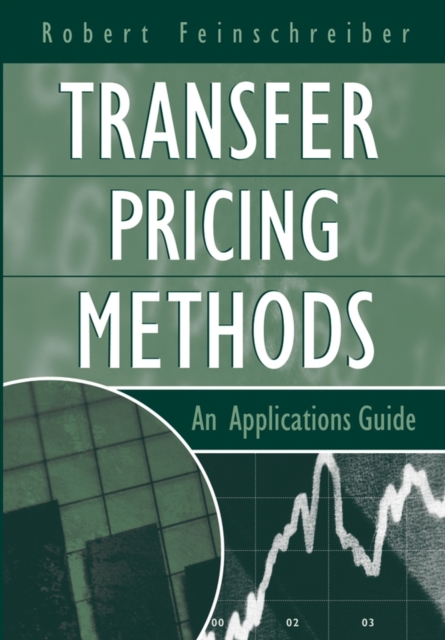
Advanced praise for Transfer Pricing Methods "e;Feinschreiber and a team of renowned executives have provided the definitive transfer-pricing guide to this challenging area.
The International Accounting and Finance Handbook is an excellent reference for assisting those with interests or responsibilities concerning the international dimensions of accounting, reporting, and control and finance.
A comprehensive guide to managing global financial risk From the balance of payment exposure to foreign exchange and interest rate risk, to credit derivatives and other exotic options, futures, and swaps for mitigating and transferring risk, this book provides a simple yet comprehensive analysis of complex derivatives pricing and their application in risk management.
Here's a system of budgeting that is easy to implement, easy to monitor, will significantly reduce staff time spent on budgeting, and will ensure true fiscal accountability.
A complete appraisal of analytical tools available to managers to assess performance "e;Steve Bragg has created a useful, relevant guide to applying performance measurements across the organization.
An essential guide to financial risk management as well as the only way to ace the GARP FRM Exam The Financial Risk Management Exam (FRM Exam) was developed by the Global Association of Risk Professionals (GARP) as a means of establishing an industry standard of minimum professional competence in the field.
A comprehensive account of economic size distributions around the world and throughout the years In the course of the past 100 years, economists and applied statisticians have developed a remarkably diverse variety of income distribution models, yet no single resource convincingly accounts for all of these models, analyzing their strengths and weaknesses, similarities and differences.
An engaging and comprehensive look at the intersection of financial innovation and the environment This unique book provides readers with a comprehensive look at the new markets being created to help companies manage environmental risks, including weather derivatives, catastrophe bonds, and emission trading permits.
Patterns in the Dark is that rare book that offers an entirely new perspective on an issue of ongoing concern to investors: the unpredictability of financial markets.
Written by a cost-control expert with more than thirty years of design and building expertise, this volume in the Professional Practice Essentials Series gives you practical, user-friendly guidance on how to better manager costs through all phases of a project.
Integrates essential risk management practices with practical corporate business strategies Focusing on educating readers on how to integrate risk management with corporate business strategy-not just on hedging practices-The Risk Management Process is the first financial risk management book that combines a detailed, big picture discussion of firm-wide risk management with a comprehensive discussion of derivatives-based hedging strategies and tactics.
FROM PATENT TO PROFIT Patents and patent strategies are increasingly pertinent to the success of information age businesses, from affecting valuations to gaining tax advantages to increasing the starting price per share when taking a company public.
THE DEFINITIVE GUIDE TO NAVIGATING TODAY'S FINANCIAL SERVICES INDUSTRY From "e;one-stop shopping"e; for financial services to major structural shifts within the industry, rapid changes in information technology, trends toward business combinations, statutory laws, and global competition have contributed to breaking down the geographic and product barriers that once separated traditional financial institutions from other financial entities.
The essential reference for financial risk management Filled with in-depth insights and practical advice, theFinancial Risk Manager Handbook is the core text for riskmanagement training programs worldwide.
An innovative, new approach to risk assessment and management that will help you uncover countless opportunities for your company If a business wants to be sustainable in the twenty-first century, it should focus on the continuous improvements and potential opportunities that risk management offers.
Plumbers and Visionaries: Securities Settlement and Europe s Financial Market is a path-breaking account of the history and future of the securities settlement industry in Europe.
Untangle the jargon and understand how you're involved in everyday economics If you want to get to grips with the basics of economics and understand a subject that affects British citizens on a daily basis, then look no further than Economics For Dummies.
Untangle the jargon and understand how you're involved in everyday economics If you want to get to grips with the basics of economics and understand a subject that affects British citizens on a daily basis, then look no further than Economics For Dummies.
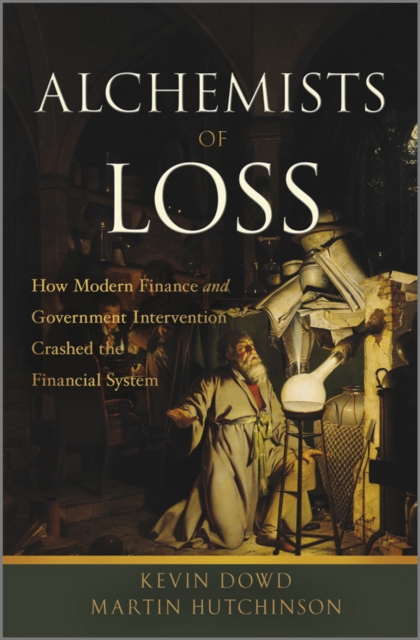
An engaging look at how modern finance almost destroyed our global economy Over the last thirty years, capital markets have been restructured through the tenets of modern finance.
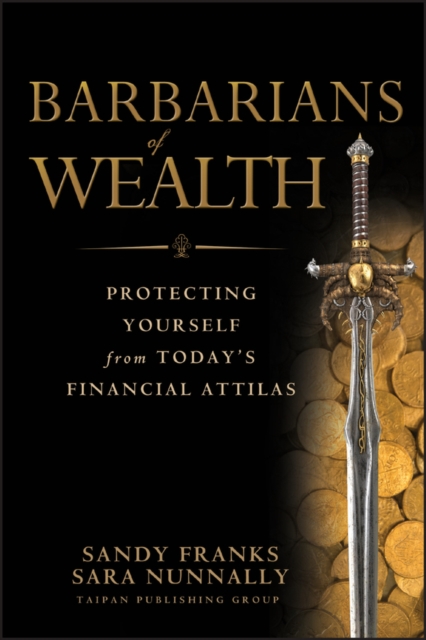
How the actions of a few in Europe destroyed the prosperity of the many (and how it's happening again now in America) After the fall of the Roman Empire, vicious barbaric tribes including the Hunds lead by Atilla, the Mongols, Charlemagne and the Vikings invaded Europe, plundering property and destroying homes.
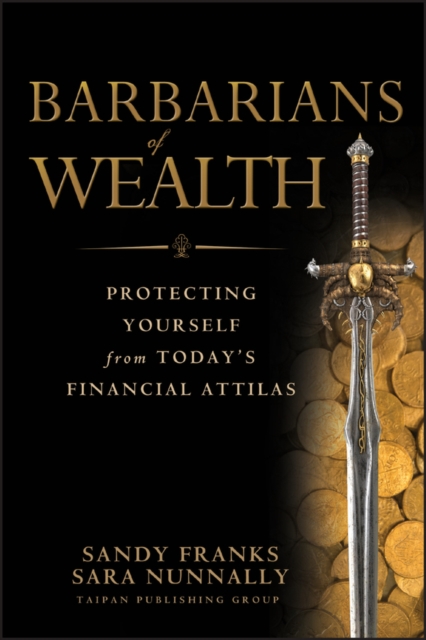
How the actions of a few in Europe destroyed the prosperity of the many (and how it's happening again now in America) After the fall of the Roman Empire, vicious barbaric tribes including the Hunds lead by Atilla, the Mongols, Charlemagne and the Vikings invaded Europe, plundering property and destroying homes.