**Winner of the Financial Times and Goldman Sachs Business Book of the Year Award** 'Brad Stone's definitive book on Amazon and Bezos' The Guardian'A masterclass in deeply researched investigative financial journalism .
In Working Together, a fascinating and invaluable look at why great partnerships succeed, former Disney CEO Michael Eisner discusses how professional partnerships have contributed to his success.
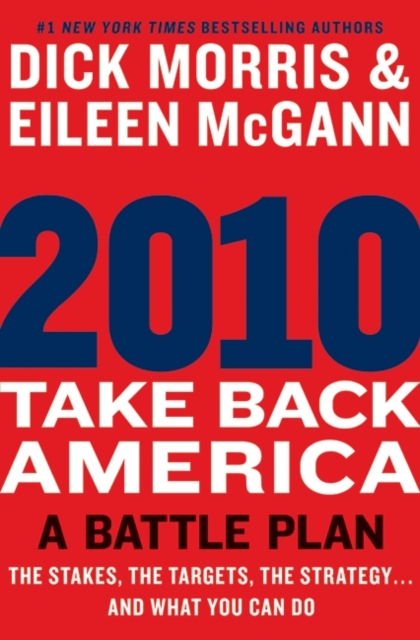
As battle lines are drawn for the next midterm elections, Dick Morris and Eileen McGannauthors of the smash #1 New York Times bestseller Catastrophe, as well as bestsellers Fleeced and Outrageare back with 2010: Take Back America.
Leading pricing expert Rafi Mohammed shows businesses how to reap a financial windfall and foster growth using the underutilized and often overlooked strategy of setting prices.
In The Bush Agenda, Antonia Juhasz exposes a radical corporate globalization agenda that has been refined by leading members and allies of the Bush administration over decades and reached its fullest, most aggressive implementation under George W.
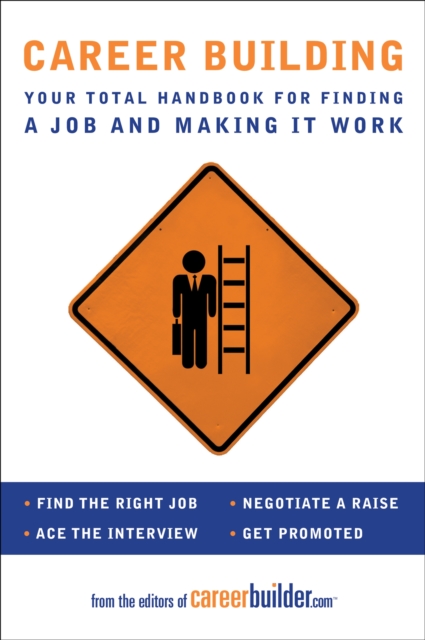
Your one-stop guide to finding a job, navigating the corporate ladder, and leaving when the time is rightDid you know that:60% of hiring managers will offer a higher salary if asked?
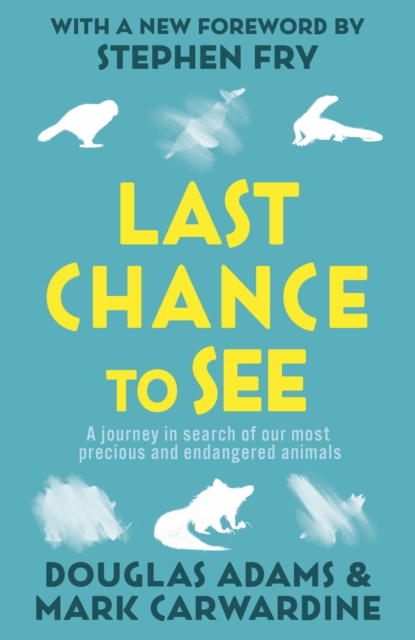
Descriptive writing of a high order this is an extremely intelligent book The TimesJoin Douglas Adams, bestselling and beloved author of The Hitchhiker s Guide to the Galaxy, and zoologist Mark Carwardine on an adventure in search of the world s most endangered and exotic creatures.
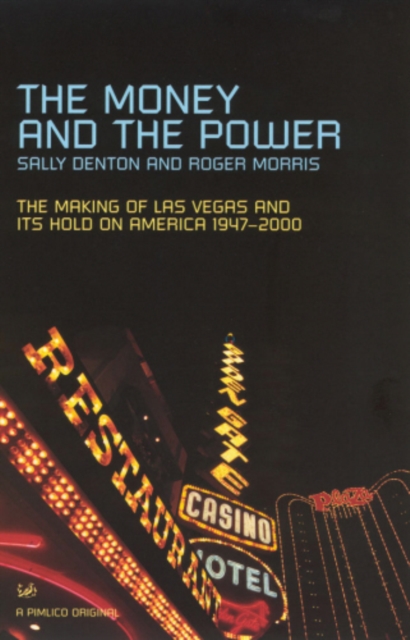
Sally Denton and Roger Morris make clear how and why Las Vegas became the greatest 'business success story' of the twentieth century, and how the rest of America ensured this success by contributing capital as well as customers.
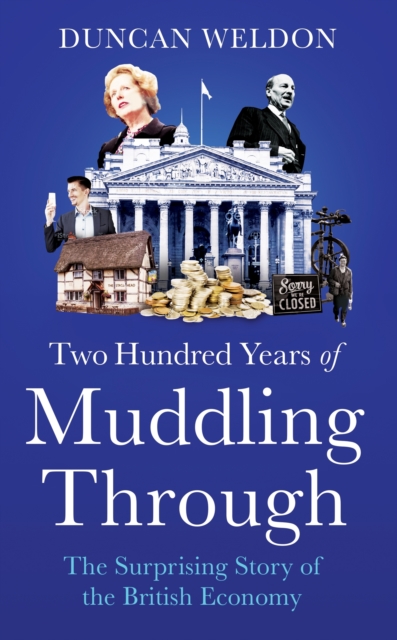
'Here's the history that really matters' FINANCIAL TIMES'Pitch perfect, fast-moving, brilliantly well-judged' ADAM TOOZE'A terrific achievement, covering clearly but with subtlety everything from the spinning jenny to Covid-19'ADITYA CHAKRABORTTY, GUARDIAN'Outstanding!
From Ben Mezrich, the New York Times bestselling author of The Accidental Billionaires and Bringing Down the House, comes Bitcoin Billionaires - the fascinating story of brothers Tyler and Cameron Winklevoss's big bet on crypto-currency and its dazzling pay-off.
In Women Want More, Michael Silverstein and Kate Sayre, two of the worlds leading authorities on the retail business, argue that women are the key to fixing the economy.
The Capitalists Bible,edited by Gretchen Morgenson, an award-winning journalist with the New York Times, is the essential guide to capitalism and its many languages, customs, and practices.
It's rare that a book appears with a fresh perspective on world affairs, but renowned economist Ha-Joon Chang has some startlingly original things to say about the future of globalization.
Learn how to eat better and spend less with deliciously easy recipes 'Delicious, thrifty, inspiring' GUARDIAN Featuring over 100 mouth-watering recipes and practical tips, Economy Gastronomy will help you to cook simple, better food, and along the way save you a lot of money_______With this essential cookery companion, you will learn how to .
The untold story of how FDR did the unthinkable to save the American economyThe American economy is strong in large part because nobody believes that America would ever default on its debt.
A groundbreaking study that shows how countries can create innovative, production-based economies for the twenty-first centuryAchieving economic growth is one of today's key challenges.
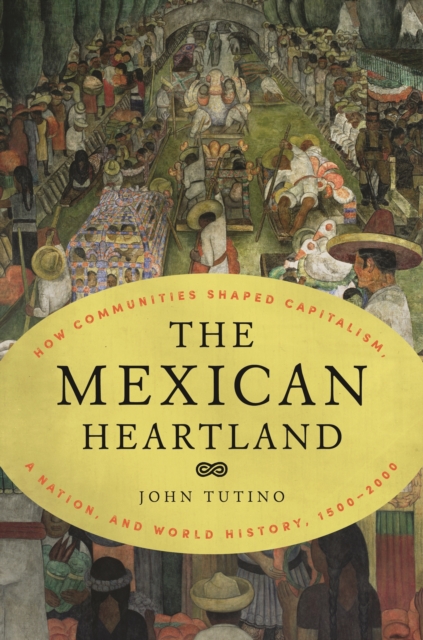
A major new history of capitalism from the perspective of the indigenous peoples of Mexico, who sustained and resisted it for centuriesThe Mexican Heartland provides a new history of capitalism from the perspective of the landed communities surrounding Mexico City.
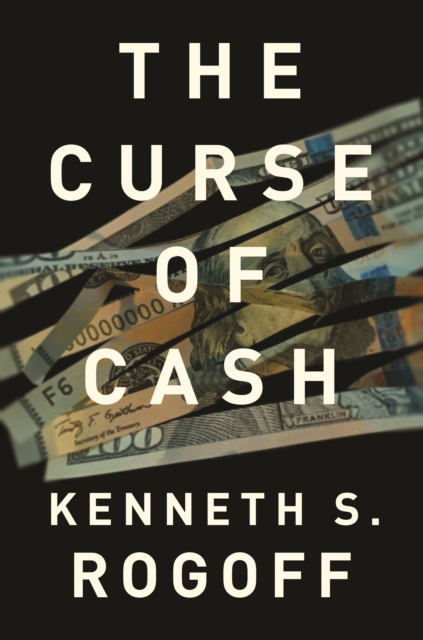
"e;A brilliant and lucid new book"e; (John Lanchester, New York Times Magazine) about why paper money and digital currencies lie at the heart of many of the world's most difficult problems-and their solutionsIn The Curse of Cash, acclaimed economist and bestselling author Kenneth Rogoff explores the past, present, and future of currency, showing why, contrary to conventional economic wisdom, the regulation of paper bills-and now digital currencies-lies at the heart some of the world's most difficult problems, but also their potential solutions.
How moving beyond GDP will improve well-being and sustainabilityNever before in human history have we produced so much data, and this empirical revolution has shaped economic research and policy profoundly.
A compelling exploration of how reputation affects every aspect of contemporary lifeReputation touches almost everything, guiding our behavior and choices in countless ways.
A powerful new understanding of global currency trends, including the rise of the Chinese yuanAt first glance, the modern history of the global economic system seems to support the long-held view that the leading world power's currency-the British pound, the U.
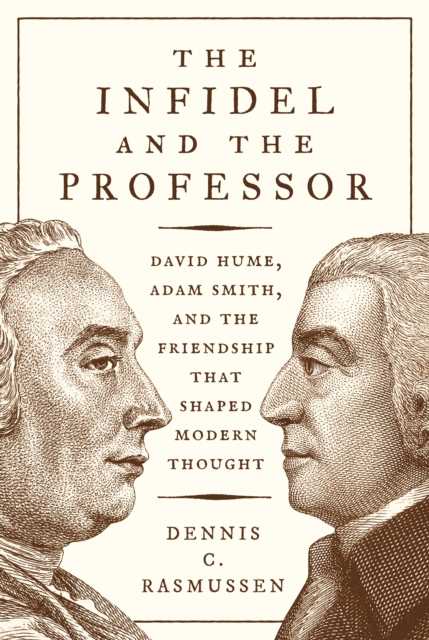
The story of the greatest of all philosophical friendships-and how it influenced modern thoughtDavid Hume is widely regarded as the most important philosopher ever to write in English, but during his lifetime he was attacked as "e;the Great Infidel"e; for his skeptical religious views and deemed unfit to teach the young.
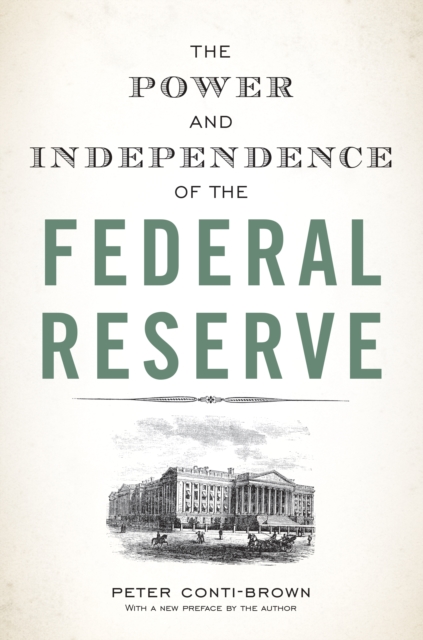
An in-depth look at the history, leadership, and structure of the Federal Reserve BankThe independence of the Federal Reserve is considered a cornerstone of its identity, crucial for keeping monetary policy decisions free of electoral politics.
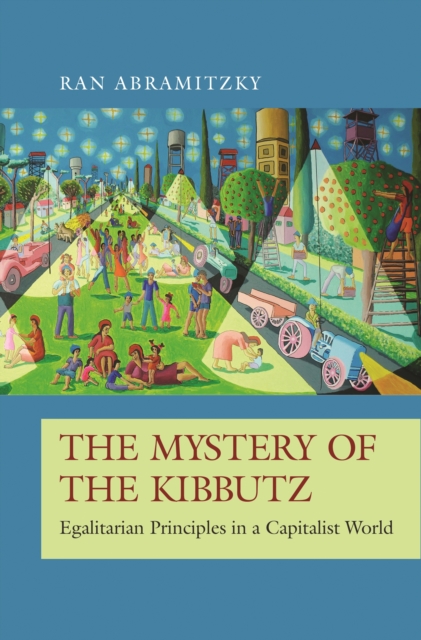
How the kibbutz movement thrived despite its inherent economic contradictions and why it eventually declinedThe kibbutz is a social experiment in collective living that challenges traditional economic theory.