States of Credit provides the first comprehensive look at the joint development of representative assemblies and public borrowing in Europe during the medieval and early modern eras.
With little domestic fanfare and even less attention internationally, Japan has been reinventing itself since the 1990s, dramatically changing its political economy, from one managed by regulations to one with a neoliberal orientation.
A major feat of research and synthesis, this book presents the first comprehensive history of the Dutch economy in the nineteenth century--an important but poorly understood piece of European economic history.
Critics and defenders of multinational corporations often agree on at least one thing: that the activities of multinationals are creating an overwhelmingly powerful global market that is quickly rendering national borders obsolete.
Fully grasp the core principles of logistics, distribution management and the supply chain, in addition to emerging trends and the latest technologies, with this definitive guide that offers clear and straightforward explanations.
Computer-Assisted Bacterial Systematics examines the theoretical basis of numerical taxonomy and its impact on microbial classification and identification.
My aim, in writing this monograph, has been to remedy this omission by presenting a comprehensive and unified theory of observers for continuous-time and discrete -time linear systems.
An essential book for all students and scientists in the field, Part A of Geophysical Field Theory and Method describes the physical and mathematical principles of geophysical methods, specifically the behavior of gravitational, electrical, and magnetic fields.
The Earth's Core, Second Edition is a six-chapter book that begins with the general physical properties of the Earth, with emphasis on the core-mantle boundary.
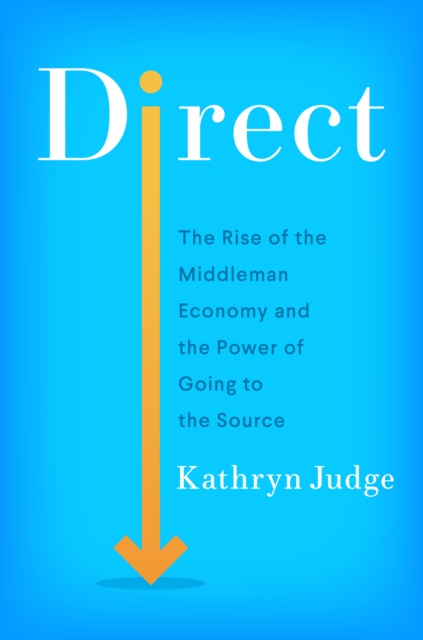
Finance expert, law professor, and fellow overwhelmed consumer Kathryn Judge investigates the surprising ways that middlemen have taken control of the economy at the expense of the rest of us, and provides practical guidance about how to regain control, find more meaning, and contribute to a more sustainable economy.
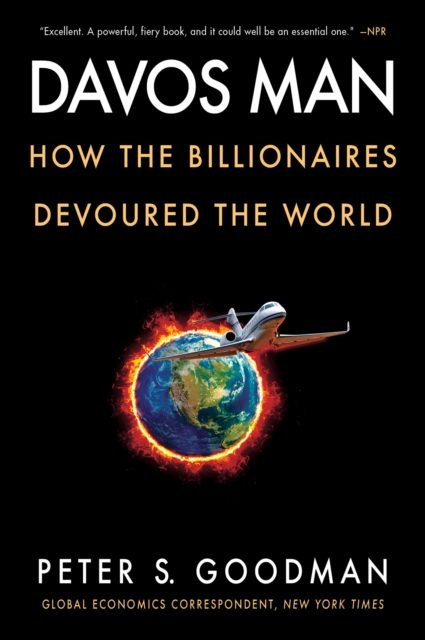
ASan Francisco ChronicleBestseller An NPR Best Book of the YearTheNew York TimessGlobal Economics Correspondent masterfully reveals how billionaires systematic plunder of the worldbrazenly accelerated during the pandemichas transformed 21st-century life and dangerously destabilized democracy.
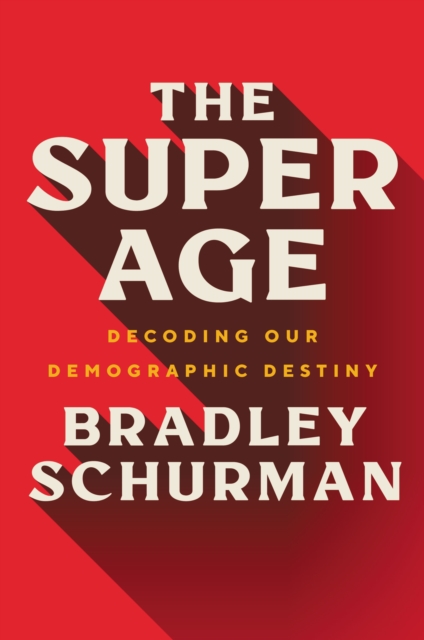
A demographic futurist explains the coming Super Agewhen there will be more people older than sixty-five than those under the age of eighteenand explores what it could mean for our collective future.
Shortlisted for the 2021 Porchlight Business Book Awards, Current Events Public AffairsThe Wall Street Journal technology columnist reveals the fascinating story behind the misleadingly simple phrase shoppers take for grantedArriving Todayin this eye-opening investigation into the new rules of online commerce, transportation, and supply chain management.
Auction Theory, Second Edition improves upon his 2002 bestseller with a new chapter on package and position auctions as well as end-of-chapter questions and chapter notes.
Neuroeconomics is a new highly promising approach to understanding the neurobiology of decision making and how it affects cognitive social interactions between humans and societies/economies.
An examination of coined money and its significance to rulers, aristocrats and peasants in early medieval EuropeBetween the end of the Roman Empire in the fifth century and the economic transformations of the twelfth, coined money in western Europe was scarce and high in value, difficult for the majority of the population to make use of.
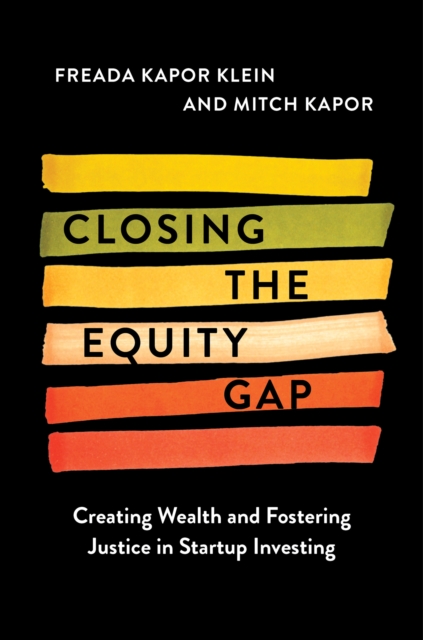
A social activist and an entrepreneur remake the future of investing and business, offering a win-win road map for creating wealth and addressing inequalities by investing in groundbreaking tech companies that defy assumptions from Silicon Valley to Wall Street.