El medio ambiente, entendido como tal, es un bien perteneciente a todos los habitantes del planeta, al igual que el derecho a disfrutarlo, así como el deber de protegerlo y respetarlo.
Discover the enduring principles of wealth creation from an ancient sageEmbark on a journey to financial prosperity with George Clason's timeless classic, The Richest Man in Babylon.
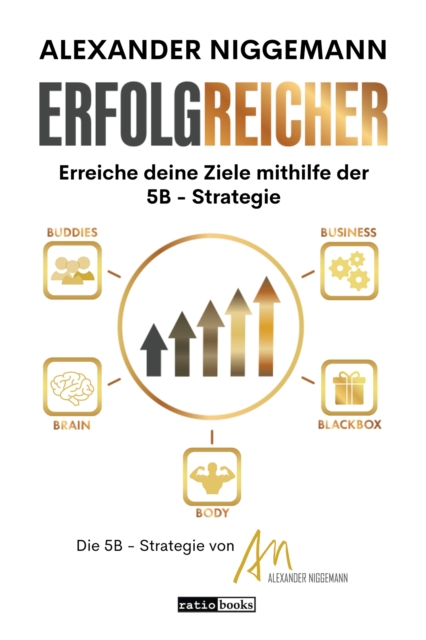
Die 5B-Strategie: Ideen erfolgreich umsetzen, deine Ziele erreichen und finanziellen Erfolg erzielenStell dir vor, du könntest all deine Ideen in die Tat umsetzen und damit erfolgreich sein.
La macroeconomía estudia el funcionamiento de la economía en su conjunto, por ello centra su atención en el comportamiento de los agregados económicos.
Este libro es una lectura obligada para los que quieran conocer los secretos de aquellas compañías que logran crecer siempre, incluso en entornos turbulentos.
Esta publicación aporta a la comprensión de los procesos productivos agropecuarios del departamento del Meta, así como a entender las dinámicas sociales de la ruralidad y su interacción con las ciudades.
Spätestens mit der Wende 1989 wurde die politische, moralische und vor allem ökonomische Unterlegenheit des "real existierenden Sozialismus" unübersehbar.
Buceando en las tormentosas aguas de las políticas públicas implementadas en la Argentina reciente y en sus resultados, a menudo desalentadores, este libro apunta a discutir la concepción subyacente de las políticas públicas y de su relación con la sociedad.
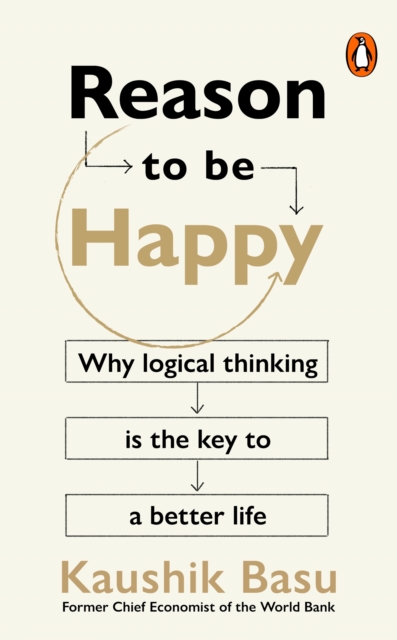
'Reason to Be Happy is a wise and witty book that shows how thinking clearly can help us find happiness in our daily lives, get more of what we want, and even make the world a better place' Hannah FryWhy do our friends have more friends than we do?
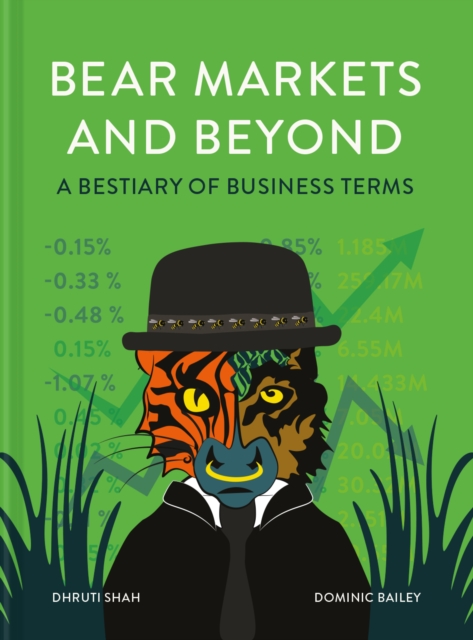
*WINNER* 'SHORT BUSINESS BOOK OF THE YEAR' - THE BUSINESS BOOK AWARDS 2021Unicorns, narwhals, yaks, cows and civets - what have all these creatures got to do with your hard-earned cash?
"Der Weg zur Nachhaltigkeit - Meine Transformation als Manager" ist eine inspirierende und einzigartige Reise durch die persönliche und berufliche Entwicklung von Mathias Kollmann.
In 'Die Akkumulation des Kapitals' präsentiert Rosa Luxemburg in drei Bänden eine detaillierte Untersuchung über die ökonomische Theorie der Kapitalakkumulation.
In "Klarheit schaffen, Wunder erleben - Visualisierung für ein erfülltes Leben mit Glück und Erfolg" führt uns die renommierte Lebenscoach Sonja Schoch durch die transformative Welt der Visualisierung.
Dieses Buch enthält einige der bemerkenswertesten Aufsätze von Frédéric Bastiat zu den Themen Wirtschaft und individuelle Freiheit:- An die Jugend Frankreichs- Was man sieht und was man nicht sieht- Eine Petition- Eine negative Eisenbahn- Das GesetzFrédéric Bastiat (1801 – 1850) war ein französischer Ökonom und Schriftsteller, der für seine Verteidigung der Freiheit, des Eigentums und des freien Handels bekannt ist.
The Financier by Theodore Dreiser is a groundbreaking novel that delves into the complexities of power, money, and morality in the early 20th century America.
Spätestens mit der Wende 1989 wurde die politische, moralische und vor allem ökonomische Unterlegenheit des "real existierenden Sozialismus" unübersehbar.
Schmerzexpertise in den Feldern der Gesundheitsversorgung Schmerz ist ein multidimensionales Phänomen und betrifft Menschen aller Altersstufen und Erkrankungen in jedem Stadium ihres Lebenslaufs.
Schmerzexpertise in den Feldern der Gesundheitsversorgung Schmerz ist ein multidimensionales Phänomen und betrifft Menschen aller Altersstufen und Erkrankungen in jedem Stadium ihres Lebenslaufs.
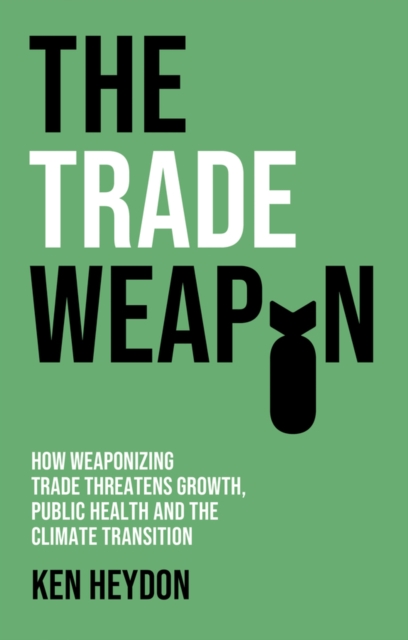
The forgotten history of the liberal radicals, socialist internationalists, feminists, and Christians who envisioned free trade as the necessary prerequisite for anti-imperialism and peaceToday, free trade is often associated with right-wing free marketeers.
In een wereld waar China een steeds centralere rol inneemt op politiek en economisch gebied, is een diepgaand begrip van zijn culturele en filosofische fundamenten essentieel.
(Über-)Lebensbedingungen, Ungleichheit und materieller Wohlstand in Wien und Niederösterreich von der Massenarmut über die "sanitary revolution", von den Anfängen moderner Sozialpolitik und dem Zeitalter der Weltkriege zu Wirtschaftswunder und Wohlfahrtsgesellschaft.
Die gesellschaftlichen Beschleunigungsprozesse, wie sie durch die rasanten Entwicklungen in Wissenschaft, Technik und durch den sozialen Wandel ausgelöst und angetrieben werden, bleiben nicht ohne Folgen für das Gesundheitssystem und insbesondere für die medizinische Versorgung.
In Thorstein Veblen's groundbreaking work, 'The Vested Interests & the Nature of Peace,' the author delves into the relationship between economics, society, and peace.
Economist Best Books of the YearFinancial Times Business Book of the Month'A handbook for disruptors' - Eric Schmidt, former CEO of GoogleLearn how the 'geek' mindset is revolutionizing the corporate world by breaking all the rules to transform business culture, leadership, and personal successes.