First published in 1921, this book is intended to provide a comprehensive overview of economics to beginners, with only the more intricate and controversial subjects - such as economic rent - being omitted for the sake of clarity.
Virtually all large banks and other financial institutions in the UK and internationally are public limited liability companies whose shares are listed on one or several stock exchanges.
Virtually all large banks and other financial institutions in the UK and internationally are public limited liability companies whose shares are listed on one or several stock exchanges.
Infrastructure drives economic growth and sustainable development by facilitating productivity, attracting foreign investment, promoting industrialisation, reducing poverty, improving standards of living, and enhancing human development.
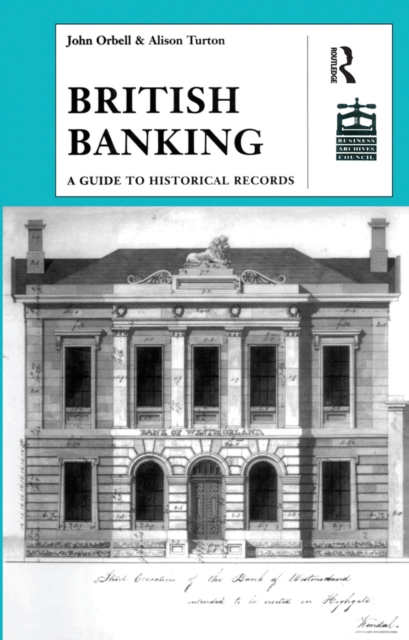
This substantially expanded new edition of the Guide to the Historical Records of British Banking contains details of over 700 archive collections held in local record offices, university and local libraries and of course, banks.
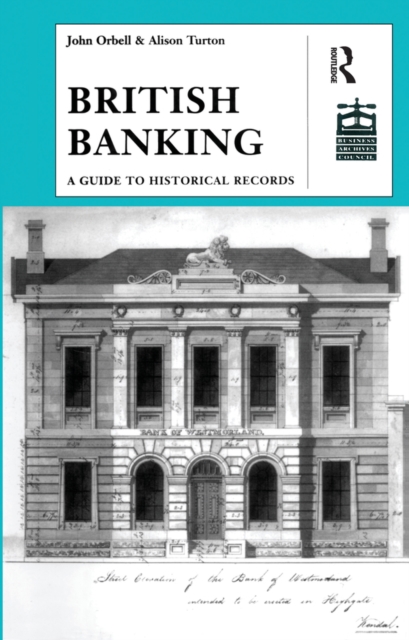
This substantially expanded new edition of the Guide to the Historical Records of British Banking contains details of over 700 archive collections held in local record offices, university and local libraries and of course, banks.
Crisis and Renewal in Twentieth Century Banking explores the behaviour of banks at times of war, revolution, civil war, social turmoil, and reconstruction.
Crisis and Renewal in Twentieth Century Banking explores the behaviour of banks at times of war, revolution, civil war, social turmoil, and reconstruction.
Bringing together cultural, economic and social historians from across Europe and beyond, this volume offers a consideration from a number of perspectives of the principal forces that further integrated the Ottoman Empire and Western Europe during the first century of industrialisation.
Bringing together cultural, economic and social historians from across Europe and beyond, this volume offers a consideration from a number of perspectives of the principal forces that further integrated the Ottoman Empire and Western Europe during the first century of industrialisation.
Finance and Modernization centres on a set of historical developments and problems typified by the long history of the A-sterreichische Creditanstalt and its successor organizations, and opens the way to compare and contrast experiences throughout Central and Western Europe and also on other continents.
Finance and Modernization centres on a set of historical developments and problems typified by the long history of the A-sterreichische Creditanstalt and its successor organizations, and opens the way to compare and contrast experiences throughout Central and Western Europe and also on other continents.
This collection of essays, written by former bankers, practising central bankers, government advisers and historians, celebrates the seventieth anniversary of the National Bank of Hungary.
This collection of essays, written by former bankers, practising central bankers, government advisers and historians, celebrates the seventieth anniversary of the National Bank of Hungary.