Real-world advice for determining the most advantageous structure in a merger, acquisition, or buyoutThe actual structuring of a merger or acquisition is key to the success of the entire procedure.
From the man whom BusinessWeek has called a "e;founding father"e; and the "e;hands-on implementer"e; of the Quality Movement comes a breakthrough approach to management and leadershipJust as Armand Feigenbaum's pioneering Total Quality Control changed the world's approach to quality and productivity, The Power of Management Capital will also transform the contemporary business landscape.
Risk Management introduces and explores the latest financial and hedging techniques in use around the world, and provides the foundation for creating an integrated, consistent, and effective risk management strategy.
The essential guide to business and real estate appraisals for non-appraiser professionalsIn Analyzing Complex Appraisals for Business Professionals, renowned business and real estate valuation authorities Shannon P.
Serial entrepreneur Christiane Lemieux describes the new rules of entrepreneurship and business, arguing that visionary startups leverage the concept of "e;frictionless"e; to beat their competitors.
Other books present corporate finance approaches to the venture capital and private equity industry, but many key decisions require an understanding of the ways that law and economics work together.
**A TIMES AND NEW YORK TIMES BOOK OF THE YEAR 2022**An explosive expos of a firm whose work has made your world more unequal, more corrupt and more dangerous.
When Profit from the Core was published in 2001, it became an international bestseller, helping hundreds of companies find their way back to profitable growth after the bursting of the Internet bubble.
For salespeople feeling stressed and disappointed that their customers don't want to hear from them, this guide is the key to developing the mindset and habits required to reach a new level of sales success.
A well-designed and implemented incentive program is an essential tool for building a motivated, highly effective sales force that delivers the results you need.
*Now a major movie starring Seth Rogen, Paul Dano, Pete Davidson, Shailene Woodley, Sebastian Stan and Nick Offerman*The GameStop Short Squeeze and the Ragtag Group of Amateur Traders that Brought Wall Street to its Knees.
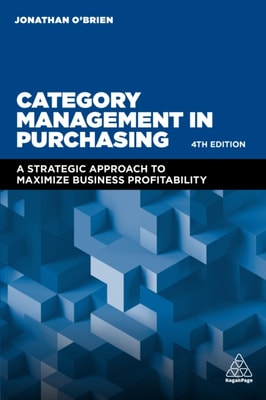
Category Management in Purchasing is a comprehensive guide to strategic category management which provides a step-by-step guide to its implementation and use, and enables readers to deliver value and cost savings when sourcing and purchasing.
Discover the secrets to successful luxury brand management with this bestselling guide written by two of the world's leading experts on luxury branding, Jean-Noel Kapferer and Vincent Bastien, providing a unique blueprint for luxury brands and companies.
The modern marketplace is increasingly unpredictable and there is an ever-greater need for non-financial managers to understand the financial and management accounting process.
How the "e;First State"e; has enabled international crime, sheltered tax dodgers, and diverted hard-earned dollars from the rest of usThe legal home to over a million companies, Delaware has more registered businesses than residents.
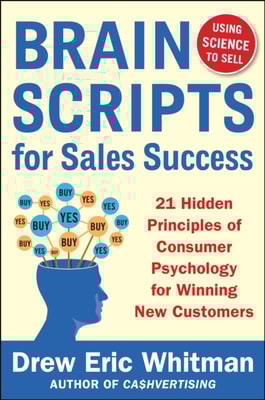
The newest, most successful strategies for landing the sale-based on the latest discoveries in neuroscience and consumer psychologyBrainScripts for Sales Success explains consumer psychology to teach you how to personalize and enhance an approach and use basic, primal responses that are subtle but extremely effective.
Mutual funds form the bedrock of retirement savings in the United States, and, considering their rapid growth, are sure to be more critical in the future.
More than thirty leading scholars and finance practitioners discuss the theory and practice of using enterprise-risk management (ERM) to increase corporate values.
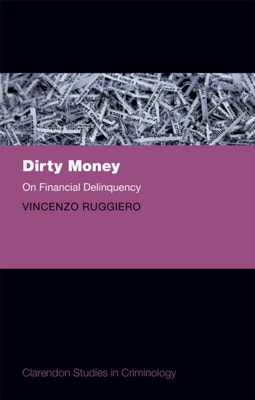
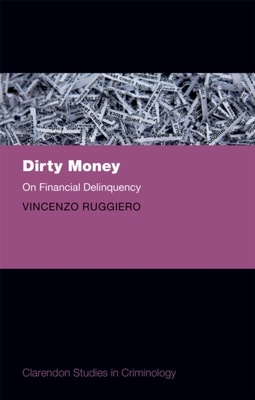
Navigating financial crashes of the Late Middle Ages up to the present day and analysing them through the lenses of classical, positivist, functionalist and Marxist criminology, Dirty Money: On Financial Delinquency explores the growth of grey areas in the financial world and our understanding, or misunderstanding, of financial delinquency.
Navigating financial crashes of the Late Middle Ages up to the present day and analysing them through the lenses of classical, positivist, functionalist and Marxist criminology, Dirty Money: On Financial Delinquency explores the growth of grey areas in the financial world and our understanding, or misunderstanding, of financial delinquency.
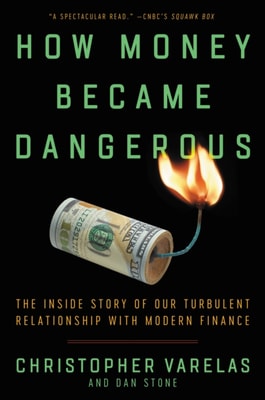
From a veteran of the trade, a provocative and entertaining voyage into the turbulent heart of modern money that sheds new light on the rise of our threatening and complicated financial system, how money became our adversary, and why finding a new course is crucial to a healthy societyIn the not too distant past, money was simple.
In the "e;More than Moore"e; era, performance requirements for leading edge semiconductor devices are demanding extremely fine pitch interconnection in semiconductor packaging.