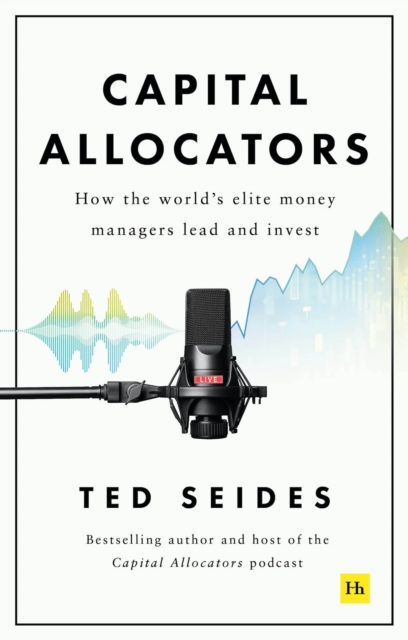
The chief investment officers (CIOs) at endowments, foundations, family offices, pension funds, and sovereign wealth funds are the leaders in the world of finance.
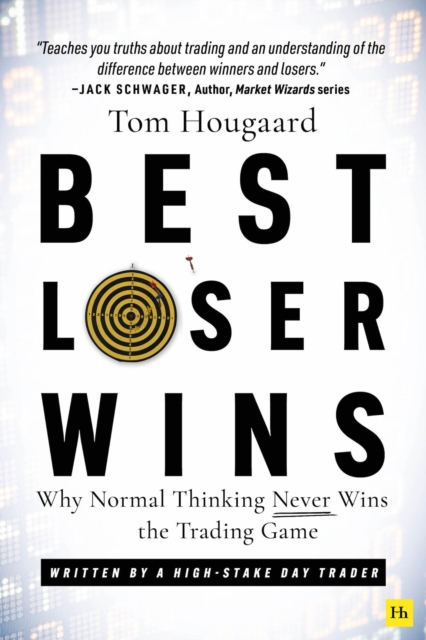
'Teaches you the truth about trading and an understanding of difference between winners and losers' - Jack Schwager, author of the Market Wizards seriesWhat if the secret to trading success isn't better analysis - but a radically different mindset?
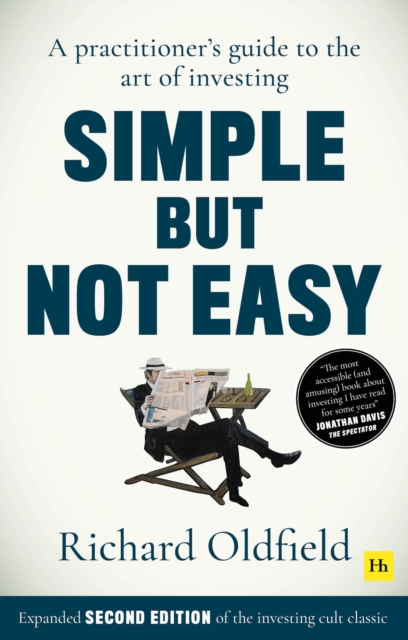
Described by the author as "e;a slightly autobiographical and heavily biased book about investing"e;, Simple But Not Easy won fans among both professional and private investors alike when first released in 2007.
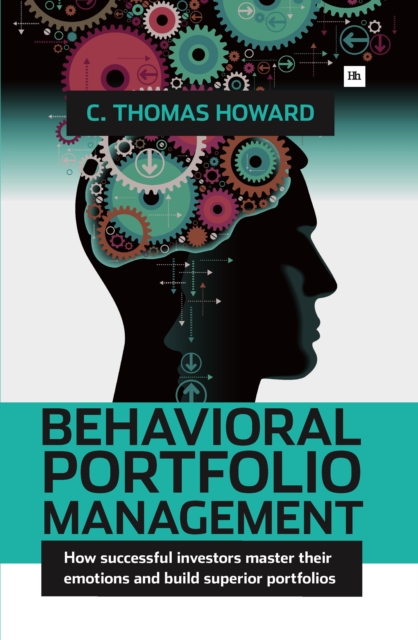
The investment industry is on the cusp of a major shift, from Modern Portfolio Theory (MPT) to Behavioral Finance, with Behavioral Portfolio Management (BPM) the next step in this transition.
An inspirational journey from footballer to traderGoals To Gold tells the fascinating and unexpected story of one man's journey from top-flight football to the cut-and-thrust world of the financial markets.
Rodney Hobson, author of bestseller Shares Made Simple, is back with a brand new book designed to help you build a balanced share portfolio that provides dividend income, whether you're just starting out or ready to retire.
One of the best classical methods of technical analysis brought up to dateThis book offers a modern treatment of Hurst's original system of market cycle analysis.
Over the last few years, the world of betting has changed dramatically thanks to the convergence of betting on sporting events and the trading of financial markets.
For the first time, the tactics, strategies and insights relied on by 150 of the world's most respected financial experts are revealed in a concise, digestible form.
This book looks at Wall Street wonders Warren Buffet, Benjamin Graham, and other legends and shares how you can utilize their secrets to unimaginable success!
With the acceleration of technology and information, projects are becoming more complex, costly, and time-constrained -- and every year thousands of them get cancelled or end up costing significantly more than their original projections.
Advancing Point and Figure in the 21st CenturyPoint and Figure has been around for over 130 years and the method is just as essential for chart analysis today as it always has been.
From renowned financial and technology journalist Nathaniel Popper the dramatic storyof a newgeneration of financial strivers, living online and playing the stock and crypto markets by a new set of rules.
AUSTRALIA S BEST-SELLING SHAREMARKET TITLE IS BACK IN ITS 28TH EDITION With the COVID-19 pandemic continuing to impact the Australian economy, discover the high-quality Australian companies that have not only survived but thrived during this time, reporting year-on-year profits regardless of the financial markets.
AUSTRALIA S BEST-SELLING SHAREMARKET TITLE IS BACK IN ITS 28TH EDITION With the COVID-19 pandemic continuing to impact the Australian economy, discover the high-quality Australian companies that have not only survived but thrived during this time, reporting year-on-year profits regardless of the financial markets.
AUSTRALIA'S BEST-SELLING SHAREMARKET TITLE RETURNS IN ITS 27th EDITION With the 2020 COVID-19 pandemic bringing about Australia's first recession in 29 years, discover the high-quality Australian companies that have continued to thrive, reporting year-on-year profits regardless of the financial markets.
Become a successful investor with the gold-standard bestseller If you want to learn more about the sharemarket but you re unsure where to begin, or if you are already a share investor but want to improve your profitability on the market, this is the book for you.
Become a successful investor with the gold-standard bestseller If you want to learn more about the sharemarket but you re unsure where to begin, or if you are already a share investor but want to improve your profitability on the market, this is the book for you.