As the host of Fox News Channel's Your World with Neil Cavuto and Cavuto on Business, Neil Cavuto reports on today's most influential business leaders and newsmakers.
Going Wireless delivers the unexpected by showing how wireless is transforming every type of enterprise from micro-businesses to multi-national conglomerates.
When industry giants such as GE, Toyota, and Sharp and investment firms such as Goldman Sachs are making multibillion-dollar investments in clean technology, the message is clear.
Explores how the financial industry will be affected by developments in blockchain and cryptocurrencies at the dawn of a new digital age in finance Our financial system is in the midst of a digital revolution.
Explores how the financial industry will be affected by developments in blockchain and cryptocurrencies at the dawn of a new digital age in finance Our financial system is in the midst of a digital revolution.
Your money can change the world The Impact Investor: Lessons in Leadership and Strategy for Collaborative Capitalism offers precise details on what, exactly, impact investing entails, embodied in the experiences and best and proven practices of some of the world's most successful impact investors, across asset classes, geographies and areas of impact.
*Now a major movie starring Seth Rogen, Paul Dano, Pete Davidson, Shailene Woodley, Sebastian Stan and Nick Offerman*The GameStop Short Squeeze and the Ragtag Group of Amateur Traders that Brought Wall Street to its Knees.
How the greatest thinkers in finance changed the field and how their wisdom can help investors todayIs there an ideal portfolio of investment assets, one that perfectly balances risk and reward?
How to overcome barriers to the long-term investments that are essential for solving the world's biggest problemsThere has never been a greater need for long-term investments to tackle the world's most difficult problems, such as climate change and decaying infrastructure.
An expose of fragmented trading platforms, poor governance, and exploitative practices in today's capital marketsCapital markets have undergone a dramatic transformation in the past two decades.
How the American government has long used financial credit programs to create economic opportunitiesFederal housing finance policy and mortgage-backed securities have gained widespread attention in recent years because of the 2008 financial crisis, but issues of government credit have been part of American life since the nation's founding.
How silver influenced two hundred years of world history, and why it matters todayThis is the story of silver's transformation from soft money during the nineteenth century to hard asset today, and how manipulations of the white metal by American president Franklin D.
The credit derivatives industry has come under close scrutiny over the past few years, with the recent financial crisis highlighting the instability of a number of credit structures and throwing the industry into turmoil.
The credit derivatives industry has come under close scrutiny over the past few years, with the recent financial crisis highlighting the instability of a number of credit structures and throwing the industry into turmoil.
The Truth About Day Trading Stocks A realistic guide to day trading today's stock market In terms of the potential for heavy financial losses, day trading is a high-risk profession.
The Truth About Day Trading Stocks A realistic guide to day trading today's stock market In terms of the potential for heavy financial losses, day trading is a high-risk profession.
NEW YORK TIMES AND SUNDAY TIMES BUSINESS BESTSELLER SHORTLISTED FOR THE FT AND MCKINSEY BUSINESS BOOK OF THE YEAR AWARD 2019'Reads more like a delicious page-turning novel.
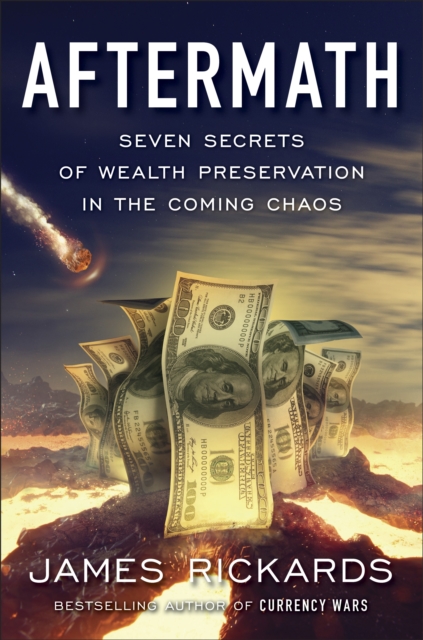
A Wall Street Journal bestsellerFinancial expert, investment advisor and New York Times bestselling author James Rickards shows why and how global financial markets are being artificially inflated and what smart investors can do to protect their assets------------------------------------------------------------------------The evidence of the past ten years proves that the most devastating financial crisis yet is just around the corner.
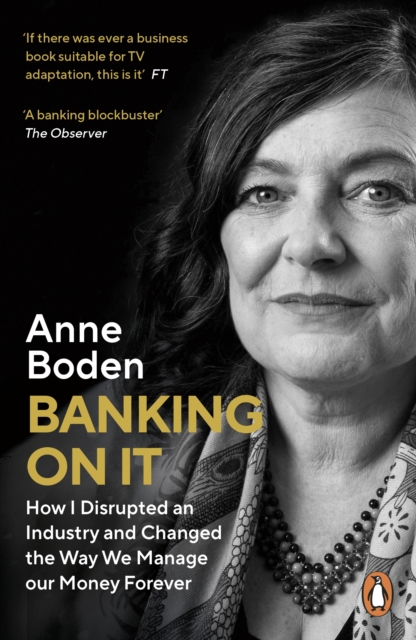
ONE WOMAN'S QUEST TO REBUILD BRITAIN'S BROKEN BANKING SYSTEM'If there was ever a business book suitable for TV adaptation, this is it' FTIn the aftermath of the 2008 financial crash, the British banking industry had come to a standstill.
A wonderfully irreverent and endlessly entertainingguidewith more than 80,000 copies sold worldwide in multiple languagesabout the indicators most investors aren't following,but should be!
The ebook of the critically acclaimed popular history book: the story of the South Sea Bubble which in Balen's hands becomes a morality tale for our times.
Kindern eine finanziell gesicherte Zukunft ermöglichenSie verfügen über eine Summe, die sie gerne für Ihr Kind, Patenkind oder Enkel zurücklegen möchten?
A wide-ranging analysis of a powerful but controversial new economic tool that has rapidly eclipsed the size of the hedge fund market In 2006, Chile teemed with protesters after finance minister Andrés Velasco invested budget surpluses from the nation’s historic copper boom in two Sovereign Wealth Funds.
Become fluent in the language of money and advance of your financial goals with this clear, straightforward guide to essential definitions and easy-to-understand explanations of all the economic terminology you need to know.
Best books of 2021, Financial Times'Grab some popcorn and take a front row seat, because Robin Wigglesworth has an astonishing story to tell you' Tim Harford, author of How to Make the World Add Up'A fascinating account of an investment revolution' Ian Fraser, Literary Review'A magisterial, delightfully written history offering up portraits of the academic scribblers and entrepreneurial practitioners who created the index-fund revolution' The Wall Street Journal'Wigglesworth has written an important book' Patrick Hosking, Financial Editor, The Times'A terrific read' Gregory Zuckerman, author of The Man Who Solved the Market'A fascinating journey and a crucial book for anyone trying to understand the financial markets' Bradley Hope, author of Billion Dollar Whale---------------------------------------------------------------------------------------------------------In Trillions, Financial Times journalist Robin Wigglesworth unveils the vivid secret history of index funds, bringing to life the colourful characters behind their birth, growth and evolution into a world-conquering phenomenon.
For a beginner, investing can be an overwhelming and intimidating topic, and finding which investment options are right for you is an almost impossible task.
Revised and updated, this new edition of Idiot's Guides: Personal Finance in Your 20s and 30s, Fifth Edition, explains all the basic information anyone in this age group will need to manage your personal finances or enhance your financial plan to yield better returns on their investments.
Plenty of books exist about fixing houses that try to make readers believe that anyone with a little cash and some know how can "e;flip"e; (buy, rehab, and resell) houses.
Must-have advice for financial success to modern investingEasy, accessible, and to the point, Stock Market Investing Fast-Track gets you up to speed quickly on the essential strategies and techniques you need to make money in the modern stock market.
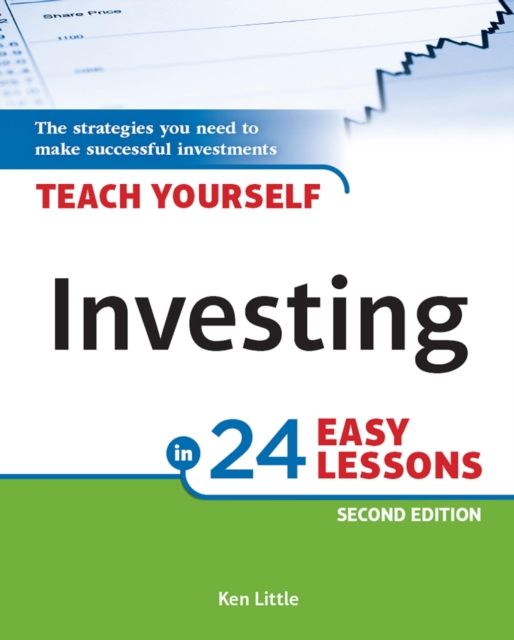
Teach Yourself Investing in 24 Easy Lessons is a practical, approachable investing guide that tackles complicated investment topics in a simple, easy-to-understand format.