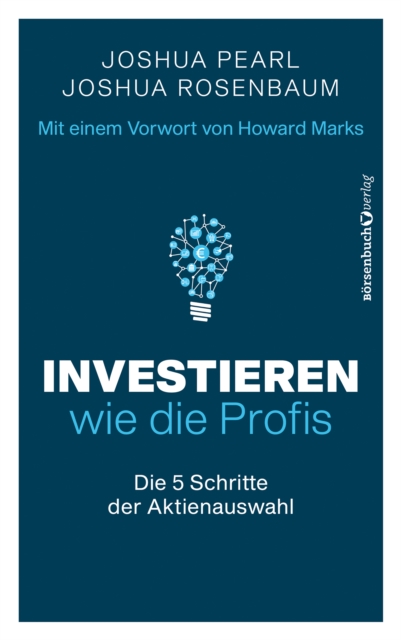
Alle Investment-Giganten der Gegenwart wurden von ihm inspiriert: In Benjamin Grahams jetzt auf Basis der Erstausgabe von 1937 neu aufgelegtem Kultklassiker vermittelt er komprimiert und leicht verständlich das Rüstzeug für eine faktenbasierte und werteorientierte Unternehmensanalyse.
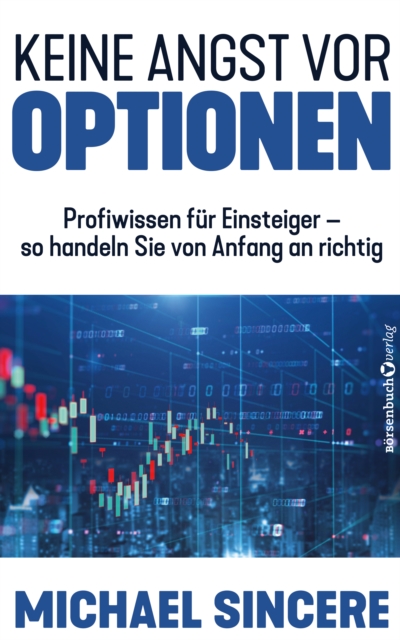
Sie investieren Ihr Geld in Aktien und ETFs, haben schon einige vielversprechende – jedoch auch abschreckende – Dinge über Optionen gehört, wissen aber noch nicht wirklich etwas darüber?
Written for undergraduate and graduate students of finance, economics and business, this textbook provides a fresh analysis of the European financial system.
Contemporary quantitative finance connects the abstract theory and the practical use of financial innovations, such as ultra-high-frequency trading and cryptocurrencies.
Contemporary quantitative finance connects the abstract theory and the practical use of financial innovations, such as ultra-high-frequency trading and cryptocurrencies.
For years, China's transformation from one of the world's poorest nations was lauded as a triumph that lifted hundreds of millions of people out of poverty.
For years, China's transformation from one of the world's poorest nations was lauded as a triumph that lifted hundreds of millions of people out of poverty.
Training people is an art-form - the fusion of skills acquired through learning (to train effectively), understanding people (behavior, culture) and methodology (content, environment) through which knowledge is transferred to another human being.
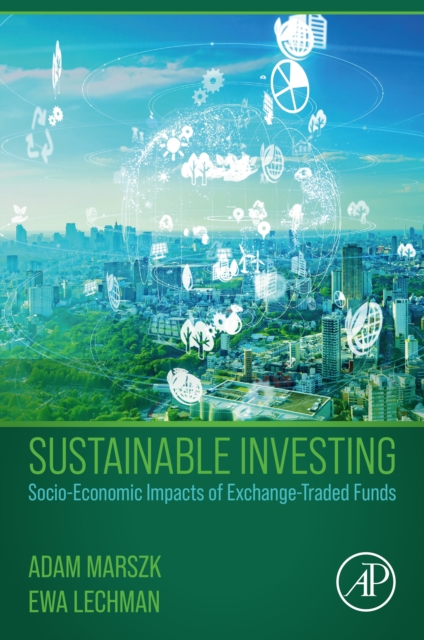
Sustainable Investing: Socio-Economic Impacts of Exchange-Traded Funds examines the social and economic effects of sustainable investing ETFs and their impacts on the global financial system.
An intimate account of the eighteenth-century Bank of England that shows how a private institution became "e;a great engine of state"e;The eighteenth-century Bank of England was an institution that operated for the benefit of its shareholders-and yet came to be considered, as Adam Smith described it, "e;a great engine of state.
This book explores the potential for public banks to help finance the expansion, democratization, and sustainability of public water services in Europe, with implications for public water financing elsewhere in the world.
Current systems are failing the poor because these systems are unable to provide the financial inclusion needed for basic subsistence and commerce, which in turn would drive micro- and macro-economic growth.
This book explores the potential for public banks to help finance the expansion, democratization, and sustainability of public water services in Europe, with implications for public water financing elsewhere in the world.
The importance of public financial management for the health and wellbeing of citizens became dramatically apparent as governments sought to respond to the coronavirus pandemic in 2020.
The importance of public financial management for the health and wellbeing of citizens became dramatically apparent as governments sought to respond to the coronavirus pandemic in 2020.
Debt and Development in Small Island Developing States draws on the expertise of established researchers and public officials from within the SIDS community to answer the following pressing questions related to sustainability, debt accumulation, and prospects for future growth.
Foreign Direct Investment (FDI) provides an important source of financing in Jordan but its reform momentum needs to be sustained and deepened so that the benefits of investment can be shared more widely across society.
Explore the startup landscape of East European countries and review the differences in the concepts of limited liability companies and company equity in approaching the market.
This book examines the origins and consequences of so-called pension fund capitalism, which has spread around the world since 1981, when the pension system was completely privatized in Chile.
This book examines the origins and consequences of so-called pension fund capitalism, which has spread around the world since 1981, when the pension system was completely privatized in Chile.
The first comprehensive risk management guide to European investment fundsThe European investment fund market is one of the biggest financial markets in the world with a total value of approximately 22 trillion EUR.