Electron Spin Resonance in Food Science covers, in detail, the ESR identification of the irradiation history of food products and beverages to investigate changes that occur during storage, with an aim of improving hygienic quality and extending shelf-life with minimal tempering in nutritional profile.
2015 NEW MEXICO-ARIZONA BOOK AWARD WINNER"e;This useful, entertaining guide gives prospective microfarmers the dirt on realistic essentials for turning a garden into a moneymaking enterpriseThe author advises on such basics as business plans and sales techniques; profiles a range of actual working microfarms, from flowers to killer bees; and relates hilarious stories from his own microfarming.
Blowout and Well Control Handbook, Second Edition, brings the engineer and rig personnel up to date on all the useful methods, equipment, and project details needed to solve daily well control challenges.
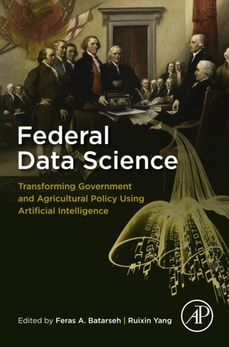
Federal Data Science serves as a guide for federal software engineers, government analysts, economists, researchers, data scientists, and engineering managers in deploying data analytics methods to governmental processes.
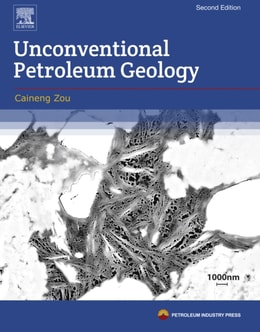
Unconventional Petroleum Geology, Second Edition presents the latest research results of global conventional and unconventional petroleum exploration and production.
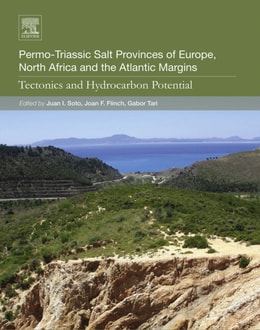
Permo-Triassic Salt Provinces of Europe, North Africa and the Atlantic Margins: Tectonics and Hydrocarbon Potential deals with the evolution and tectonic significance of the Triassic evaporite rocks in the Alpine orogenic system and the Neogene basins in the Iberian Peninsula, North Africa, and the western Mediterranean.
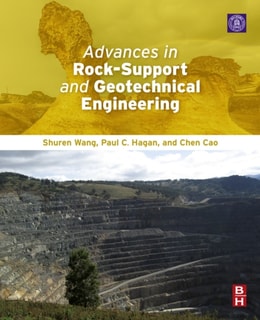
Advances in Rock-Support and Geotechnical Engineering brings together the latest research results regarding the theory of rock mechanics, its analytical methods and innovative technologies, and its applications in practical engineering.
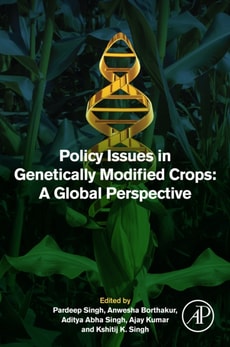
Policy Issues in Genetically Modified Crops: A Global Perspective contains both theoretical and empirical evidence of a broad range of aspects of GM crop policies throughout the world.
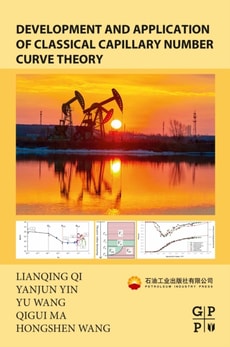
Development and Application of Classical Capillary Curve Theory shows readers how to improve chemical flooding recovery procedures in enhanced oil recovery (EOR) using sophisticated numerical modeling techniques for oil displacement that build on, and enhance, the accepted capillary curve in a novel way.
AI, Edge, and IoT Smart Agriculture integrates applications of IoT, edge computing, and data analytics for sustainable agricultural development and introduces Edge of Thing-based data analytics and IoT for predictability of crop, soil, and plant disease occurrence for improved sustainability and increased profitability.
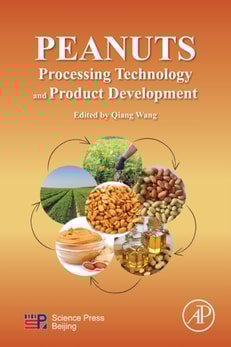
Peanuts: Processing Technology and Product Development provides an overall review of the latest peanut and peanut-related research development worldwide, including not only peanut production and processing progress, but also peanut-related product (oil, protein) production technologies, and by-products utilization technologies (peptides, polyphenol, polysaccharide, and dietary fiber).
Practical Engineering Management of Offshore Oil and Gas Platforms delivers the first must-have content to the multiple engineering managers and clients devoted to the design, equipment, and operations of offshore oil and gas platforms.
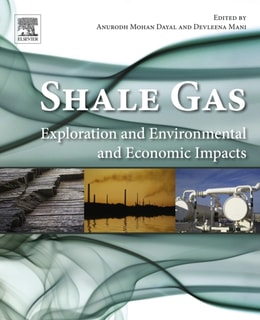
Shale Gas: Exploration and Environmental and Economic Impacts explores the shale gas exploration and production activities that are increasing globally, also presenting a basic understanding on the geological, geochemical, and geophysical aspects.
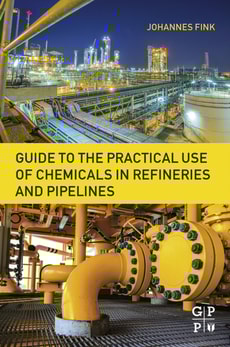
Guide to Practical Use of Chemicals in Refineries and Pipelines delivers a well-rounded collection of content, references, and patents to show all the practical chemical choices available for refinery and pipeline usage, along with their purposes, benefits, and general characteristics.
The Competitiveness of Tropical Agriculture: A Guide to Competitive Potential with Case Studies describes and synthesizes existing methodologies for evaluating competitiveness in agriculture, introduces extensions and refinements, and provides a novel approach based on a combination of quantitative and qualitative methodologies.
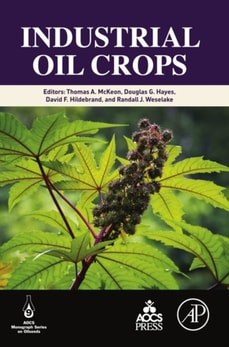
Industrial Oil Crops presents the latest information on important products derived from seed and other plant oils, their quality, the potential environmental benefit, and the latest trends in industrial uses.
From Denali's majestic slopes to the Great Swamp of central New Jersey, protected wilderness areas make up nearly twenty percent of the parks, forests, wildlife refuges, and other public lands that cover a full fourth of the nation's territory.
Winner of the Western Writers of America 2014 Spur Award for Best Western Nonfiction, ContemporaryMention the Colorado high country today and vacation imagery springs immediately to mind: mountain scenery, camping, hiking, skiing, and world-renowned resorts like Aspen and Vail.
The story of the worst environmental disaster in American history and its enduring consequencesBP Blowout is the first comprehensive account of the legal, economic, and environmental consequences of the disaster that resulted from the April 2010 blowout at a BP well in the Gulf of Mexico.
Eco-Friendly Technology for Postharvest Produce Quality presents the scope of emerging eco-friendly technologies to maintain the postharvest quality of fresh produce in terms of safety and nutrition.
Palm Oil: Production, Processing, Characterization, and Uses serves as a rich source of information on the production, processing, characterization and utilization of palm oil and its components.
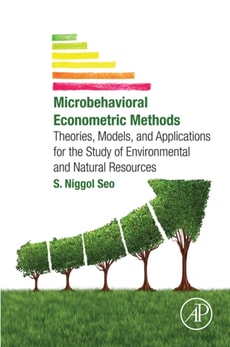
Microbehavioral Econometric Methods and Environmental Studies uses microeconometric methods to model the behavior of individuals, then demonstrates the modelling approaches in addressing policy needs.
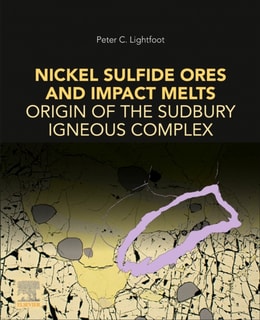
Nickel Sulfide Ores and Impact Melts: Origin of the Sudbury Igneous Complex presents a current state of understanding on the geology and ore deposits of the Sudbury Igneous Complex in Ontario, Canada.
The Craft and Science of Coffee follows the coffee plant from its origins in East Africa to its current role as a global product that influences millions of lives though sustainable development, economics, and consumer desire.
Practical Petroleum Geochemistry for Exploration and Production provides readers with a single reference that addresses the principle concepts and applications of petroleum geochemistry used in finding, evaluating, and producing petroleum deposits.
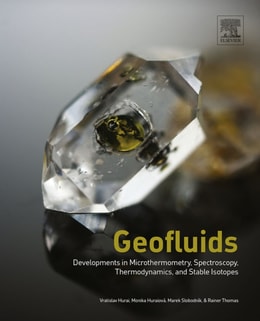
Geofluids: Developments in Microthermometry, Spectroscopy, Thermodynamics, and Stable Isotopes is the definitive source on paleofluids and the migration of hydrocarbons in sedimentary basins-ideal for researchers in oil and gas exploration.
Petrophysics: Theory and Practice of Measuring Reservoir Rock and Fluid Transport Properties, Fourth Edition provides users with tactics that will help them understand rock-fluid interaction, a fundamental step that is necessary for all reservoir engineers to grasp in order to achieve the highest reservoir performance.
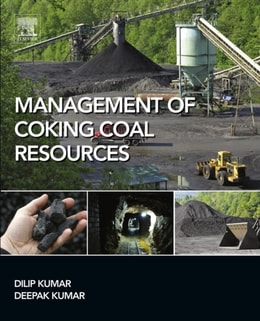
Management of Coking Coal Resources provides a one-stop reference that focuses on sustainable mining practices using a four-point approach that includes the economical, governmental, societal, and environmental aspects of coal exploration, coking coal mining, and steelmaking applications.
Advanced Reservoir and Production Engineering for Coal Bed Methane presents the reader with design systems that will maximize production from worldwide coal bed methane reservoirs.
In its infancy, the movement to protect wilderness areas in the United States was motivated less by perceived threats from industrial and agricultural activities than by concern over the impacts of automobile owners seeking recreational opportunities in wild areas.
Mushroom Biotechnology: Developments and Applications is a comprehensive book to provide a better understanding of the main interactions between biological, chemical and physical factors directly involved in biotechnological procedures of using mushrooms as bioremediation tools, high nutritive food sources, and as biological helpers in healing serious diseases of the human body.
Applied Operational Excellence for the Oil, Gas, and Process Industries offers a straightforward practical guide for oil and gas companies to understand the comparisons and contrasts between various types of safety management processes, including the standardized structure and ongoing extended benefits that operational excellence can bring to an oil and gas company.
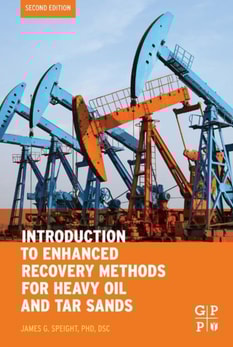
Introduction to Enhanced Recovery Methods for Heavy Oil and Tar Sands, Second Edition, explores the importance of enhanced oil recovery (EOR) and how it has grown in recent years thanks to the increased need to locate unconventional resources such as heavy oil and shale.
Reservoir Engineering focuses on the fundamental concepts related to the development of conventional and unconventional reservoirs and how these concepts are applied in the oil and gas industry to meet both economic and technical challenges.
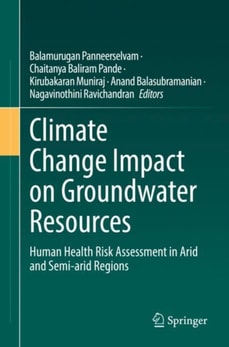
This volume discusses climate change impacts on groundwater quality in arid and semi-arid regions, and provides human health risk assessments due to pollution of surface and groundwater.
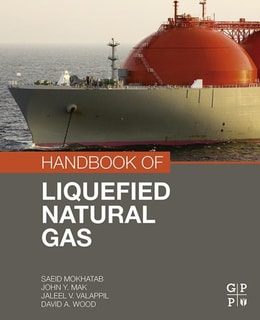
Liquefied natural gas (LNG) is a commercially attractive phase of the commodity that facilitates the efficient handling and transportation of natural gas around the world.
Globally, mineral exploration has grown significantly in recent years, driven by the rapid acceleration in prices for gold and diamonds since 2004 and the emergence of a middle class in both China and India-aggressively increased demand.
This book is unique and original, constituting a pioneering study in the use of spatial economics and related analytical approaches to Brazil's Cerrado agricultural development and the formation of agro-industrial value chains.