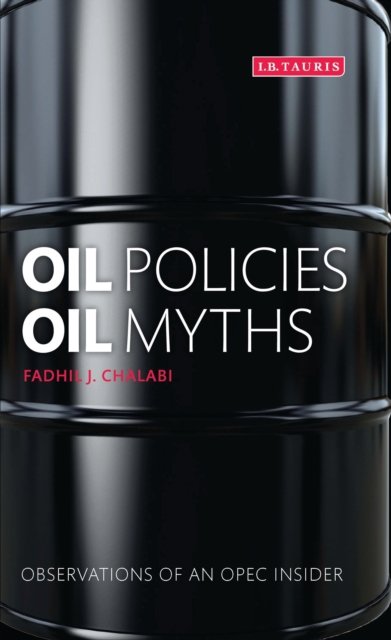
The OPEC countries possess an estimated one-third of total world natural gas reserves, but they produce relatively small volumes of this clean, convenient, and flexible fuel, and much of what is produced is flared and wasted for lack of demand.
The Gulf Cooperation Council represents both a model of development and unity in the Arab world and a working example of interstate cooperation to other nations.
This book gives a comprehensive overview of Ghana's hydrocarbon economy using actor network and assemblage theories to contest the methodological nationalism of mainstream accounts of the resource curse in resource-rich countries.
This book gives a comprehensive overview of Ghana's hydrocarbon economy using actor network and assemblage theories to contest the methodological nationalism of mainstream accounts of the resource curse in resource-rich countries.
Functional Materials for the Oil and Gas Industry: Characterization and Applications discusses the latest techniques in characterization and applications of functional materials in the oil and gas industry.
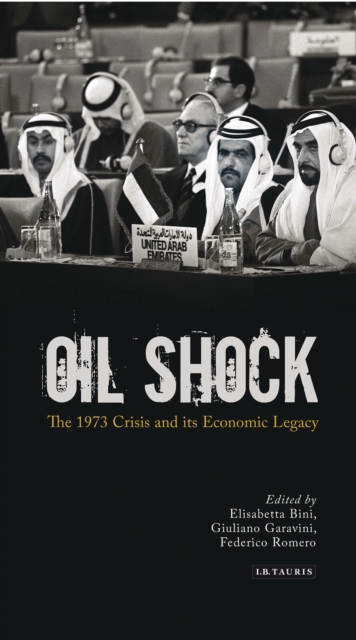
Saudi Arabia, with its US alliance and abundance of oil dollars, has a very different economic story to that of Iran, which despite enormous natural gas reserves, has been hit hard by economic, trade, scientific and military sanctions since its 1979 revolution.
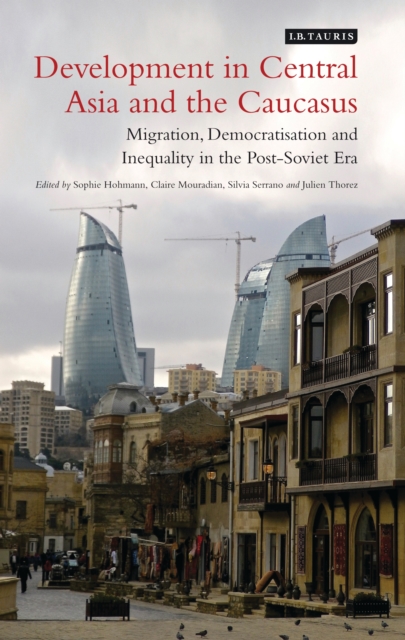
After the final collapse of the Soviet Union, the so-called 'last empire', in 1991, the countries of Central Asia - Kazakhstan, Kyrgyzstan, Uzbekistan, Tajikistan, Turkmenistan - and of the Caucasus - Armenia, Azerbaijan, Georgia - became independent nations.
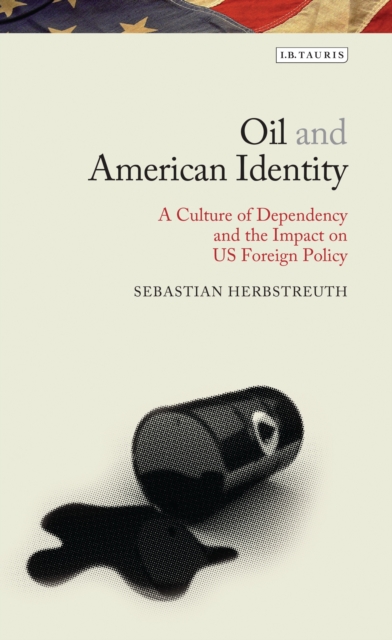
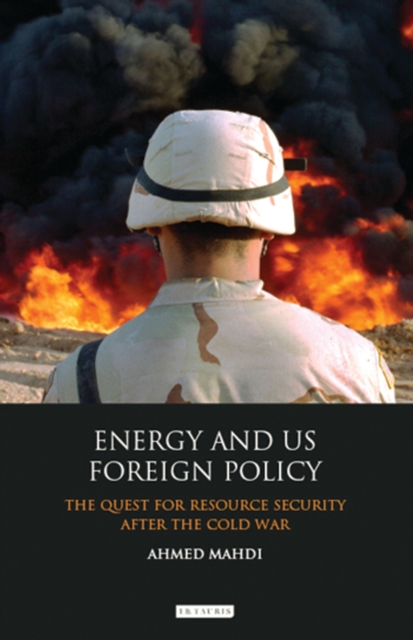
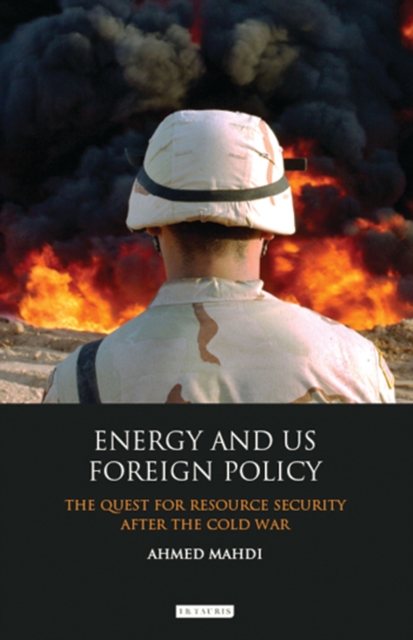
The quest for oil can be seen as a defining principle of global US foreign policy, an imperative which has shaped and redefined the practice of American diplomacy, especially in the wake of 9/11, which raised questions about the stability of global oil resources.
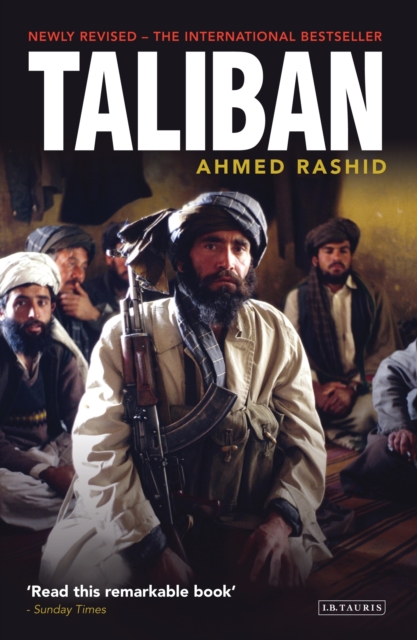
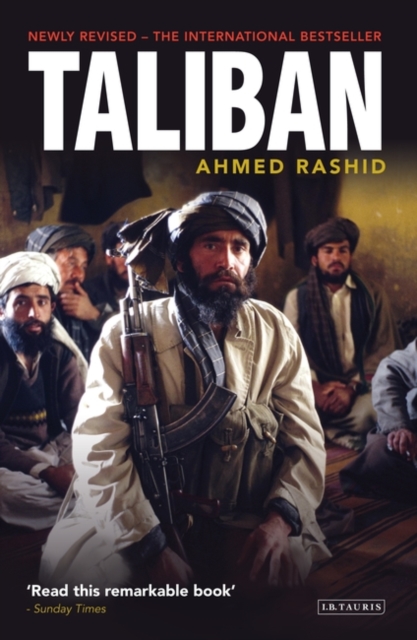
The American bombing of terrorist bases in Afghanistan under the protection of the Islamic fundamentalist Taliban movement has brought the Taliban into sharp focus as the most radical and extreme Islamic movement in the world today.
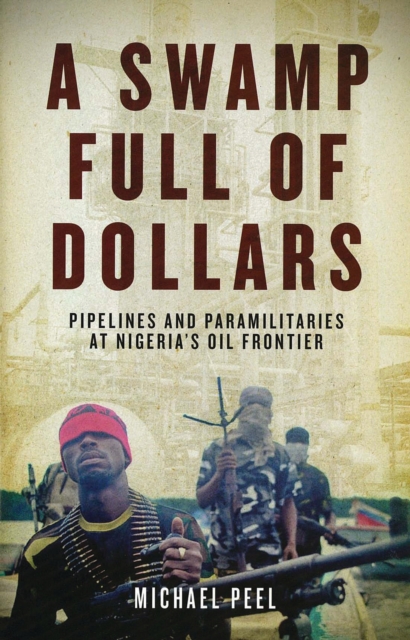
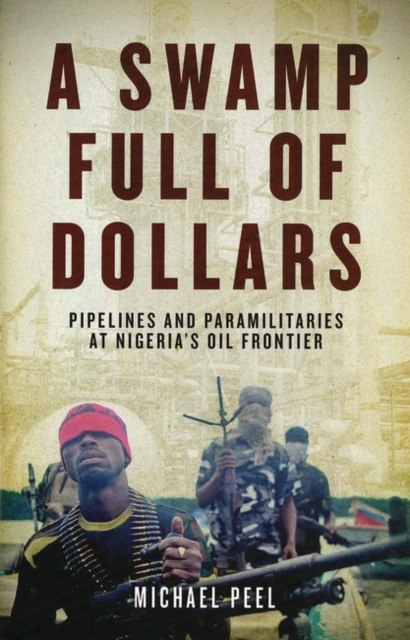
Nigeria is a country where petroleum prices and polio are both booming, where small villages challenge giant oil companies, and scooter drivers run their own mini-state.
The quest for oil can be seen as a defining principle of global US foreign policy, an imperative which has shaped and redefined the practice of American diplomacy, especially in the wake of 9/11, which raised questions about the stability of global oil resources.
Nigeria is a country where petroleum prices and polio are both booming, where small villages challenge giant oil companies, and scooter drivers run their own mini-state.
The environmental, the economic - and indeed the political - impact of the catastrophic 2010 blowout of BP's well in the Gulf of Mexico has highlighted the central part played by oil in the modern world.
The author of the bestseller The Iron Triangle untangles a web of political back scratching in one of the world's most powerful companies Halliburton-a Texas oil-field company Dick Cheney ran before he became Vice President-has courted controversy for the better part of the twentieth century, but only recently has it received intense media scrutiny.