With the thoroughness that this recently spotlighted nation requires, this volume examines Kuwaits internal and external security situation after the turbulent days of the Gulf War and investigates continued Western involvement in its safekeeping.
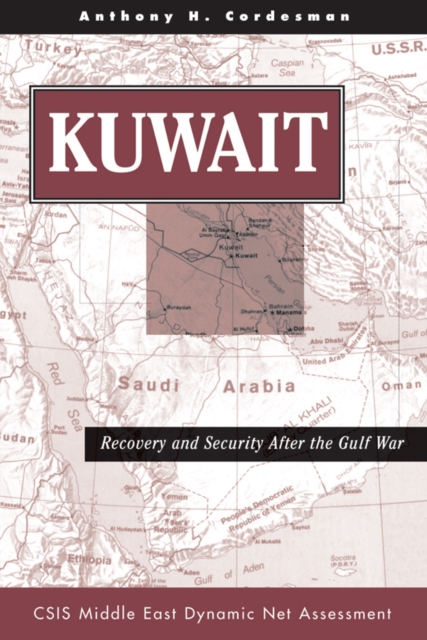
With the thoroughness that this recently spotlighted nation requires, this volume examines Kuwaits internal and external security situation after the turbulent days of the Gulf War and investigates continued Western involvement in its safekeeping.
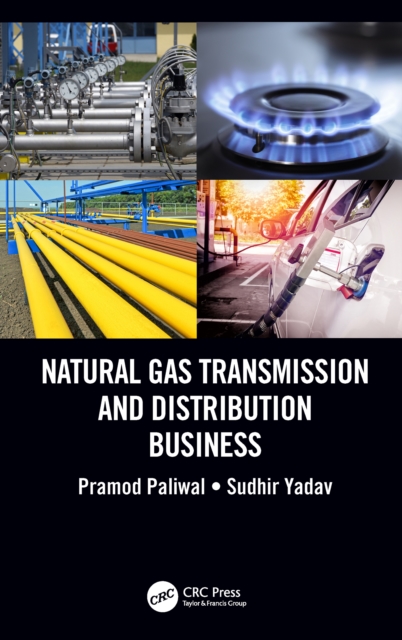
The natural gas business consists of two major aspects, sourcing and transportation, and distribution has been a growing area of interest to industry, government and academia.
The natural gas business consists of two major aspects, sourcing and transportation, and distribution has been a growing area of interest to industry, government and academia.
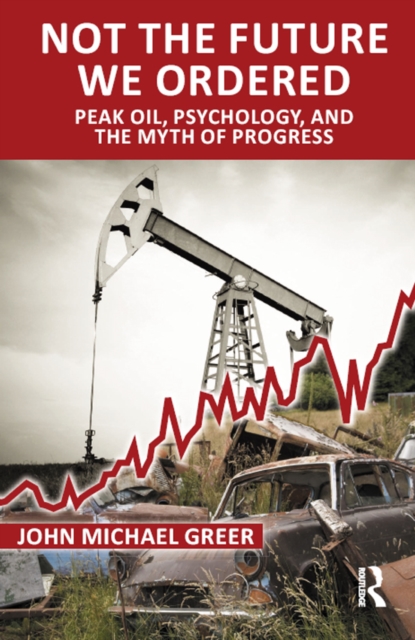
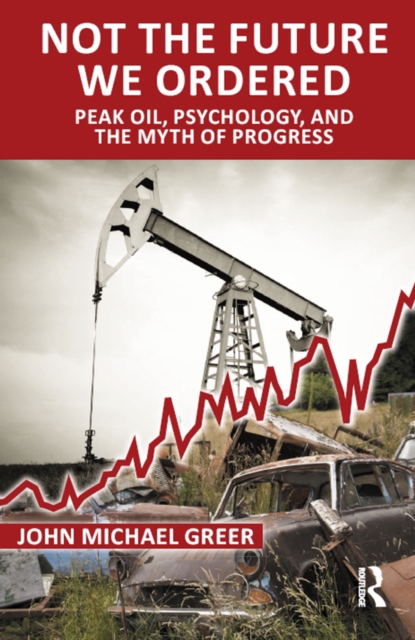
For well over half a century, since the first credible warnings of petroleum depletion were raised in the 1950s, contemporary industrial civilization has been caught in a remarkable paradox: a culture more focused on problem solving than any other has repeatedly failed to deal with, or even consider, the problem most likely to bring its own history to a full stop.
For well over half a century, since the first credible warnings of petroleum depletion were raised in the 1950s, contemporary industrial civilization has been caught in a remarkable paradox: a culture more focused on problem solving than any other has repeatedly failed to deal with, or even consider, the problem most likely to bring its own history to a full stop.
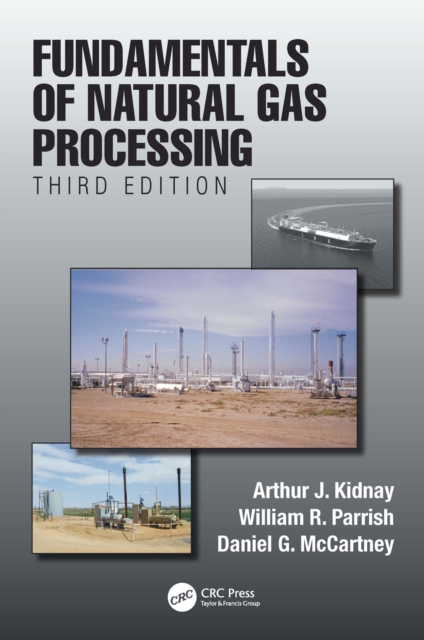
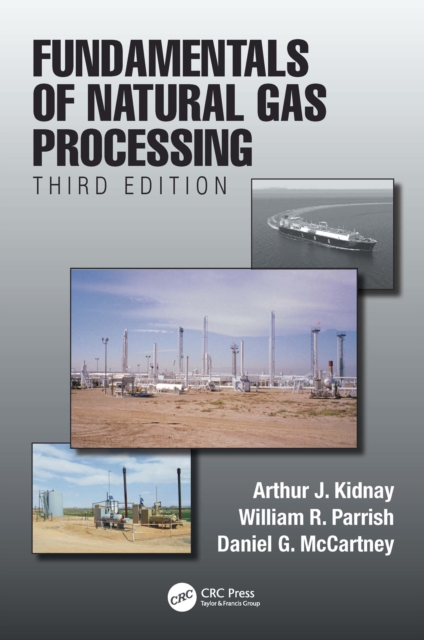
Offering indispensable insight from experts in the field, Fundamentals of Natural Gas Processing, Third Edition provides an introduction to the gas industry and the processes required to convert wellhead gas into valuable natural gas and hydrocarbon liquids products including LNG.
Offering indispensable insight from experts in the field, Fundamentals of Natural Gas Processing, Third Edition provides an introduction to the gas industry and the processes required to convert wellhead gas into valuable natural gas and hydrocarbon liquids products including LNG.
First published in 1999, this book focuses on the macroeconomics issues which directly affect OPEC countries, aiming to set them in the context of the overall development effort.
First published in 1999, this book focuses on the macroeconomics issues which directly affect OPEC countries, aiming to set them in the context of the overall development effort.
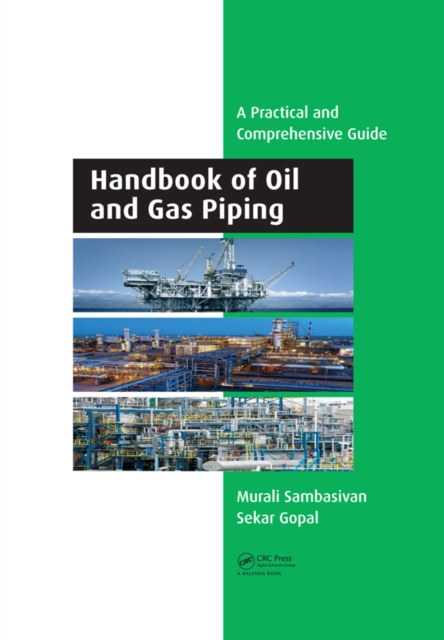
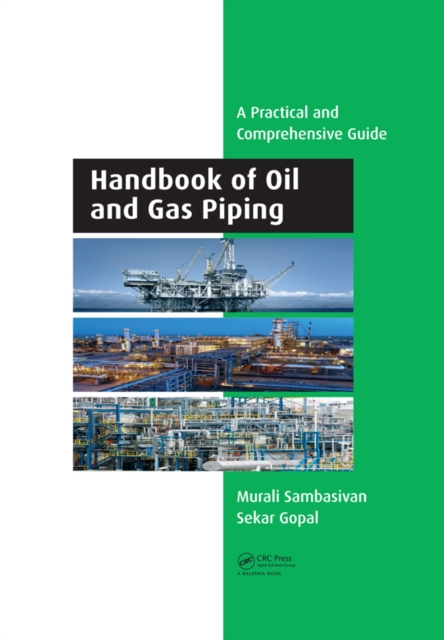
The objective of this practical oil and gas piping handbook is to facilitate project management teams of oil and gas piping related construction projects to understand the key requirements of the discipline and to equip them with the necessary knowledge and protocol.
The objective of this practical oil and gas piping handbook is to facilitate project management teams of oil and gas piping related construction projects to understand the key requirements of the discipline and to equip them with the necessary knowledge and protocol.
First published in 1999, this volume focuses on the impact of democratic bargaining on the process of oil policy-making in Venezuela, stressing the constraints posed by politics on PVDSA's efforts to expand its foreign operations.
First published in 1999, this volume focuses on the impact of democratic bargaining on the process of oil policy-making in Venezuela, stressing the constraints posed by politics on PVDSA's efforts to expand its foreign operations.
This book is a major contribution to our understanding of the Gulf Emirates, illuminating many aspects of the socio-economic forces and processes operating on and in the region.
The regime under which humankind has governed its uses of the ocean is in the process of change-shifting away from the traditional freedom of the seas toward a a mixeda system in which most of the valuable near-shore resources come under coastal jurisdiction.
Ranked twelfth in world oil production, Indonesia is already an important supplier of oil to Japan, and may become an increasingly important supplier to the United States.
Established in 1977, the Middle East Contemporary Survey (MECS), a unique annual record of political developments in the Middle East, is acknowledged as the standard reference work on events and trends in the region.
The production and consumption of oil has emerged as a major factor in international economics in general and in regional and national development in particular.
This book is the product of a multinational project, sponsored by the Middle East Institute of Columbia University in cooperation with the World Peace Foundation (Boston), the Atlantic Institute for International Affairs (Paris), and the Asia-Pacific Association of Japan (Tokyo).
Beginning from the premise that Mexico's economic strength will depend largely on its ability to produce, manage, and export energy, energy experts in this book analyze energy planning in Mexico in the 1970s and possible strategies for the future.
This book provides two case studies that demonstrate the use of systems analysis to forecast the often far-reaching consequences of government policies and economic development for the social relations and cultural values of different communities.
In comparing the degree of efficiency in energy production and the uses to which energy resources are allocated in Mexico with those in other countries, this book addresses three basic questions: What are the major reasons for differences in energy efficiency between industrial economies and a newly industrializing country like Mexico?
The regime under which humankind has governed its uses of the ocean is in the process of change-shifting away from the traditional freedom of the seas toward a a mixeda system in which most of the valuable near-shore resources come under coastal jurisdiction.
Ranked twelfth in world oil production, Indonesia is already an important supplier of oil to Japan, and may become an increasingly important supplier to the United States.
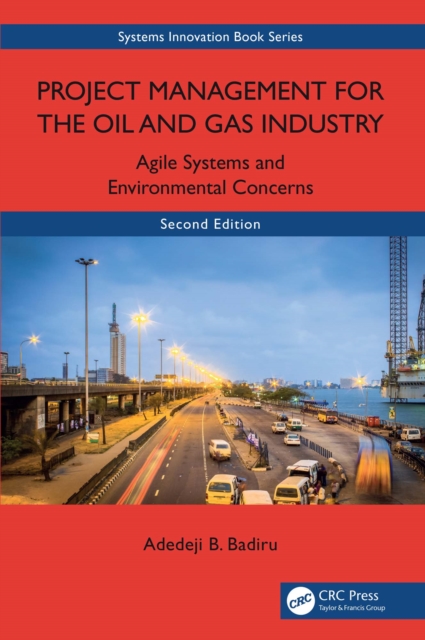
A lot of managerial finessing is needed to handle the present era of the operations of the oil and gas industry, under the pressure of environmental issues.
This book is a major contribution to our understanding of the Gulf Emirates, illuminating many aspects of the socio-economic forces and processes operating on and in the region.
Established in 1977, the Middle East Contemporary Survey (MECS), a unique annual record of political developments in the Middle East, is acknowledged as the standard reference work on events and trends in the region.
The production and consumption of oil has emerged as a major factor in international economics in general and in regional and national development in particular.
This book is the product of a multinational project, sponsored by the Middle East Institute of Columbia University in cooperation with the World Peace Foundation (Boston), the Atlantic Institute for International Affairs (Paris), and the Asia-Pacific Association of Japan (Tokyo).