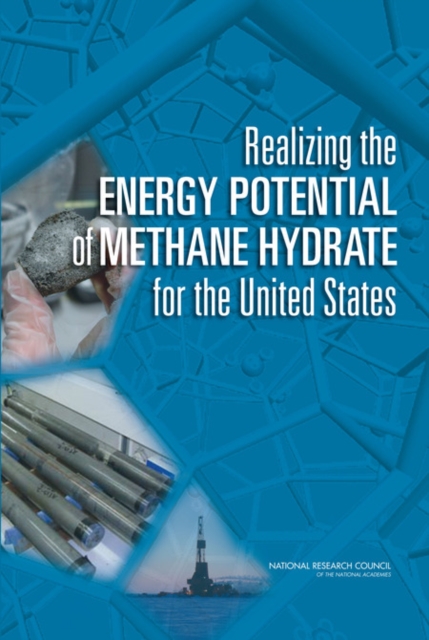
Natural gas, composed mostly of methane, is the cleanest of all the fossil fuels, emitting 25-50% less carbon dioxide than either oil or coal for each unit of energy produced.
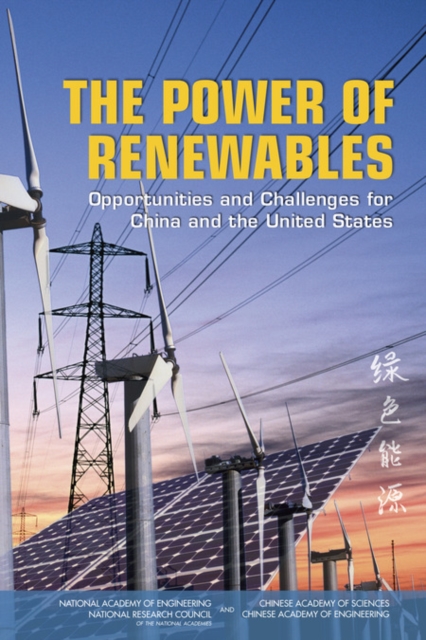
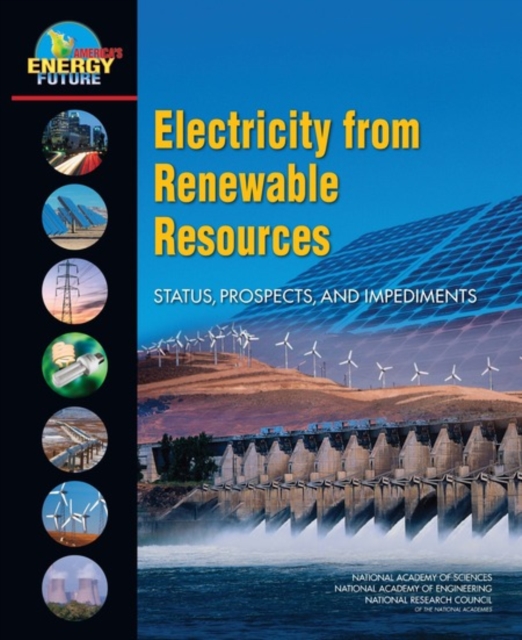
A component in the America's Energy Future study, Electricity from Renewable Resources examines the technical potential for electric power generation with alternative sources such as wind, solar-photovoltaic, geothermal, solar-thermal, hydroelectric, and other renewable sources.
The 21st Century Truck Partnership (21CTP), a cooperative research and development partnership formed by four federal agencies with 15 industrial partners, was launched in the year 2000 with high hopes that it would dramatically advance the technologies used in trucks and buses, yielding a cleaner, safer, more efficient generation of vehicles.
The mission of Department of Homeland Security Bioterrorism Risk Assessment: A Call for Change, the book published in December 2008, is to independently and scientifically review the methodology that led to the 2006 Department of Homeland Security report, Bioterrorism Risk Assessment (BTRA) and provide a foundation for future updates.
An energy revolution is under way with far-reaching consequences for nations, companies, and the way we address climate change Low oil prices are sending shockwaves through the global economy, and longtime industry observer Dieter Helm explains how this and other shifts are the harbingers of a coming energy revolution and how the fossil fuel age will come to an end.
While everyone wants energy that is clean, cheap, and secure, these goals often conflict: traditional fossil fuels tend to be cheaper than alternative fuels, but they are hardly clean or (in the case of oil) secure.
Nuclear Reactions explores the nuclear consensus that emerged in postWorld War II America, characterized by widespread support for a diplomatic and military strategy based on nuclear weapons and a vision of economic growth that welcomed nuclear energy both for the generation of electricity and for other peaceful and industrial uses.
Outstanding Title by Choice MagazineOn the banks of the Pacific Northwests greatest river lies the Hanford nuclear reservation, an industrial site that appears to be at odds with the surrounding vineyards and desert.
A comprehensive political analysis of the rapid growth in renewable wind and solar power, mapping an energy transition through theory, case studies, and policy.
A comprehensive, coherent strategy for modernizing America''s electricity infrastructure while ensuring affordable, reliable, secure, and environmentally sustainable electricity services.
The economic and political aspects of energy subsidies, viewed both theoretically and empirically, with a focus on fossil fuel subsidies in developing nations.
An objective, comprehensive, and accessible examination of today''s most crucial problem: preserving the environment in the face of society''s insatiable demand for energy.
An innovative analysis that shows how the shift to solar energy—in particular, the use of photovoltaic cells—is both economically advantageous and inevitable, and will rival the information and communication technologies revolution in its transformative effects.
Although there are many publications about energy efficiency policies and renewable energy policies, most of them are specific to some countries or regions.
Handbook of Energy Economics and Policy: Fundamentals and Applications for Engineers and Energy Planners presents energy engineers and managers with analytical skills and concepts that enable them to apply simple economic logic to understand the interrelations between energy technologies, economics, regulation and governance of the industry.
Classic Papers in Natural Resource Economics brings together a choice selection of some of the most enduring academic writing published in this field in a single volume.
With global demand for energy poised to increase by more than half in the next three decades, the supply of safe, reliable, and reasonably priced gas and oil will continue to be of fundamental importance to modern economies.
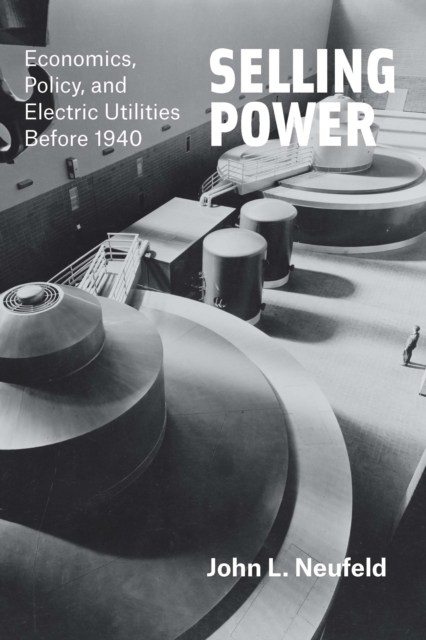
We remember Thomas Edison as the inventor of the incandescent light bulb, but he deserves credit for something much larger, an even more singular invention that profoundly changed the way the world works: the modern electric utility industry.
Inter-basin water transfers are complex human interventions on natural systems that can have profound adverse as well as beneficial social, economic and environmental implications.
In Offshore Software Development: Making It Work, hands-on managers of Offshore solutions help you answer these questions:What is Offshore and why is it an IT imperative?
The book is an edited collection of contributions by a distinguished international panel of academics on the main scientific, juridical, and economic aspects involved in the mitigation and adaptation processes imposed by climate change.
The United States is in the throes of two unfolding energy revolutions, and partisans--convinced that only their side holds the key to American prosperity, security, and safety--are battling over which one should prevail.
The United States is in the throes of two unfolding energy revolutions, and partisans--convinced that only their side holds the key to American prosperity, security, and safety--are battling over which one should prevail.
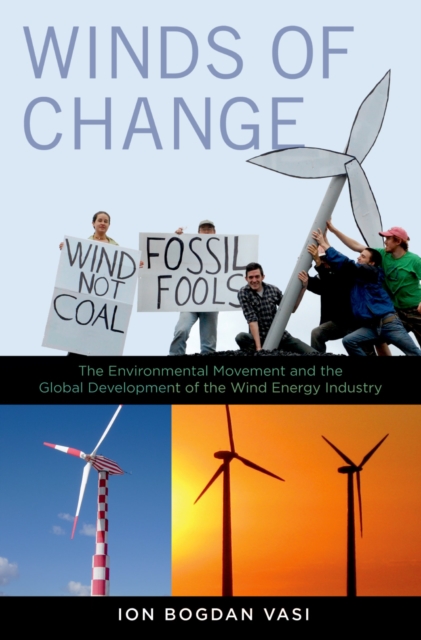
In recent decades the global wind energy industry has undergone explosive growth, and there is still vast potential for wind to supply more of the world's energy.