This book analyzes the competitive forces which dominate this major sector, and traces how the nature of competition has evolved during the last two hundred years.
This book analyzes the competitive forces which dominate this major sector, and traces how the nature of competition has evolved during the last two hundred years.
In a refreshingly accessible style John Weiss presents a survey of industrialization in developing countries since 1945, as well as a study of the predominant theories of industrial growth in the Third World.
In a refreshingly accessible style John Weiss presents a survey of industrialization in developing countries since 1945, as well as a study of the predominant theories of industrial growth in the Third World.
China is under close scrutiny both as a market that could provide massive returns to investors and because of its potential to become the most powerful economy in Asia.
China is under close scrutiny both as a market that could provide massive returns to investors and because of its potential to become the most powerful economy in Asia.
This book, and its companion, Technology, Competitiveness and the State, examine and evaluate Malaysian industrialization in terms of its experience of and prospects for industrial technology development.
This book, and its companion, Technology, Competitiveness and the State, examine and evaluate Malaysian industrialization in terms of its experience of and prospects for industrial technology development.
This book considers the concepts of organisational learning and the learning organisation, and critically examines their take up within the context of four contemporary work organisations in the European automotive sector.
This book considers the concepts of organisational learning and the learning organisation, and critically examines their take up within the context of four contemporary work organisations in the European automotive sector.
During the period of industrialisation in Japan from the 1870s to the 1930s, the textile industry was Japan's largest manufacturing industry, and the country's major source of export earnings.
During the period of industrialisation in Japan from the 1870s to the 1930s, the textile industry was Japan's largest manufacturing industry, and the country's major source of export earnings.
Considers the 'late industrialisation' of China, showing how government policies have encouraged the development of 120 'national champions' (akin to Japanese keiretsu and South Korean chaebol ), how these 'national champions' compete with multinational enterprises, and how China's rapid and successful 'late industrialisation' does not fit orthodox economic theories.
Considers the 'late industrialisation' of China, showing how government policies have encouraged the development of 120 'national champions' (akin to Japanese keiretsu and South Korean chaebol ), how these 'national champions' compete with multinational enterprises, and how China's rapid and successful 'late industrialisation' does not fit orthodox economic theories.
Yoshiro Miwa asks whether a state can correct market failures and in particular critically analyses the performance of the Japanese economy as a result of state intervention within it.
Yoshiro Miwa asks whether a state can correct market failures and in particular critically analyses the performance of the Japanese economy as a result of state intervention within it.
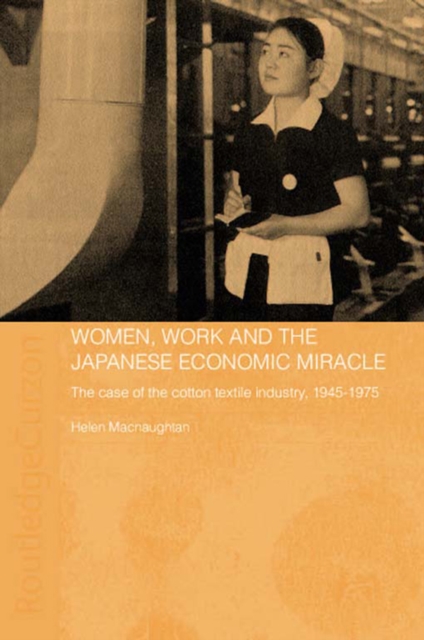
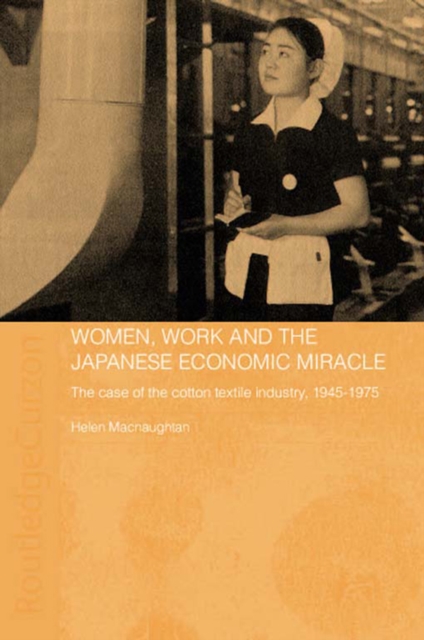
This book shows how, during the period of the Japanese economic miracle, a distinctive female employment system was developed alongside, and different from, the better known Japanese employment system which was applied to male employees.
This book shows how, during the period of the Japanese economic miracle, a distinctive female employment system was developed alongside, and different from, the better known Japanese employment system which was applied to male employees.
Effective planning and control of manufacturing operations allows businesses to achieve maximum profitability by reducing uncertainty at all stages of the manufacturing process.
Effective planning and control of manufacturing operations allows businesses to achieve maximum profitability by reducing uncertainty at all stages of the manufacturing process.
This new book investigates how the relationships of international business networks (one buyer-multiple suppliers) develop over time, looking at the geographical angle as well as an actor composition point of view.
This new book investigates how the relationships of international business networks (one buyer-multiple suppliers) develop over time, looking at the geographical angle as well as an actor composition point of view.