Television can be imagined in a number of ways: as a profuse flow of images, as a machine that produces new social relationships, as the last lingering gasp of Western metaphysical thinking, as a stuttering relay system of almost anonymous messages, as a fantastic construction of time.
Carefully documenting the deceptions and excesses of television news coverage of the so-called cocaine epidemic, Cracked Coverage stands as a bold indictment of the backlash politics of the Reagan coalition and its implicit racism, the mercenary outlook of the drug control establishment, and the enterprising reporting of crusading journalism.
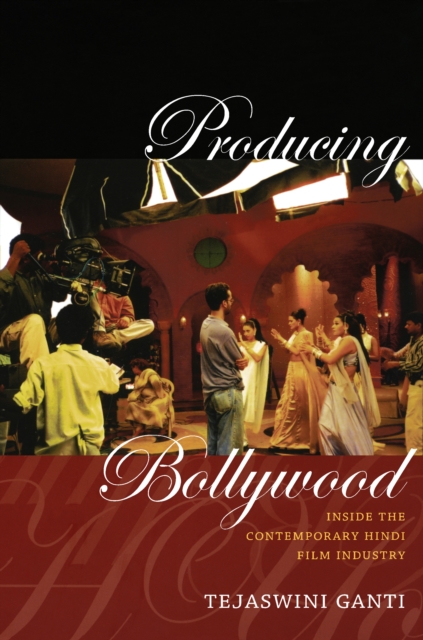
Producing Bollywood offers an unprecedented look inside the social and professional worlds of the Mumbai-based Hindi film industry and explains how it became "e;Bollywood,"e; the global film phenomenon and potent symbol of India as a rising economic powerhouse.
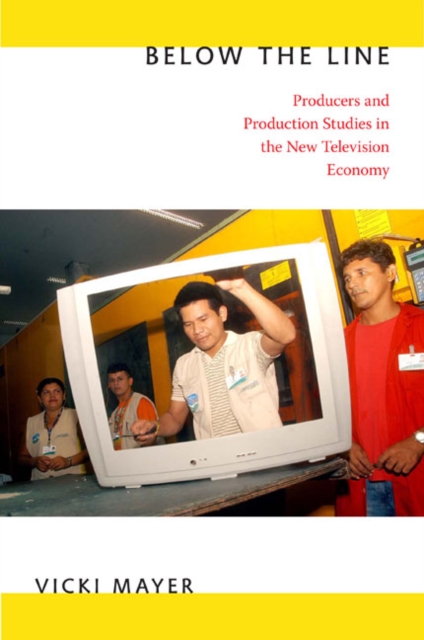
Below the Line illuminates the hidden labor of people who not only produce things that the television industry needs, such as a bit of content or a policy sound bite, but also produce themselves in the service of capital expansion.
In Scripted Affects, Branded Selves, Gabriella Lukacs analyzes the development of a new primetime serial called "e;trendy drama"e; as the Japanese television industry's ingenious response to market fragmentation.
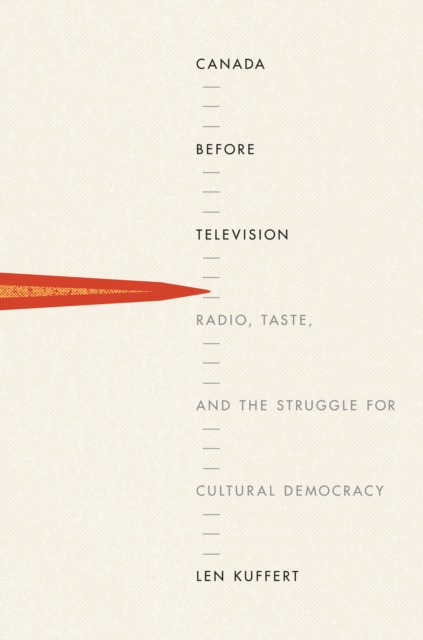
The golden age of radio is often recalled as a time when the medium unified the nation, when families gathered around the radios in homes across the country to listen to live, commercially sponsored network broadcasts.
The Creature from the Black Lagoon, the Tingler, the Mole People-they stalked and oozed into audiences' minds during the era that followed Boris Karloff's Frankenstein and preceded terrors like Freddy Krueger (A Nightmare on Elm Street) and Chucky (Child's Play).
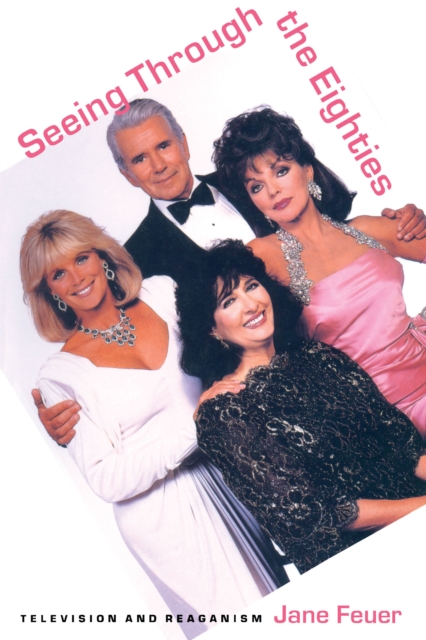
The 1980s saw the rise of Ronald Reagan and the New Right in American politics, the popularity of programs such as thirtysomething and Dynasty on network television, and the increasingly widespread use of VCRs, cable TV, and remote control in American living rooms.
Since the 1970s, American society has provided especially fertile ground for the growth of the Christian right and its influence on both political and cultural discourse.
In The End of Japanese Cinema Alexander Zahlten moves film theory beyond the confines of film itself, attending to the emergence of new kinds of aesthetics, politics, temporalities, and understandings of film and media.
Since 1999, South Korean films have dominated roughly 40 to 60 percent of the Korean domestic box-office, matching or even surpassing Hollywood films in popularity.
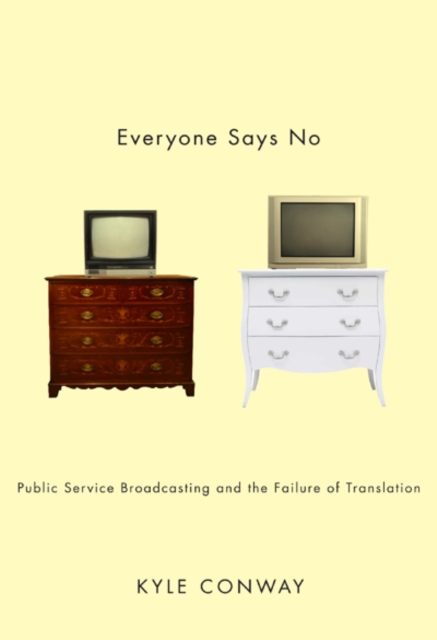
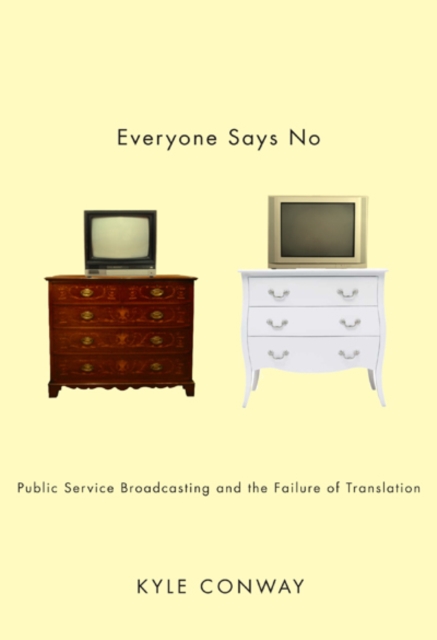
Focusing on the English- and French-language networks of the Canadian Broadcasting Corporation, Kyle Conway draws on the CBC/Radio Canada rich print and video archive as well as journalists' accounts of their reporting to revisit the story of the accords and the furor they stirred in both French and English Canada.
Focusing on the English- and French-language networks of the Canadian Broadcasting Corporation, Kyle Conway draws on the CBC/Radio Canada rich print and video archive as well as journalists' accounts of their reporting to revisit the story of the accords and the furor they stirred in both French and English Canada.
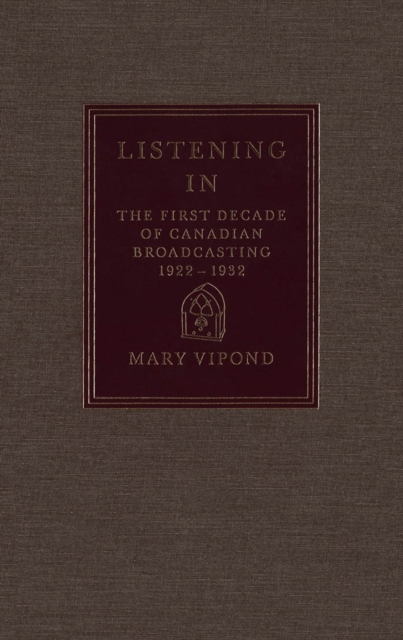
Mary Vipond's approach is based on the idea that the development of radio broadcasting was a process that involved equipment manufacturers, broadcasters, and "e;audiences/customers.
The Lives Less Ordinary series brings you the most exciting, adventurous and entertaining true-life writing that is out there, for men who are time-poor but want the best.
This is a major new assessment of the American movie industry in the 1990's, focusing on the development of new communication technologies such as cable and home video and examining their impact on the production and distribution of motion pictures.
El atraso cultural y político heredado por las colonias españolas debido a la incorporación tardía de España a la modernidad, su impermeabilidad a la gran revolución industrial en el resto de Europa y su forma de gobierno aun de carácter feudal, produjo en los colonizados una sensación de inferioridad, menosprecio y poca valoración de lo local al compararse con los individuos y ambientes "modernos, cultos y avanzados" de otras latitudes y coloniajes, sensación que permanecería vigente hasta las primeras dos décadas del siglo XX.
Classic film noir was Hollywood's 'dark cinema' of crime and corruption; a genre underpinned by a tone of existential cynicism which stripped bare the myth of the American Dream and offered a bleak, nightmarish vision of a fragmented society that rhymed with many of the social realities of forties and fifties America.
A formidable new generation of American film-makers are currently in their prime: Paul Thomas Anderson, Alexander Payne, Sofia Coppola, David Fincher, Spike Jonze, Wes Anderson, to name but six.
Praise for The Billion Dollar BET "e;In a gripping narrative that is both inspirational and cautionary, Brett Pulley tells us how Robert Johnson built Black Entertainment Television into a billion-dollar media empire.
An inside look at a cable titan and his industry John Malone, hailed as one of the great unsung heroes of our age by some and reviled by others as a ruthless robber baron, is revealed as a bit of both in Cable Cowboy.
This book reflects critically on issues of diversity, access, and the expansion of digital technologies in audio-visual industries, particularly in terms of economics and policies.
This book reflects critically on issues of diversity, access, and the expansion of digital technologies in audio-visual industries, particularly in terms of economics and policies.
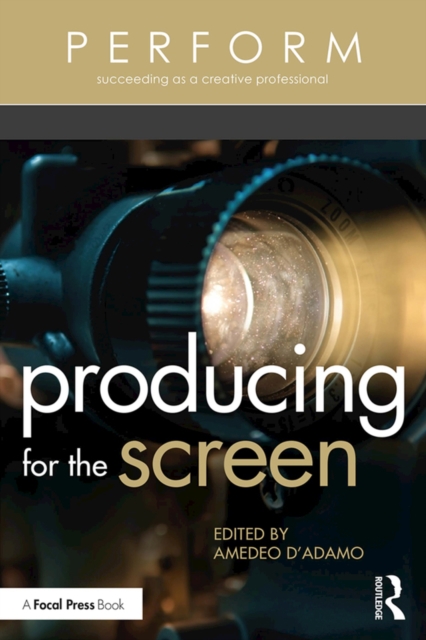
Producing for the Screen is a collection of essays written by and interviews with working producers, directors, writers, and professors, exploring the business side of producing for film and television.
Producing for the Screen is a collection of essays written by and interviews with working producers, directors, writers, and professors, exploring the business side of producing for film and television.