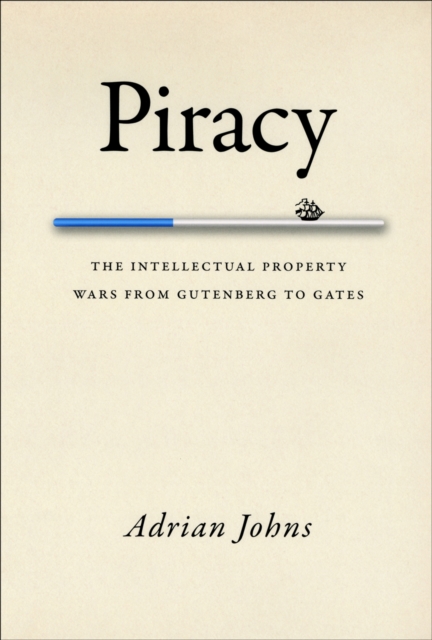
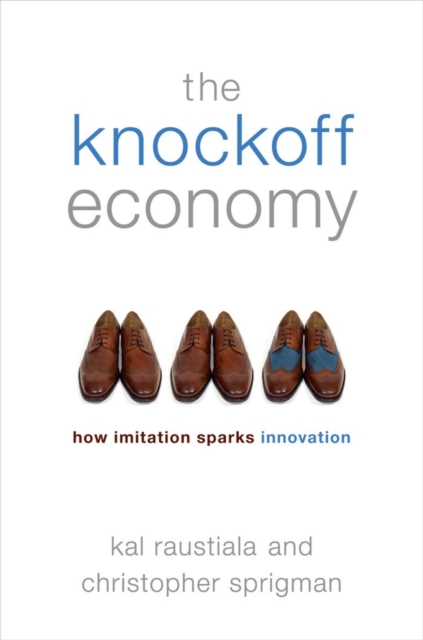
Since the rise of Napster and other file-sharing services in its wake, most of us have assumed that intellectual piracy is a product of the digital age and that it threatens creative expression as never before.
From drones to wearable technology to Hyperloop pods that can potentially travel more than seven hundred miles per hour, we're fascinated with new products and technologies that seem to come straight out of science fiction.
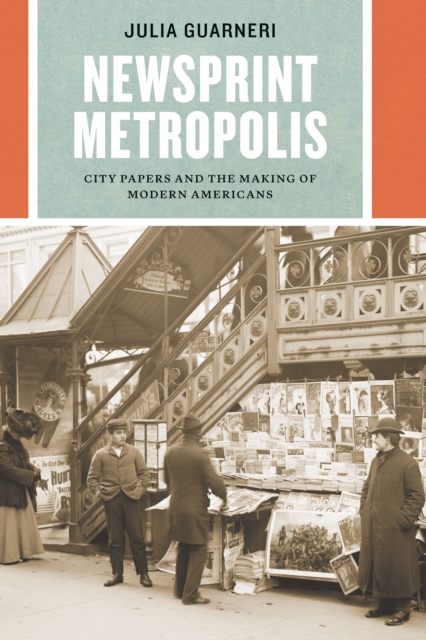
At the turn of the twentieth century, ambitious publishers like Joseph Pulitzer, William Randolph Hearst, and Robert McCormick produced the most spectacular newspapers Americans had ever read.
In 2005, photographer Chris Hondros captured a striking image of a young Iraqi girl in the aftermath of the killing of her parents by American soldiers.
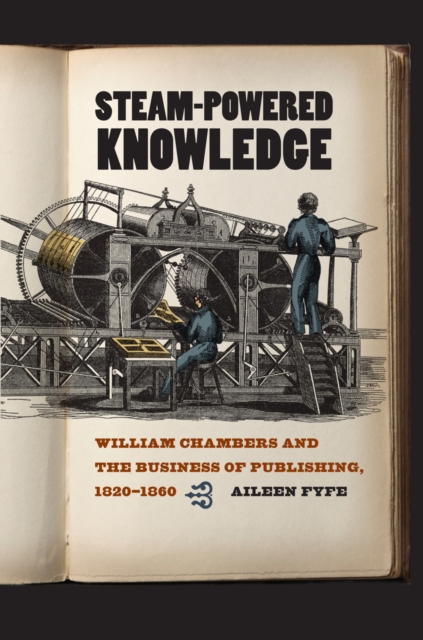
With the overwhelming amount of new information that bombards us each day, it is perhaps difficult to imagine a time when the widespread availability of the printed word was a novelty.
Making "e;Nature"e; is the first book to chronicle the foundation and development of Nature, one of the world's most influential scientific institutions.
Surveying the strategies employed by film studios to market and produce their most successful films between 1929 and present day, this book incorporates multilayered comprehensive analysis on the media industry and how it works.
This unique volume brings together academics of Russian journalism and media with journalists and editors who reported or continue to report on the country, to explore and reflect on the changing landscape for journalists in Russia or covering Russia, and the increasing control exerted by the government on independent journalists.
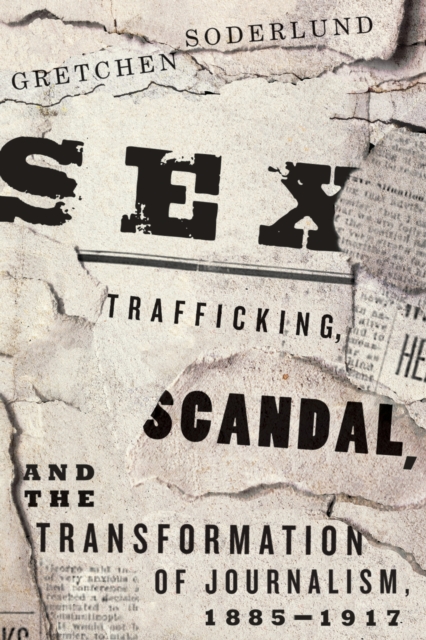
In Sex Trafficking, Scandal, and the Transformation of Journalism, Gretchen Soderlund offers a new way to understand sensationalism in both newspapers and reform movements.
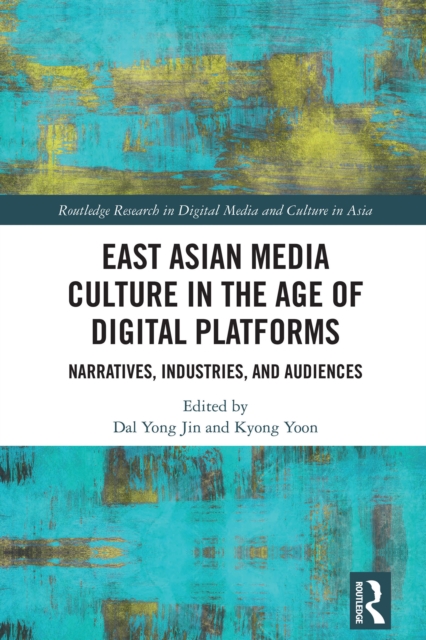
Focusing on the convergence of popular culture and digital platforms in the East Asian context, this book delves into the increasing role of East Asia, not only as the largest cultural market but also as one of the most rapidly developing cultural industries in the global platform economy.
From the National Book Award-winning author, an absorbing biography of the esteemed editor, publisher, power broker, and rival to William Randolph Hearst.
Bits and Atoms explores the governance potential found in the explosive growth of digital information and communication technology in areas of limited statehood.
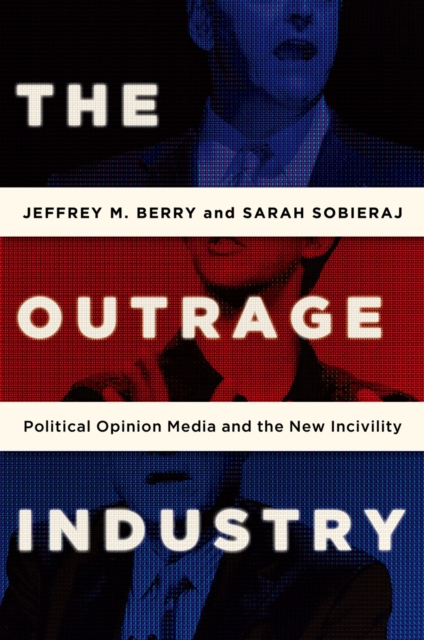
In early 2012, conservative radio host Rush Limbaugh claimed that Sandra Fluke, a Georgetown University law student who advocated for insurance coverage of contraceptives, "e;wants to be paid to have sex.
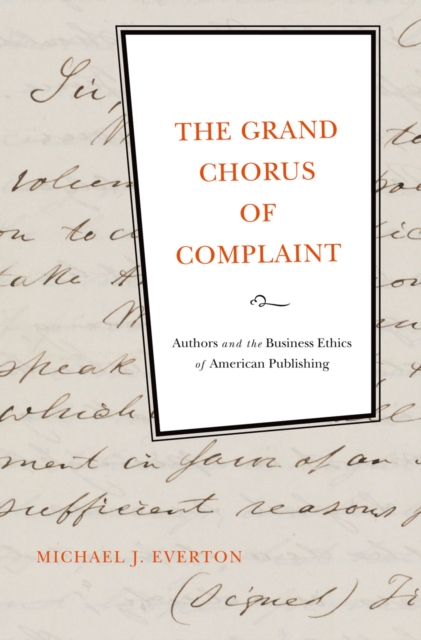
An engaging study of authorship, ethics, and book publishing in 18th- and 19th-century America, The Grand Chorus of Complaint considers the uneasy relationship between art and commerce with readings of correspondence, newspaper articles, and works by Thomas Paine, Herman Melville, and Fanny Fern.
The Art of Music Production is the first book to comprehensively analyze and describe the role of the music producer in creating successful music recordings.
A generation ago, "e;cyberspace"e; was just a term from science fiction, used to describe the nascent network of computers linking a few university labs.
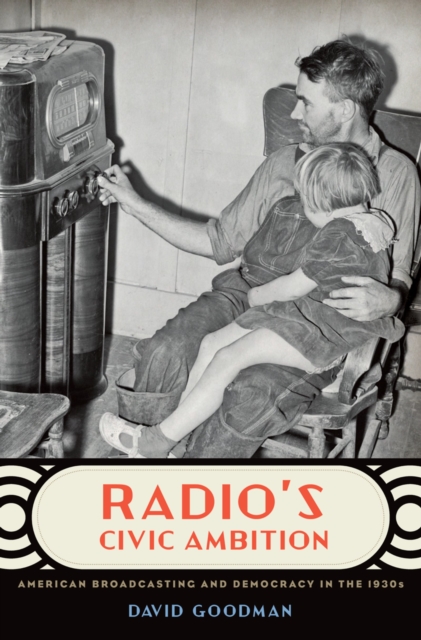
In its golden age, American radio both entertained and also fostered programs meant to produce self-governing and opinion-forming individuals, promoting openness to change and tolerance of diversity, familiarity with classical music, and knowledge of world affairs.