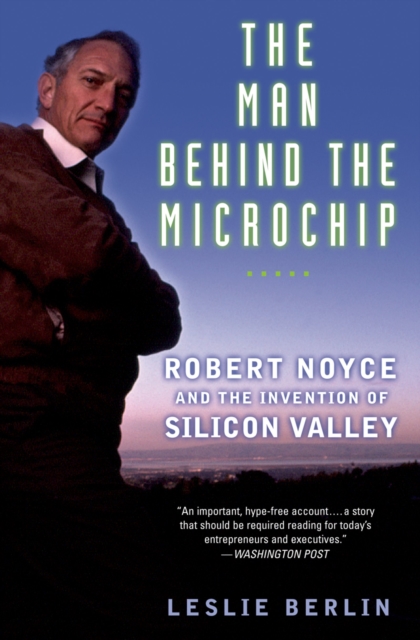
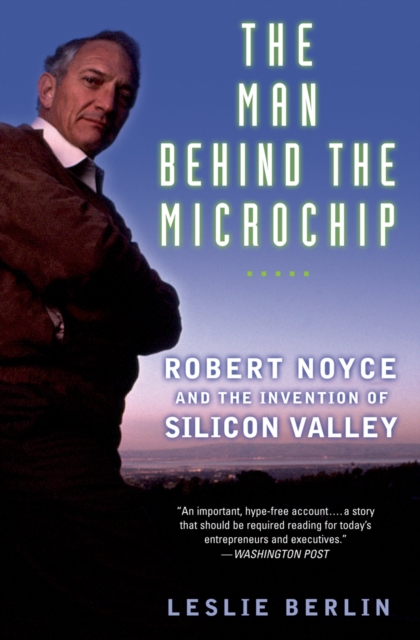
Hailed as the Thomas Edison and Henry Ford of Silicon Valley, Robert Noyce was a brilliant inventor, a leading entrepreneur, and a daring risk taker who piloted his own jets and skied mountains accessible only by helicopter.
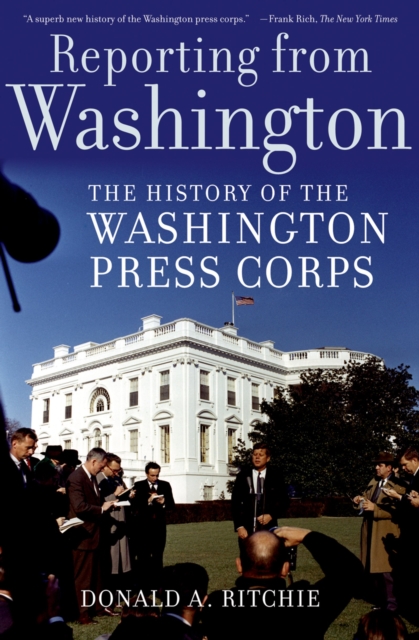
Donald Ritchie offers a vibrant chronicle of news coverage in our nation's capital, from the early days of radio and print reporting and the heyday of the wire services to the brave new world of the Internet.
An engaging study of authorship, ethics, and book publishing in 18th- and 19th-century America, The Grand Chorus of Complaint considers the uneasy relationship between art and commerce with readings of correspondence, newspaper articles, and works by Thomas Paine, Herman Melville, and Fanny Fern.
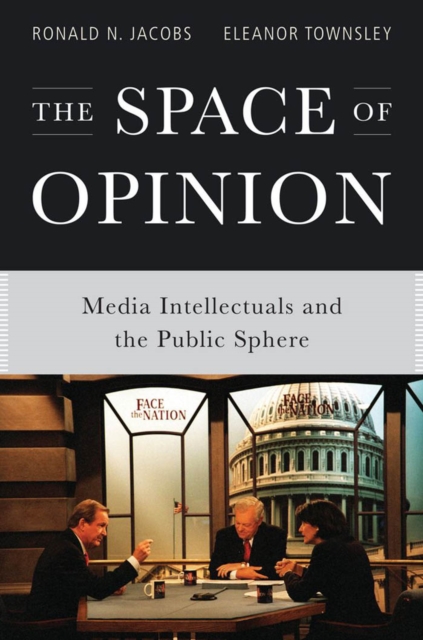
Fox News, MSNBC, The New York Times, The Wall Street Journal, The Rush Limbaugh Show, National Public Radio--with so many options, where do people turn for news?
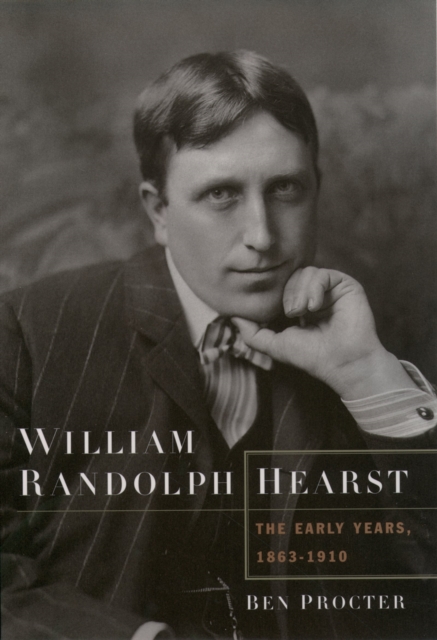
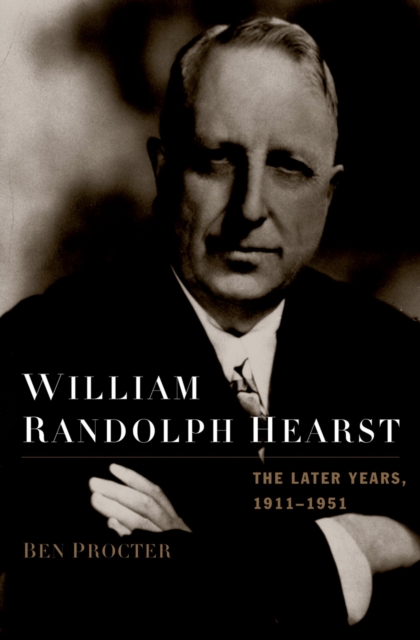
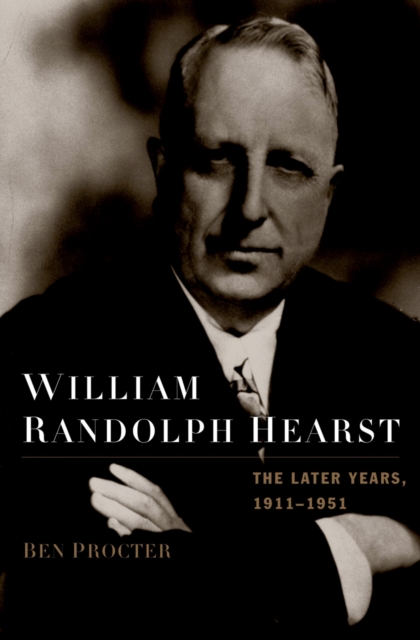
William Randolph Hearst was one of the most colorful and important figures of turn-of-the-century America, a man who changed the face of American journalism and whose influence extends to the present day.
Fox News, MSNBC, The New York Times, The Wall Street Journal, The Rush Limbaugh Show, National Public Radio--with so many options, where do people turn for news?
While the newspaper op-ed page, the Sunday morning political talk shows on television, and the evening cable-news television lineup have an obvious and growing influence in American politics and political communication, social scientists and media scholars tend to be broadly critical of the rise of organized punditry during the 20th century without ever providing a close empirical analysis.
Venetian music print culture of the mid-sixteenth century is presented here through a study of the Scotto press, one of the foremost dynastic music publishers of the Renaissance.
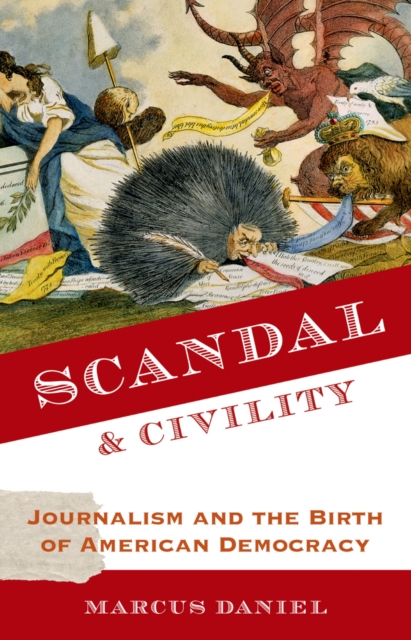
A new breed of journalists came to the fore in post-revolutionary America--fiercely partisan, highly ideological, and possessed of a bold sense of vocation and purpose as they entered the fray of political debate.
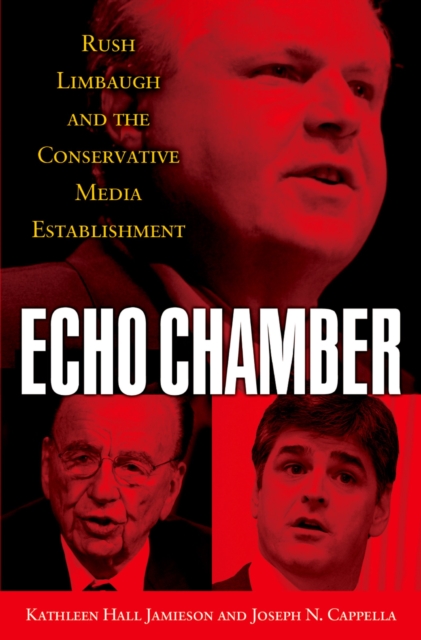
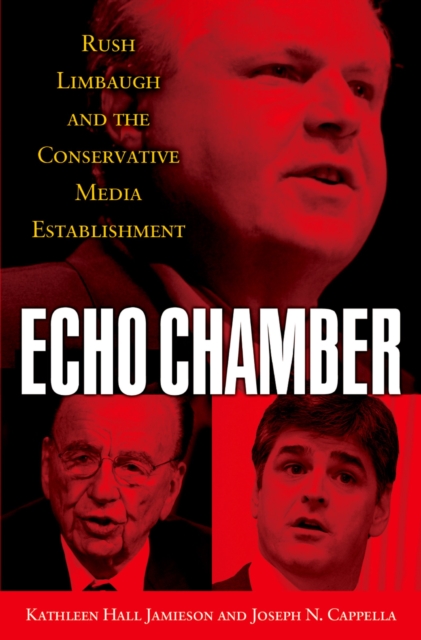
Kathleen Hall Jamieson and Joseph Cappella-two of the nation's foremost experts on politics and media-offers a searching analysis of the conservative media establishment, from talk radio to Fox News to the editorial page of The Wall Street Journal.
In this much anticipated sequel to the legal bestseller, The Future of Law, Susskind lays down a challenge to all lawyers to ask themselves, with their hands on their hearts, what elements of their current workload could be undertaken differently - more quickly, cheaply, efficiently, or to a higher quality - using alternative methods of working.
A new breed of journalists came to the fore in post-revolutionary America--fiercely partisan, highly ideological, and possessed of a bold sense of vocation and purpose as they entered the fray of political debate.
Kathleen Hall Jamieson and Joseph Cappella-two of the nation's foremost experts on politics and media-offers a searching analysis of the conservative media establishment, from talk radio to Fox News to the editorial page of The Wall Street Journal.
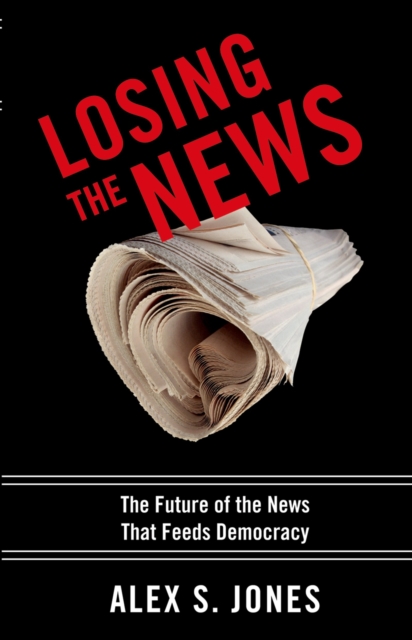
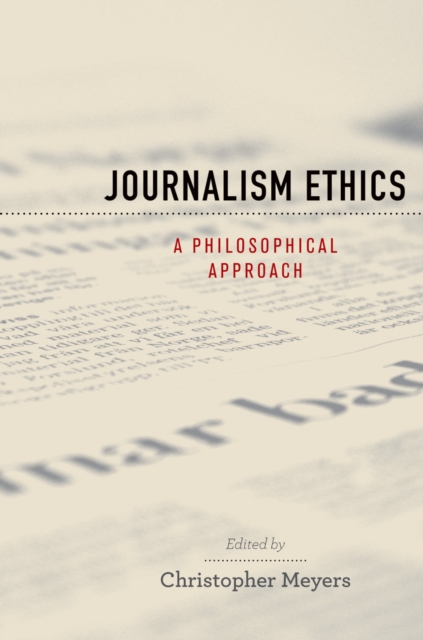
Since the introduction of radio and television news, journalism has gone through multiple transformations, but each time it has been sustained by a commitment to basic values and best practices.
A generation ago, "e;cyberspace"e; was just a term from science fiction, used to describe the nascent network of computers linking a few university labs.
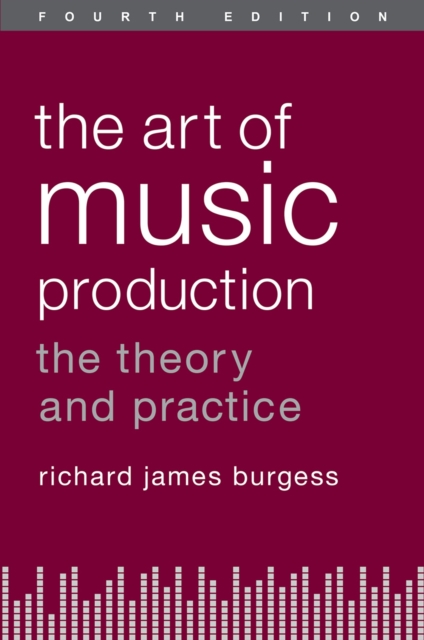
The Art of Music Production is the first book to comprehensively analyze and describe the role of the music producer in creating successful music recordings.
For twenty years an acclaimed correspondent on PBS's The News Hour with Jim Lehrer and the winner of two Emmys and two Peabody Awards (the latter two for her coverage of Africa), Charlayne Hunter-Gault was until recently the Johannesburg Bureau Chief for CNN.
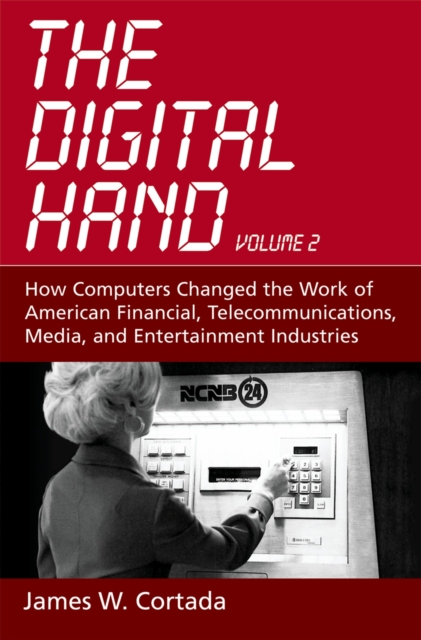
The Digital Hand, Volume 2, is a historical survey of how computers and telecommunications have been deployed in over a dozen industries in the financial, telecommunications, media and entertainment sectors over the past half century.
Hailed as the Thomas Edison and Henry Ford of Silicon Valley, Robert Noyce was a brilliant inventor, a leading entrepreneur, and a daring risk taker who piloted his own jets and skied mountains accessible only by helicopter.
According to virtually every business writer, we are in the midst of a new "e;information age,"e; one that will revolutionize how workers work, how companies compete, perhaps even how thinkers think.
In 1895, a 27-year-old journalist named William Allen White returned to his home town of Emporia, Kansas, to edit a little down-at-the-heels newspaper he had just purchased for $3,000.
This volume focuses on developments in the music business in the twentieth century, including vaudeville, music boxes, the relationship of Hollywood to the music business, the "e;fall and rise"e; of the record business in the 1930s, new technology (TV, FM, and the LP record) after World War II, the dominance of rock-and-roll and the huge increase in the music business during the 1950s and 1960s, and finally the changing music business scene from 1967 to the present, especially regarding government regulations, music licensing, and the record business.