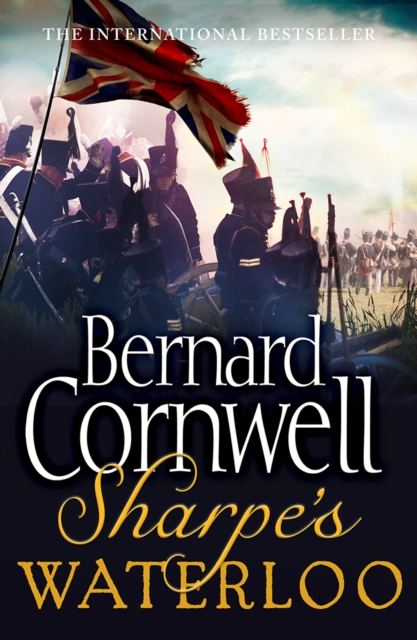
*SHARPE'S STORM, the brand new novel in the global bestselling series, is available to pre-order now*Lieutenant-Colonel Sharpe, sidelined on the Royal staff, magnificently siezes command at the final moment of the great victory.
*SHARPE'S STORM, the brand new novel in the global bestselling series, is available to pre-order now*Richard Sharpe triumphs in the last battle of the war, only to find himself in worse peril when charged to recover Napoleon's treasure.
*SHARPE'S STORM, the brand new novel in the global bestselling series, is available to pre-order now*A small British army is stranded when the French invade northern Portugal and Lieutenant Richard Sharpe meets the future Duke of Wellington.
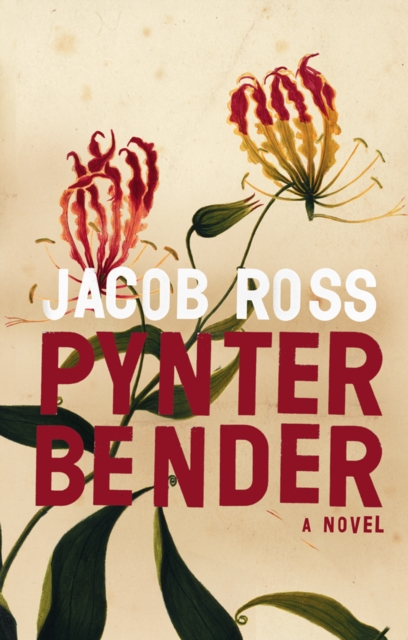
From the author of the internationally acclaimed, Whitbread Award-winning 'The Harmony Silk Factory' comes an enthralling new novel that evokes an exotic yet turbulent and often frightening world.
*SHARPE'S STORM, the brand new novel in the global bestselling series, is available for pre-order now*Sharpe's Tiger is the brilliant beginning of Sharpe's adventuresIndia, 1799The citadel of Seringapatam is under siege.
The forerunner to The Lord of the Rings, The Silmarillion tells the earlier history of Middle-earth, recounting the events of the First and Second Ages, and introducing some of the key characters, such as Galadriel, Elrond, Elendil and the Dark Lord, Sauron.
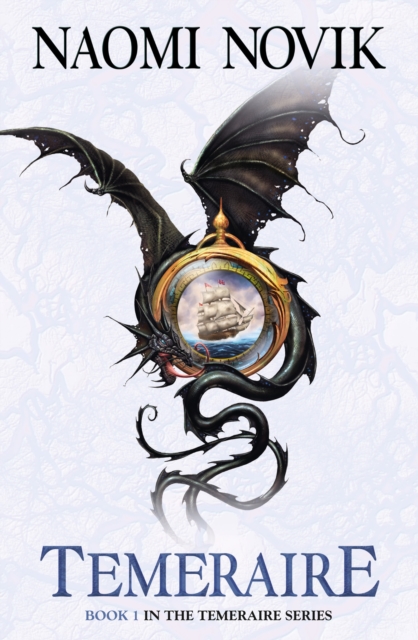
Naomi Novik's stunning series of novels follow the global adventures of Captain William Laurence and his fighting dragon Temeraire as they are thrown together to fight for Britain during the turbulent time of the Napoleonic Wars.
The novel that launched the astonishing career of one of the 20th century's greatest writers of action and suspense - an acclaimed classic of heroism and the sea in World War II.
A collection of riveting tales of the sea including the story that launched his writing career and the account of the epic battle to sink the German battle ship, Bismarck.
Discover the fate of the original black Magician, Pug, and his motley crew of agents who safeguard the world of Trigia, as prophecy becomes truth in the Midkemian trilogy.
A landmark work of fiction from one of Britain's most exciting new writers: The Harmony Silk Factory is a devastating love story set against the turmoil of mid-twentieth century Malaysia.
From the author of 'The Grafton Girls' comes the story of one Liverpool family preparing for the onslaught of World War Two, while trying not to fight among themselves.
The Liverpool-based World War II saga from the 'new Katie Flynn'When Sam Grey joins the ATS, and is posted to Liverpool she wants to show that she's as brave as any man, and when she doesn't get the chance her lively nature leads her into confrontation with her authoritarian boss.
The dramatic and little-known story of how, in the summer of 1920, Lenin came within a hair's breadth of shattering the painstakingly constructed Versailles peace settlement and spreading Bolshevism to western Europe.
A moving and gritty saga of loss, separation and finally hope, set in wartime BirminghamAgnes Sullivan is fifteen when her young brother Tom finds her drunk and crying in the lane near their farm.
*A brand new companion to the Last Kingdom series, Uhtred's Feast, is available to pre-order now*BBC2 and Netflix TV series THE LAST KINGDOM is based on Bernard Cornwell's bestselling novels on the making of England and the fate of his great hero, Uhtred of Bebbanburg.