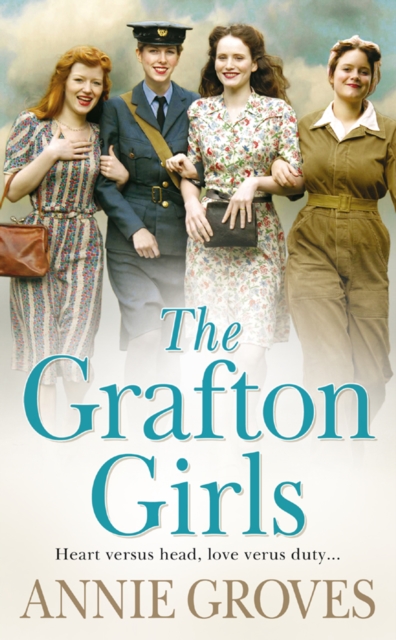
The new Liverpool-based World War Two saga from the author of Goodnight Sweetheart is a tale of four very different young women thrown together by war.
From internationally acclaimed and bestselling author Vincent Lam comes a superbly crafted, highly suspenseful, and deeply affecting novel set against the turmoil of the Vietnam War.
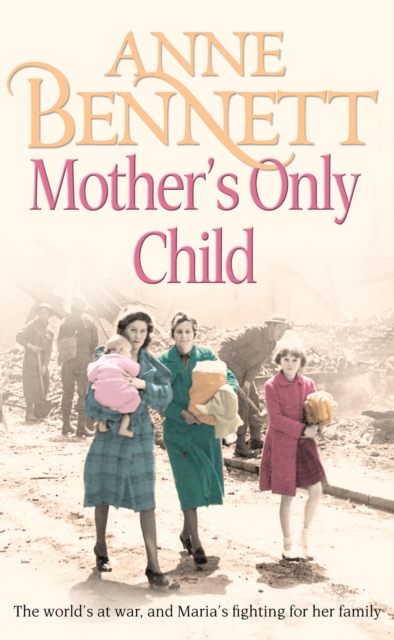
A powerful saga from the author of DAUGHTER OF MINE and DANNY BOY, in which a young girl is forced to give up her true love and marry for security - except that it leads her to danger and heartbreak before she finds happiness.
When British geologists discover the world's largest oil reserves under the desolate, icy tundra of Antarctica, Britain and Chile form a top-secret alliance for control of petroleum resources that will rival the economic power of OPEC.
WINNER OF THE ';FICTION BOOK OF THE YEAR' AT CRT 2021A deeply touching novel about two young women whose differences, which once united them, will tear them apart forever, during Hitler's Nazi occupation of Belgium and France.
This fascinating collection of stories, which continue the tales of The Lord of the Rings and The Silmarillion and contains an alternative version of The Children of Hurin.
A passionate tale, woven from personal stories of heroic betrayal and love, The Naqib's Daughter is based on historical characters, and set during Napoleon's campaign in Egypt.
Doris Lessing's first book after winning the Nobel Prize for Literature revisits her childhood in Southern Africa and the lives, both fictional and factual, that her parents led.
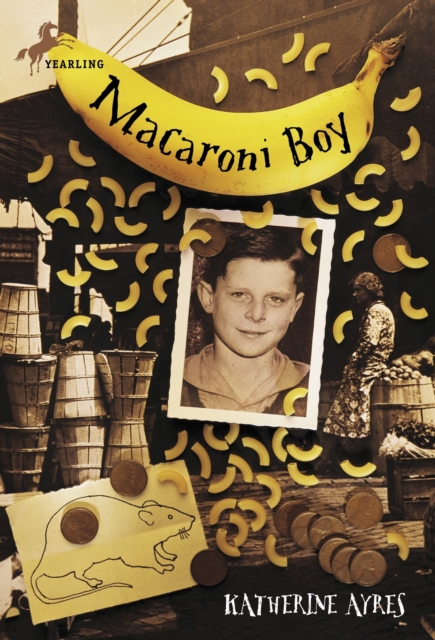
During the Great Depression, a boy who faces bullying stumbles upon a mystery and comes of age in this novel that integrates fact and opinion and has a rich 1930’s vocabulary.
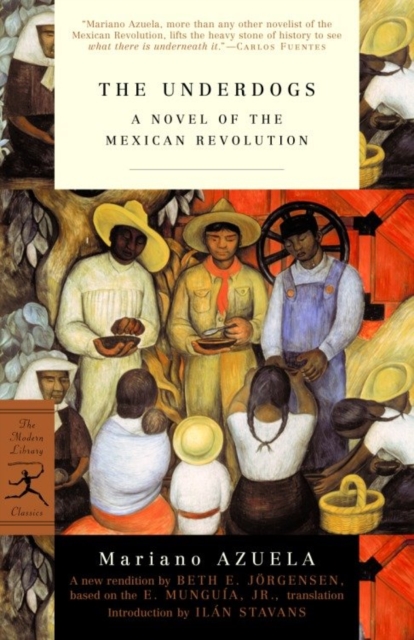
Hailed as the greatest novel of the Mexican Revolution,The Underdogsrecounts the story of an illiterate but charismatic Indian peasant farmer’s part in the rebellion against Porfirio Díaz, and his subsequent loss of belief in the cause when the revolutionary alliance becomes factionalized.
Yael Weiss, eighteen years old and looking for adventure, finds it in the library one day when she discovers a packet of guns meant for Erinyes, an Armenian organization set on avenging their people’s massacre by the Turks in 1915.
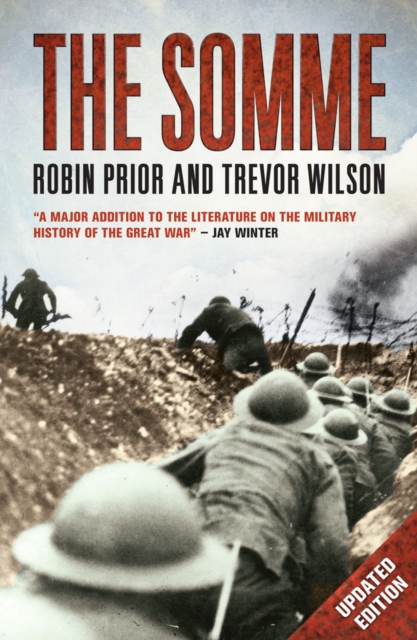
Published in a new edition on the centenary of the seismic battle, this book provides the definitive account of the Somme and assigns responsibility to military and political leaders for its catastrophic outcome.
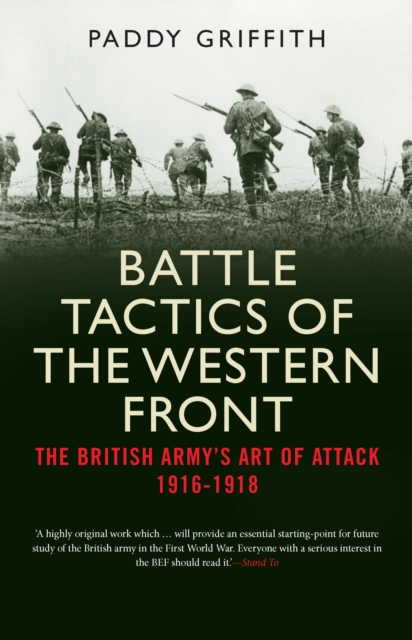
Historians have portrayed British participation in World War I as a series of tragic debacles, with lines of men mown down by machine guns, with untried new military technology, and incompetent generals who threw their troops into improvised and unsuccessful attacks.
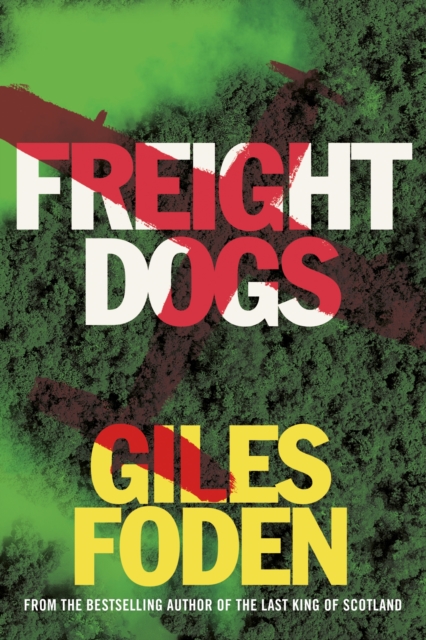
'Every new novel by Giles Foden is something to celebrate' Paul Theroux'An amazing and profound work, rich in memorable detail' Jay Parini'Foden has cleverly reworked the grand African adventure novel' Aminatta Forna, Guardian'A perceptive, compassionate history of an enormously complex conflict' Irish Times'Sharp and fast-paced.
LIQUIDATE PARIS shows the eruption of the Second World War in its most brutal and cruel phase, as allied troops advance upon Paris and the penal regiment retreat.
The bestselling novel about Napoleon's first loveOne of the most successful historical romances since GONE WITH THE WINDOver 20 million copies sold worldwideTo be young, in France, and in love: fourteen year old Desiree can't believe her good fortune.
How data gathered from national conscriptions in pre–World War I Europe influenced understandings of population fitness and redefined society as a collective body.
Longlisted for Fiction Book of the Year at The Saltires: Scotland's National Book Awards 2026A brand new crime series from the award-winning author of the Harry McCoy books'A notably original protagonist .