**SHORTLISTED FOR THE WALTER SCOTT PRIZE 2018**'A surprisingly touching account of hidden lives forced out of the shadows' Sunday TimesOne day in 1940 Rene Hargreaves walks out on her family and the city to take a position as a Land Girl at the remote Starlight farm.
'There is no poetry or romance in war, it is brutal and ugly and terrifying and it turns men into animals - shrieking, screaming and running while destroying all in their path.
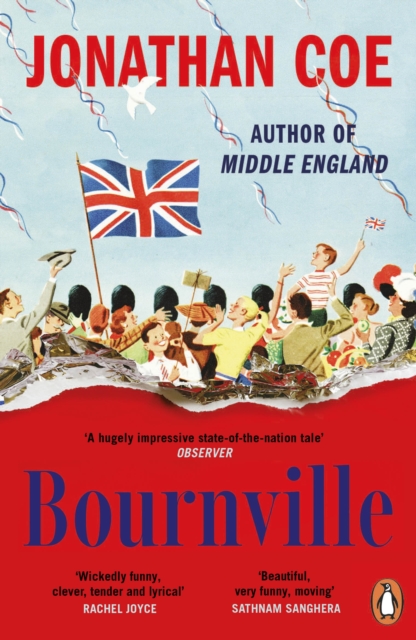
'A wickedly funny, clever, but also tender and lyrical novel about Britain and Britishness and what we have become' RACHEL JOYCEIn Bournville, a placid suburb of Birmingham, sits a famous chocolate factory.
Based on Mailer's own experience of military service in the Philippines during World War Two, The Naked and the Dead' is a graphically truthful and shattering portrayal of ordinary men in battle.
One of the first bestsellers in Germany after the Second World War, Berlin Finale is a breathtaking novel of resistance set against the downfall of the Third ReichApril 1945, the last days of the Nazi regime.
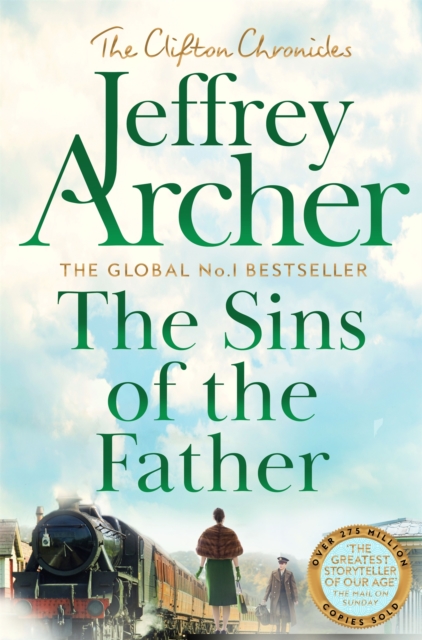
'If there were a Nobel Prize for storytelling, Archer would win' - The Daily TelegraphEngrossing and memorable, The Sins of the Father is the second novel in international bestseller Jeffrey Archer's celebrated the Clifton Chronicles.
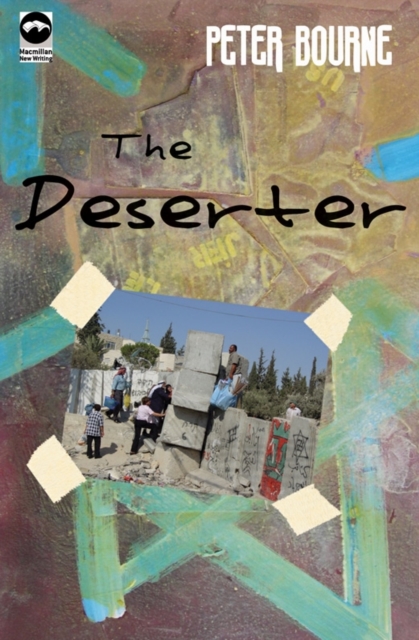
Powerful and sensitively told, The Deserter is the debut novel from Peter Bourne, exploring the complexities of family and political tensions within the Israeli-Palestinian conflict.
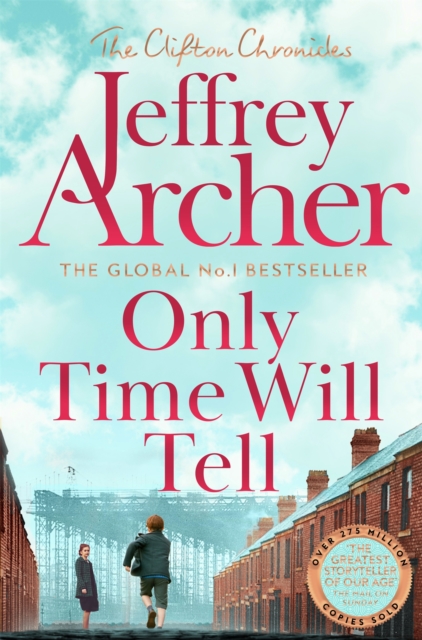
Ambitious and addictive, Only Time Will Tell is the first novel in Jeffrey Archer's The Clifton Chronicles, beginning the epic tale of Harry Clifton, a working-class boy from the docks of Bristol.
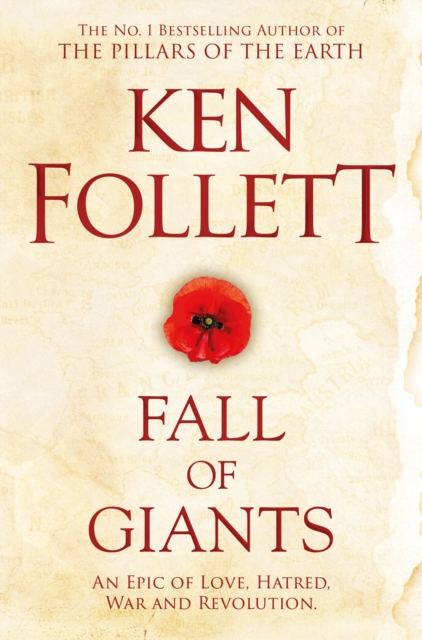
The first in Ken Follett's ground-breaking Century Trilogy, Fall of Giants is a captivating novel that follows five families through the world-shaking dramas of the First World War, the Russian Revolution, and the struggle for votes for women.
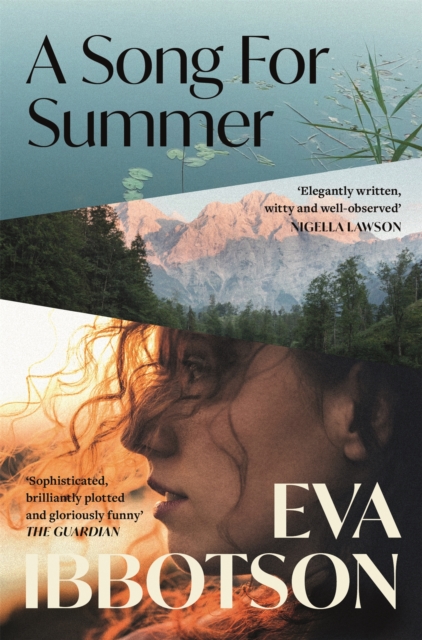
In A Song for Summer, bestselling award-winner Eva Ibbotson propels you into idyllic beautiful Austria and a love story set in the shadow of gathering war.
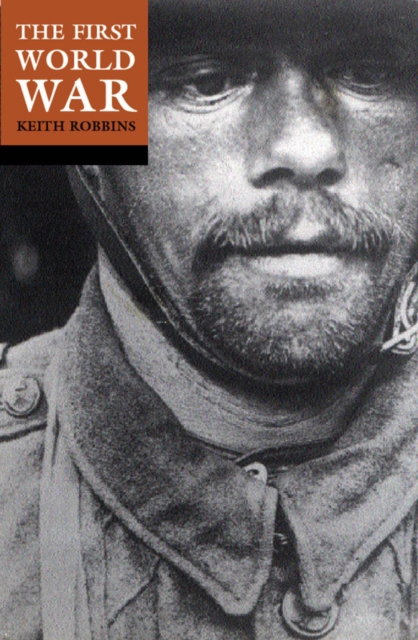
The tragic slaughter of the trenches is imprinted on modern memory; but it is more difficult to grasp the wider extent and significance of the First World War.
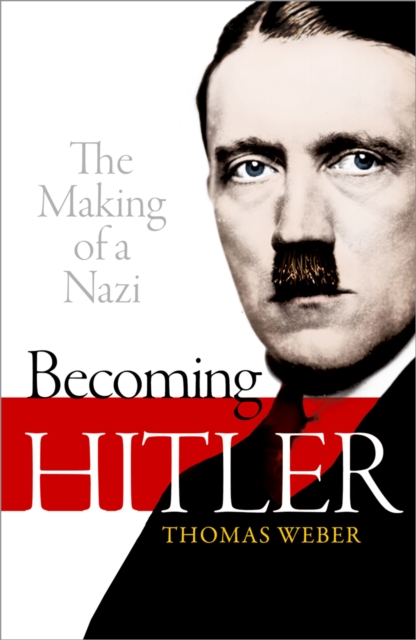
The story of the making of Adolf Hitler that we are all familiar with is the one Hitler himself wove in his 1924 trial, and then expanded upon in Mein Kampf.
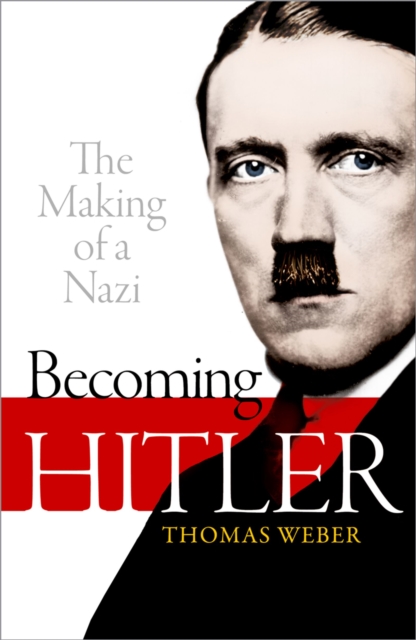
The story of the making of Adolf Hitler that we are all familiar with is the one Hitler himself wove in his 1924 trial, and then expanded upon in Mein Kampf.
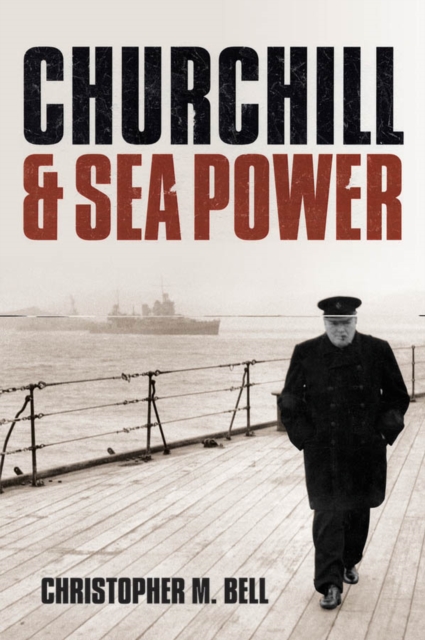
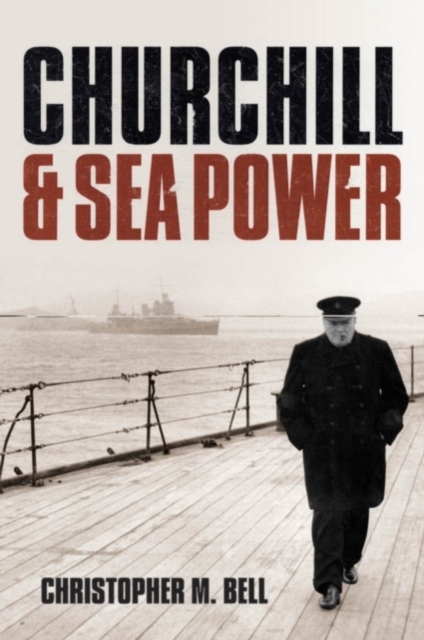
Winston Churchill had a longer and closer relationship with the Royal Navy than any British statesman in modern times, but his record as a naval strategist and custodian of the nation's sea power has been mired in controversy since the ill-fated Dardanelles campaign in 1915.
Winston Churchill had a longer and closer relationship with the Royal Navy than any British statesman in modern times, but his record as a naval strategist and custodian of the nation's sea power has been mired in controversy since the ill-fated Dardanelles campaign in 1915.
The night can sweat with terror as beforeWe pieced our thoughts into philosophy,And planned to bring the world under a rule,Who are but weasels fighting in a hole.
The Red Badge of Courage (1895) is a vivid psychological account of a young man's experience of fighting in the American Civil War, based on Crane's reading of popular descriptions of battle.
The Red Badge of Courage (1895) is a vivid psychological account of a young man's experience of fighting in the American Civil War, based on Crane's reading of popular descriptions of battle.
The night can sweat with terror as beforeWe pieced our thoughts into philosophy,And planned to bring the world under a rule,Who are but weasels fighting in a hole.
Culture in Camouflage aims to remap the history of British war culture by insisting on the centrality and importance of the literature of the Second World War.
The tragic slaughter of the trenches is imprinted on modern memory; but it is more difficult to grasp the wider extent and significance of the First World War.
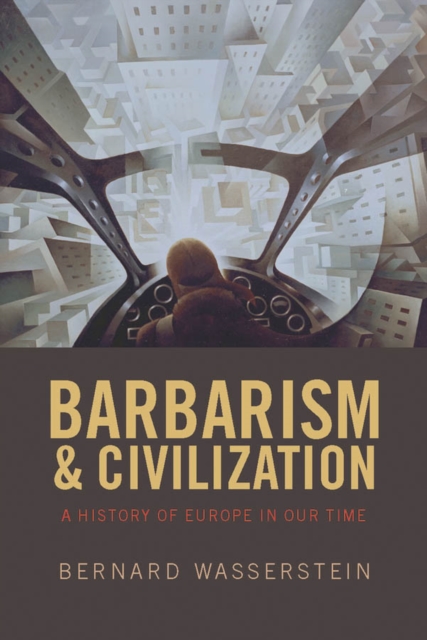
A concise introduction to European history between 1914 and 1945, this series of succinct interpretations written by leading scholars offers a new introduction to the period.
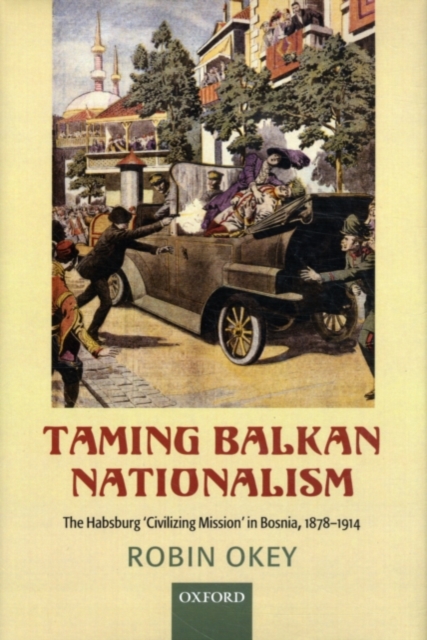
Concentrating on the politics of the Habsburg Monarchy's self-proclaimed 'cultural mission' in occupied Bosnia in the period from 1878 to the outbreak of war in 1914, Taming Balkan Nationalism addresses two related issues: the impact of 'Europeanization' in a backward society and the crystallization of the identities which have since dominated Bosnian life.
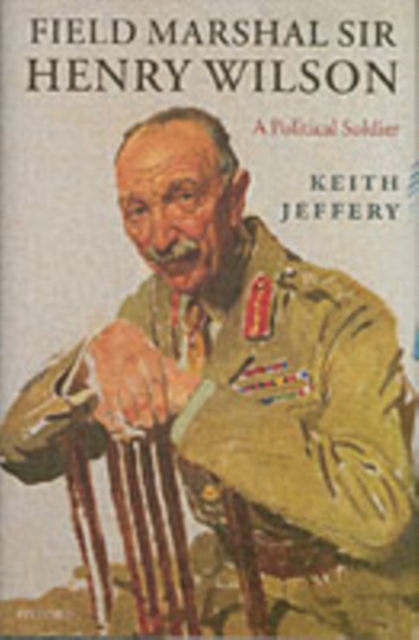
Field Marshal Sir Henry Wilson, an Irishman who in June 1922 was assassinated on his doorstep in London by Irish republicans, was one of the most controversial British soldiers of the modern age.
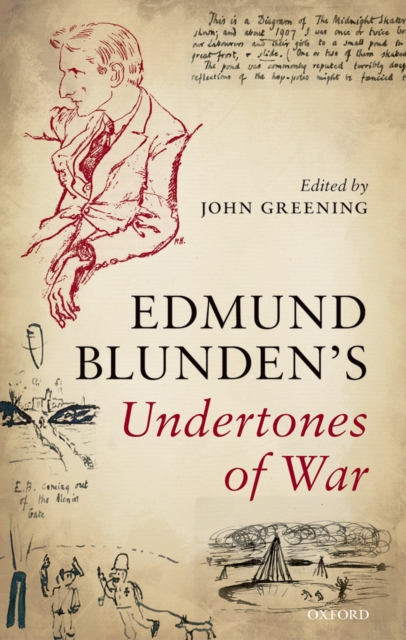
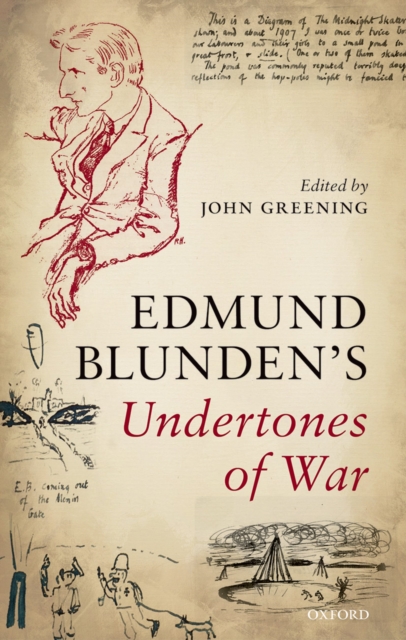
Edmund Blunden (1896-1974) was one of the youngest of the war poets, enlisting straight from school to find himself in some of the Western Front's most notorious hot-spots.
Edmund Blunden (1896-1974) was one of the youngest of the war poets, enlisting straight from school to find himself in some of the Western Front's most notorious hot-spots.