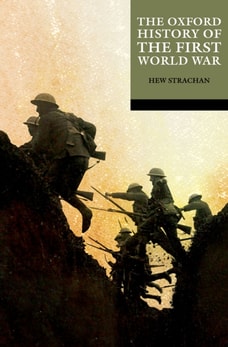
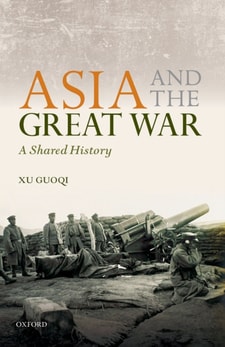
The First World War, now a century ago, still shapes the world in which we live, and its legacy lives on, in poetry, in prose, in collective memory and political culture.
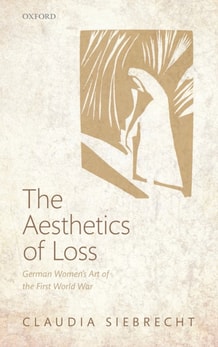
The Aesthetics of Loss is a cultural history of German women's art of the First World War that locates the artists' rich visual testimony in the context of the civilian experience of war and wartime loss.
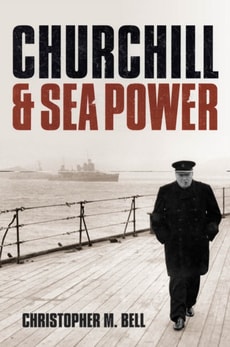
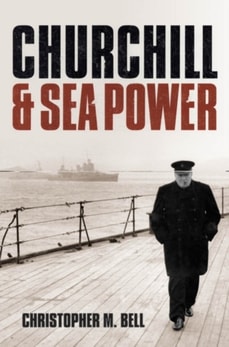
Winston Churchill had a longer and closer relationship with the Royal Navy than any British statesman in modern times, but his record as a naval strategist and custodian of the nation's sea power has been mired in controversy since the ill-fated Dardanelles campaign in 1915.
Winston Churchill had a longer and closer relationship with the Royal Navy than any British statesman in modern times, but his record as a naval strategist and custodian of the nation's sea power has been mired in controversy since the ill-fated Dardanelles campaign in 1915.
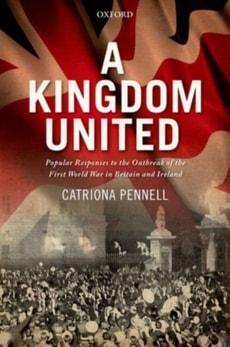
In this, the first fully documented study of British and Irish popular reactions to the outbreak of the First World War, Catriona Pennell explores UK public opinion of the time, successfully challenging post-war constructions of 'war enthusiasm' in the British case, and disengagement in the Irish.
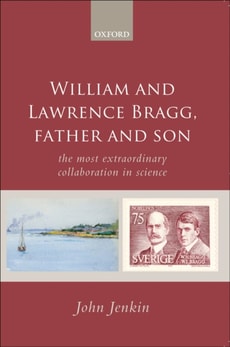
In 1912 Lawrence Bragg explained the interaction of X-rays with crystals, and he and his father, William thereby pioneered X-ray spectroscopy and X-ray crystallography.
The night can sweat with terror as beforeWe pieced our thoughts into philosophy,And planned to bring the world under a rule,Who are but weasels fighting in a hole.
Elizabeth Vandiver examines the ways in which British poets of the First World War used classical literature, culture, and history as a source of images, ideas, and even phrases for their own poetry.
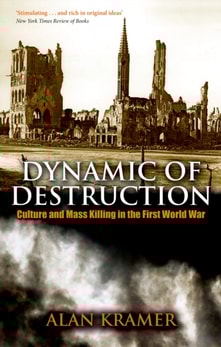
By the time the First World War ended in 1918, eight million people had died in what had been perhaps the most apocalyptic episode the world had known.
The German Empire was founded in January 1871 not only on the basis of Chancellor Otto von Bismarck's 'blood and iron' policy but also with the support of liberal nationalists.
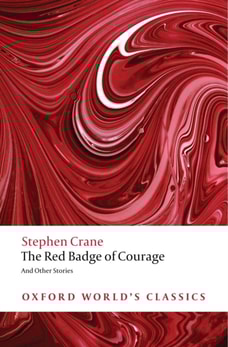
The Red Badge of Courage (1895) is a vivid psychological account of a young man's experience of fighting in the American Civil War, based on Crane's reading of popular descriptions of battle.
The Red Badge of Courage (1895) is a vivid psychological account of a young man's experience of fighting in the American Civil War, based on Crane's reading of popular descriptions of battle.
The night can sweat with terror as beforeWe pieced our thoughts into philosophy,And planned to bring the world under a rule,Who are but weasels fighting in a hole.
Elizabeth Vandiver examines the ways in which British poets of the First World War used classical literature, culture, and history as a source of images, ideas, and even phrases for their own poetry.
Culture in Camouflage aims to remap the history of British war culture by insisting on the centrality and importance of the literature of the Second World War.
The tragic slaughter of the trenches is imprinted on modern memory; but it is more difficult to grasp the wider extent and significance of the First World War.
The first volume to be published in the new 21st-Century Oxford Authors series presents all of the surviving writings of Isaac Rosenberg (1890-1918): poetry, plays, prose works, and letters.
The German Empire was founded in January 1871 not only on the basis of Chancellor Otto von Bismarck's 'blood and iron' policy but also with the support of liberal nationalists.
A concise introduction to European history between 1914 and 1945, this series of succinct interpretations written by leading scholars offers a new introduction to the period.
In 1912 Lawrence Bragg explained the interaction of X-rays with crystals, and he and his father, William thereby pioneered X-ray spectroscopy and X-ray crystallography.
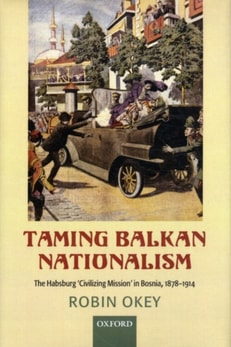
Concentrating on the politics of the Habsburg Monarchy's self-proclaimed 'cultural mission' in occupied Bosnia in the period from 1878 to the outbreak of war in 1914, Taming Balkan Nationalism addresses two related issues: the impact of 'Europeanization' in a backward society and the crystallization of the identities which have since dominated Bosnian life.
By the time the First World War ended in 1918, eight million people had died in what had been perhaps the most apocalyptic episode the world had known.
Field Marshal Sir Henry Wilson, an Irishman who in June 1922 was assassinated on his doorstep in London by Irish republicans, was one of the most controversial British soldiers of the modern age.
Vivid, succinct, and highly accessible, Heinrich Winkler's magisterial history of modern Germany offers the history of a nation and its people through two turbulent centuries.