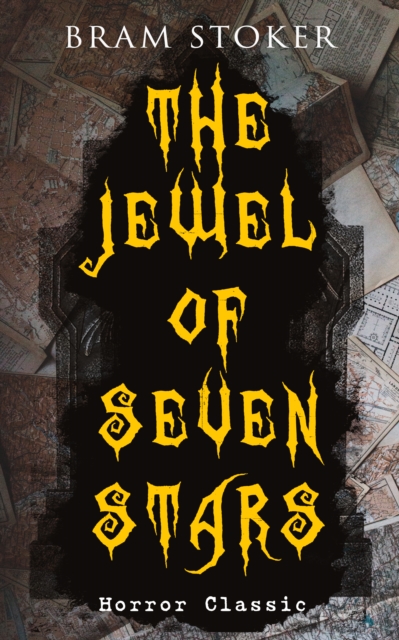
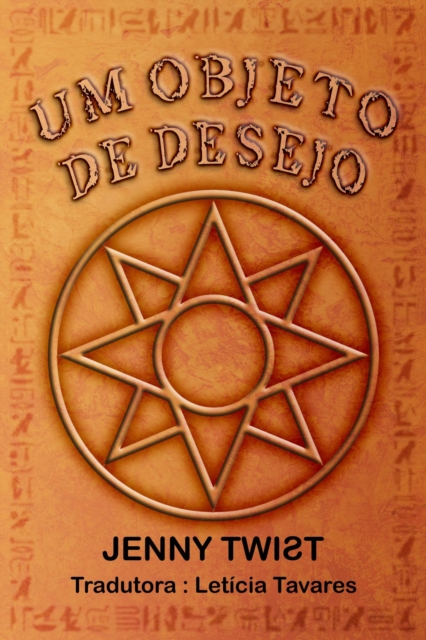
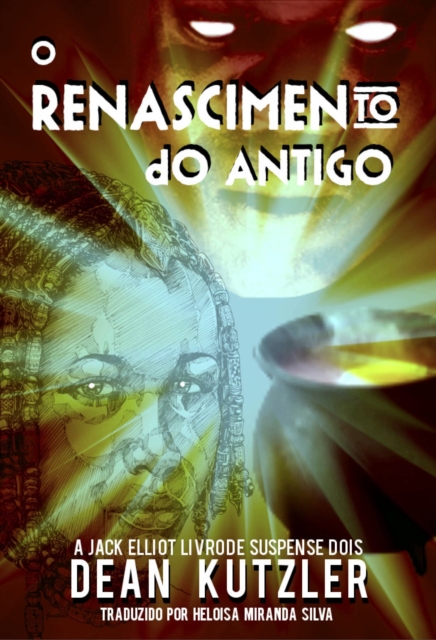
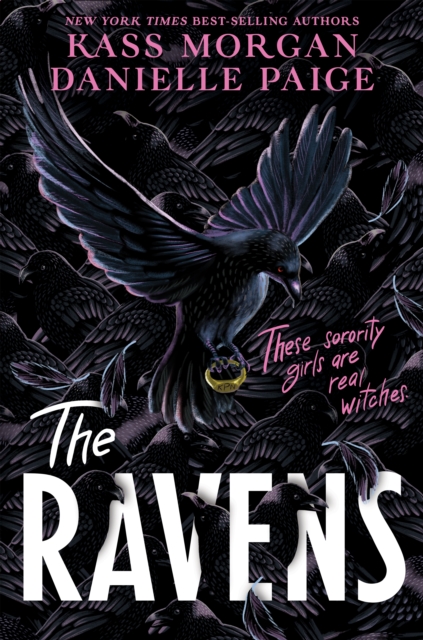
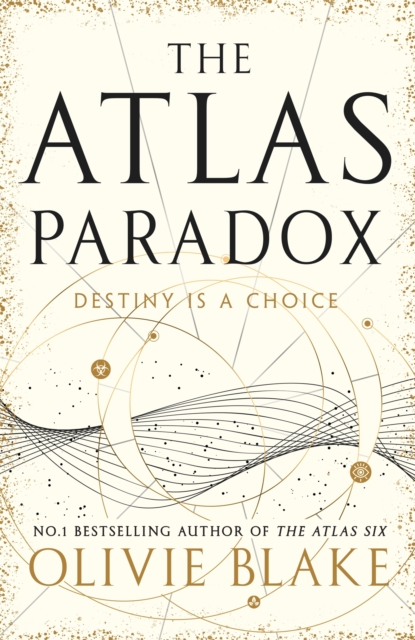
Bram Stoker's The Jewel of Seven Stars is a late-Victorian Gothic romance of archaeology, mesmerism, and occult resurrection, centered on the attempt to revive Queen Tera, an ancient Egyptian sovereign whose will seems to survive across millennia.
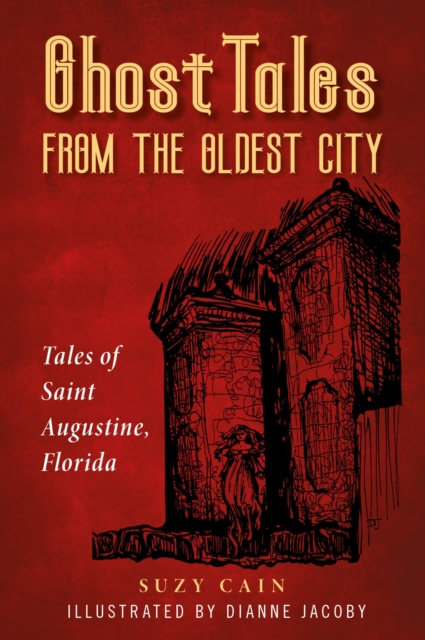
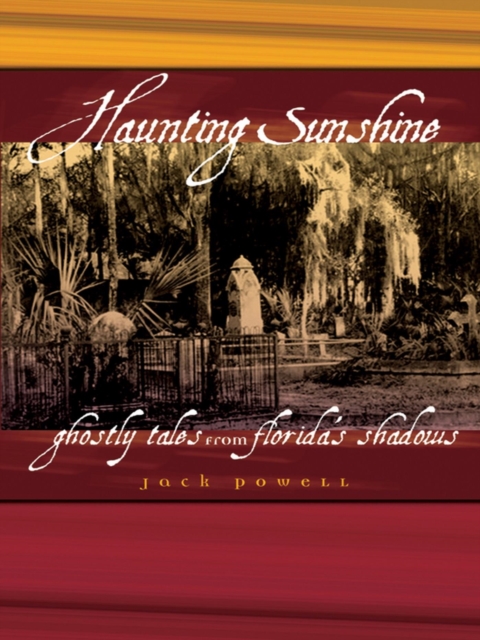
From ancient graveyards and monuments to modern restaurants and hotels, this book offers a delightful collection of uncanny legends and eerie folklore about Florida's beautiful west coast.
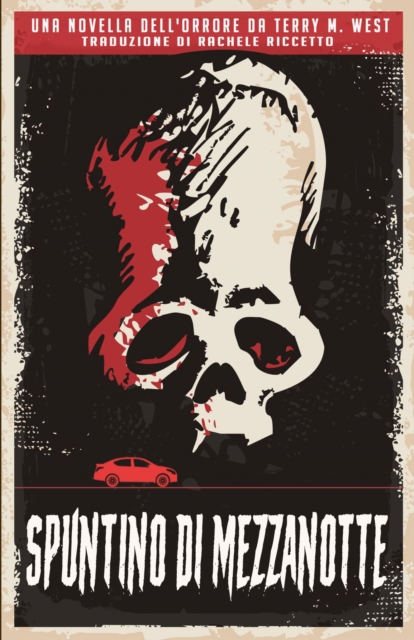
I testimoni di alcuni tragici ed inspiegabili avvenimenti, che metteranno a dura prova la loro sanità mentale, si incontrano in questa serie di racconti.
DUAS MENINAS DE FÉRIAS NO MARROCOS SÃO PERSEGUIDAS DOIS HOMENS ESTRANHOS E SE ENCONTRAM ENVOLVIDAS EM UM CRIME INTERNACIONAL Hannah e Rea, de férias em Tânger, Marrocos, ficam confusas ao perceberem que estão sendo seguidas por dois homens estranhos.
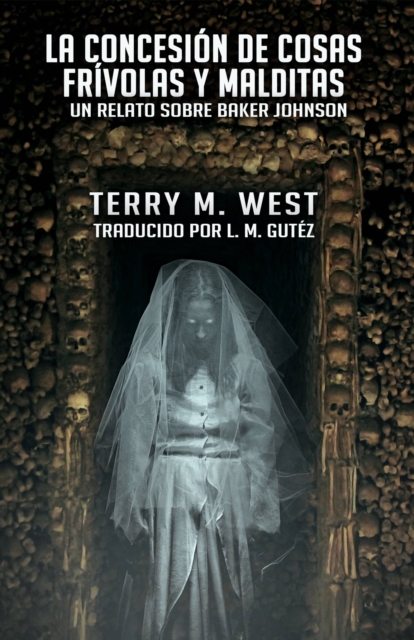
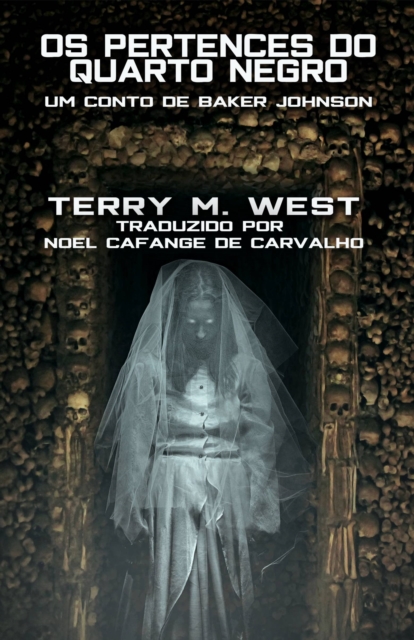
Os arautos do mistério nascem com o propósito de transmitir as crônicas daquelas infelizes testemunhas que viveram todo tipo de acontecimentos lúgubres e impossíveis.
O armário e outros contos fantásticos é uma coletânea composta por 3 contos + 1 conto bônus escrito em conjunto com Alberto Spano (locutor de um programa da rádio RFM).
Con batallas salvajes bajo el oceano y la quietud propia de los confines del espacio, este thriller paranormal te atrapara desde el capitulo uno sin pausa.
A Garotinha do Papai, uma prequela de Pretty Little Girl, revela o fenômeno que criou Armen Bedrosian; um pedófilo que por 20 anos, desde os 13 anos de idade, abusou sexualmente de sua filha na sequência deste livro, "Pretty Little Girl".
Heralds of Mystery was born with the purpose of transmitting the chronicles of those hapless witnesses who have lived all kinds of mournful and impossible events.
A advogada de defesa Celeste Maher já viu a sua parcela de casos horríveis, mas nada tão perturbador quanto o crime pelo qual o seu cliente, Velimir Radojka, é acusado.
BEAUTIFUL SIN - PARTE 01 RELOADED La primera vez que Maximillian Cox, un acaudalado hombre de negocios de Manhattan, conoce a Chanel Smith, una joven y bellísima heredera, queda impregnado de ella; desde aquel preciso instante se dedica en cuerpo y alma para poseerla.
Arautos do Mistério, nascidos com o propósito de transmitir as crônicas daquelas testemunhas infelizes que viveram todos os tipos de eventos tristes e impossíveis.
Elizabeth es una huérfana de 16 años que recibe una noticia inusitada: Es la única heredera de una mansión en la selva Amazónica, perteneciente a un noble inglés.
OUT NOW: the second volume in the bestselling, exhilarating WWII treasure-hunt thriller series for fans of Dan Brown*** RATED 5 STARS BY REAL READERS *** November 1941.