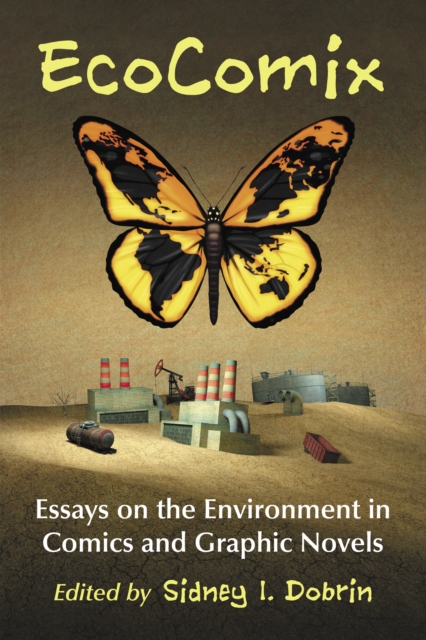
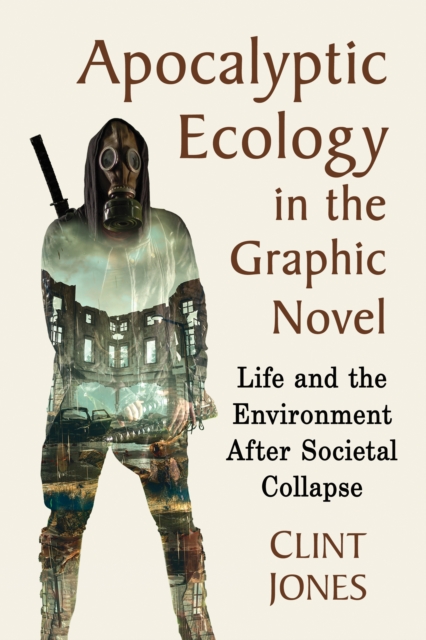
Exploring image and imagination in conjunction with natural environments, the animal, and the human, this collection of essays turns the ecocritical and ecocompositional gaze upon comic studies.
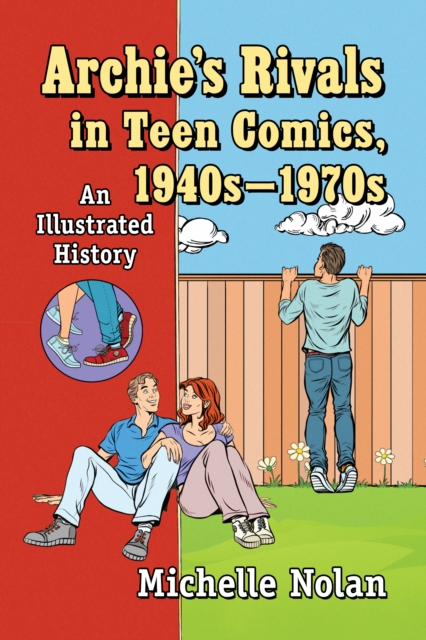
This is the first book to comprehensively examine the multitude of non-Archie teen humor comic books, including girls and boys such as Patsy Walker, Hedy Wolfe, Buzz Baxter and Wendy Parker from Marvel; Judy Foster, Buzzy, Binky and Scribbly from DC; Candy from Quality Comics; and Hap Hazard from Ace Comics.
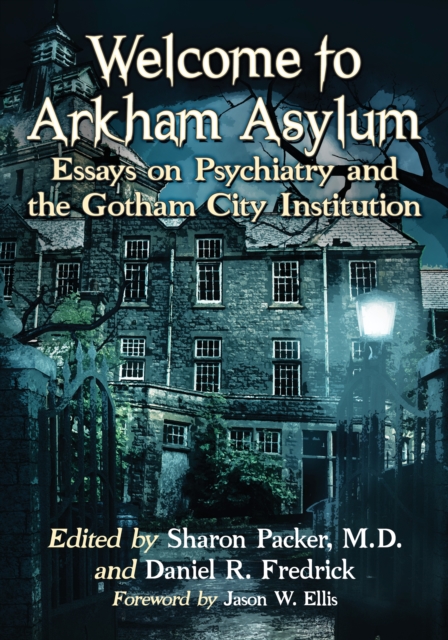
Arkham Asylum for the Criminally Insane is a staple of the Batman universe, evolving into a franchise comprised of comic books, graphic novels, video games, films, television series and more.
Central to every vampire story is the undead's need for human blood, but equally compelling is the human ingestion of vampire blood, which often creates a bond.
Mary Ann Nichols, Annie Chapman, Elizabeth Stride, Katherine Eddowes and Mary Jane Kelly--the five known victims of Jack the Ripper--are among the most written-about women in history.
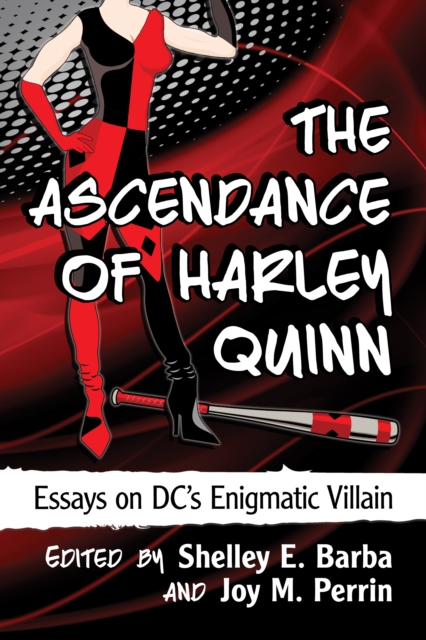
Since her first appearance in 1992, Harley Quinn--eccentric sidekick to the Joker--has captured the attention of readers like few new characters have in eight decades of Batman comics.
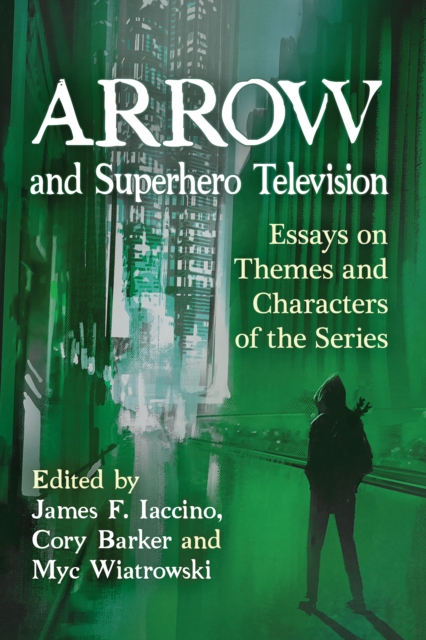
This collection of new essays focuses on The CW network's hit television series Arrow--based on DC Comic's Green Arrow--and its spin-offs The Flash, DC's Legends of Tomorrow and Supergirl.
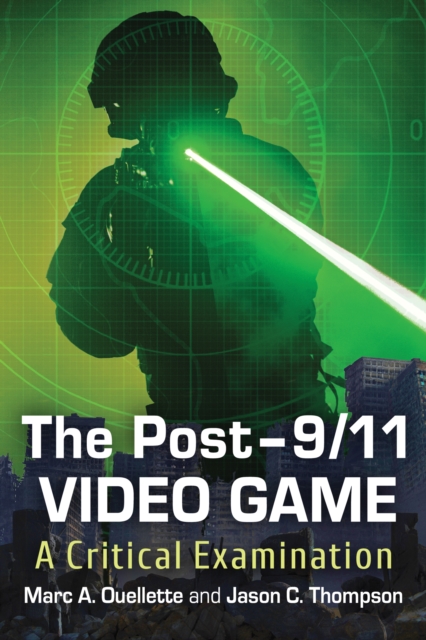
Fictional war narratives often employ haunted battlefields, super-soldiers, time travel, the undead and other imaginative elements of science fiction and fantasy.
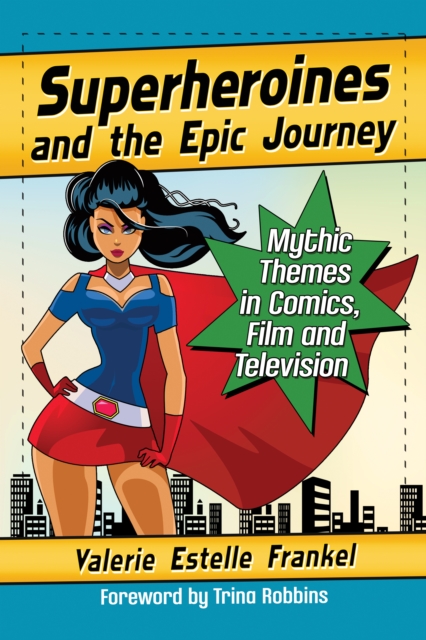
Superheroes have been an integral part of popular society for decades and have given rise to a collective mythology familiar in popular culture worldwide.
Exploring the pedagogical power of the monstrous, this collection of new essays describes innovative teaching strategies that use our cultural fascination with monsters to enhance learning in high school and college courses.
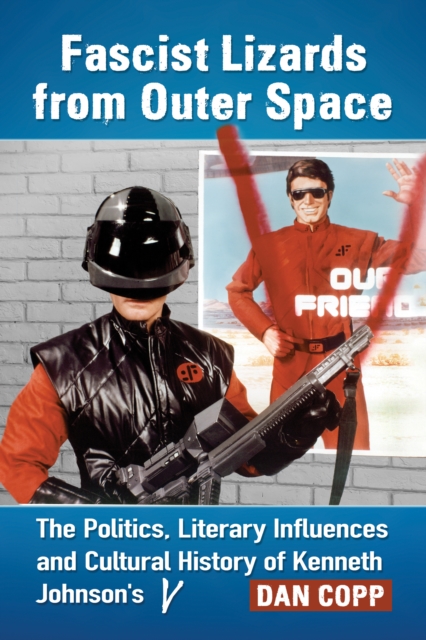
When Kenneth Johnson's science fiction miniseries V premiered in 1983, it netted more than 40 percent of the television viewing audience and went on to spawn a sequel, a weekly series, novelizations, comic books and a remake.
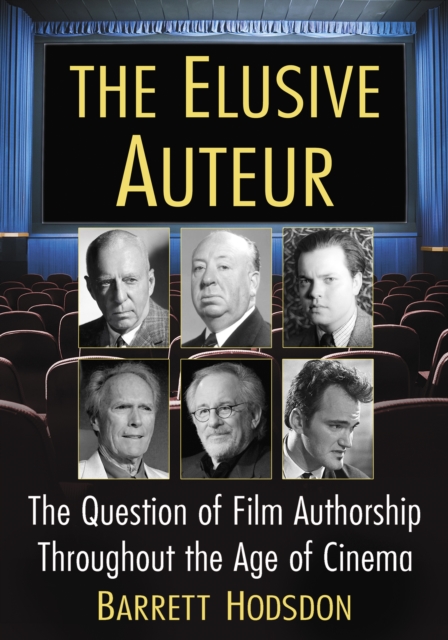
The director's authorial role in filmmaking--the extent to which a film reflects his or her individual style and creative vision--has been much debated among film critics and scholars for decades.
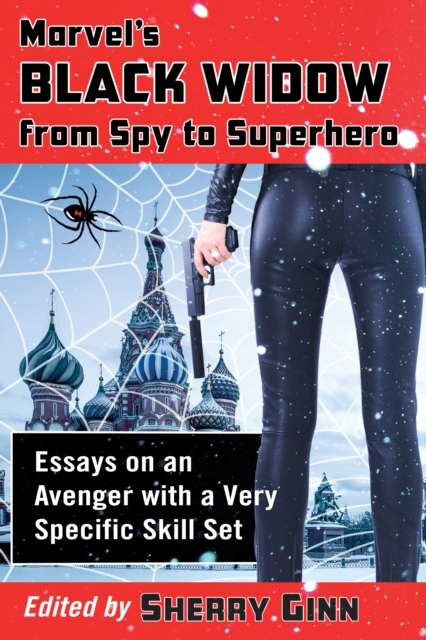
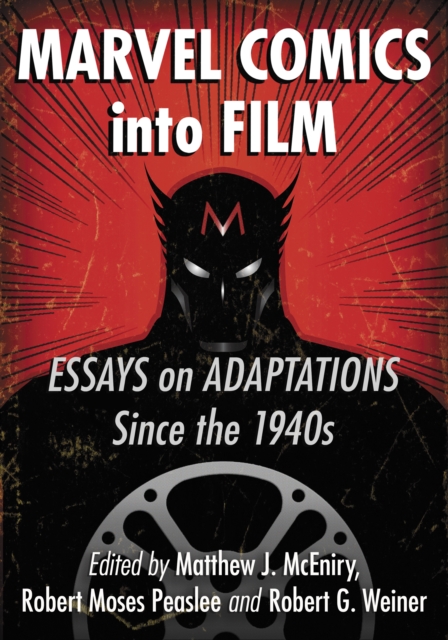
Marvel Studios' approach to its Cinematic Universe--beginning with the release of Iron Man (2008)--has become the template for successful management of blockbuster film properties.