Wer krank ist, muss sich auf dem Weg zur Genesung mit so einigem herumschlagen und kommt neben einem Pillenrezept oft mit lustigen und absurden Anekdoten aus der Arztpraxis oder dem Krankenhaus nach Hause.
Mit Mitte 20 ging es Franziska Ferber wie vielen Frauen heute: Der Wunsch nach Kindern war noch nicht so groß wie der Wunsch nach Erfolg, Karriere und noch ein bisschen Freiheit – schließlich ist 40 das neue 30 und damit hat man ja noch alle Zeit der Welt, um schwanger zu werden.
Es ist Nicoles zweiunddreißigster Geburtstag, als sie unter der Dusche steht und sich auf die Feier mit ihren zwei kleinen Kindern und ihrem liebevollen Mann freut.
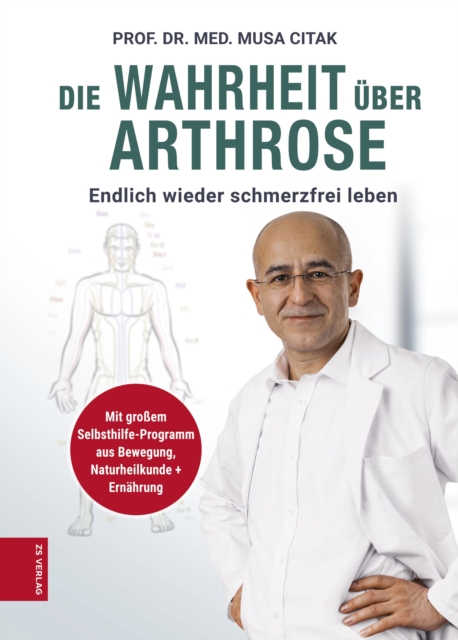
Einer Studie zufolge leiden mittlerweile mehr als 20 % der Bevölkerung an Erkrankungen des rheumatischen Formenkreises (Rheuma, Ischias, Arthritis, Arthrose, Gicht, Fibromyalgie, Osteoporose, Wirbelsäulen- und Bandscheibenschäden).
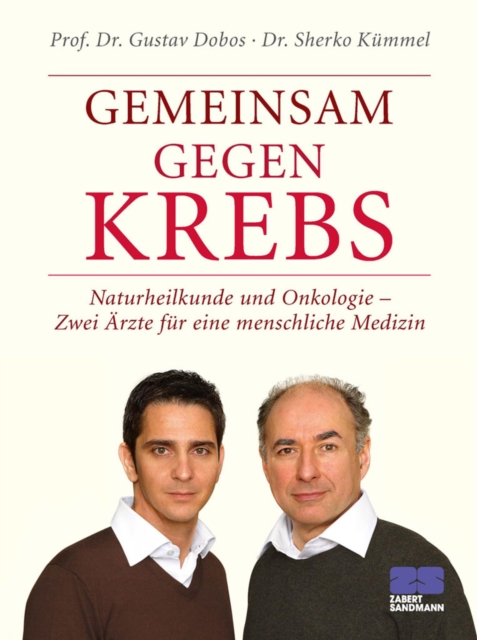
Dieser Ratgeber verzichtet auf schulmedizinische Methoden und gibt vielen Betroffenen Hoffnung, Krebs erfolgreich zu behandeln und wieder gesund zu werden.
Im Buch wird erklärt, was Alzheimer und Demenz sind und wie man sein Gedächtnis, seine Konzentration und seine Intelligenz, mit natürlichen Heilverfahren, dauerhaft erhält und stärken kann.
An einem schönen Frühlingstag stellt der Autor Anders Bortne beim Beziehen des Ehebettes fest, dass seine Seite der Matratze so aussieht, als hätte er kaum darauf gelegen – und er muss sich eingestehen, dass das stimmt: Anders Bortne leidet seit 16 Jahren an Schlaflosigkeit.
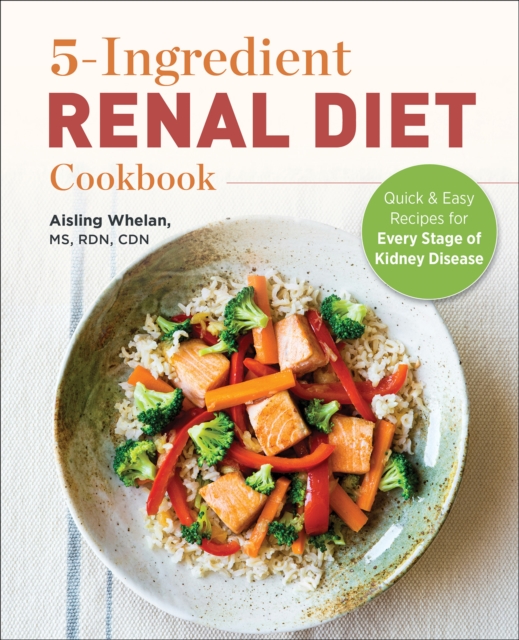
A time-conscious, delicious dietary approach to renal disease-in 5 ingredientsFinding a proper diet that helps manage your chronic kidney disease (CKD) can be an overwhelming dilemma especially depending on what stage of CKD you're in and if you have another condition such as diabetes.
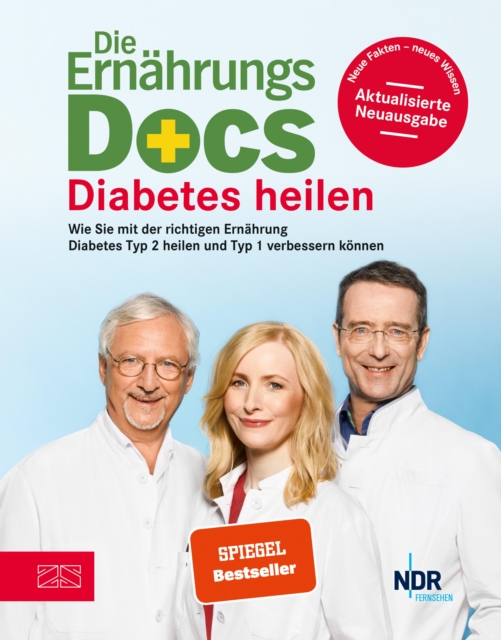
Die E-Docs zeigen in ihrem Buch "Die Ernährungs Docs - Diabetes" wie man dem Diabetes die Stirn bieten kann, am besten mit Gabel und Messer statt Insulin und Co.
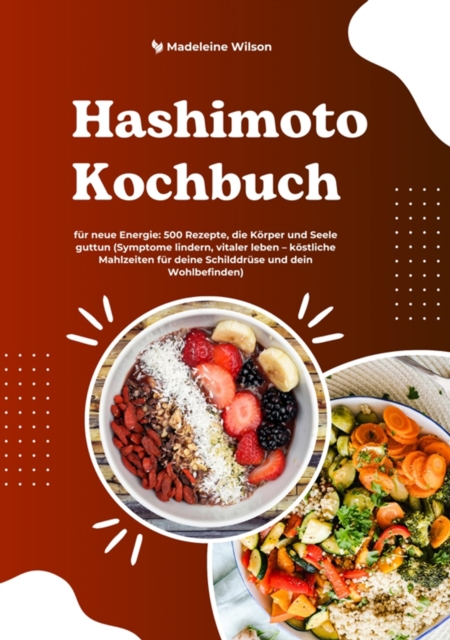
Hashimoto Kochbuch für neue Energie: 500 Rezepte, die Körper und Seele guttun (Symptome lindern, vitaler leben – köstliche Mahlzeiten für deine Schilddrüse und dein Wohlbefinden)Als Ernährungsberaterin weiß ich, wie wichtig die richtige Ernährung bei Hashimoto ist.
Durch gute Erfahrungen immer wieder in der alltäglichen Anwendung bestätigt, möchte man die ganz spezifischen Heilwirkungen des Schwarzkümmels und insbesondere seines Öls heute in der Naturheilkunde nicht mehr missen.
Durch gute Erfahrungen immer wieder in der alltäglichen Anwendung bestätigt, möchte man die ganz spezifischen Heilwirkungen des Schwarzkümmels und insbesondere seines Öls heute in der Naturheilkunde nicht mehr missen.
Die Montmorency-Sauerkirsche wirkt positiv bei erhöhtem Cholesterin, senkt den Harnsäurespiegel im Blut und ihr entzündungshemmendes Potential lindert Gichtsymptome und Beschwerden bei Arthritis und Rheuma.
Lapacho-Tee, das traditionelle Naturheilmittel der Indios, ist eines der wirksamsten, preisgünstigsten und wohlschmeckendsten Mittel gegen eine Vielzahl von akuten und chronischen Krankheiten.
Millionen Menschen mit diffusen Beschwerden wissen nicht, dass für ihre gesundheitlichen Probleme versteckte Allergien und Unverträglichkeiten verantwortlich sind.
Millionen Menschen mit diffusen Beschwerden wissen nicht, dass für ihre gesundheitlichen Probleme versteckte Allergien und Unverträglichkeiten verantwortlich sind.
Mit der richtigen Ernährung die Lebensqualität verbessernDieser Ratgeber begleitet Sie und Ihre Angehörigen durch die kräftezehrende Zeit einer Krebstherapie.