Having a child who suddenly develops PANDAS (Pediatric Autoimmune Neuropsychiatric Disorders Associated with Strep), PANS (Pediatric Acute-onset Neuropsychiatric Syndrome) or related conditions such as encephalitis can be a daunting challenge for parents.
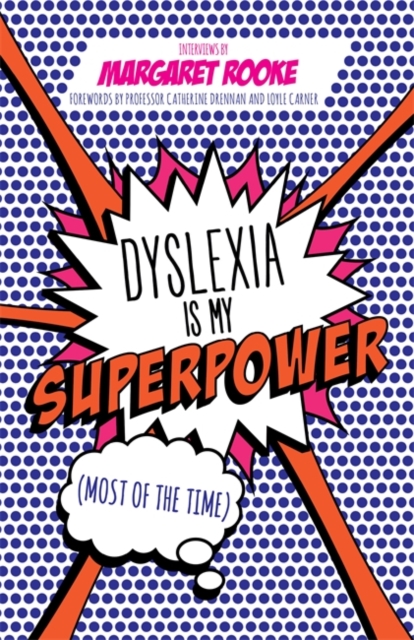
In more than 100 interviews, children and young adults reveal their personal tips and tactics for honing the creative benefits of dyslexia, enabling them to thrive in school and beyond.
Bringing together a collection of narratives from those who are on the autism spectrum whilst also identifying as lesbian, gay, bisexual, transgender, queer, intersex and/or asexual (LGBTQIA), this book explores the intersection of the two spectrums as well as the diverse experiences that come with it.
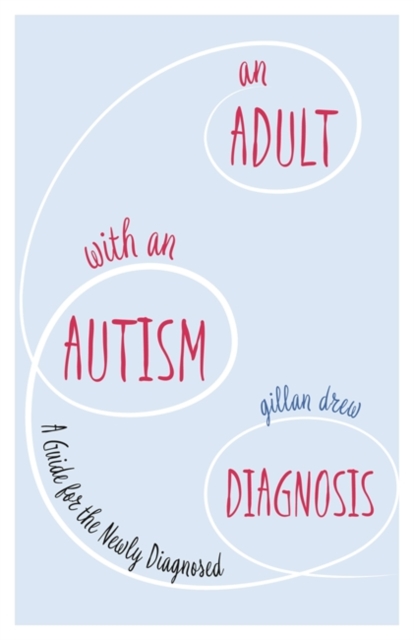
Being diagnosed with autism as an adult can be disorienting and isolating; however, if you can understand the condition and how it affects perceptions, relationships, and your relationship with the world in general, a happy and successful life is attainable.
Social Stories(TM) are acknowledged as a very successful way of teaching concepts and social understanding to children with autism spectrum disorders, but considerable skill is needed to write the most effective story.
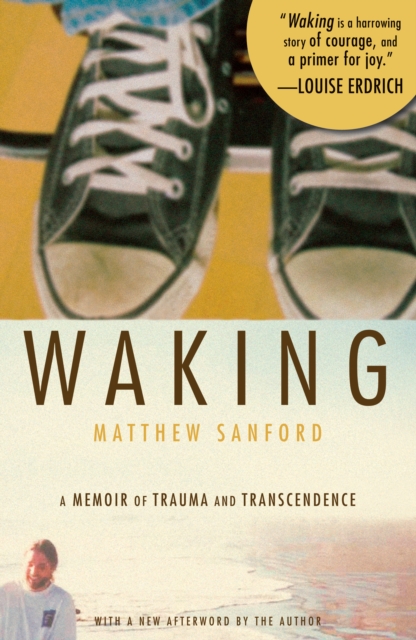
Matthew Sanford''s inspirational story about the car accident that left him paralyzed from the chest down is a superbly written memoir of healing and journey—from near death to triumphant life.
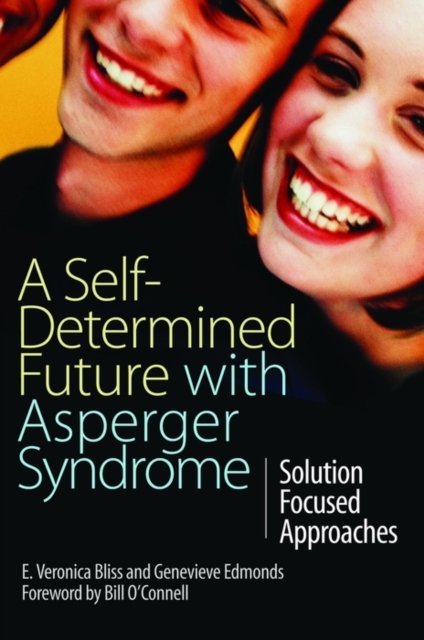
A Self-Determined Future with Asperger Syndrome presents an empowering, practical approach to helping people with Asperger Syndrome (AS) to succeed at college, at work, at home and in life.
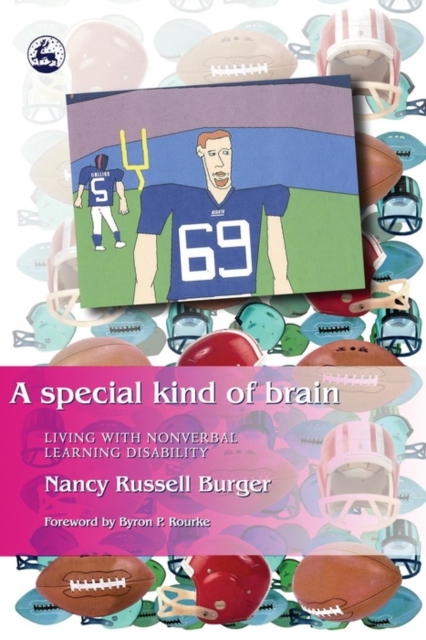
Sharing the experience of bringing up a child with nonverbal learning disability (NLD), this warm and accessible book offers advice on subjects ranging across diagnosis and therapy, children's interaction with each other, suitable activities for a child with NLD and how to discuss NLD with children.
Tony Attwood's guide will assist parents and professionals with the identification, treatment and care of both children and adults with Asperger's Syndrome.
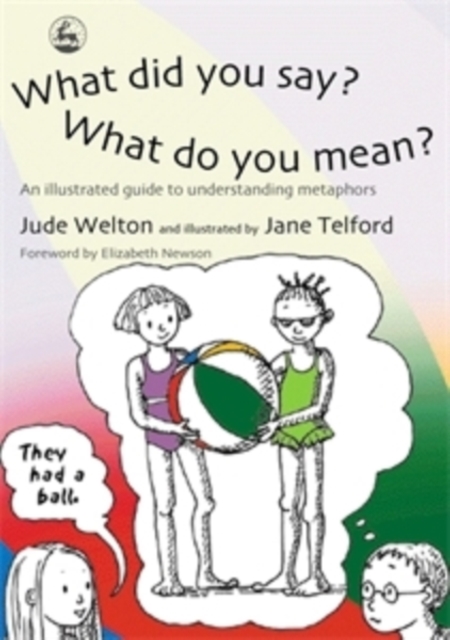
Children with autism or Asperger Syndrome (AS) have difficulty understanding figurative language because they use and comprehend language literally and expect words to mean exactly what they say.
Kelly Harland's stories explore her son's life to the age of 14, and the new and unexpected universe she and her husband - both professional musicians - must learn to navigate with him.
The Man who Lost His Language is a unique exploration of aphasia - losing the ability to use or comprehend words - as well as of the resilience of love.
In this thought-provoking book, Jan Walmsley and Kelley Johnson discuss participative approaches to research and provide an up-to-date account of inclusive practice with individuals with learning disabilities.
Packed with inspiring ideas and tips that can be used with any curriculum and on any budget, Homeschooling the Child with Asperger Syndrome explains how to design a varied study programme built around the child's own interests, making use of simple material as well as computers and on-line resources.
Asperger syndrome (AS) has often been considered to be incompatible with love and relationships, but as the number of people who are diagnosed with the disorder increases, it is becoming apparent that people with AS can and do have full and intimate relationships.
One of the increasing number of people diagnosed with Asperger Syndrome in adulthood, New Zealand-born Jen Birch relates her story with humour and honesty, taking us through the years of frustration and confusion that led to her diagnosis in 1999.
Childhood and adult experiences of individuals with Asperger Syndrome (AS) are becoming increasingly well documented, yet the crucial formative teenage years have, so far, been neglected.
A comprehensive introduction to working with people with learning disabilities, this guide provides the theoretical understanding needed to inform good practice and to help improve the quality of life of people within this group.
Giggle Time is a step-by-step program for parents, teachers and other professionals to help develop the non-verbal, verbal and social reciprocity skills of children with autism.
Parents, caregivers and educators are often at a loss about how best to support an individual with autism because they are overwhelmed by 'behaviours', inundated with prognoses and clinical jargon, or confused by technical information.
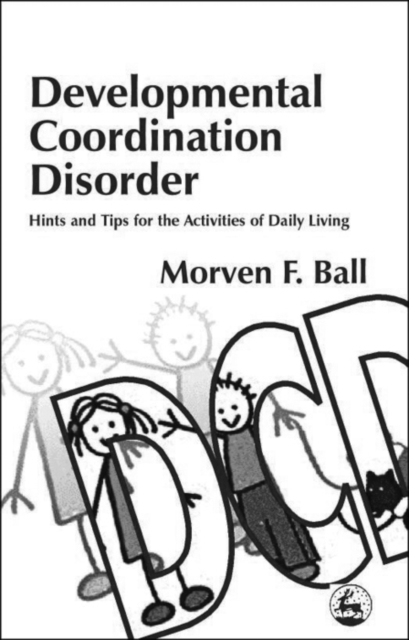
Developmental Coordination Disorder (DCD) is a term used to describe children who have difficulty with movement and specific aspects of learning, and includes dyspraxia, Asperger Syndrome and associated conditions.