The thoughtful and inspiring meditations in Body, Mind, and Spirit provide anyone in Twelve Step recovery practical daily guidance for healing physically, mentally, and spiritually.
Offering strategies for getting and staying sober, first-hand stories, and other resources for teens, parents, and professionals, Young, Sober, and Free helps young addicts and alcoholics through recovery.
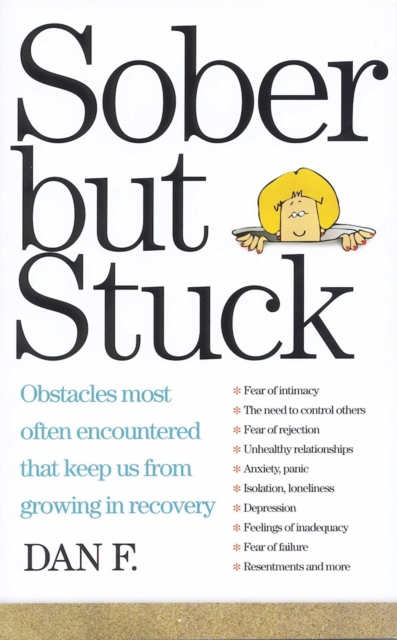
Sober But Stuck addresses common issues, such as fear of failure, unhealthy relationships, and resentments, that can act as barriers to serenity and ultimately threaten sobriety.
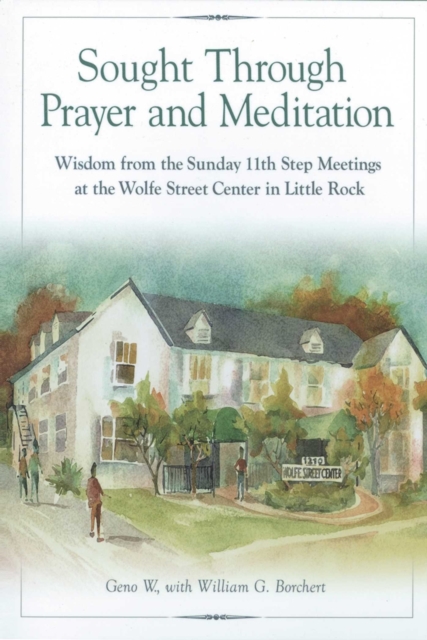
An inspiring collection of meditations, prayers, and insights designed to facilitate the weekly practice of the 11th step, heightening our conscious contact with God as we understand him.
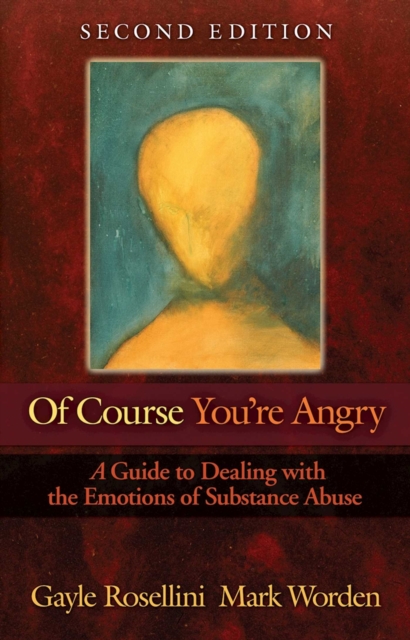
In a friendly, nonconfrontational manner, Of Course You're Angry guides readers to discover the source of their anger and the forms it takes violence, depression, resentment, and manipulation.
Night Lights quotations, reflections, and simple prayers ease the loneliness, fear, and anxiety that can burden our nights so we can wake up and meet each new day refreshed and inspired.
The Little Red Book for Women speaks directly to women of the 21st Century who seek both the restorative powers of Twelve Step recovery and insights into the time-honored traditions of Alcoholics Anonymous.
The writings of the Reverend Sam Shoemaker, Episcopal minister, are examined in this volume in the light of their contribution to the principles of Twelve Step recovery.
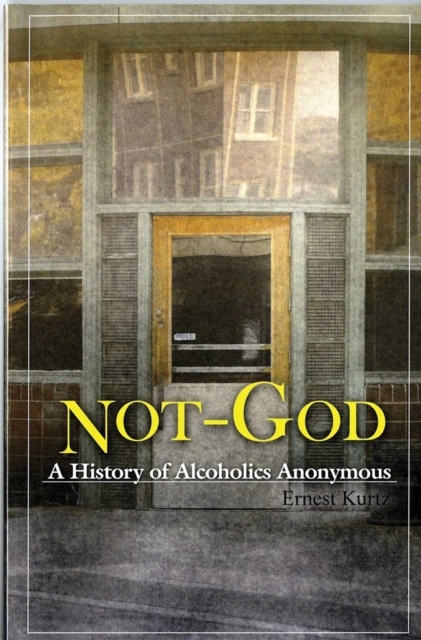
A fascinating account of the discovery and program of Alcoholics Anonymous, Not God contains anecdotes and excerpts from the diaries, correspondence, and occasional memoirs of AA's early figures.
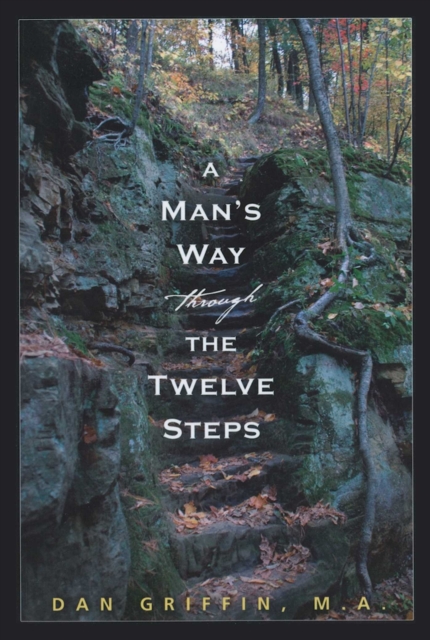
A fresh interpretation of the healing process established by the Twelve Steps, with an eye toward the social, cultural, and psychological factors that affect men--and thus their recovery from addiction.
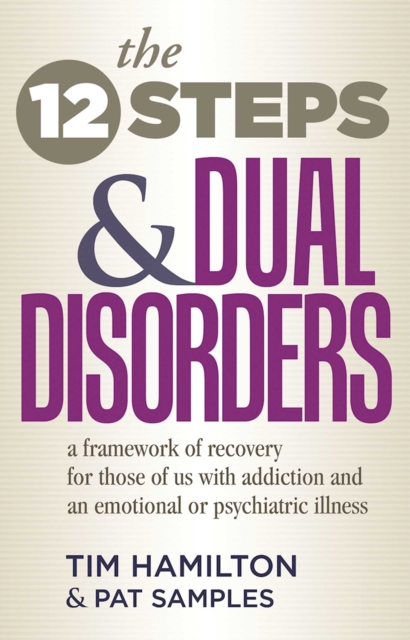
A gentle, spiritual and supportive approach to bolster our recovery, The Twelve Steps and Dual Disorders provides an adaptation and discussion of each of the Twelve Steps of Dual Recovery Anonymous.
Letting Go of Shame: Understanding How Shame Affects Your Life helps to explain the emotion of shame and its impact on our self-image and relationships.
Readers will learn what drives them into controlling behavior and victimhood--and what it takes to pull themselves out, to return to the healing, faith, and maturity that come with recovery.
Based on the spiritual foundations of Twelve Step programs, these daily readingspart of Hazelden's meditation seriesoffer inspiration, affirmation, and hope to those of us in recovery from addiction.
Following in the tradition of her recovery classic, Each Day a New Beginning, author Karen Casey presents another year full of inspiring meditations that speak to the challenges faced by recovering women.
A dependable companion for people in all stages of recovery, Keep It Simple's meditations bring you back to the basics of living a Twelve Step program.
The definitive book on the impact of methamphetamine on individuals, communities, and society by two of America's leading addiction and criminal justice experts.
Now a Hallmark Hall of Fame special, "e;When Love is Not Enough: The Lois Wilson Story, "e; this is the biography of Al-Anon creator and wife of AA cofounder Bill W.
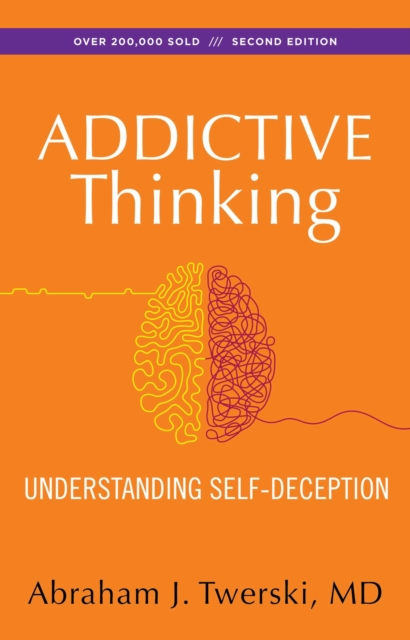
Author Abraham Twerski reveals how self-deceptive thought can undermine self-esteem and threaten the sobriety of a recovering individuals and offers hope to those seeking a healthy and rewarding recovery.
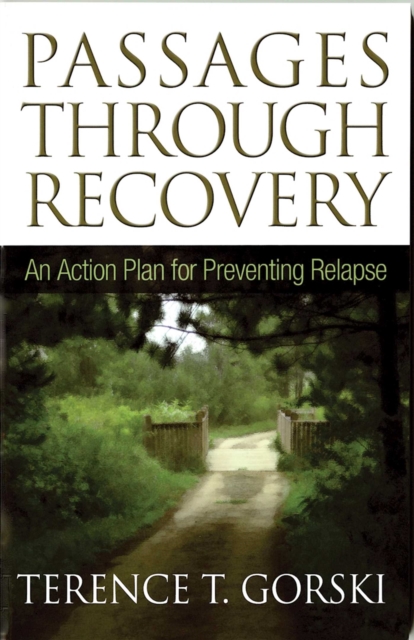
Passages through Recovery presents an action plan for preventing relapse, one that can help us understand how recovery works and what is needed to move from active addiction to sobriety.
Personal stories, fast facts and self-tests help young readers recognize when a friend or family member is in trouble, identify and seek help for their own issues, and practice self-care to avoid feeling overwhelmed by others' problems.
The essential recovery guide for women new to sobriety, written by the director of clinical services at Hazeldens new cutting edge treatment facility for women.
With astonishing honesty, this memoir reveals what mental illness looks and feels like from the inside, and how healing from borderline personality disorder is possible through intensive therapy and the support of loved ones.
Speaking thoughtfully to those recovering from substance abuse and addiction, God Grant Me offers a daily dose of strength and wisdom with each of its meditations.
Daily thoughts provide readers with ongoing insights into issues such as surrendering, the damaging effects of manipulation, and healthy communication.
The leading text on the biological and psychological relationship between mental illness and addiction, Dual Disorders contains important resources for individuals and their families.
Twelve Step Sponsorship is the first truly comprehensive look at sponsorship, a role recovering people benefit from both as sponsees and ultimately as sponsors.
This compelling Dual Disorders Recovery Book, written for those with an addiction and a psychiatric illness, provides a source of information and support throughout recovery.