With the recent discovery that amyloid beta protein, the cause of plaques in Alzheimer's disease, is an antimicrobial peptide produced in response to infection, many researchers are focusing on the role infection plays in the development of Alzheimer's disease.
The legalization of marijuana has spread rapidly throughout the United States, from just a handful of states ten years ago to now more than half, as well as the nation's capital.
Analyzing the relationship between medicine and the media from different perspectives, these new essays fill a gap in this emerging field, providing new information on approaches to health communication and important reevaluations of health literacy theories.
Testosterone and estrogen treatments are common today, but in the late 19th and early 20th centuries the discovery of sex gland secretions led both physicians and the public to believe they had found the secret to bodily rejuvenation.
William Watson Cheyne (1852-1932), a surgeon by training and a student of Joseph Lister, was a prominent British bacteriologist who published 60 papers and 13 monographs from 1879 to 1927.
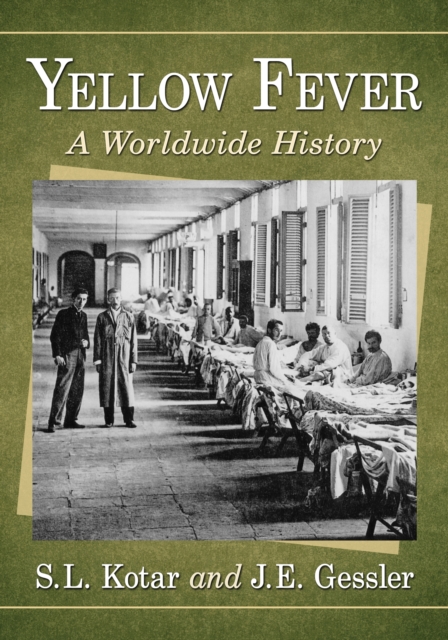
The terror of yellow fever conjures images of mass infection of soldiers during the Spanish-American War and horrific death tolls among workers on the Panama Canal.
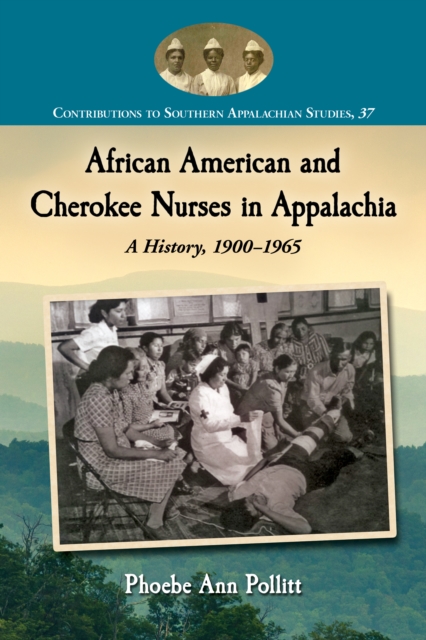
When the Tuskegee Veteran's Hospital opened in 1923, many in the Veteran's Bureau believed that black physicians and nurses were not competent to staff the facility.
Millions of people experience symptoms of central sensitization (CS) and central sensitivity syndromes (CSS) such as chronic fatigue syndrome, fibromyalgia and multiple chemical sensitivities.
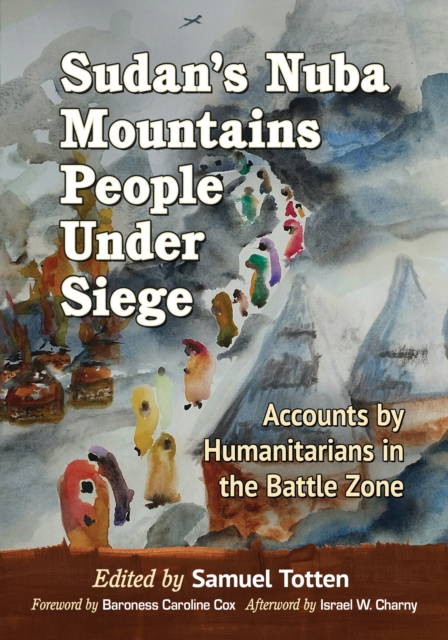
This collection of first-person accounts chronicles the experiences of 12 humanitarians who entered Sudan illegally to variously provide food, medical care and spiritual support to the besieged people of the Nuba Mountains.
When Ashe County Memorial Hospital opened in November 1941, it was the realization of a dream for the poor, sparsely populated county in the mountains of northwestern North Carolina.
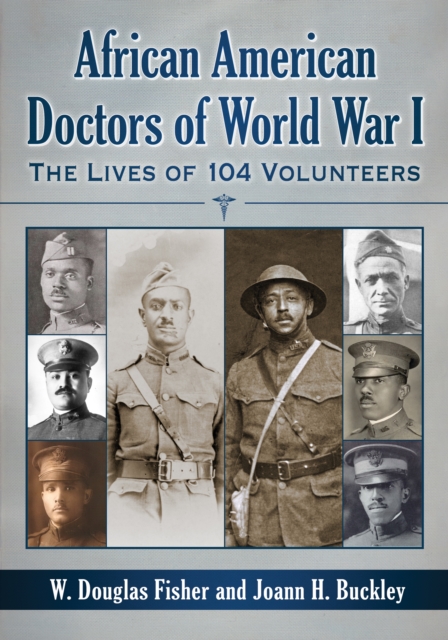
In World War I, 104 African American doctors joined the United States Army to care for the 40,000 men of the 92nd and 93rd Divisions, the Army's only black combat units.
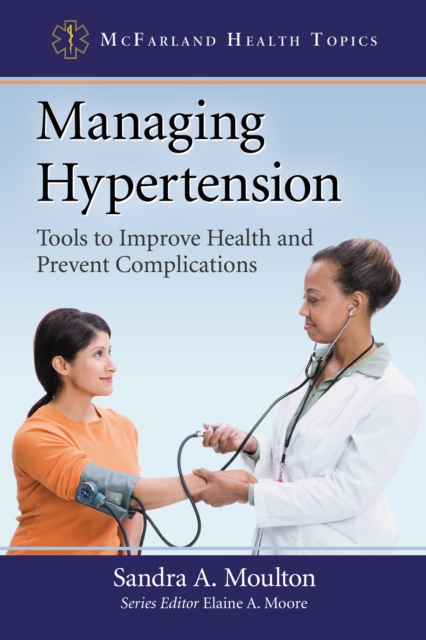
Hypertension, or high blood pressure, is a common chronic disease affecting people of different ages, cultural backgrounds and socio-economic statuses worldwide.
For sufferers of multiple chemical sensitivities (MCS), the lack of information on toxicity, coupled with skepticism, misdiagnosis, and very limited research in the medical community, has made treatment difficult.
The number of people suffering from Multiple Chemical Sensitivity (MCS) is greater than the number suffering from AIDS, yet the general public and the medical community know very little about the disease.
During the last 20 years of the 19th century, cigarette smoking was transformed from a lower-class habit to a favored form of tobacco use for men and practically the only form available to women.
In 1831, Prussia was consumed by two fears: the possibility of revolution resulting from the 1830 November Uprising of Poland against Russia, and a looming cholera epidemic.
Written with the cooperation of President Jimmy Carter and his family, this book provides an intimate glimpse inside the life of the woman who--as nurse, mother and social justice activist in segregated southwest Georgia--made a lifelong habit of breaking the rules defining a woman's place in and out of the home and the status of blacks in society.
Victor Vaughan's career at the University of Michigan spanned more than four decades, beginning with his graduate studies in physiological chemistry during the 1870s and ending in 1921 with his retirement after three decades as dean of the medical school.
Both a memoir and a medical study, this unique work explores the extensive and tragic reach of craniosynostosis, the premature fusing of the cranial sutures in infants.
This first comprehensive study of the medical histories of America's first ladies--from Martha Washington to Michelle Obama--discusses their illnesses, their treatments and their physicians in the context of their times.
In 1965, drafted into the Army to serve in Vietnam, Lawrence Climo, a young physician just out of training, learned of a unique humanitarian mission with counter-insurgency objectives that was looking for doctors: MILPHAP (Military Provincial Hospital Augmentation Program).
In 1999, investigators announced that a single dose of nevirapine, a new antiviral drug, could stop the spread of the AIDS virus from infected mothers to their newborn babies.
In 2001 Graves' Disease: A Practical Guide described the causes, diagnosis, treatment and disease course of Graves' disease and other hyperthyroid disorders, such as toxic multinodular goiter, thyroiditis, resistance to thyroid hormone, and hyperthyroidism caused by medications and genetic mutations.
This collection of 19 new essays by 21 authors from the United States, the UK, Canada, Australia and India focuses on contemporary film and television (1989 to the present) from those countries as well as from China, Korea, Thailand and France.