Teaches ten clear protocols for ethical harvesting, ritual practice, and developing reciprocal relationships with plants Gives step-by-step instructions for preparing cleansing baths, mixing protective oils and healing incenses, and using ritual tools Provides a detailed herbarium with practical applications, planetary correspondences, and safety guidance for dozens of plants and resinsDrawing on animist principles and Latin American folk traditions, Vrylak Faemana presents a structured and practical approach to plant magic.
Shows how Bach Flower tracks on the body correlate precisely with acupuncture energy meridians, the Five Elements, and the polarities of Yin and Yang Reveals how to use Moon Lines, secret ancient Egyptian knowledge of energy points that directly affect consciousness Explores how to treat a variety of conditions by integrating Bach Flower Therapy with the meridians and Moon LinesBuilding upon his innovative discoveries in Bach Flower Therapy, Dietmar Krmer reveals how applying the energetic theories of Chinese medicine can enhance the effectiveness of healing work with flower essences, especially for deeply ingrained emotional conditions that often underlie chronic physical ailments.
Introduces herbs that can help us explore our hidden depths, release trauma, grief, and shame, ease stress and anxiety, and support addiction recovery Looks at the healing abilities of plants associated with the Divine Feminine, the powers of poisonous and entheogenic plants, and how to use them safely Provides a detailed formulary for incorporating shadow work herbs into daily life, including recipes for teas, tinctures, oils, and ritual bathsThrough their holistic healing abilities, plants are ideal allies for those seeking to embrace their shadow self and experience spiritual rebirth.
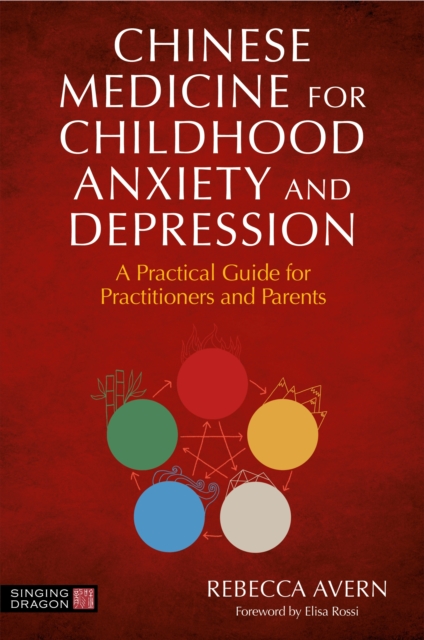
Tackling mental-emotional health problems in young people from a Chinese medicine perspective, this book shows how a child's mental-emotional health is intrinsically connected with core elements of their everyday life.
Tackling mental-emotional health problems in young people from a Chinese medicine perspective, this book shows how a child's mental-emotional health is intrinsically connected with core elements of their everyday life.
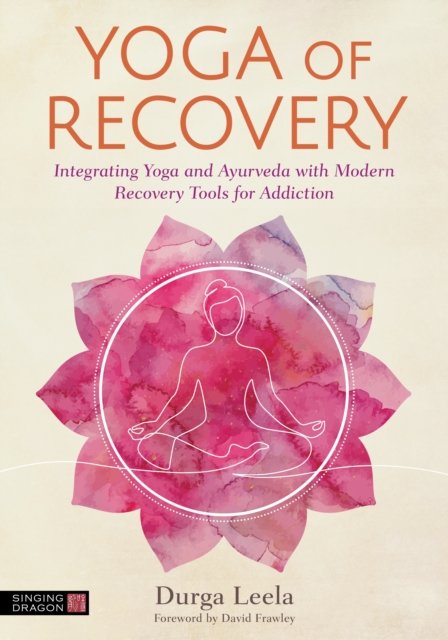
By offering an empowering personal program of self-care in recovery, this book provides guidance for everyone affected by widespread modern 'addictiveness'.
By offering an empowering personal program of self-care in recovery, this book provides guidance for everyone affected by widespread modern 'addictiveness'.
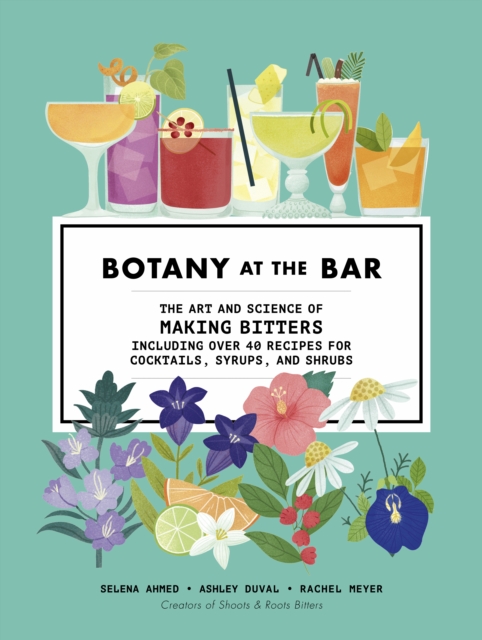
Botanists Selena Ahmed, Ashley DuVal and Rachel Meyer from the New York based craft bitters-making company, Shoots & Roots Bitters, take us on an enlightening trip throughout the plant world as they share their unique expertise on the ecology, cultural practices, and medicinal properties just waiting to be discovered at the bottom ofyour glass.
Rather than simply a different version of western medical practice, acupuncture, as the author of this thoughtful and challenging book shows, is based on a different philosophy and leads down directly into the deepest areas of human experience.
Within the context of a larger discussion of Dao Yin, Damo Mitchell teaches and explains the Dragon Dao Yin exercises, a set of four short sequences designed to work with the subtle energies of the spine and lead pathogenic energies out of the body.
Written by one of the UK's leading practitioners, this authoritative and accessible introduction to acupuncture reveals everything you need to know before you step into the acupuncture clinic.
Charles Buck draws on three decades of study, practice and teaching in this book to provide a relevant and engaging account of the origins of acupuncture and Chinese medicine.
The five elements - Wood, Fire, Earth, Metal and Water - are fundamental to Chinese medicine and metaphysics, but it can be difficult to get beyond the purely intellectual level of understanding.
Drawing on ancient Chinese knowledge and tradition, this book teaches practitioners of acupuncture how to develop their internal energy and sensitivity to energy in order to improve their practice.
A practical companion for students and practitioners of five element acupuncture that helps stimulate thoughts, refresh memories and strengthen the foundation of practice.
In this selection of core texts, Richard Bertschinger presents a commentary and translation of the key writings for students and practitioners of Chinese medicine in the 21st century from the ancient, definitive set of books on Chinese medicine, the Huangdi Neijing or 'the Yellow Emperor's Medical Classic'.
Based on the ancient system of Chinese medicine, Japanese holistic face massage has been used for centuries to maintain a youthful complexion, reflect inner calm and promote longevity.
Thomas Wernicke's authoritative book is one of the first resources in English on Shonishin, a non-invasive form of acupuncture developed specifically to respond to the needs of children.
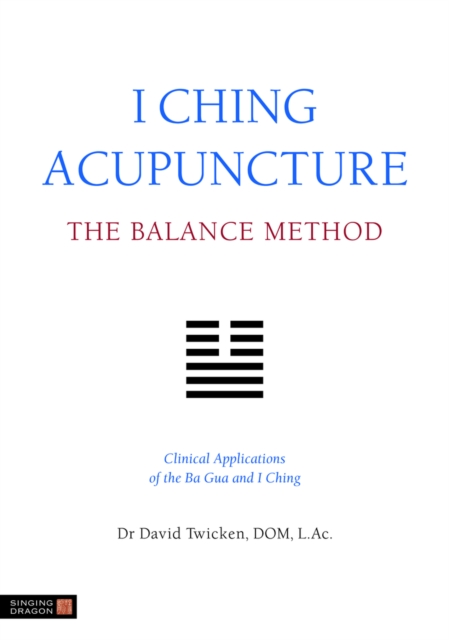
I Ching Acupuncture - The Balance Method is a system of acupuncture point selection based on the principles of Chinese philosophy and classic Chinese texts, including the I Ching, Nei Jing Su Wen and Ling Shu.
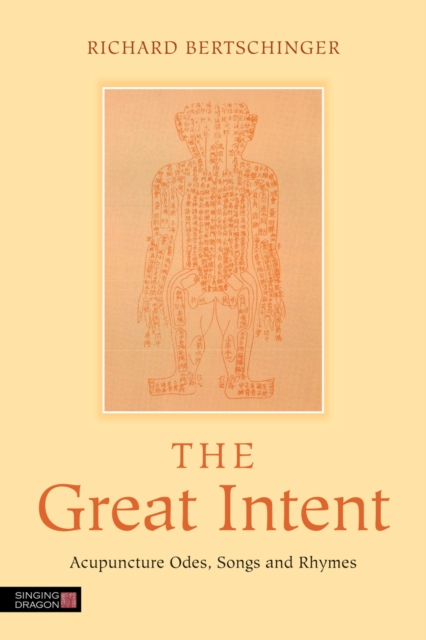
Songs and rhymes have been used by physicians for centuries in China as a means of memorising and passing on methods of practice and behaviour, moral attitudes, effective points, diagnostic tips and rules of thumb.
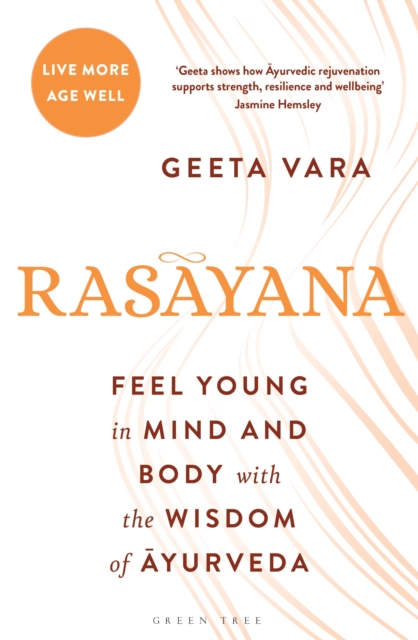
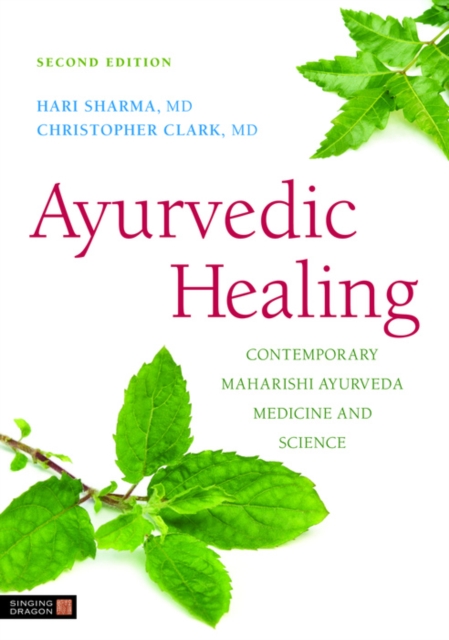
Ayurveda is one of the World's oldest and most comprehensive systems of natural medicine, and is particularly useful for addressing the chronic conditions Western medicine finds difficult to treat.
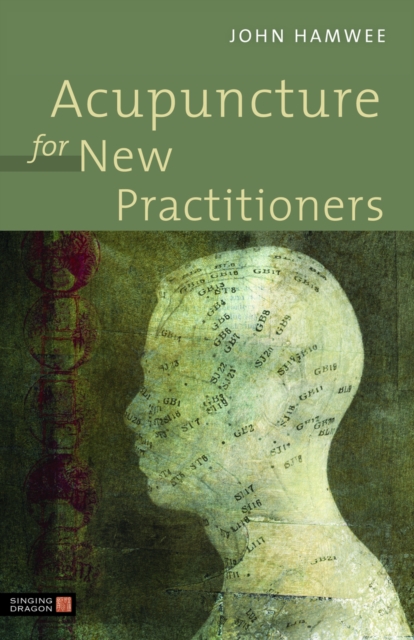
An invaluable guide for anyone beginning a career in acupuncture, this book offers a unique and supportive insight into the challenges and the pitfalls that the novice acupuncturist is likely to encounter, and provides encouragement and down-to-earth ideas for tackling them.
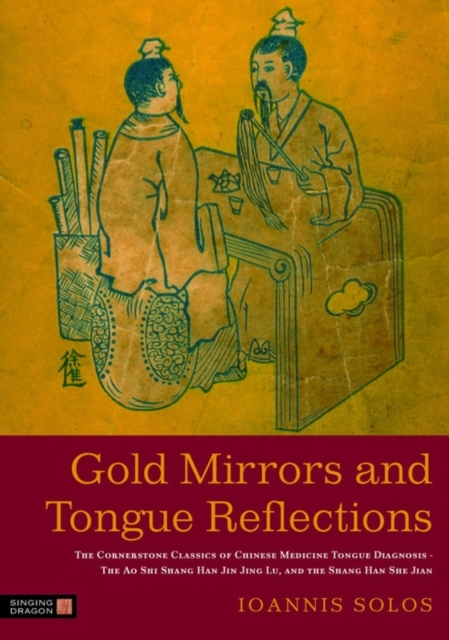
Two of the major texts in the history of tongue diagnosis are presented and put into context in this volume, reaffirming the strength of tongue diagnosis as a core diagnostic method.
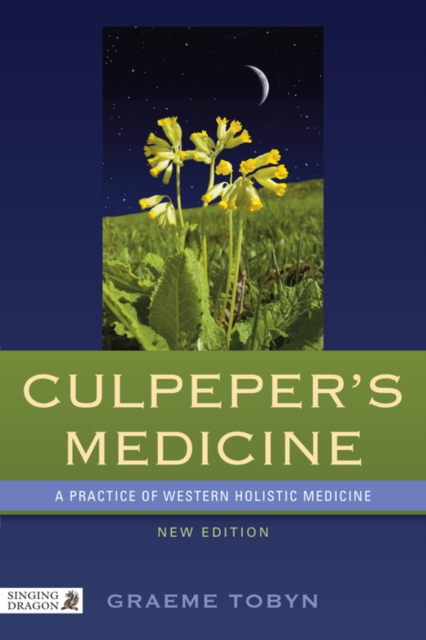
Drawing on the writings of Nicholas Culpeper, the 17th-century herbalist, apothecary and astrologer, this updated, accessible introduction celebrates the holistic medical traditions of the West, and places Culpeper in his appropriate context as one of the forebears of modern holistic medicine and a prophet of the NHS.
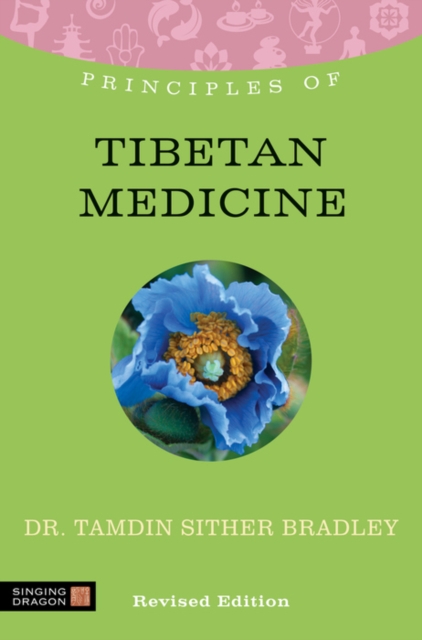
As people increasingly seek alternatives to modern medicine, interest is growing in the ancient system of Tibetan medicine, which has been practised for over 2,500 years.