Written by a well-known and highly respected author and practitioner within the field, Shiatsu Theory and Practice is a complete introduction to the theory and practice of Zen shiatsu, drawing in detail on the theoretical foundation of both Traditional Chinese Medicine and Five Phase theory as well as that of Zen.
A horse complains of a chest as tight as a bear's embrace, a goat bleats about skin as dry as parchment, and a rat describes his urine as darker than soya sauce.
Offering a systematic comparative approach to Western and Eastern medicine, this unique textbook enables students and practitioners of Chinese medicine to develop a core understanding of conventional medical language and treatments.
Here is a comprehensive and practical guide to using the Five Element model in your daily life in ways that can improve your physical health, foster mental ease and clarity, create more emotional balance, and bring you closer to spirit.
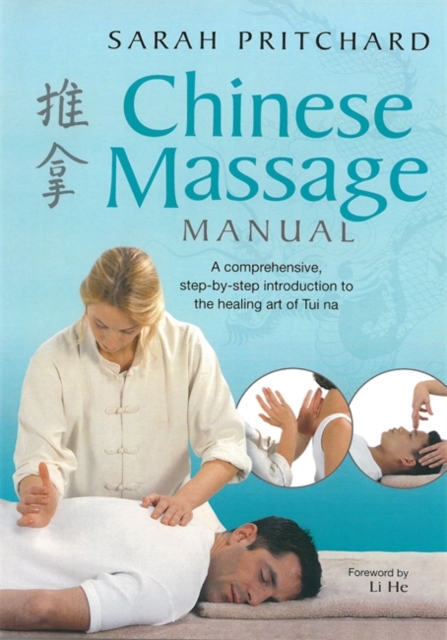
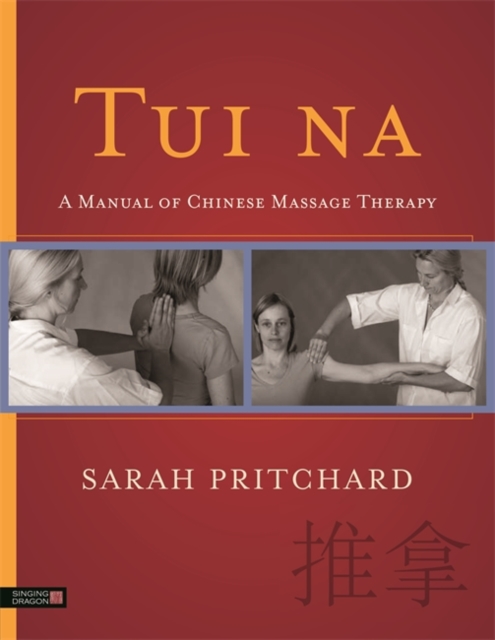
This comprehensive, introductory book covers the essentials of Chinese massage (Tui na), including the fundamental principles of Chinese medicine, and the 20 basic massage techniques.
This westerner's guide to Chinese astrology (Ba Zi) explains the basis on which charts are drawn up, how they work, and how they provide the tools to understand ourselves and our relationships with others.
The effective yet gentle 'Sukshma' technique, for working with the Marma points at the emotional as well as on the physical level, is fully described in this book.
This book is unique in that it discusses the nature of human suffering and how patients can be helped to overcome psycho-emotional pain through work with the Eight Extraordinary Vessels.
With its practical and immensely readable introduction to the nature and self-help uses of a key acupoint for each week of the year, this book is a gateway to the mysterious world of Chinese medical thought.
Based on her widely read blog, this collection includes Nora Franglen's reflections on her own continually developing five element practice, and the lived world between 2014 and March 2017, a time of enormous change.
Yogic cooking is nutritious, easy to digest and free of toxins, allowing you to improve your health, keep your body strong and facilitate spiritual revolution.
Research shows that Chinese medicine can be very effective in supporting the treatment of cancer by orthodox Western methods, and is particularly effective in alleviating many of the side effects of treatment.
In Z'ev Rosenberg's second book, the scholar-physician shares his insights from his study of discrimination of movement in the vessels in the Nan Jing.
This ground-breaking book examines direct relationships between the primary channels, extraordinary vessels, zangfu and extraordinary organs, and presents a theoretical model that demonstrates how they are directly connected to each other and to Daoist conceptions of the evolution of consciousness.
Kampo, a traditional Japanese medical system derived from Classical Chinese Medicine and comprising unique diagnostic methods, herbal formulas and therapeutic approaches, is made accessible to English-speaking practitioners through this definitive translation of Dr Keisetsu Otsuka's classic work.
This book provides easy-to-understand, scientifically backed answers to readers' questions about essential oils, helping them make informed decisions about which products to use and how and setting realistic expectations about what essential oils can and cannot do to improve well-being.
Consolidating unbiased, peer-reviewed information from many sources, this book provides a one-stop resource on the use and health benefits of 50 different herbs.
"e;Recommended for high-school students as an introduction to the topic, and to general readers interested in browsing brief but fascinating medical history.
Certified flower essence practitioner Deborah Craydon and licensed acupuncturist Warren Bellows combine their expertise to present an innovative and highly effective holistic method to treat body, mind, and spirit.
"e;Recommended for high-school students as an introduction to the topic, and to general readers interested in browsing brief but fascinating medical history.
This book provides easy-to-understand, scientifically backed answers to readers' questions about essential oils, helping them make informed decisions about which products to use and how and setting realistic expectations about what essential oils can and cannot do to improve well-being.
In this long-awaited second edition of THE MALE HERBAL, James Green gives men and boys the tools they need to create or maintain physical and emotional health through a customized herbal program.
Written by an experienced acupuncturist and educator, this advanced textbook provides strategies which support the foundational energy of a person, including their qi, blood, yin, yang and essence.
In Z'ev Rosenberg's second book, the scholar-physician shares his insights from his study of discrimination of movement in the vessels in the Nan Jing.
This ground-breaking book examines direct relationships between the primary channels, extraordinary vessels, zangfu and extraordinary organs, and presents a theoretical model that demonstrates how they are directly connected to each other and to Daoist conceptions of the evolution of consciousness.
Tui Na is one of the 'Four Pillars' of Chinese medicine (alongside Acupuncture, herbal medicine and Qi Gong) and is a form of bodywork that includes acupressure, massage techniques, assisted stretching, and joint mobilisations or adjustments that are all based on the key medical principles and diagnostics of the Classics of Chinese medicine.
A scholarly yet practical account for modern clinicians of some of the key difficult questions arising from obscure passages in the classics of Chinese medicine.
Many of the issues that relate to women's health from period pain to infertility, can be self-treated with Chinese medicine approaches, and this clear and practical guide explains how to assess symptoms and choose the most effective form of treatment.
In this Tang Classic text from the 9th Century, Daoist practitioner Shi Jianwu describes how through adapting our own breathing to the breath of the universe and daily meditation, one can develop an astral body and 'transcend earthly matters to walk in the divine'.