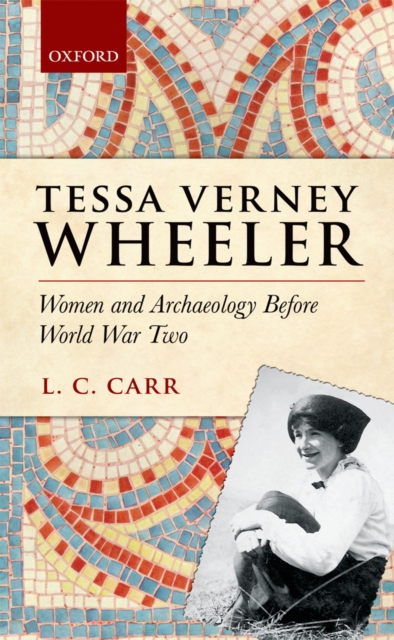
In this book, Carr unravels the biography of the archaeologist Tessa Verney Wheeler, a charming, tiny woman whose untimely death left her archaeological career overshadowed by her distinguished husband, Sir Mortimer Wheeler.
One of the most exciting recent developments in archaeology and history has been the adoption of new perspectives which see human societies in the past-as in the present-as made up of networks of interlinked individuals.
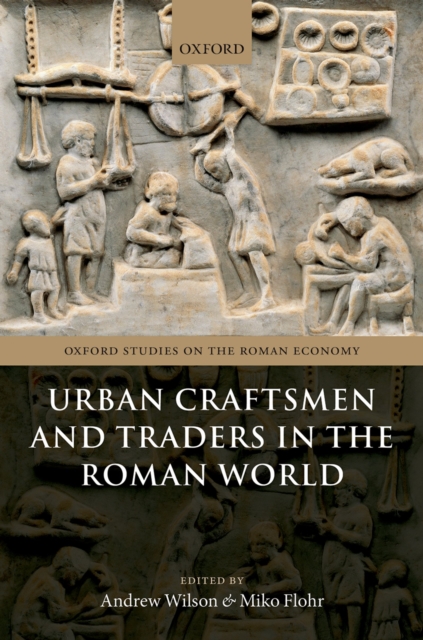
This volume, featuring sixteen contributions from leading Roman historians and archaeologists, sheds new light on approaches to the economic history of urban craftsmen and traders in the Roman world, with a particular emphasis on the imperial period.
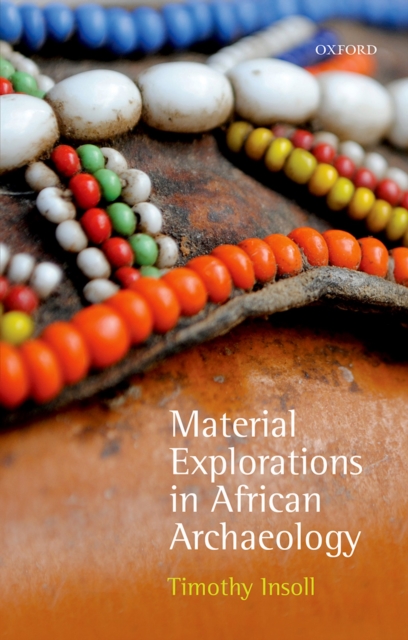
How people engaged with materials such as clay or stone, why people dug features such as pits, why they decorated their bodies, or treated their dead in certain ways, were all meaningful in the African past.
This volume explores the pervasive influence exerted by some prehistoric monuments on European social life over thousands of years, and reveals how they can act as a node linking people through time, possessing huge ideological and political significance.
The environment has always been a central concept for archaeologists and, although it has been conceived in many ways, its role in archaeological explanation has fluctuated from a mere backdrop to human action, to a primary factor in the understanding of society and social change.
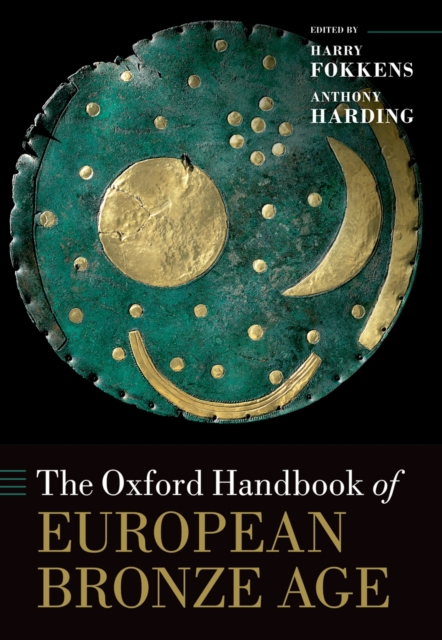
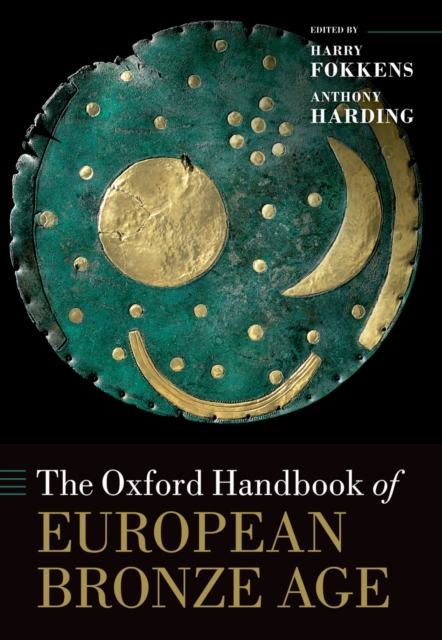
The Oxford Handbook of the European Bronze Age is a wide-ranging survey of a crucial period in prehistory during which many social, economic, and technological changes took place.
The Oxford Handbook of the European Bronze Age is a wide-ranging survey of a crucial period in prehistory during which many social, economic, and technological changes took place.
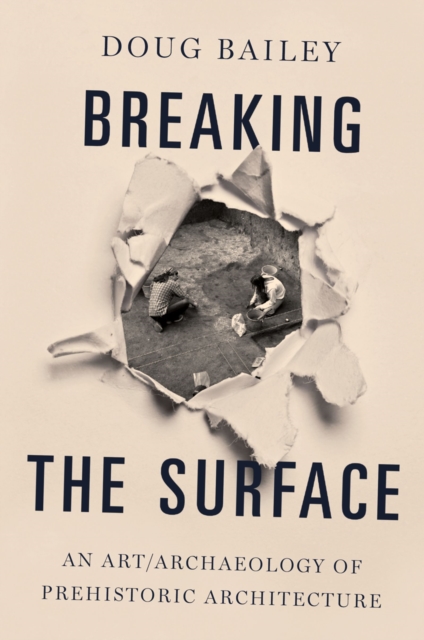
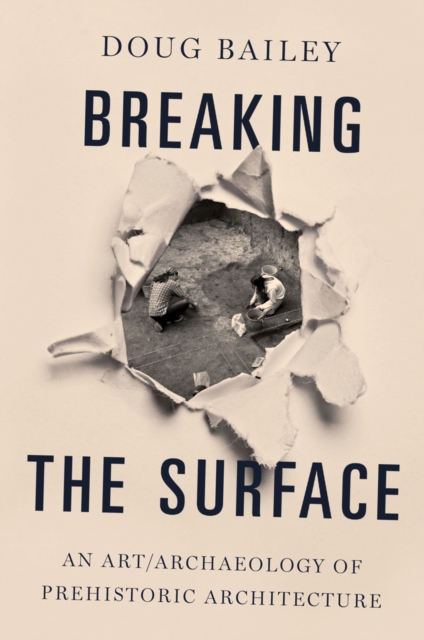
In Breaking the Surface, Doug Bailey offers a radical alternative for understanding Neolithic houses, providing much-needed insight not just into prehistoric practice, but into another way of doing archaeology.
In Breaking the Surface, Doug Bailey offers a radical alternative for understanding Neolithic houses, providing much-needed insight not just into prehistoric practice, but into another way of doing archaeology.
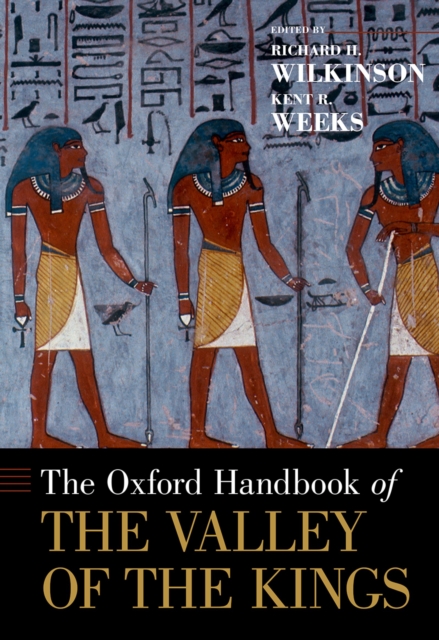
The royal necropolis of New Kingdom Egypt, known as the Valley of the Kings (KV), is one of the most important--and celebrated--archaeological sites in the world.
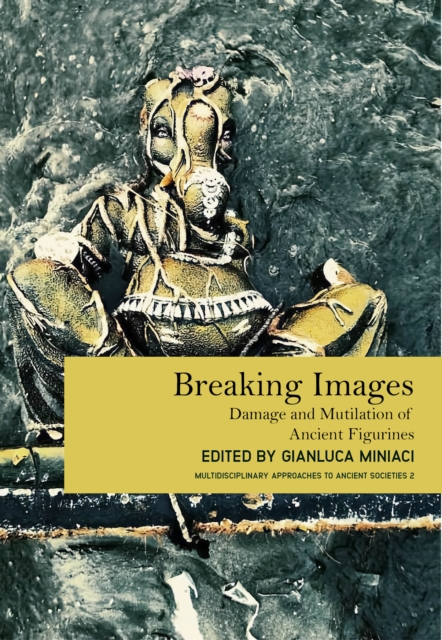
Archaeological remains are ‘fragmented by definition’: apart from exceptional cases, the study of the human past takes into account mainly traces, ruins, discards, and debris of past civilizations.
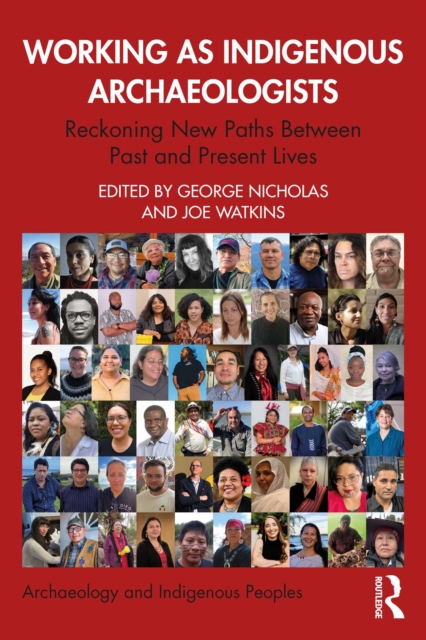
Working as Indigenous Archaeologists explores the often-contentious relationship between Indigenous and other formerly colonized peoples and Archaeology through their own voices.
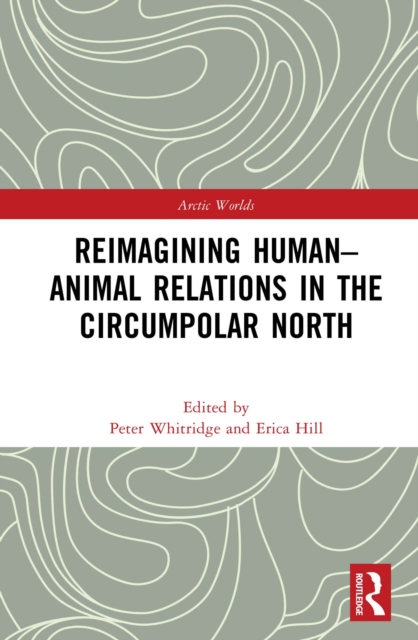
This volume provides fresh insight into northern human-animal relations and illustrates the breadth and practical utility of archaeological human-animal studies.
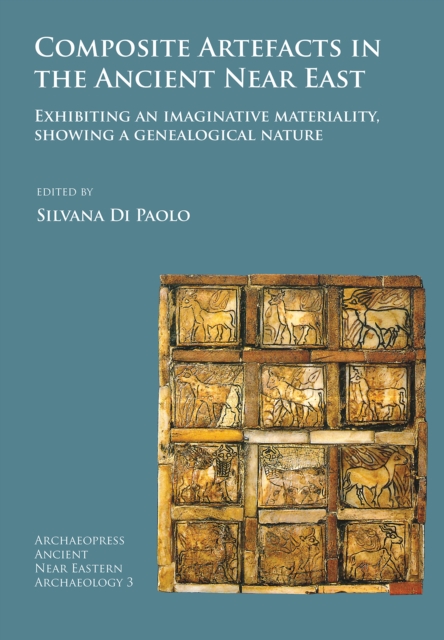
Composite Artefacts in the Ancient Near East: Exhibiting an imaginative materiality, showing a genealogical nature' examines the complex relationship between environment, materials, society and materiality with particular reference to the composite artefacts in the ancient Near East.
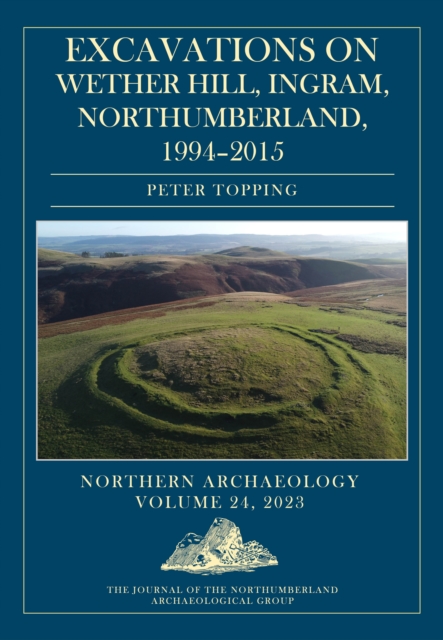
The Northumberland Archaeological Group’s (NAG) Wether Hill project spanned the years 1994–2015 and was located on the eponymous hilltop overlooking the mouth of the Breamish Valley in the Northumberland Cheviots.
This book explores coinage and related object types as an important form of material culture that is crucial to interrogating interactions between coloniser and colonised.