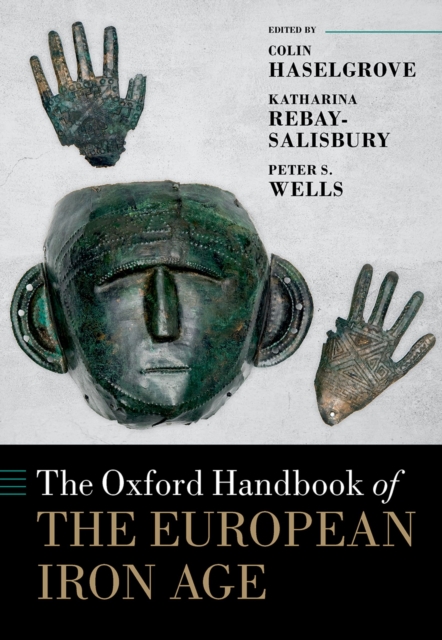
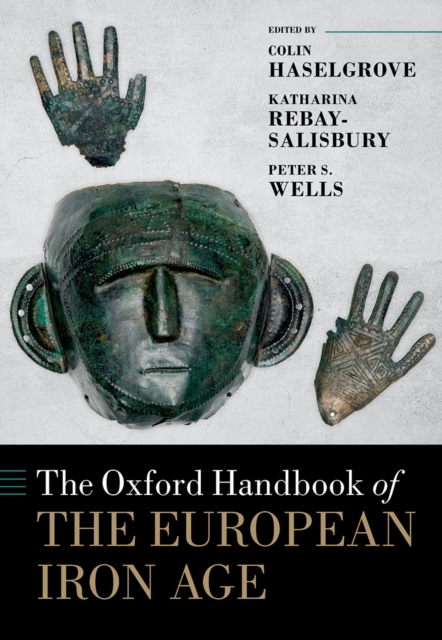
The Oxford Handbook of the European Iron Age presents a broad overview of current understanding of the archaeology of Europe from 1000 BC through to the early historic periods, exploiting the large quantities of new evidence yielded by the upsurge in archaeological research and excavation on this period over the last thirty years.
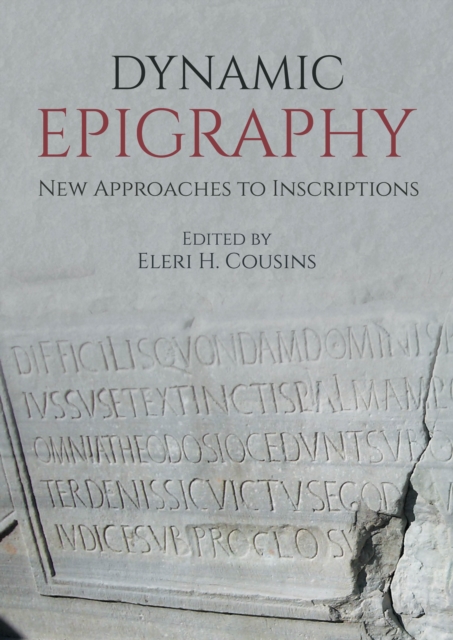
This volume, with origins in a panel at the 2018 Celtic Conference in Classics, presents creative new approaches to epigraphic material, in an attempt to 'shake up' how we deal with inscriptions.
The Prehistoric Rock Art of Portugal presents significant interpretive perspectives in Portuguese rock art research and offers an excellent representation of core rock art areas, along with current thinking and interpretations.
The Prehistoric Rock Art of Portugal presents significant interpretive perspectives in Portuguese rock art research and offers an excellent representation of core rock art areas, along with current thinking and interpretations.
This volume explores aspects of ancient magic and religion in the ancient Mediterranean, specifically ways in which religious and mythical ideas, including the knowledge and practice of magic, were transmitted and adapted through time and across Greco-Roman, Near Eastern, and Egyptian cultures.
This volume explores aspects of ancient magic and religion in the ancient Mediterranean, specifically ways in which religious and mythical ideas, including the knowledge and practice of magic, were transmitted and adapted through time and across Greco-Roman, Near Eastern, and Egyptian cultures.
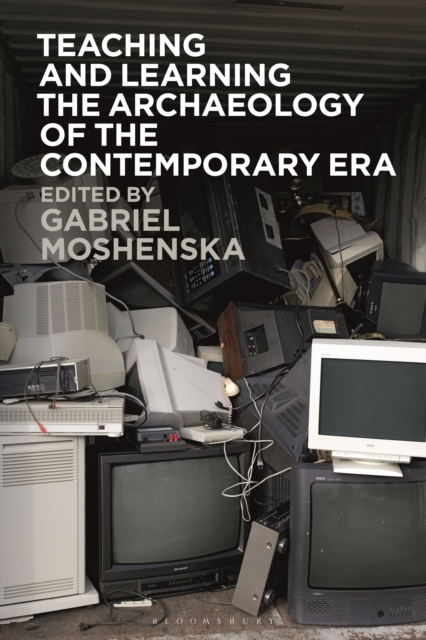
The tools and techniques of archaeology were designed for the study of past people and societies, but for more than a century a growing number of archaeologists have turned these same tools to the study of the modern world.
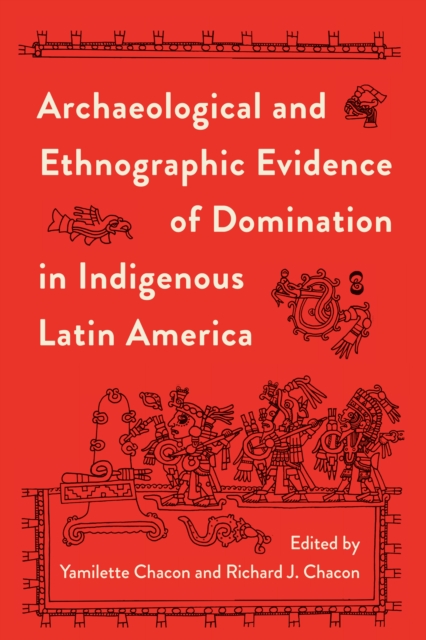
New data and interpretations that shed light on the nature of power relations in prehistoric and contemporary Indigenous societiesThis volume explores the nature of power relations and social control in Indigenous societies of Latin America.
The adoption of Christianity by the Egyptian populace was well underway by the late third century, but evidence for its presence in the archaeological record from the Nile valley is sparse.
The Oxford Handbook of the European Iron Age presents a broad overview of current understanding of the archaeology of Europe from 1000 BC through to the early historic periods, exploiting the large quantities of new evidence yielded by the upsurge in archaeological research and excavation on this period over the last thirty years.
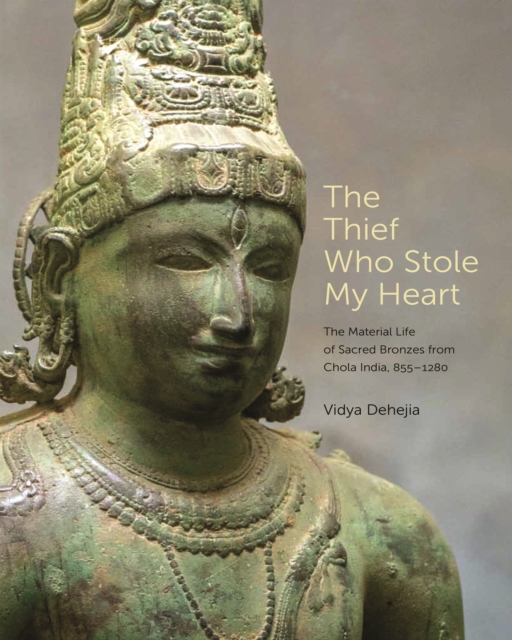
The first book to put the sacred and sensuous bronze statues from India's Chola dynasty in social contextFrom the ninth through the thirteenth century, the Chola dynasty of southern India produced thousands of statues of Hindu deities, whose physical perfection was meant to reflect spiritual beauty and divine transcendence.
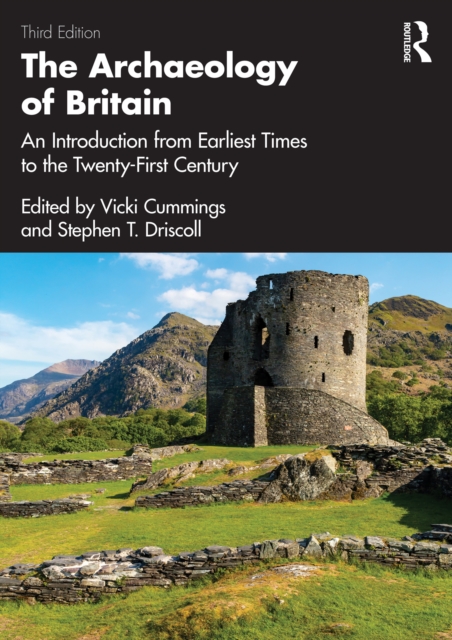
The Archaeology of Britain provides an up-to-date introduction to the archaeology of Britain from the reoccupation of the landmass by Homo sapiens during the later stages of the most recent Ice Age until last century.
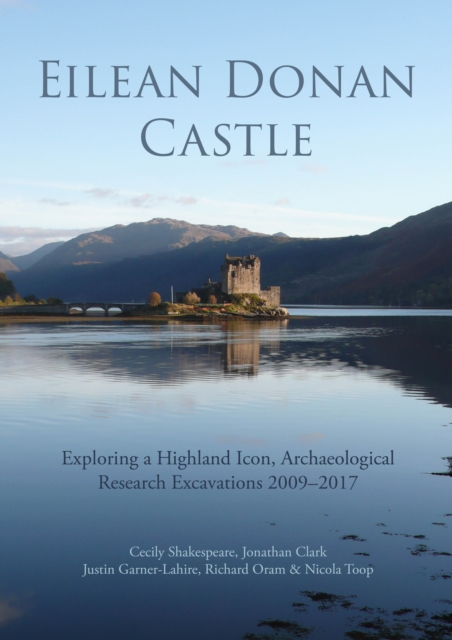
Now hard to believe, Eilean Donan Castle was once one of the largest castles in the west Highlands, known to have featured seven towers, the remains of which lie buried on the island.
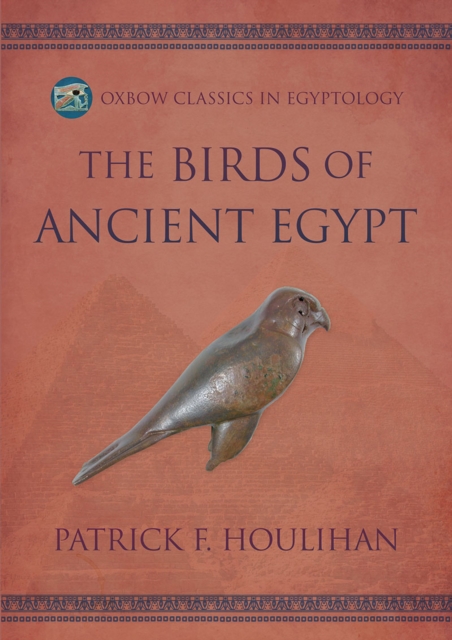
Hailed as a sumptuously produced and finely illustrated outstanding contribution to ancient Egyptian studies, this facsimile reprint of Patrick Houlihan’s 1986 comprehensive study makes a welcome return in the Oxbow Classics in Egyptology series.
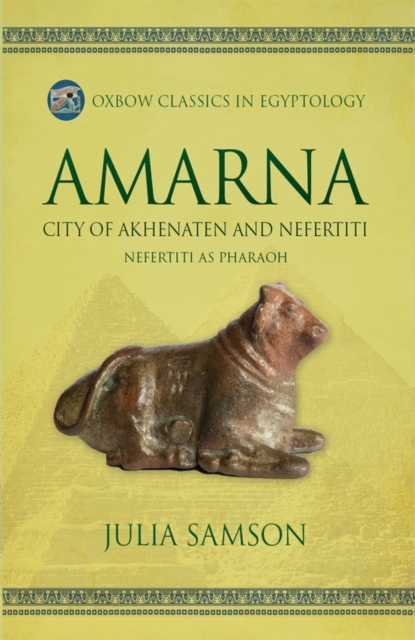
Tell el-Amarna is the modern name for the ancient Egyptian city of Akhenaten, situated in a bay of hills formed by the cliffs of the eastern desert about halfway between Cairo and Luxor.
Now hard to believe, Eilean Donan Castle was once one of the largest castles in the west Highlands, known to have featured seven towers, the remains of which lie buried on the island.
Hailed as a sumptuously produced and finely illustrated outstanding contribution to ancient Egyptian studies, this facsimile reprint of Patrick Houlihan’s 1986 comprehensive study makes a welcome return in the Oxbow Classics in Egyptology series.
Tell el-Amarna is the modern name for the ancient Egyptian city of Akhenaten, situated in a bay of hills formed by the cliffs of the eastern desert about halfway between Cairo and Luxor.
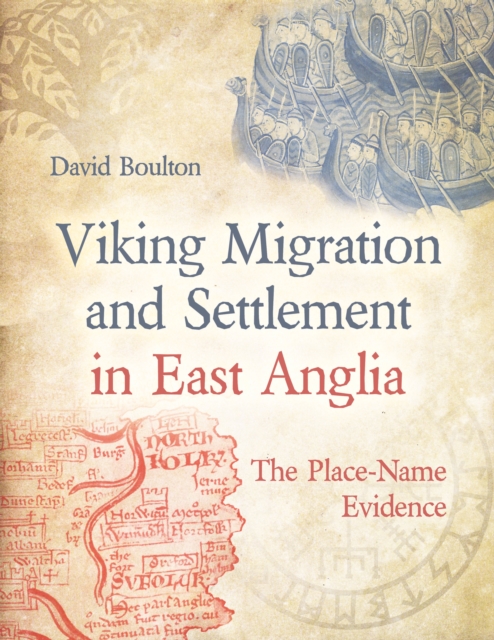
This book shows how analysis of Scandinavian-influenced place-names in their landscape contexts can provide crucial new evidence of differing processes of Viking migration and settlement in East Anglia between the late ninth and eleventh centuries.
Case studies combine archaeological data and oral tradition to illustrate how the archaeological expression of beliefs and meanings passed down in the oral tradition may be interpreted.
This English translation of Giorgio Buccellati's ambitious work offers readers an insightful discussion of ancient Mesopotamian religion and spirituality in its relationship to the biblical ethos.
This English translation of Giorgio Buccellati's ambitious work offers readers an insightful discussion of ancient Mesopotamian religion and spirituality in its relationship to the biblical ethos.
The topics of style and function within evolutionary archaeology have been the subject of great debate in the field of archaeology in general over the past two decades.
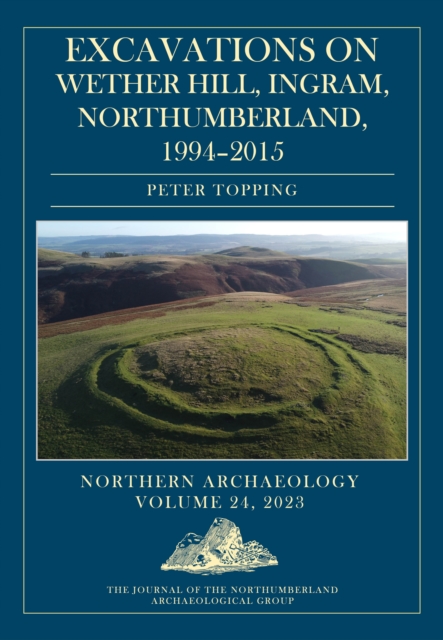
The Northumberland Archaeological Group’s (NAG) Wether Hill project spanned the years 1994–2015 and was located on the eponymous hilltop overlooking the mouth of the Breamish Valley in the Northumberland Cheviots.
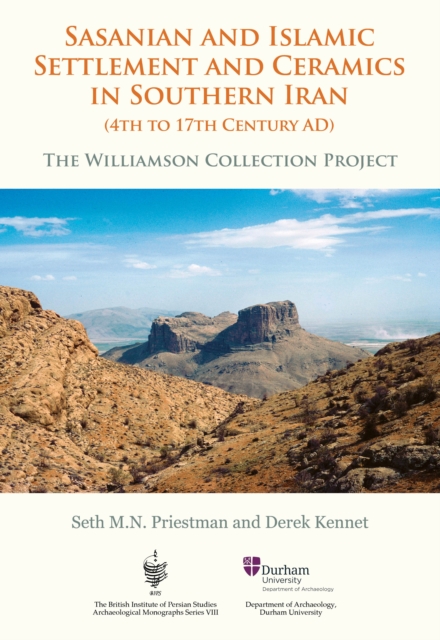
This monograph comprises the final publication of a study supported by the British Institute of Persian Studies and undertaken by Seth Priestman and Derek Kennet at the University of Durham.
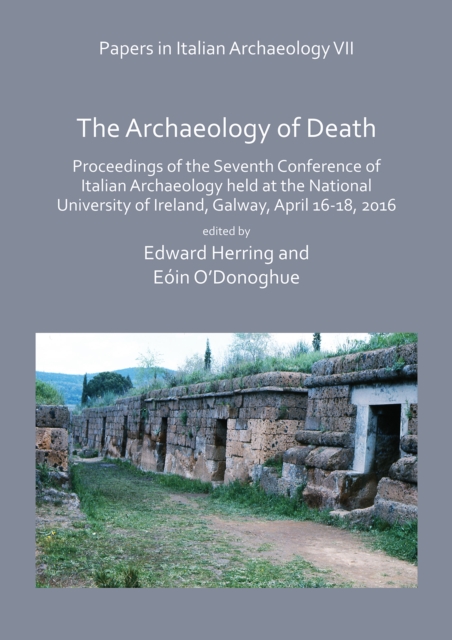
The Archaeology of Death: Proceedings of the Seventh Conference of Italian Archaeology' held at the National University of Ireland, Galway, April 16-18, 2016 includes more than 60 papers, with contributors from the British Isles, Italy and other parts of continental Europe, and North and South America, which consider recent developments in Italian archaeology from the Neolithic to the modern period.
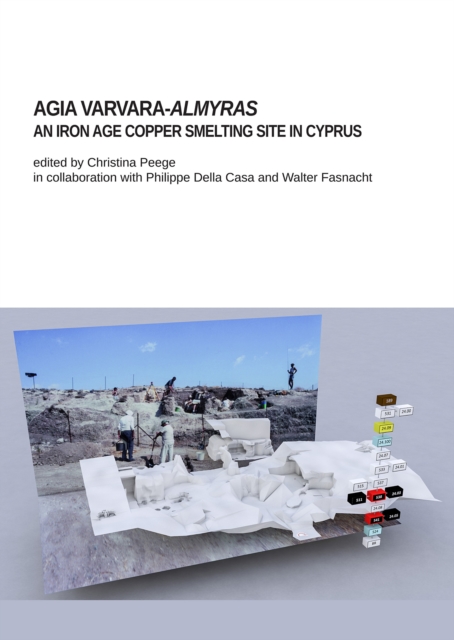
The Iron Age copper smelting site situated near the Cypriot village Agia Varvara is of particular importance among the ancient copper processing places in the Near East because it has revealed spatial as well as technological aspects of copper production in a hitherto rarely-seen depth of detail.