First published in 1979 this facsimile edition of Jeffrey Spencer’s comprehensive study provides a detailed account of the brick architecture of ancient Egypt.
The Allied Bombing of Central Italy examines the results of the Second World War Allied bombing campaign on Palestrina and Rome, Italy, and the long-term impact of the war on the mountainside town and on the Barberini family's art collection including the Nile Mosaic.
The Allied Bombing of Central Italy examines the results of the Second World War Allied bombing campaign on Palestrina and Rome, Italy, and the long-term impact of the war on the mountainside town and on the Barberini family's art collection including the Nile Mosaic.
This book uses archaeology and ethnohistory to explore the evidence for the survival of ancestral beliefs and practices related to health and healing in Indigenous Andean communities.
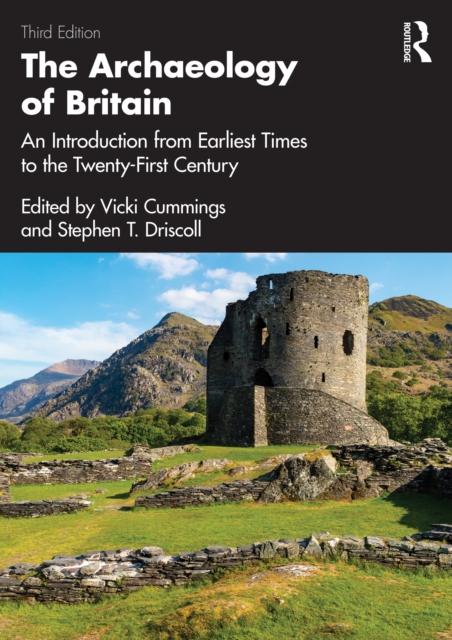
The Archaeology of Britain provides an up-to-date introduction to the archaeology of Britain from the reoccupation of the landmass by Homo sapiens during the later stages of the most recent Ice Age until last century.
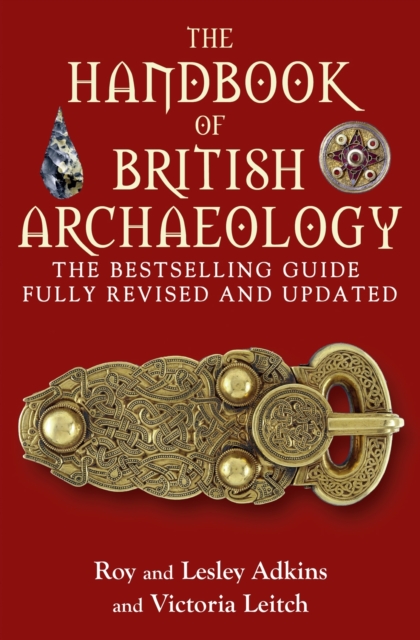
For over 25 years The Handbook of British Archaeology has been the foremost guide to archaeological methods, artefacts and monuments, providing clear explanations of all specialist terms used by archaeologists.
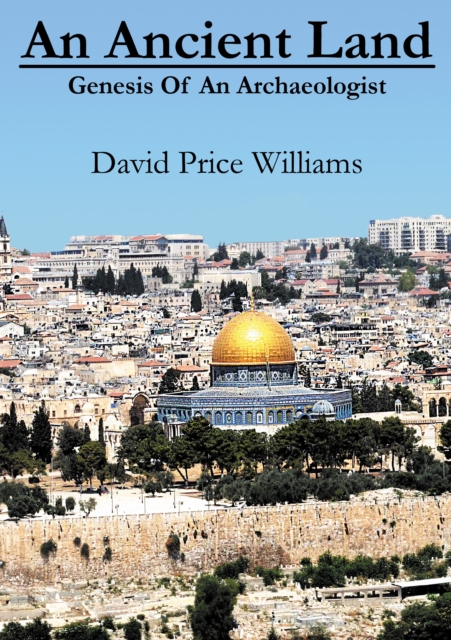
David Price Williams is a well-known Middle Eastern archaeologist and 'An Ancient Land: Genesis of an archaeologist' is an account of his work in the Holy Land, especially about his four-year multi-disciplinary expedition to find for the first time the effects of climatic change on human cultural and physical evolution.
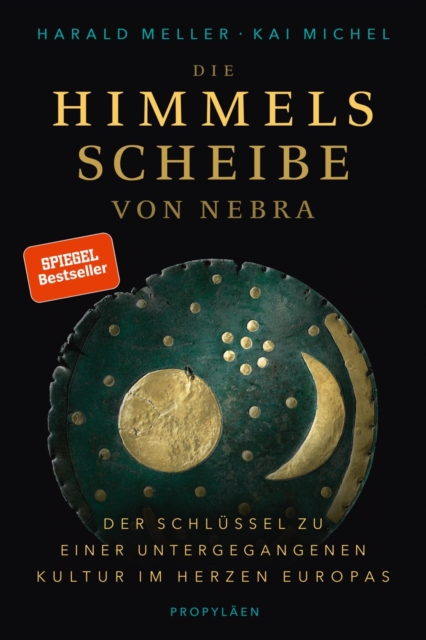
Sie ist die älteste Darstellung des Himmels, ihre Entdeckung war eine archäologische Sensation: Die Himmelsscheibe von Nebra stammt aus keiner Hochkultur des Altertums, sie wurde im Herzen Europas gefunden.
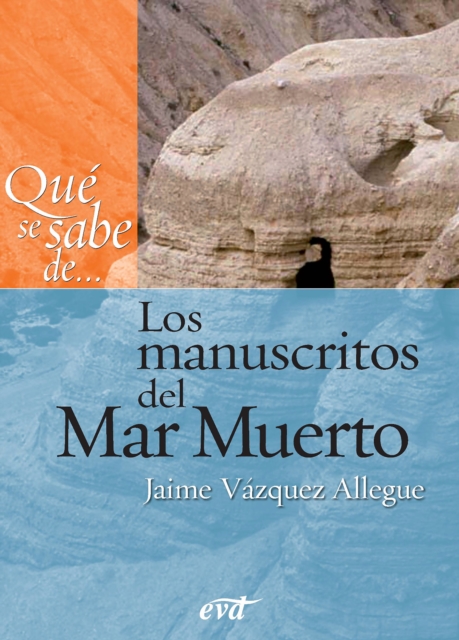
En 1947 tuvo lugar el descubrimiento de los manuscritos del Mar Muerto, más de 800 papiros y pergaminos escritos en hebreo, arameo y griego entre el año 150 a.
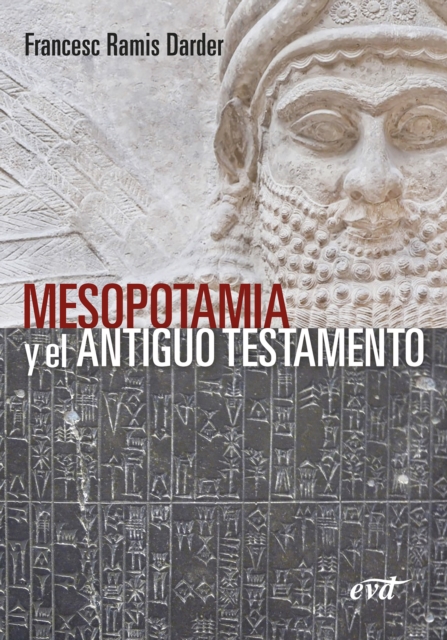
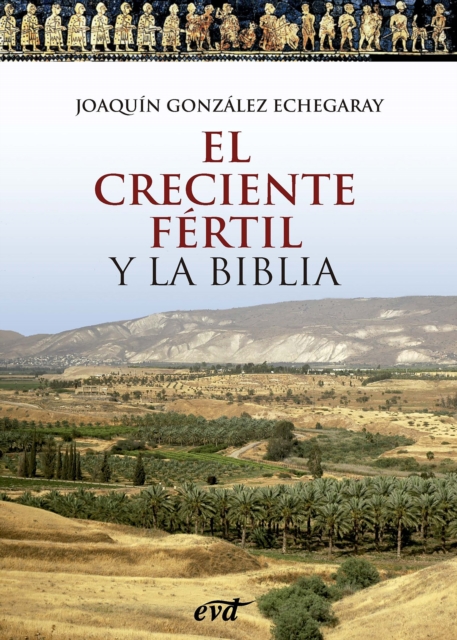
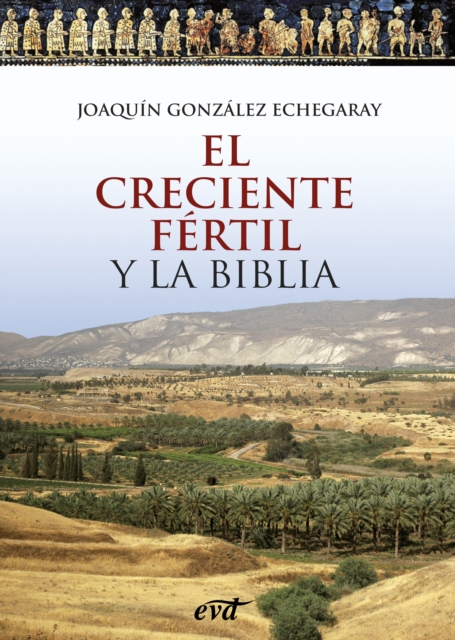
El conocimiento de la historia y la literatura de Mesopotamia constituye el entramado necesario para la buena comprensión de la Biblia, especialmente del Antiguo Testamento.
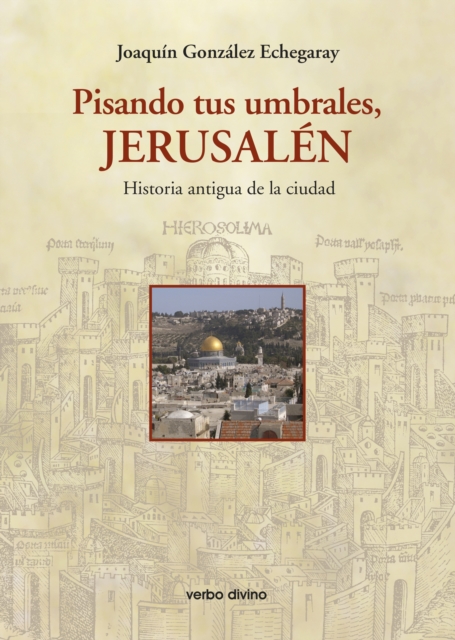
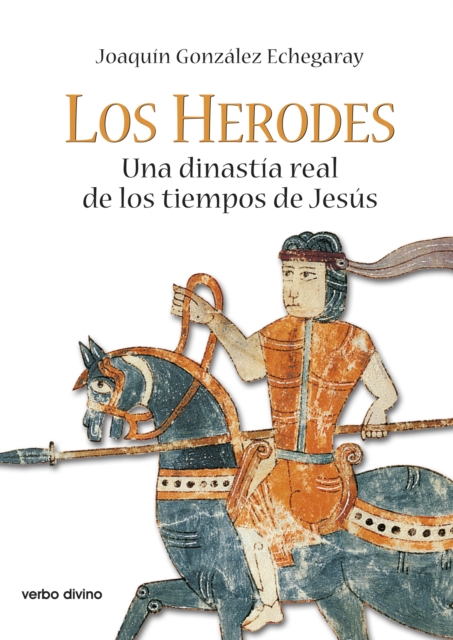
Joaquín González Echegaray, arqueólogo de reconocido prestigio en los los estudios del Próximo Oriente, ofrece en esta obra una visión bien contrastada sobre las cuatro generaciones de la dinastía de los Herodes, personajes que estuvieron en contacto directo con Jesús y los primeros cristianos.
Para poder leer y comprender la Biblia, resulta hoy imprescindible conocer el mundo en el que se desarrollan los apasionantes relatos que allí se contienen.
Para poder leer y comprender la Biblia, resulta hoy imprescindible conocer el mundo en el que se desarrollan los apasionantes relatos que allí se contienen.
Los vestigios de la vida de los pueblos cazadores–recolectores que habitaron la región que hoy ocupa Coahuila, resultan parte invaluable del patrimonio cultural de la entidad.
Recent books about Jesus and early Christianity can be divided into two kinds: those that examine the life and work of the historical Jesus prior to his death and those that reconstruct events between Jesus' death and the writings of the first Gospels.
This is the first full biography of James Rendel Harris (1852-1941), Bible and patristic scholar, manuscript collector, Quaker theologian, devotional writer, traveller, folklorist, and relief worker.
Whilst the greatest effort has been made to ensure the quality of this text, due to the historical nature of this content, in some rare cases there may be minor issues with legibility.
Whilst the greatest effort has been made to ensure the quality of this text, due to the historical nature of this content, in some rare cases there may be minor issues with legibility.
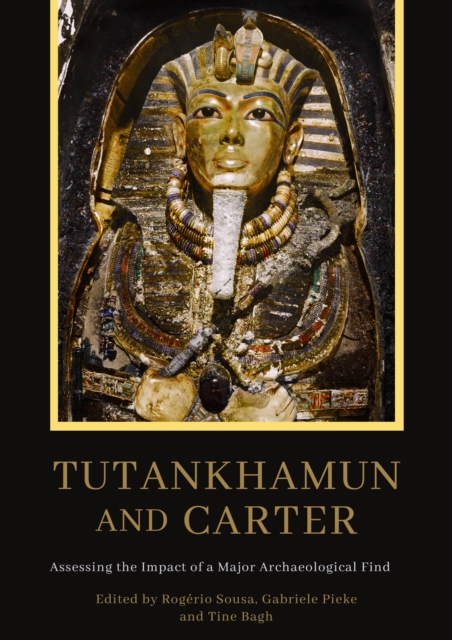
First scholarly, multi-disciplinary re-assessment of Howard Carter's discovery and excavation of Tutenkhamun's tomb and the impact of the find on our understanding of the material culture of Ancient Egypt.
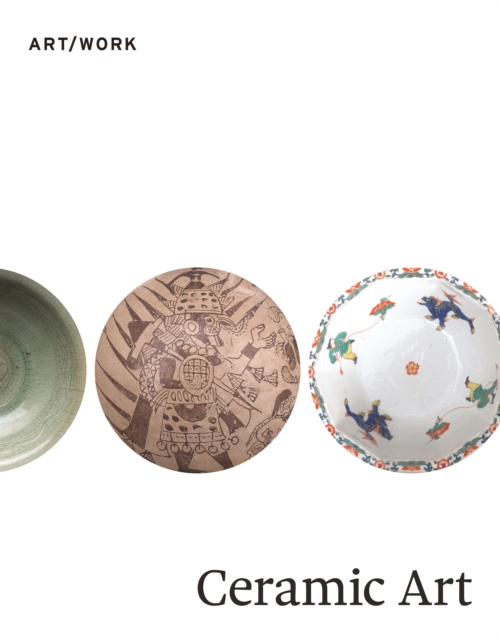
A new examination of the history of ceramic art, spanning ancient to modern times, emphasizing its traditions, materials, and methods of makingConcise but comprehensive, Ceramic Art brings together the voices of art historians, conservators, and artists to tell the history of making art from fired clay.
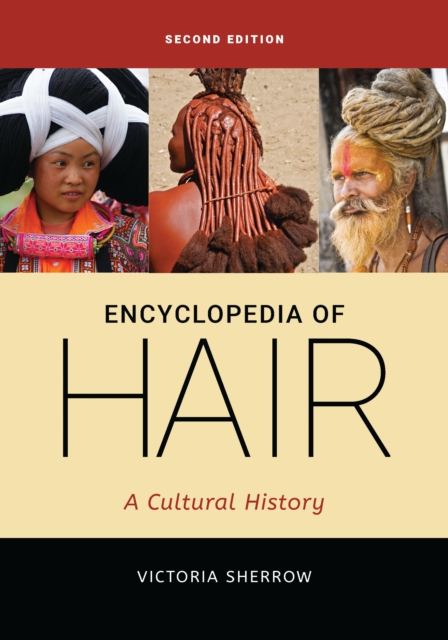
This popular volume on the culture of hair through human history and around the globe has been updated and revised to include even more entries and current information.
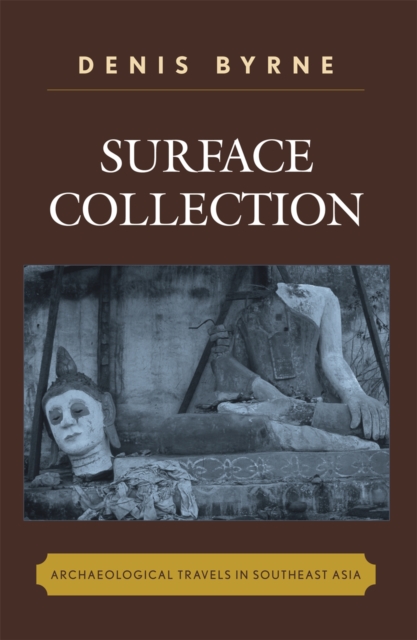
Written as a travelogue, Surface Collection: Archaeological Travels in Southeast Asia tackles the most pressing issues of cultural-heritage management in an engaging and accessible way.
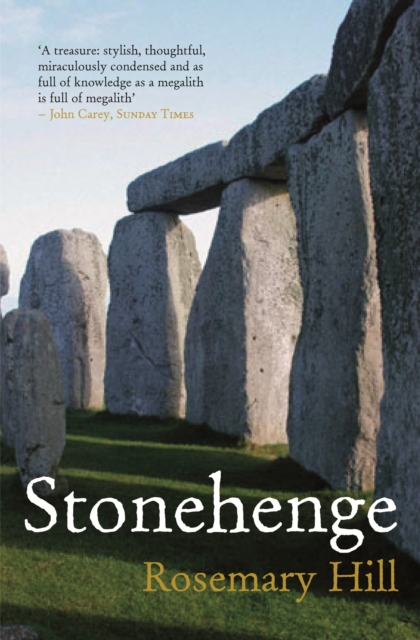
Stonehenge is woven into the earliest Arthurian legends and has been analysed by everyone from archaeologists, to town planners, to the Druids who have made it their spiritual home.
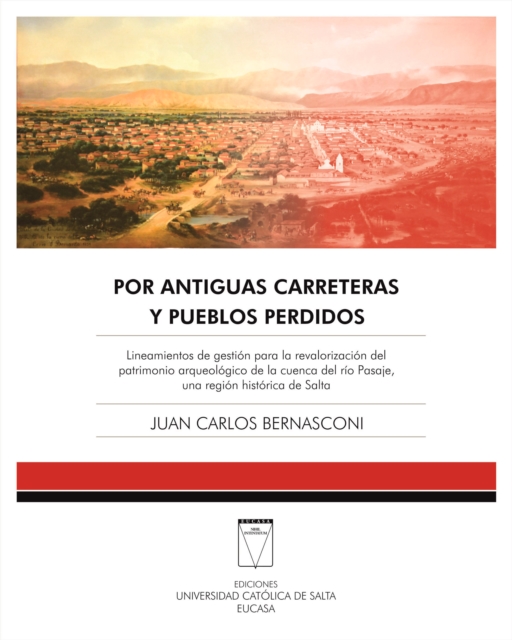
Desde una perspectiva compleja, este documento piensa primero en la comunidad actual del lugar (la cuenca media del río Pasaje o Juramento, ubicada en el sureste de la provincia de Salta), indagando en su propia historia, con el objetivo de valorar su patrimonio arqueológico, clara evidencia de que el territorio fue y es propicio para el desarrollo de la vida.
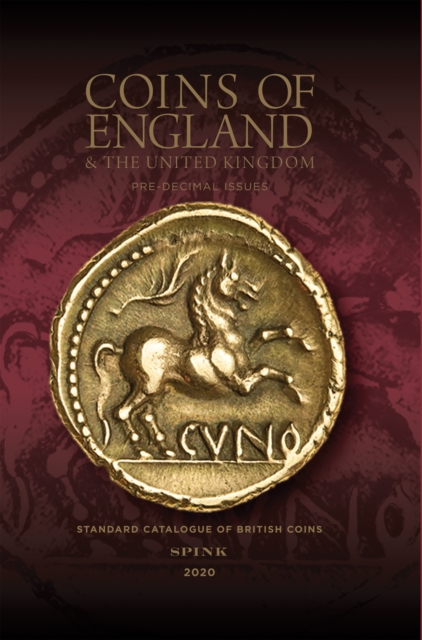
This historic reference work for British coins is still the only catalogue to feature every major coin type from Celtic to the present day, arranged in chronological order and divided into metals under each reign, then into coinages, denominations and varieties.
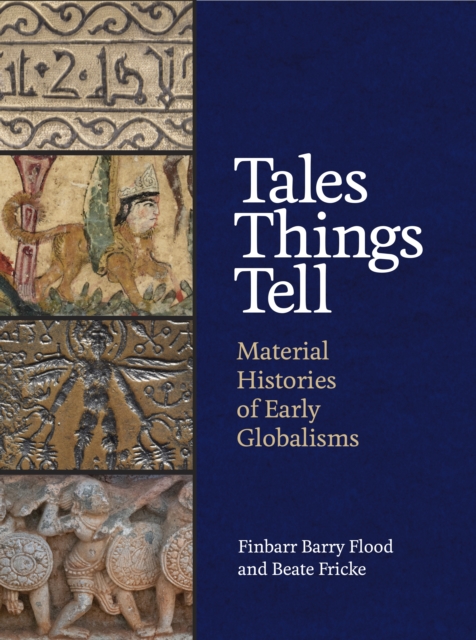
New perspectives on early globalisms from objects and imagesTales Things Tell offers new perspectives on histories of connectivity between Africa, Asia, and Europe in the period before the Mongol conquests of the thirteenth century.
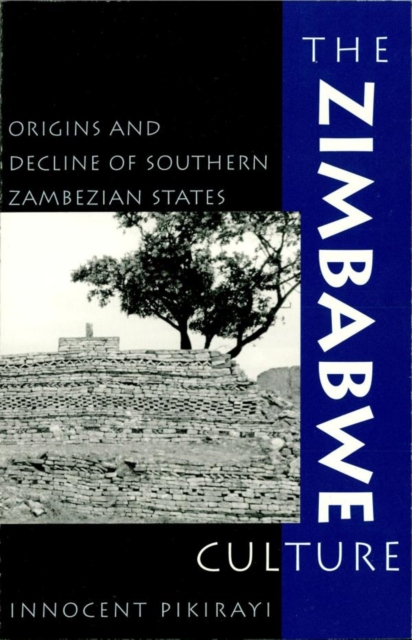
Offering a unique and original perspective on the rise and fall of indigenous states of southern Zambezia, The Zimbabwe Culture analyzes the long contentious history of the remains of the remarkable cyclopean masonry, ranging from mighty capitals of traditional kings to humble farmsteads.
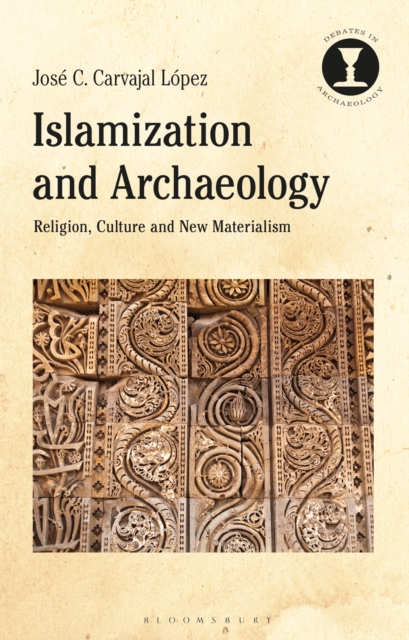
This fresh approach to the study of Islamization proposes an innovative conceptual framework that treats the subject as a particular case of cultural change.
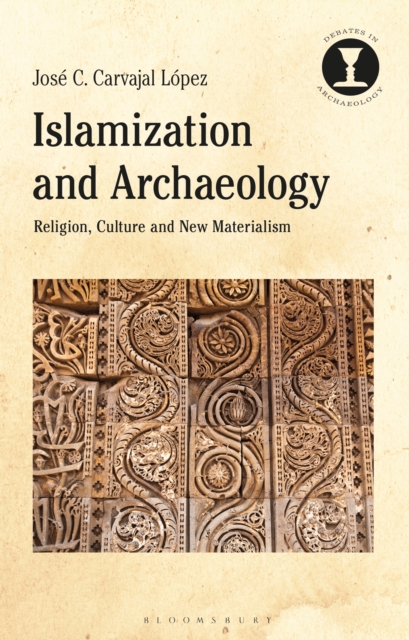
This fresh approach to the study of Islamization proposes an innovative conceptual framework that treats the subject as a particular case of cultural change.