A beautiful new edition of a classic work of landscape history, in which Alfred Watkins introduced the idea of ancient 'ley lines' criss-crossing the English countryside.
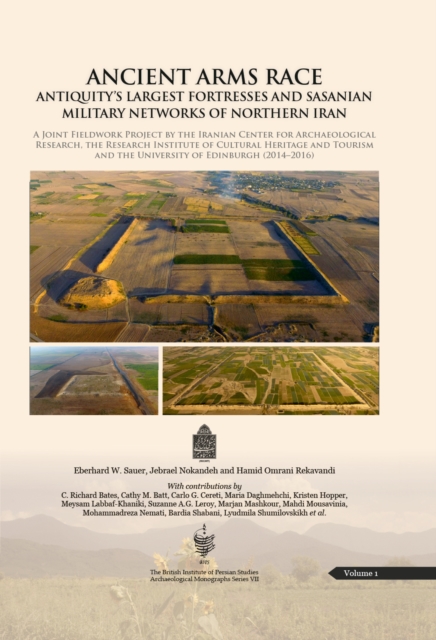
The Huns, invading through Dariali Gorge on the modern-day border between Russia and Georgia in AD 395 and 515, spread terror across the late antique world.
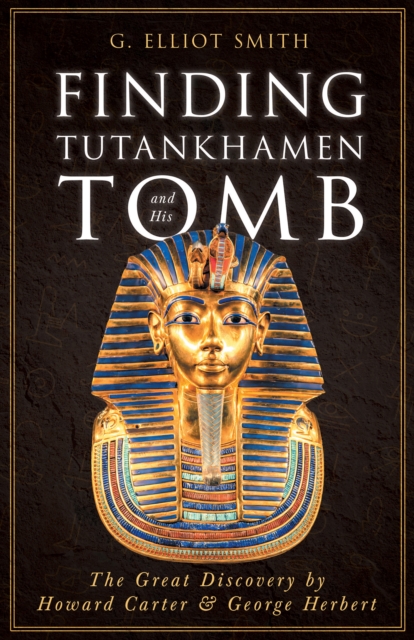
Over a century after his discovery, this comprehensive biography of Tutankhamun explores a wealth of evidence, including archaeological and ancient textual sources, DNA analysis and CT scanning, bringing to life a pharaoh who has remained elusive apart from his grandiose tomb treasures.
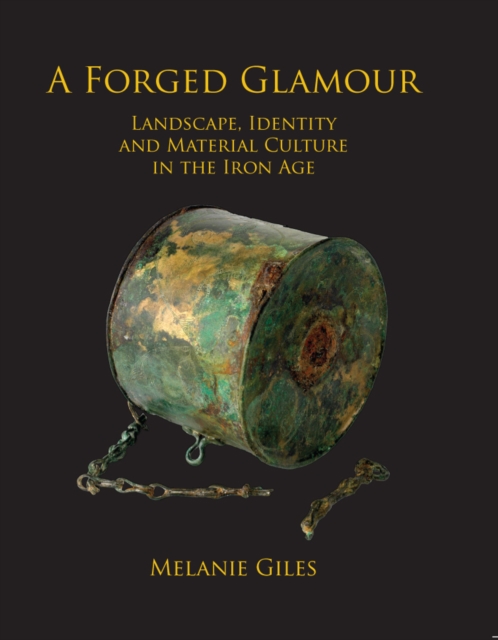
A Forged Glamour, which takes its title from a poem, is an exploration of the lives and deaths of ironworking communities renowned for their spectacular material culture, who lived in modern-day East and North Yorkshire, between the 4th and 1st centuries BC.
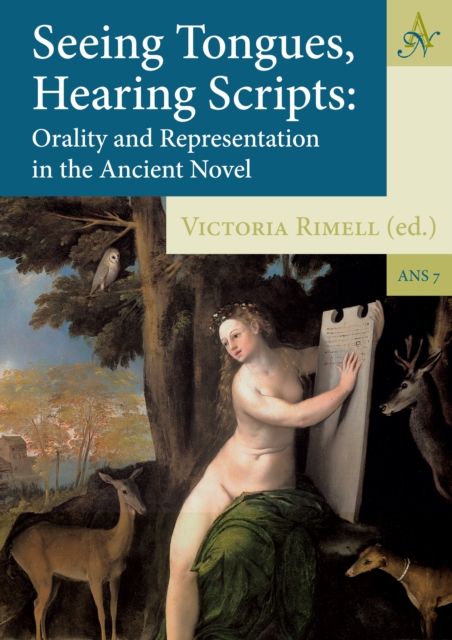
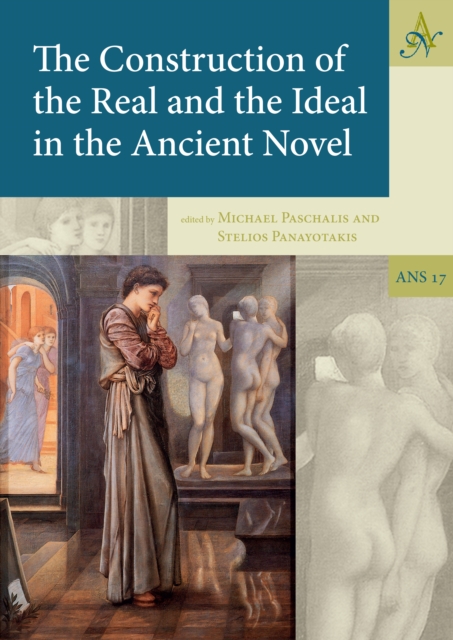
The Greek and Roman novels can be seen as an important transitional moment in the trajectory from performance to reading, from oralism to textuality, that has underpinned the history of discourse in European consciousness since the 5th century BC.
This thematic fourth Supplementum to Ancient Narrative, entitled Metaphor and the Ancient Novel, is a collection of revised versions of papers originally read at the Second Rethymnon International Conference on the Ancient Novel (RICAN 2) under the same title, held at the University of Crete, Rethymnon, on May 19-20, 2003.
A collection of articles from the Daily Telegraph's 1922 reporting on Howard Carter's discovery and excavation of the ancient Egyptian tomb of Tutankhamen.
Many hermitages and eremitic communities are recorded throughout the medieval period, yet to date, there has been no comprehensive archaeological study.
Many hermitages and eremitic communities are recorded throughout the medieval period, yet to date, there has been no comprehensive archaeological study.
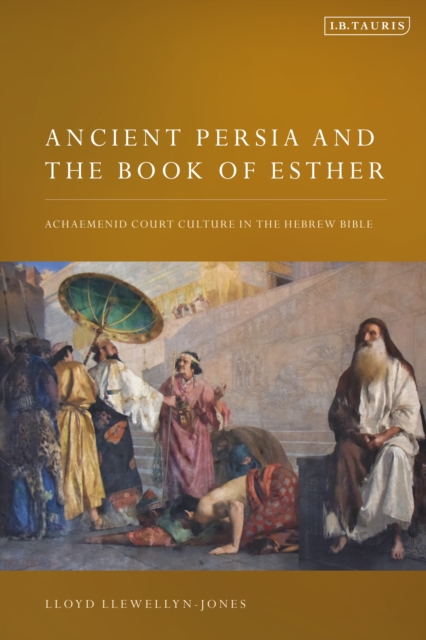
A Spectator 2023 Book of the YearEsther is the most visual book of the Hebrew Bible and was largely crafted in the Fourth Century BCE by an author who was clearly au fait with the rarefied world of the Achaemenid court.
A Spectator 2023 Book of the YearEsther is the most visual book of the Hebrew Bible and was largely crafted in the Fourth Century BCE by an author who was clearly au fait with the rarefied world of the Achaemenid court.
This book explores how past peoples navigated and created power structures and social relationships, using a case study from the Titicaca Basin of Bolivia (800 BC-AD 400).
This book explores how past peoples navigated and created power structures and social relationships, using a case study from the Titicaca Basin of Bolivia (800 BC-AD 400).
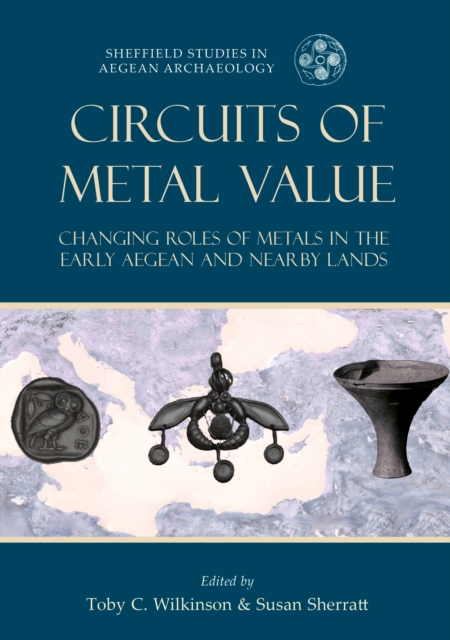
This volume explores the part played by different metals in use from the fourth millennium BC to the Early Iron Age, not only in the Aegean but also in the wider Old World.
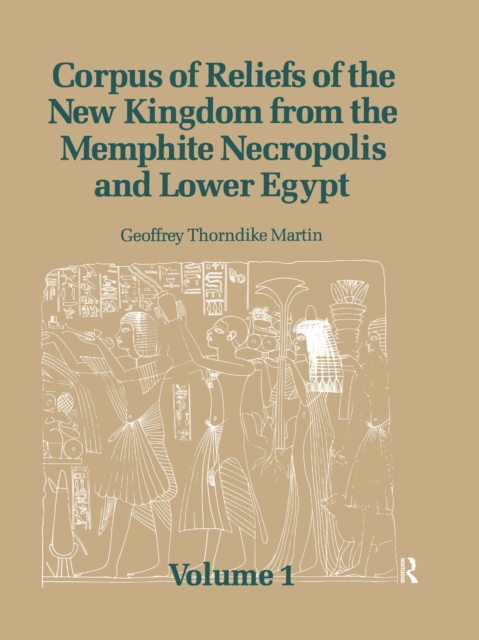
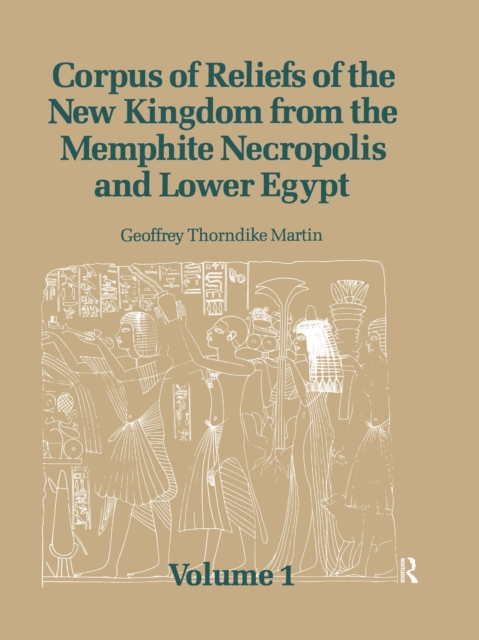
One of the remarkable anomalies of Egyptian History is that the source material for the study of one of the country's principal settlements sites and one of the greatest cities of antiquity-Memphis-is comparatively scarce.
One of the remarkable anomalies of Egyptian History is that the source material for the study of one of the country's principal settlements sites and one of the greatest cities of antiquity-Memphis-is comparatively scarce.
The nature of historical and archaeological research is such that biblical and archaeological evidence should both be taken into account so that we can attain a more reliable reconstruction of ancient Israel.
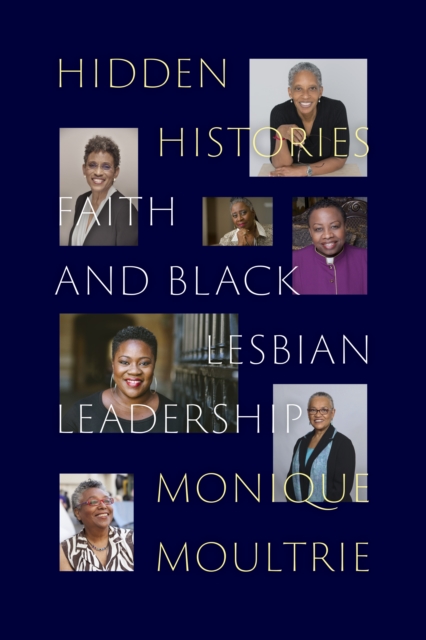
In Hidden Histories, Monique Moultrie collects oral histories of Black lesbian religious leaders in the United States to show how their authenticity, social justice awareness, spirituality, and collaborative leadership make them models of womanist ethical leadership.
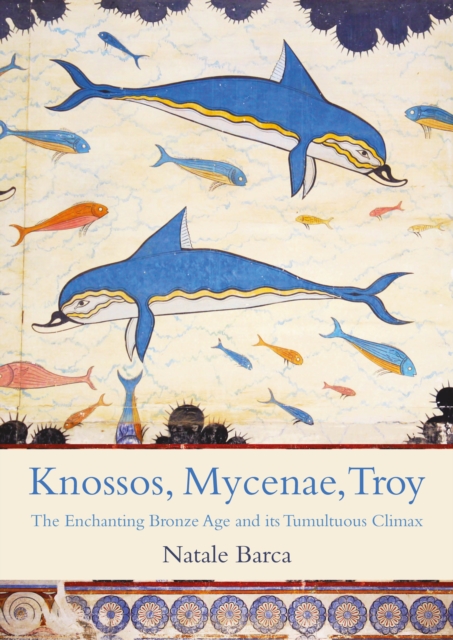
This work puts a particular emphasis on the mixing and osmosis of the first Mediterranean civilizations, with particular reference to the Minoan, Cycladic, Mycenaean, and Trojan, and on the causes of their decline, which are to be identified in a jumble of natural and human causes, and in a long-lasting, slow, but irreversible crisis.
This work puts a particular emphasis on the mixing and osmosis of the first Mediterranean civilizations, with particular reference to the Minoan, Cycladic, Mycenaean, and Trojan, and on the causes of their decline, which are to be identified in a jumble of natural and human causes, and in a long-lasting, slow, but irreversible crisis.
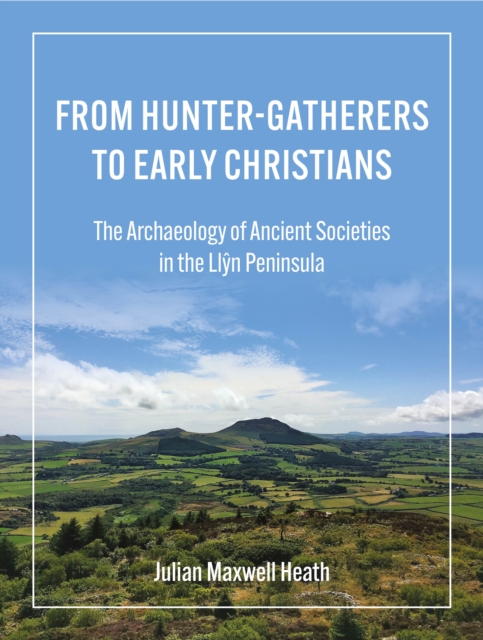
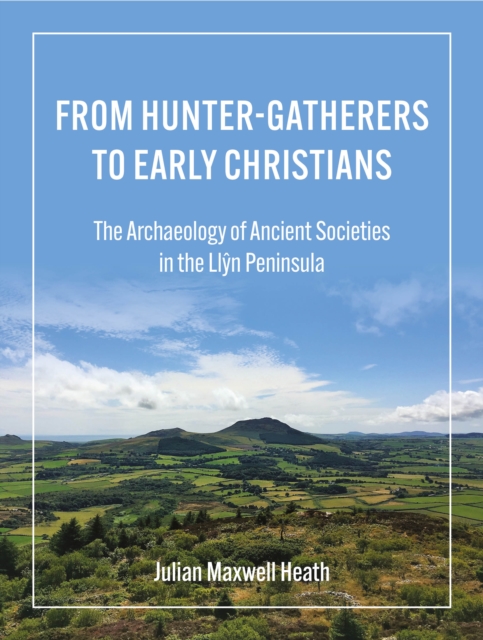
Jutting out some thirty miles into the Irish Sea, from the western edge of Snowdonia, the Llŷn Peninsula, in north-west Wales, is renowned for its stunning beaches and countryside, with much of its landscape designated as an Area of Outstanding Natural Beauty.
Jutting out some thirty miles into the Irish Sea, from the western edge of Snowdonia, the Llŷn Peninsula, in north-west Wales, is renowned for its stunning beaches and countryside, with much of its landscape designated as an Area of Outstanding Natural Beauty.
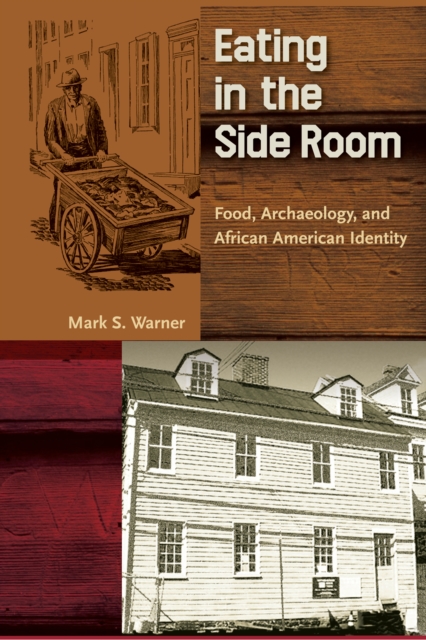
An archaeological study of African American foodways in nineteenth-century AnnapolisIn Eating in the Side Room, Mark Warner uses the archaeological data of food remains recovered from excavations in Annapolis, Maryland, and the Chesapeake to show how African Americans established identity in the face of pervasive racism and marginalization.
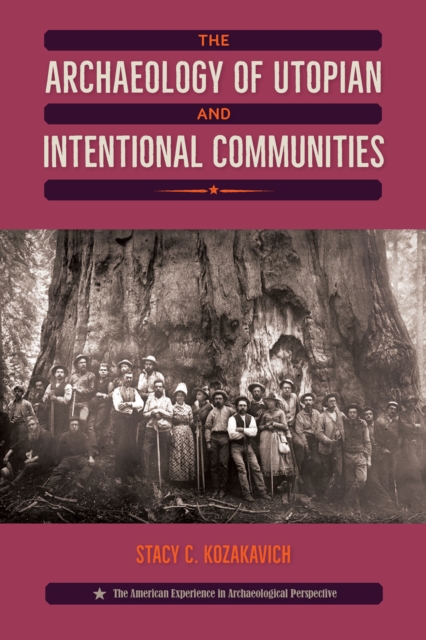
Reconstructing the past of intentional communities from across the United StatesUtopian and intentional communities have dotted the American landscape since the colonial era, yet only in recent decades have archaeologists begun analyzing the material culture left behind by these groups.