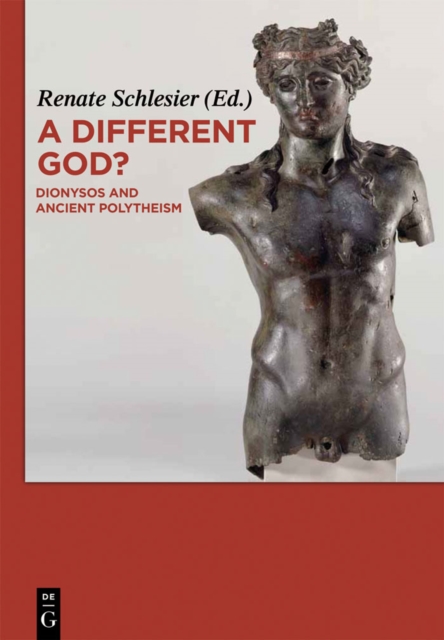
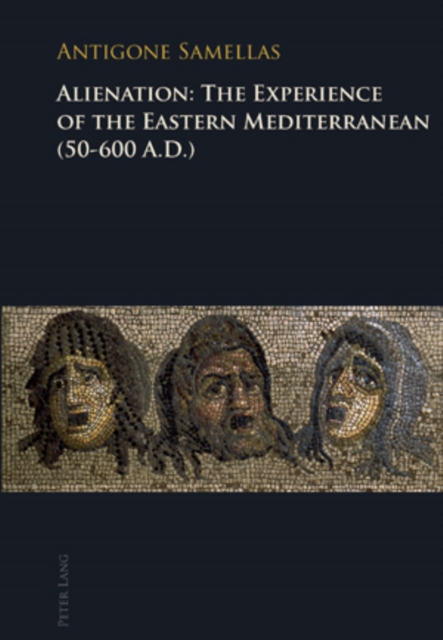
Within modern frameworks of knowledge and representation, Dionysos often appears to be atypical for ancient culture, an exception within the context of ancient polytheism, or even an instance of a difference that anticipates modernism.
The theatre of Diokaisareia (Cilicia, Asia Minor) has been partially excavated in 1993 by a team of Turkish archaeologists, when a large part of the cavea and part of the scaena have been brought to light.
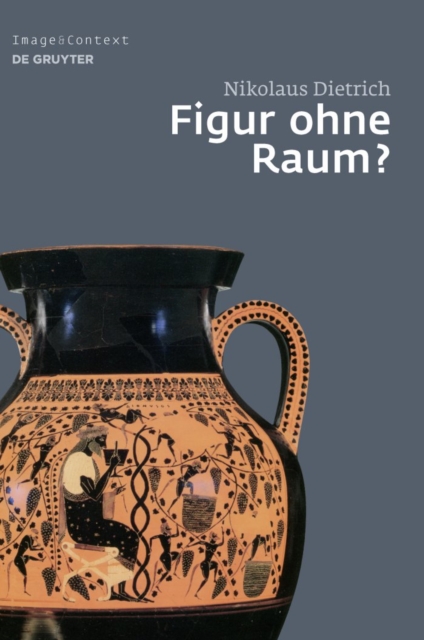
Nikolaus Dietrich legt ein neues Modell zum Verständnis der Räumlichkeit griechischer Bilder vor, das er anhand der Analyse von Landschaftselementen in der attischen Vasenmalerei des 6.
Im Zentrum der Arbeit steht die historische Interpretation der reich mit Grabbeigaben ausgestatteten Friedhöfe des frühmittelalterlichen Merowingerreichs.
Der Band Literarische Texte aus Ur: Kollationen und Kommentare zu UET 6/1-2 soll das seit langem bestehende Desideratum erfüllen, die Kopien der von C.
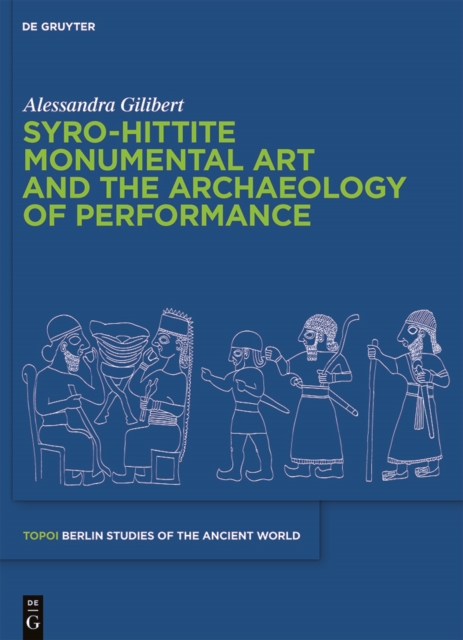
The ceremonial centers of the Syro-Hittite city-states (1200-700 BC) were lavishly decorated with large-scale, open-air figurative reliefs - an original and greatly influential artistic tradition that has captivated the imagination of its contemporaries as well as that of modern scholars.
Der Sammelband enthält insgesamt 17 Beiträge von Archäologen, Historikern und Sprachwissenschaftlern, die sich im Oktober 2006 an der Universität Jena zu einem interdisziplinären Kolloquium getroffen haben, um den Forschungsstand ihrer jeweiligen Disziplin zur frühen thüringischen Geschichte miteinander zu vergleichen.
Dieser Band enthält die überarbeiteten Versionen von Vorträgen, die während der ersten fünf internationalen Symposien für Altorientalische Sprachen und Kulturen in den Jahren 1998 bis 2004 an der Theologischen Fakultät der Universität Tartu, Estland, von Wissenschaftlern aus Deutschland, England, den USA, Finnland und neuerdings auch Russland gehalten wurden.
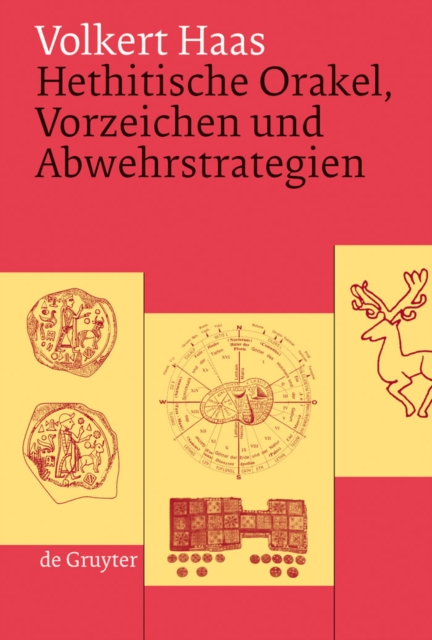
Das vorliegende Buch stellt in allgemein verständlicher Form die vielfältigen und oft auch höchst komplizierten Orakeltechniken vor, die eine verbale Kommunikation mit den Göttern ermöglichen.
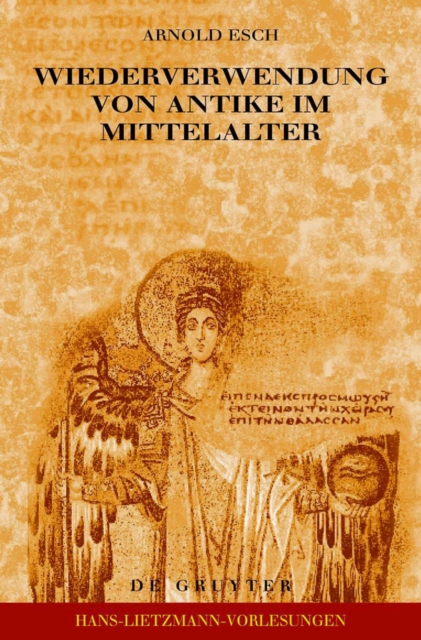
Antike Architekturteile wie Säulen, Kapitelle, Gesimse, aber auch Statuen, Sarkophage, Reliefs, Inschriften sind im Mittelalter einfallsreich wiederverwendet worden, wobei die Motive von bloßer materieller Verwertung über interpretatio christiana bis zu politischer Legitimierung reichen.
Mit zahlreichen Karten, Illustrationen und farbigen Abbildungen gibt der weltweit renommierte Experte Neil Price einen verblüffenden Einblick in die Welt der Wikinger: Waren sie wirklich die brandschatzenden Seefahrer und gewaltsamen Eroberer aus den Legenden?
Mit den thasischen Münzen und den Tetradrachmen des "thasischen Typs" wird die umfangreichste Prägung der Zeit des Übergangs vom späthellenistischen zum frührömischen Finanzsystem auf dem Balkan erstmals umfassend zusammengestellt und untersucht.
The ancient Near East is a construct defined by present-day scientific investigations, a construct whose temporal and spatial boundaries are fuzzy, constantly shifting under the weight of new empirical data and increasingly sophisticated analytical methods.
Die Stadt Rom und ihre Monumente waren in der Spätantike für Kaiser, Senatorenstand und christliche Autoren Bezugspunkt der Selbstdarstellung und Fixpunkt des eigenen Geschichtsbildes.
This book explores the function and socio-cultural significance of rural bathhouses, seeking to redefine our understanding of the relationships between these buildings and the identities of the communities residing in the countryside of Roman Britain.
Prehistory covers the period of some 4 million years before the start of written history, when our earliest ancestors, the Australopithecines, existed in Africa.
This book is a collective reflection on the relationship between theory and methods, as practiced by American archaeologists of the Byzantine period in Greece, Turkey, Ukraine, and Egypt between the 1990s and 2020s.
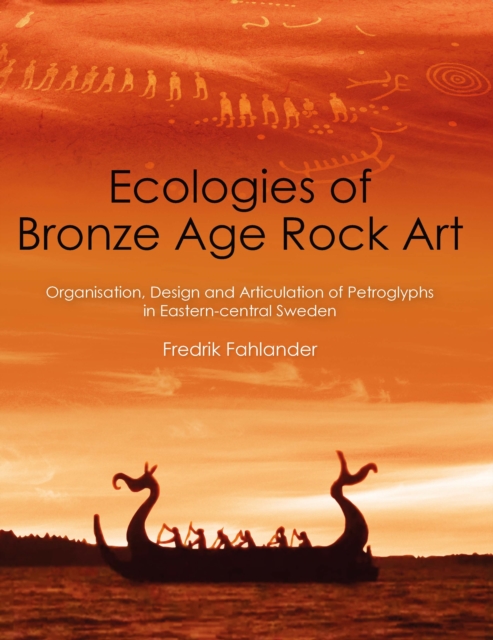
A consideration of the rock art of the Malaren bay region exploring the potential efficacy of petroglyphs as physical devices through organization, design, and articulation.