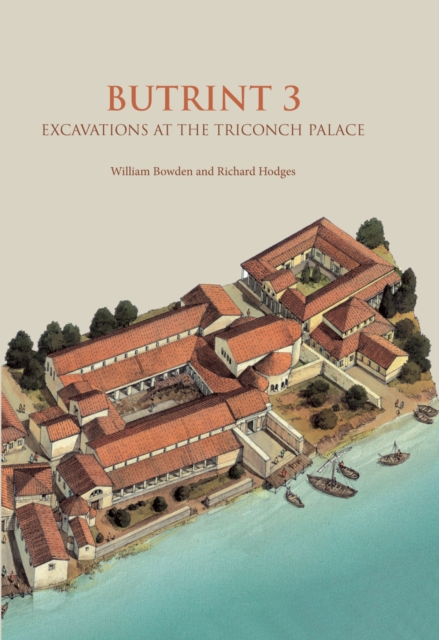
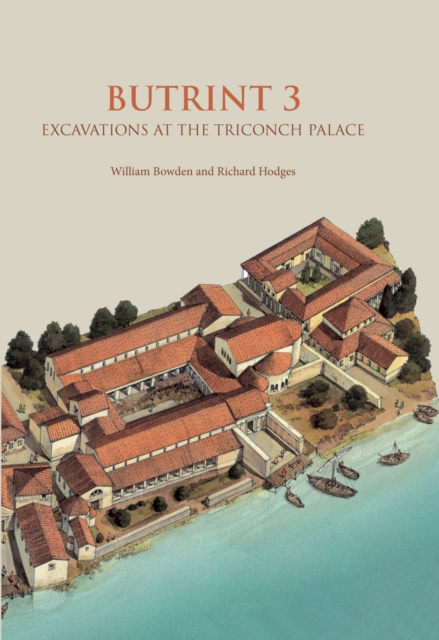
This engaging and well-illustrated volume describes the excavations of a large urban sector, the so-called Triconch Palace, of the Adriatic seaport of Butrint.
This engaging and well-illustrated volume describes the excavations of a large urban sector, the so-called Triconch Palace, of the Adriatic seaport of Butrint.
Recent archaeological work has shown that South Italy was densely occupied at least from the Late Bronze Age, with a marked process of the development of proto-urban centres, accompanied by important technological transformations.
Recent archaeological work has shown that South Italy was densely occupied at least from the Late Bronze Age, with a marked process of the development of proto-urban centres, accompanied by important technological transformations.
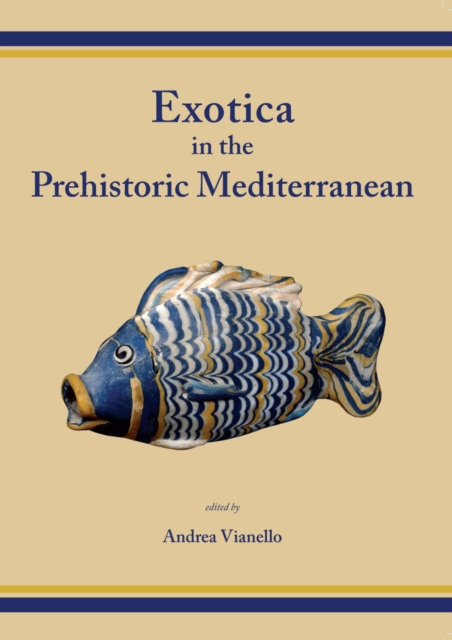
This book examines how exotic materials were exchanged and used across the Mediterranean from the Neolithic era to the Iron Age, focusing on the Bronze Age.
This book examines how exotic materials were exchanged and used across the Mediterranean from the Neolithic era to the Iron Age, focusing on the Bronze Age.
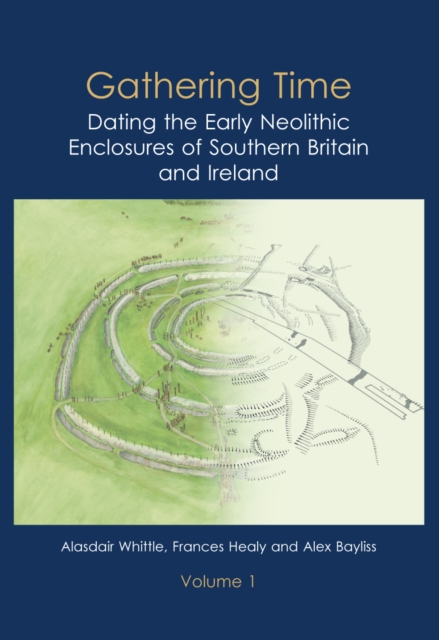
Gathering Time presents the results of a major dating programme that re-writes the early Neolithic of Britain by more accurately dating enclosures, a phenomenon that first appeared in the early Neolithic: places of construction, labour, assembly, ritual and deposition.
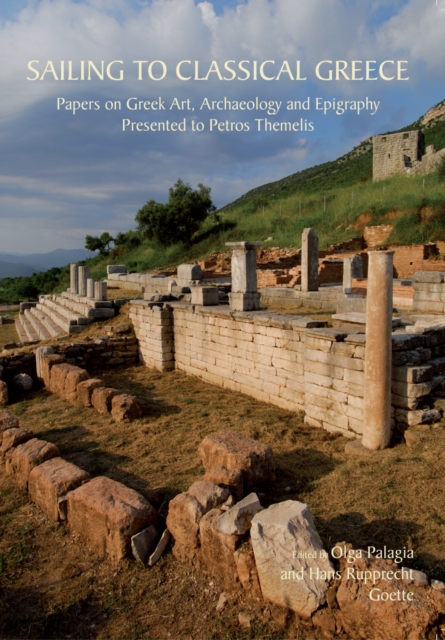
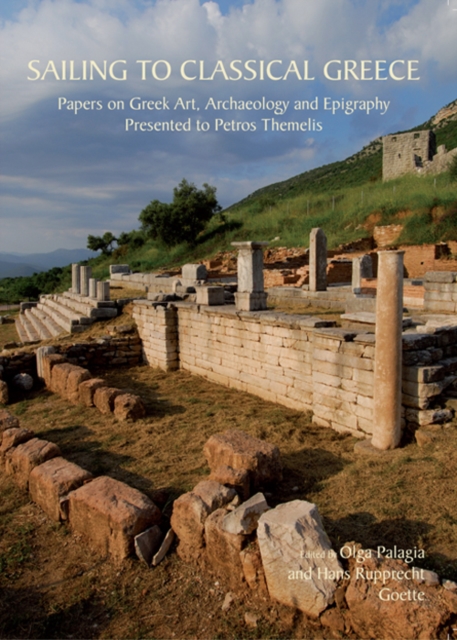
This volume of 15 papers is a tribute to Petros Themelis for his significant contribution to Greek archaeology and especially to the excavation, study and conservation to the ancient site of Messene in the Peloponnese.
This volume of 15 papers is a tribute to Petros Themelis for his significant contribution to Greek archaeology and especially to the excavation, study and conservation to the ancient site of Messene in the Peloponnese.
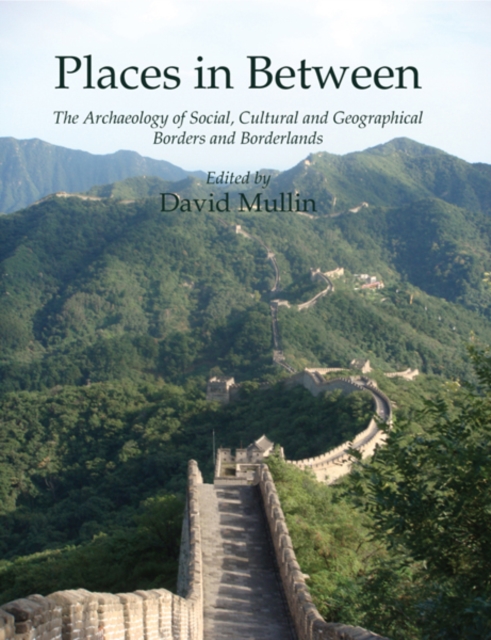
The concept of the border as a metaphor has been widely exploited across the Arts and Humanities and a body of Border Theory has been developed, critiqued and "rethought".
The concept of the border as a metaphor has been widely exploited across the Arts and Humanities and a body of Border Theory has been developed, critiqued and "rethought".
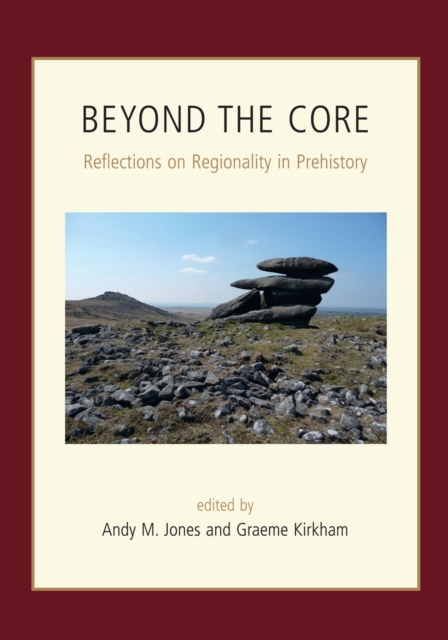
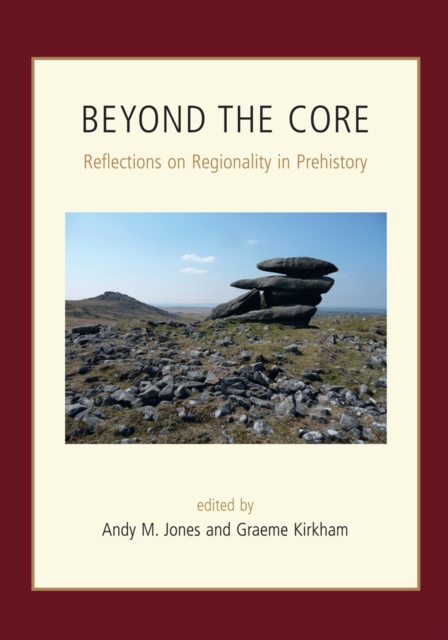
This volume explores the idea of regionally-based archaeologies across the British Isles which are not necessarily defined by modern political boundaries or through comparisons with regions such as Wessex and Orkney.
This volume explores the idea of regionally-based archaeologies across the British Isles which are not necessarily defined by modern political boundaries or through comparisons with regions such as Wessex and Orkney.
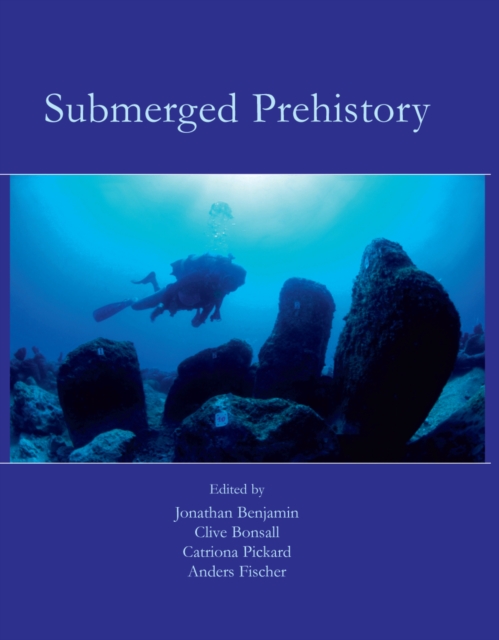
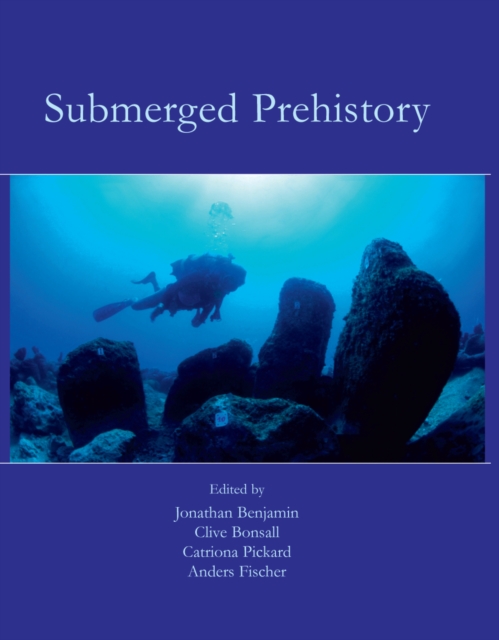
Major events of human prehistory such as the post-glacial recolonisation of Northern Europe and the spread of agriculture through the Mediterranean took place on landscapes that are now, at least partially, underwater.
Major events of human prehistory such as the post-glacial recolonisation of Northern Europe and the spread of agriculture through the Mediterranean took place on landscapes that are now, at least partially, underwater.
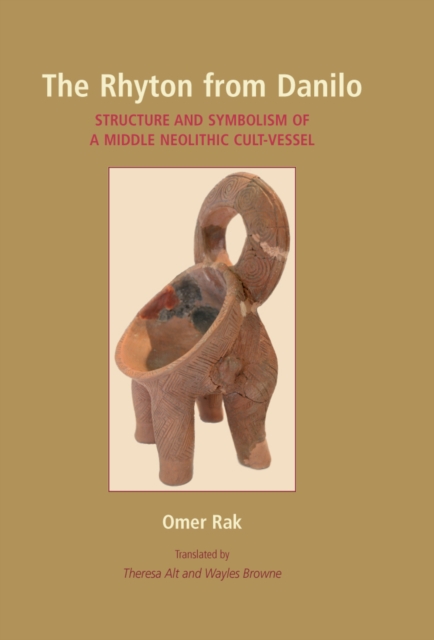
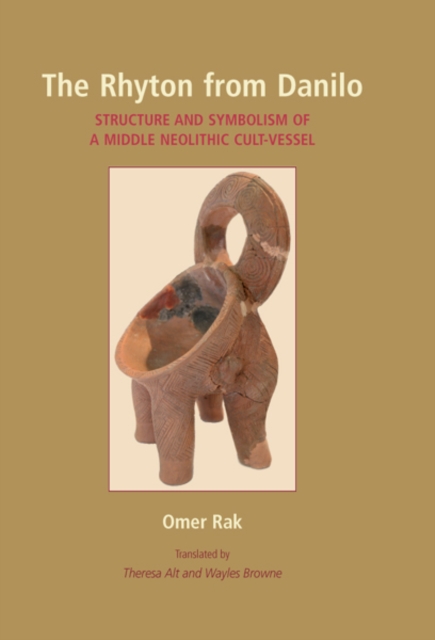
The so called rhyton from Danilo, an archaeological site near the coastal town of Sibenik in Dalmatia, Croatia, is a four-legged Neolithic vessel made of fired clay that according to the consensus of archaeological opinion was most likely a cult vessel used in rituals of unknown origin and content.
The so called rhyton from Danilo, an archaeological site near the coastal town of Sibenik in Dalmatia, Croatia, is a four-legged Neolithic vessel made of fired clay that according to the consensus of archaeological opinion was most likely a cult vessel used in rituals of unknown origin and content.
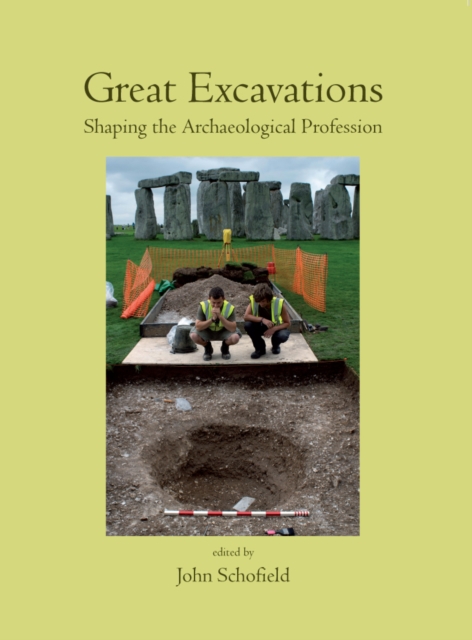
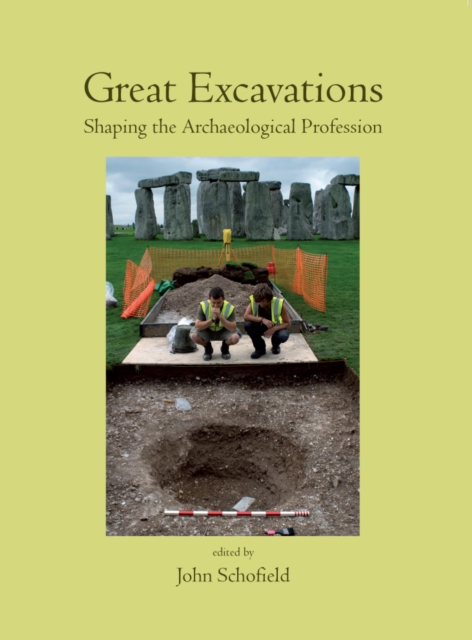
Great excavations inspire and capture the imagination of both the public and archaeologists alike; sites like Danebury, Sutton Hoo, Maiden Castle, Mucking and York conjure images of great discoveries and leaps in knowledge.
Great excavations inspire and capture the imagination of both the public and archaeologists alike; sites like Danebury, Sutton Hoo, Maiden Castle, Mucking and York conjure images of great discoveries and leaps in knowledge.
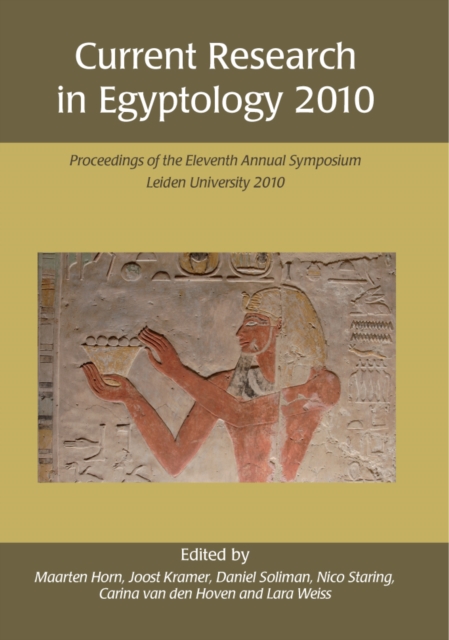
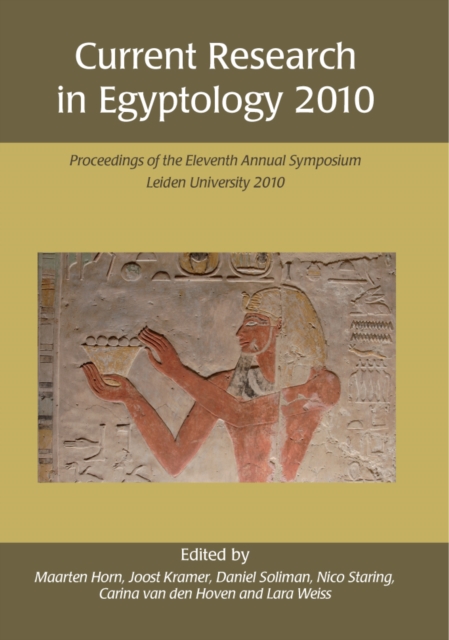
After having been held in the UK for the past 10 years, the 11th edition of the annual Current Research in Egyptology (CRE) graduate conference was held at Leiden University, The Netherlands in January 2010.
After having been held in the UK for the past 10 years, the 11th edition of the annual Current Research in Egyptology (CRE) graduate conference was held at Leiden University, The Netherlands in January 2010.
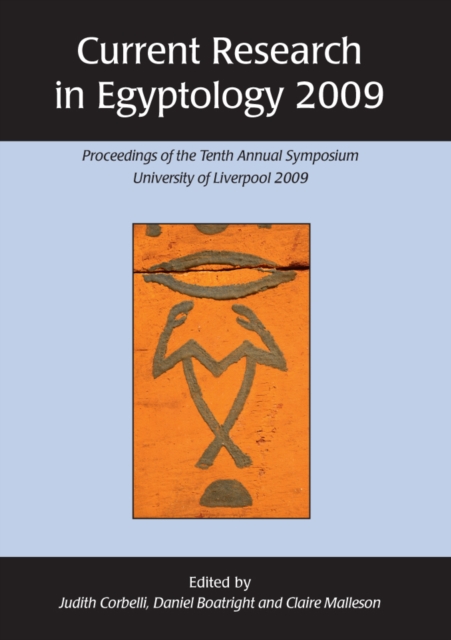
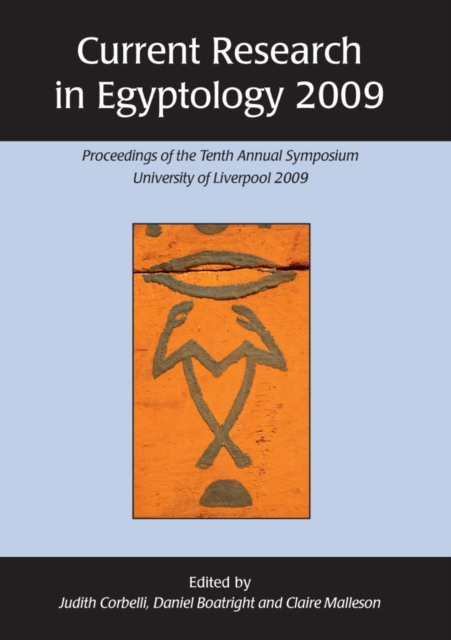
The tenth annual Current Research in Egyptology conference was held at the University of Liverpool in January 2009 and welcomed Egyptology graduates from all over the world.
The tenth annual Current Research in Egyptology conference was held at the University of Liverpool in January 2009 and welcomed Egyptology graduates from all over the world.
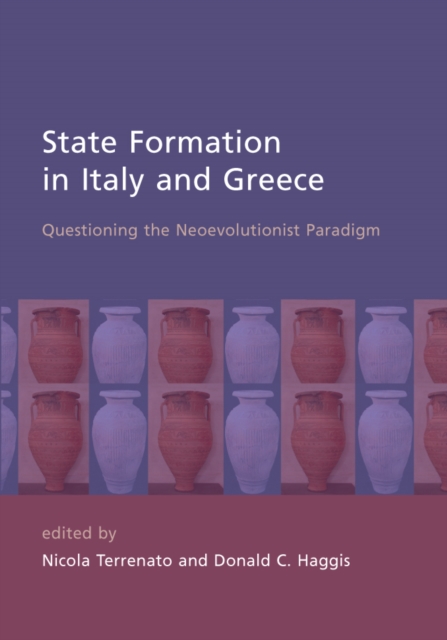
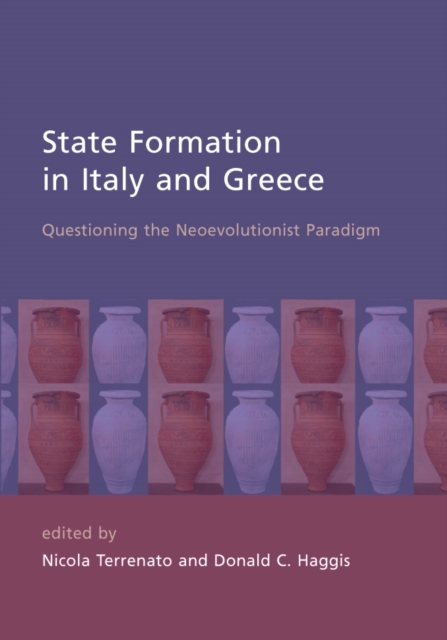
State Formation in Italy and Greece offers an up-to-date and comprehensive sampler of the current discourse concerning state formation in the central Mediterranean.
State Formation in Italy and Greece offers an up-to-date and comprehensive sampler of the current discourse concerning state formation in the central Mediterranean.
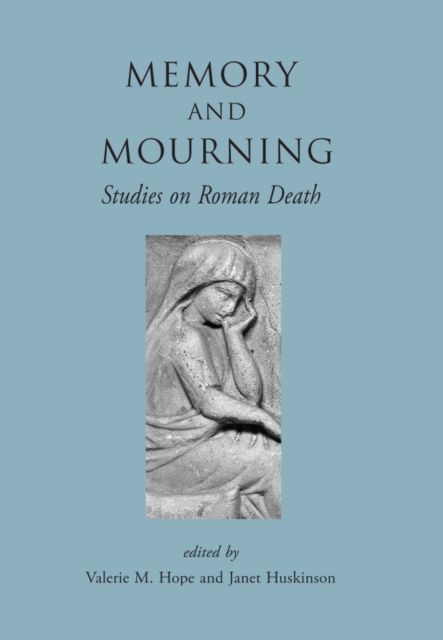
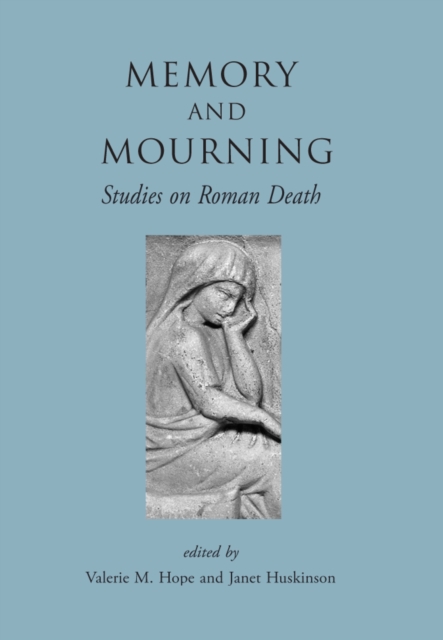
This book explores the themes of memory and mourning from the Roman deathbed to the Roman cemetery, drawing subject matter from the literature, art, and archaeology of ancient Rome.
This book explores the themes of memory and mourning from the Roman deathbed to the Roman cemetery, drawing subject matter from the literature, art, and archaeology of ancient Rome.
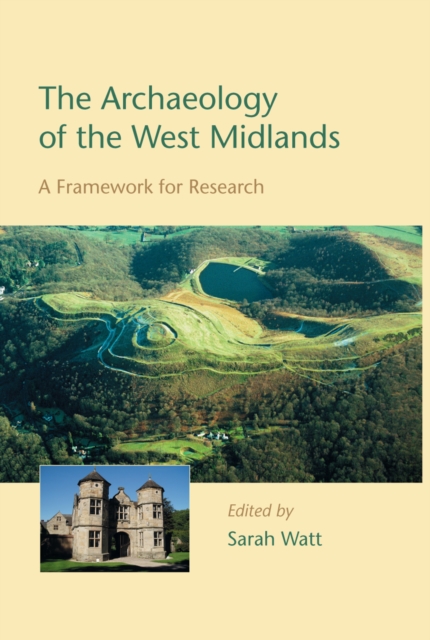
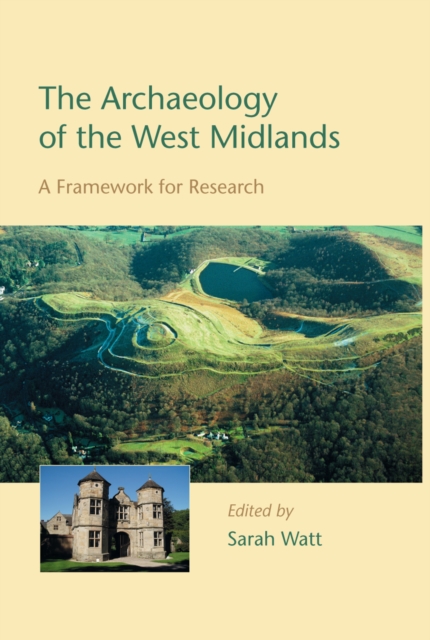
The West Midlands is a region of geographical, topographical and geological contrasts, forming disparate landscapes that are reflected in the nature and diversity of its rich archaeology.
The West Midlands is a region of geographical, topographical and geological contrasts, forming disparate landscapes that are reflected in the nature and diversity of its rich archaeology.
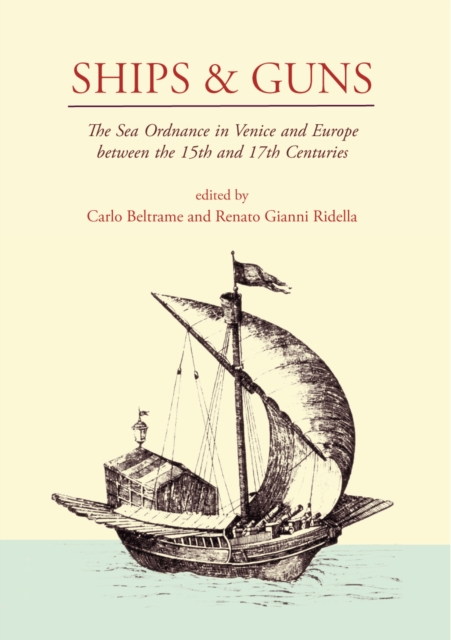
Ships and Guns brings together experts from the field of historic artillery and underwater archaeologists to present a series of papers which focus on the development of naval ordnance in Europe and, especially, Venice, in the 15th17th centuries, as exemplified by the maritime archaeological resource.
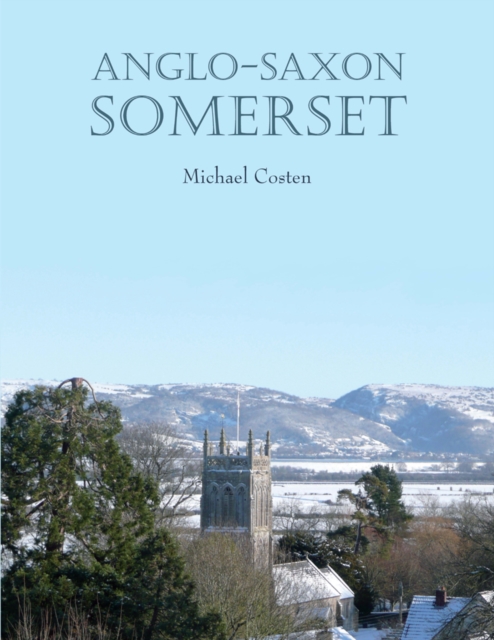
The county of Somerset cannot lay claim to have been an Anglo-Saxon kingdom like Kent or Sussex, but nevertheless it has a history as a distinct region which can be traced to the seventh century and there are hints of an earlier entity in the post-Roman period.
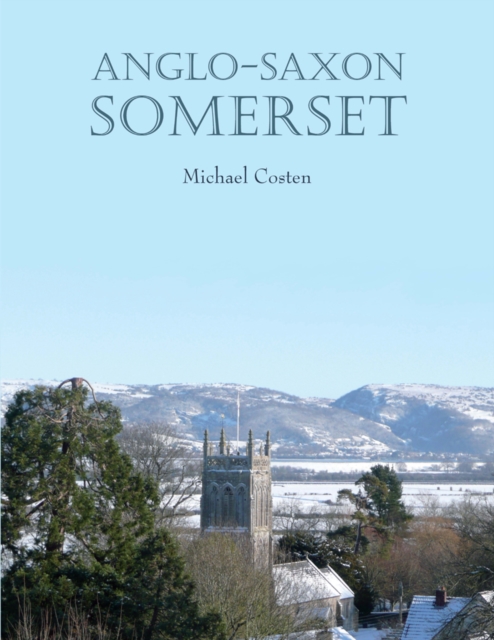
The county of Somerset cannot lay claim to have been an Anglo-Saxon kingdom like Kent or Sussex, but nevertheless it has a history as a distinct region which can be traced to the seventh century and there are hints of an earlier entity in the post-Roman period.