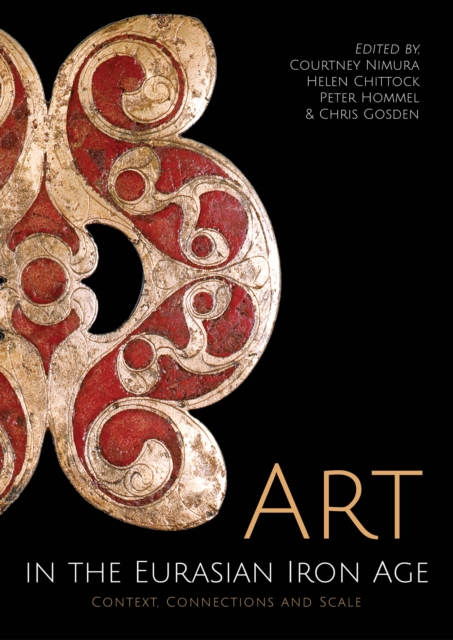
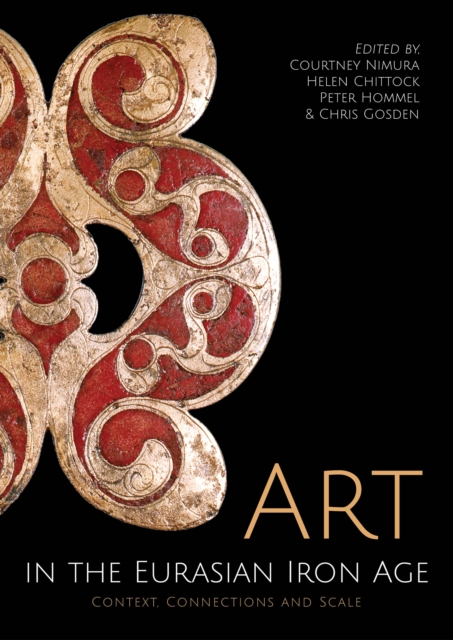
Since early discoveries of so-called Celtic Art during the 19th century, archaeologists have mused on the origins of this major art tradition, which emerged in Europe around 500 BC.
Since early discoveries of so-called Celtic Art during the 19th century, archaeologists have mused on the origins of this major art tradition, which emerged in Europe around 500 BC.
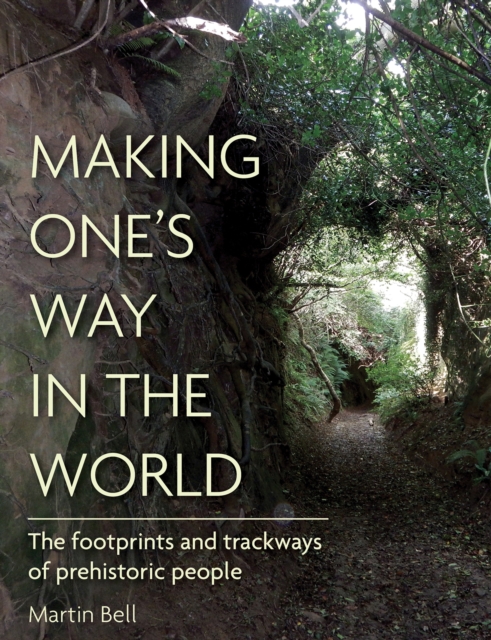
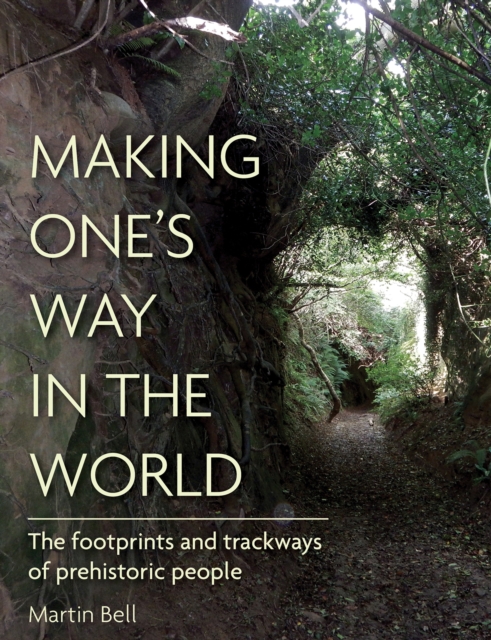
The book draws on the evidence of landscape archaeology, palaeoenvironmental studies, ethnohistory and animal tracking to address the neglected topic of how we identify and interpret past patterns of movement in the landscape.
The book draws on the evidence of landscape archaeology, palaeoenvironmental studies, ethnohistory and animal tracking to address the neglected topic of how we identify and interpret past patterns of movement in the landscape.
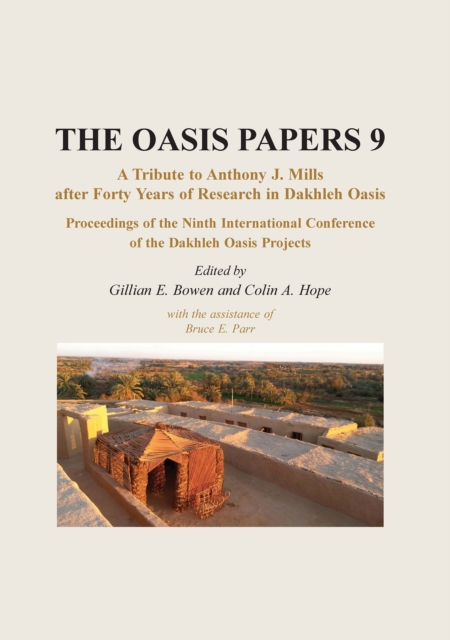
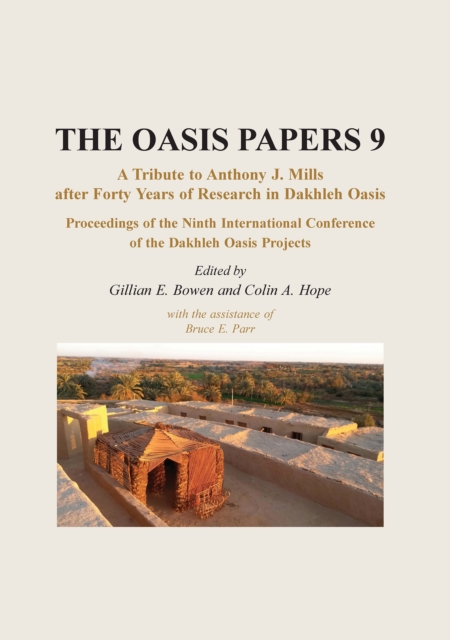
This new volume in the Oasis Papers series marks the 40th anniversary of archaeological fieldwork in the Dakhleh Oasis in Egypt’s Western Desert under the leadership of Anthony J.
This new volume in the Oasis Papers series marks the 40th anniversary of archaeological fieldwork in the Dakhleh Oasis in Egypt’s Western Desert under the leadership of Anthony J.
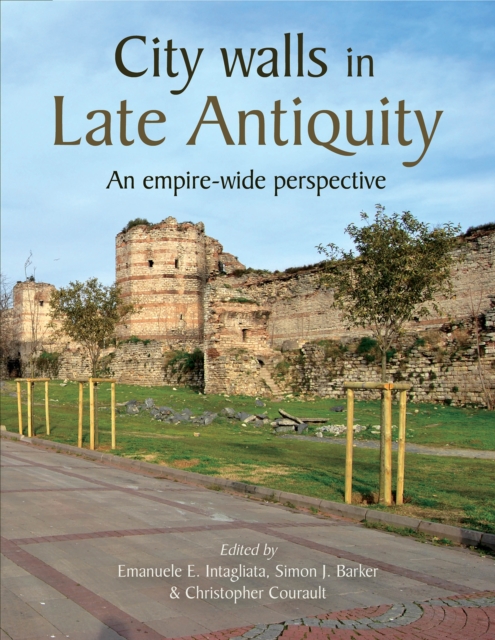
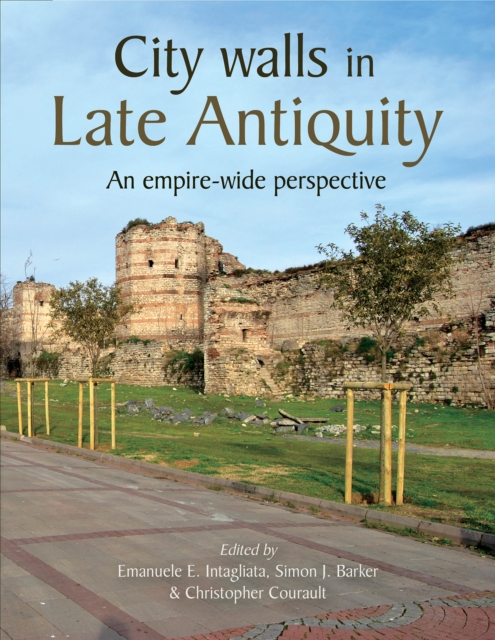
The construction of urban defences was one of the hallmarks of the late Roman and late-antique periods (300–600 AD) throughout the western and eastern empire.
The construction of urban defences was one of the hallmarks of the late Roman and late-antique periods (300–600 AD) throughout the western and eastern empire.
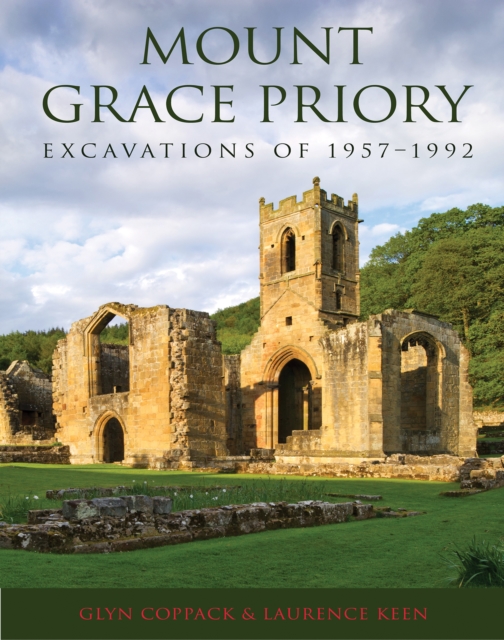
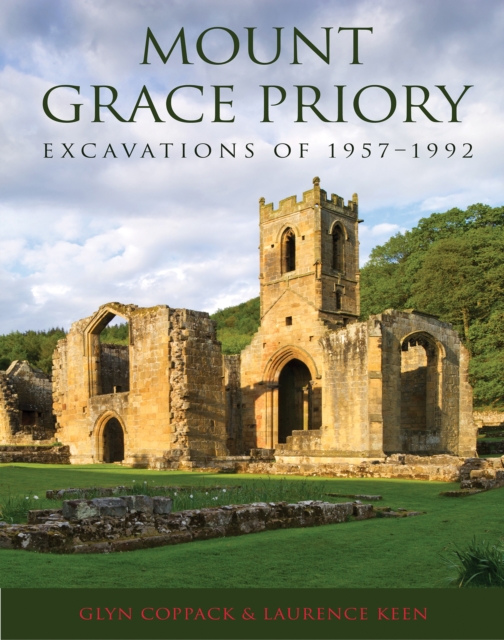
Owned by the National Trust and managed by English Heritage, Mount Grace Priory in North Yorkshire, established in 1398 and suppressed in 1539, was one of only nine successful Carthusian monasteries in England and one of the best-preserved medieval houses of that order in Europe.
Owned by the National Trust and managed by English Heritage, Mount Grace Priory in North Yorkshire, established in 1398 and suppressed in 1539, was one of only nine successful Carthusian monasteries in England and one of the best-preserved medieval houses of that order in Europe.
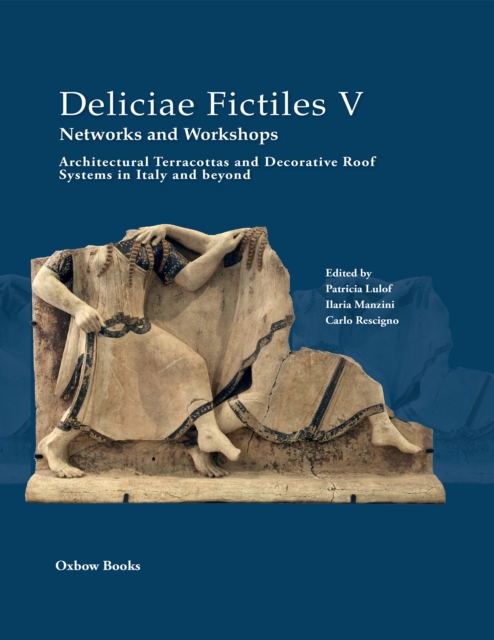
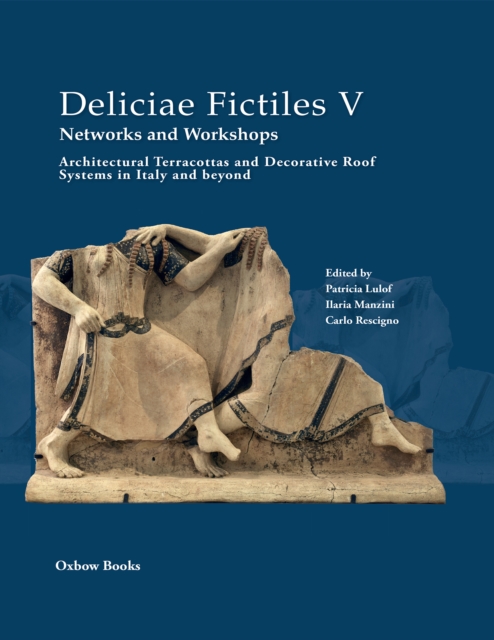
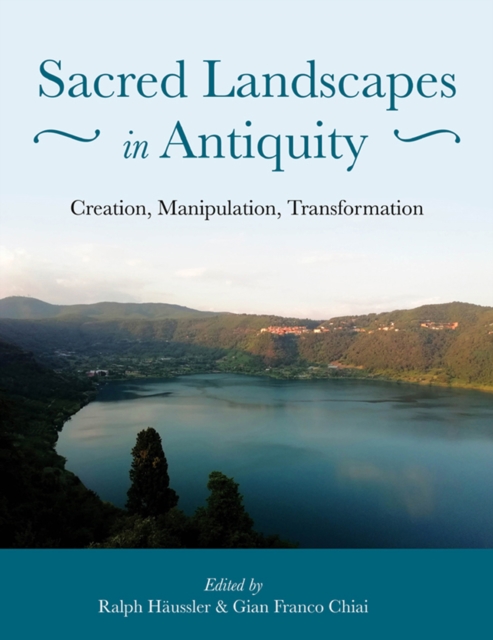
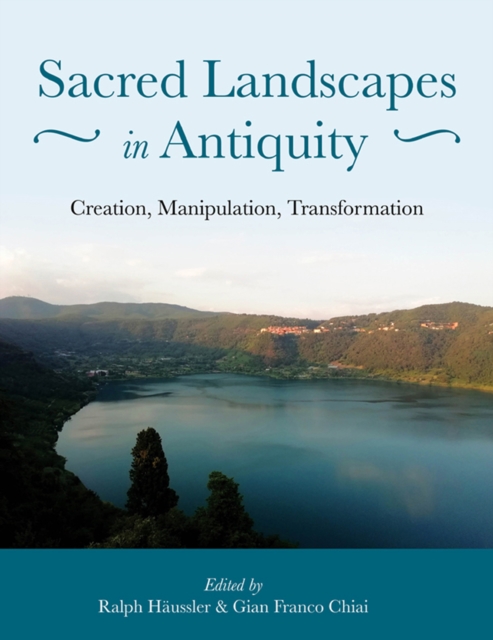
Temples are the most prestigious buildings in the urban landscape of ancient Italy, emerging within a network of centres of the then-known Mediterranean world.
Temples are the most prestigious buildings in the urban landscape of ancient Italy, emerging within a network of centres of the then-known Mediterranean world.
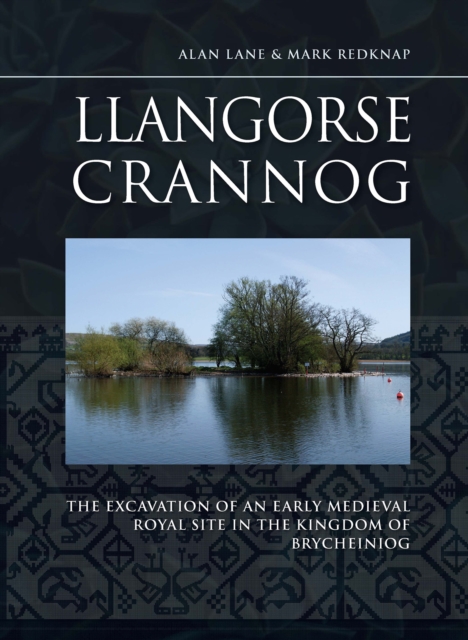
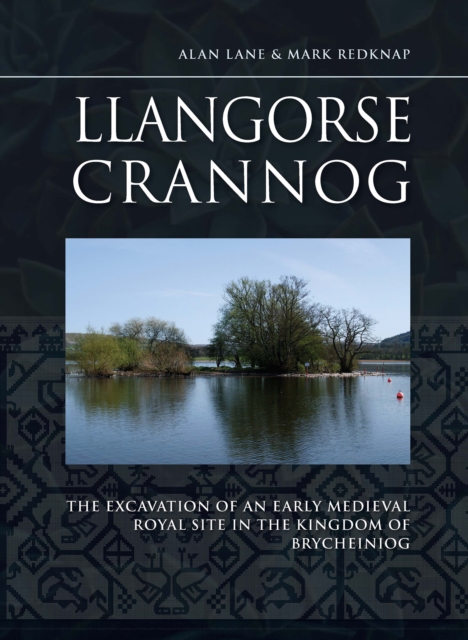
The crannog on Llangorse Lake near Brecon in mid Wales was discovered in 1867 and first excavated in 1869 by two local antiquaries, Edgar and Henry Dumbleton, who published their findings over the next four years.
The crannog on Llangorse Lake near Brecon in mid Wales was discovered in 1867 and first excavated in 1869 by two local antiquaries, Edgar and Henry Dumbleton, who published their findings over the next four years.
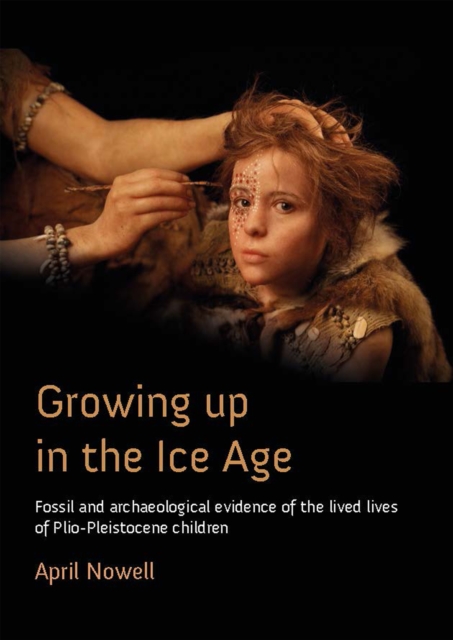
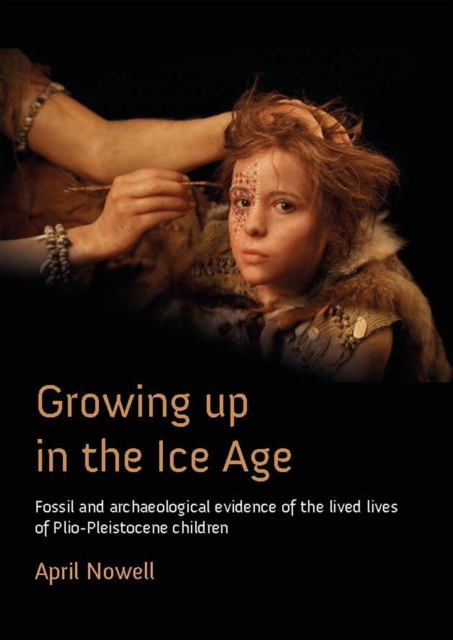
In prehistoric societies children comprised 40–65% of the population, yet by default, our ancestral landscapes are peopled by adults who hunt, gather, fish, knap tools, and make art.
This volume combines a comprehensive exploration of all vessel glass from middle and late Anglo-Saxon England and a review of the early glass with detailed interpretation of its meaning and place in Anglo-Saxon society.
This volume combines a comprehensive exploration of all vessel glass from middle and late Anglo-Saxon England and a review of the early glass with detailed interpretation of its meaning and place in Anglo-Saxon society.
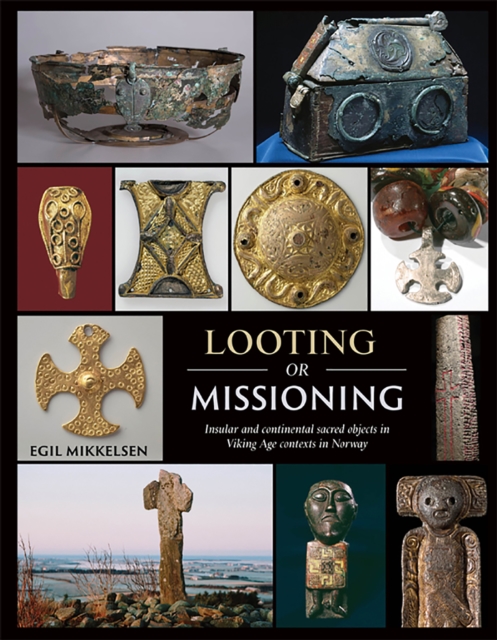
Until now insular and continental material, mostly metal-work, found in pagan Viking Age graves in Norway, has been interpreted as looted material from churches and monasteries on the British Isles and the Continent.
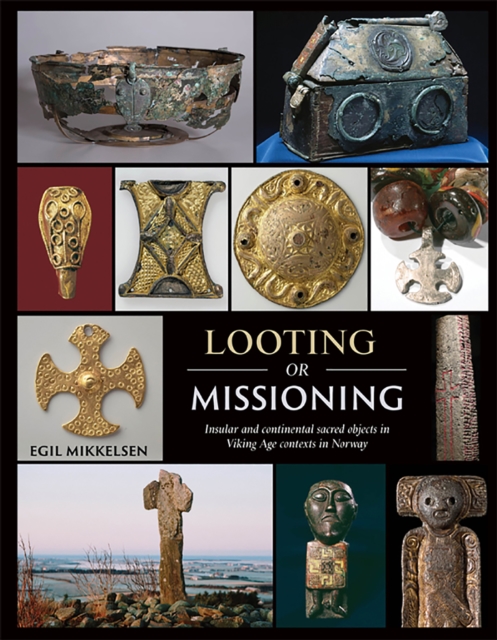
Until now insular and continental material, mostly metal-work, found in pagan Viking Age graves in Norway, has been interpreted as looted material from churches and monasteries on the British Isles and the Continent.
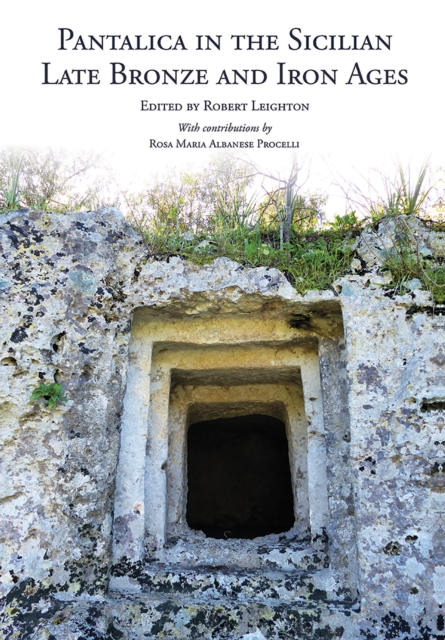
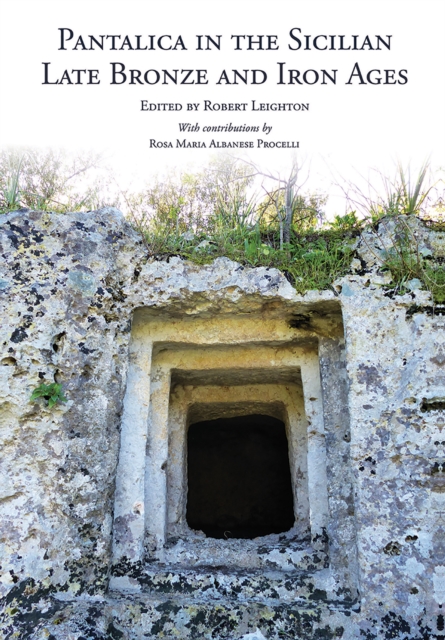
Pantalica is a large limestone promontory in southeast Sicily known chiefly for a series of extensive cemeteries comprising thousands of chamber tombs cut out of the rock, dating mainly between the 13th and 7th centuries BCE.
Pantalica is a large limestone promontory in southeast Sicily known chiefly for a series of extensive cemeteries comprising thousands of chamber tombs cut out of the rock, dating mainly between the 13th and 7th centuries BCE.
In prehistoric societies children comprised 40–65% of the population, yet by default, our ancestral landscapes are peopled by adults who hunt, gather, fish, knap tools, and make art.
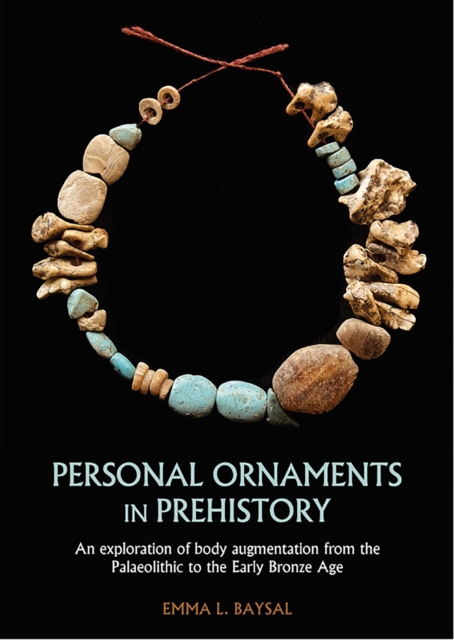
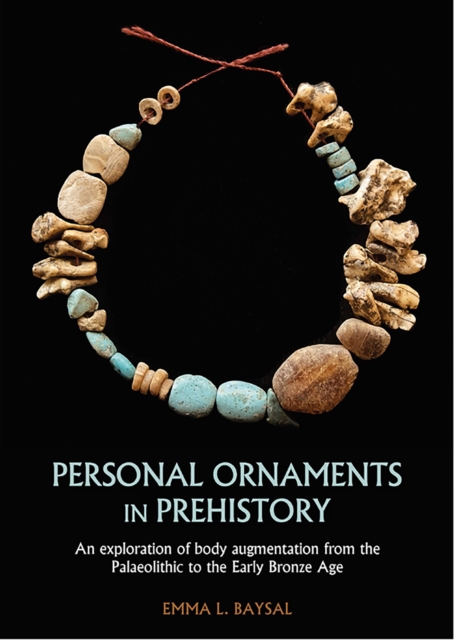
Beads, bracelets, necklaces, pendants and many other ornaments are familiar objects that play a fundamental role in personal expression and communication.
Beads, bracelets, necklaces, pendants and many other ornaments are familiar objects that play a fundamental role in personal expression and communication.
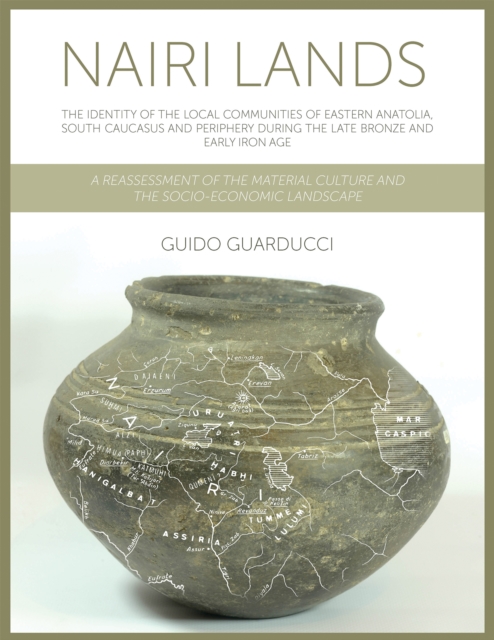
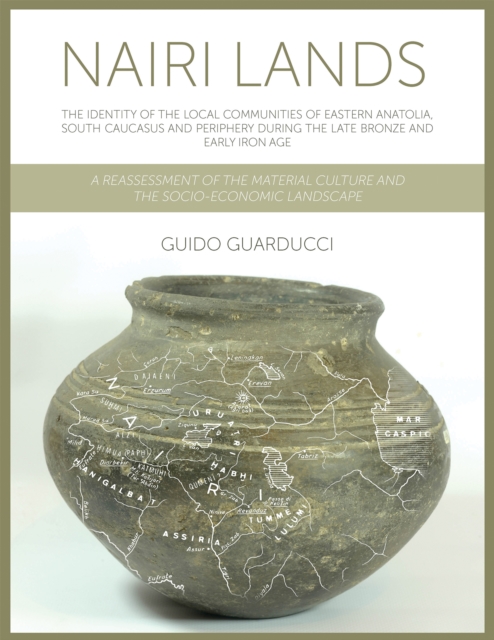
This study analyses the social and symbolic value of the material culture, in particular the pottery production and the architecture, and the social structure of the local communities of a broad area encompassing Eastern Anatolia, the South Caucasus and North-western Iran during the last phase of the Late Bronze Age and the Early Iron Age.
This study analyses the social and symbolic value of the material culture, in particular the pottery production and the architecture, and the social structure of the local communities of a broad area encompassing Eastern Anatolia, the South Caucasus and North-western Iran during the last phase of the Late Bronze Age and the Early Iron Age.
Often along vast expanses, ancient societies traded certain commodities that were considered valuable either for functional or symbolic reasons – or, rather, a mixture of both factors.
Often along vast expanses, ancient societies traded certain commodities that were considered valuable either for functional or symbolic reasons – or, rather, a mixture of both factors.
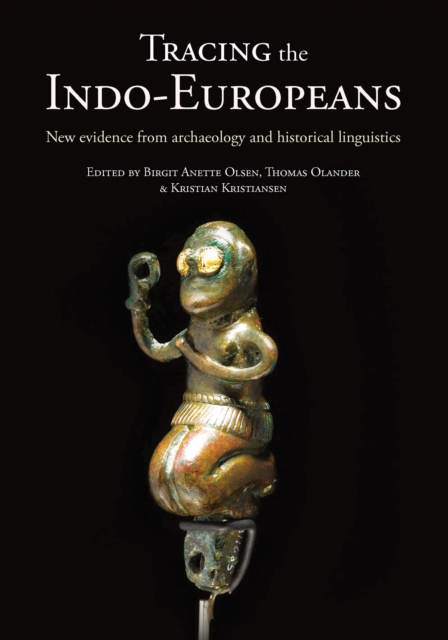
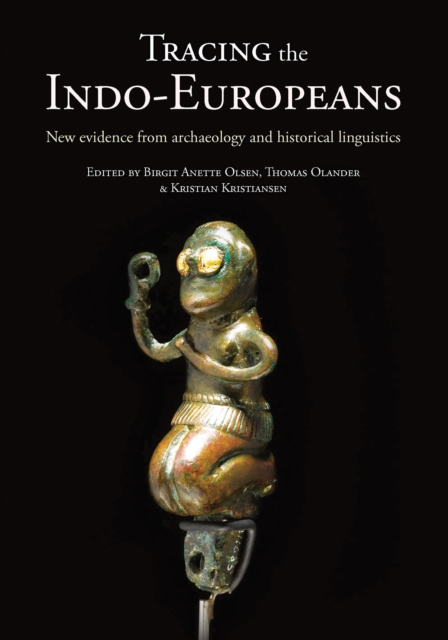
Recent developments in aDNA has reshaped our understanding of later European prehistory, and at the same time also opened up for more fruitful collaborations between archaeologists and historical linguists.
Recent developments in aDNA has reshaped our understanding of later European prehistory, and at the same time also opened up for more fruitful collaborations between archaeologists and historical linguists.
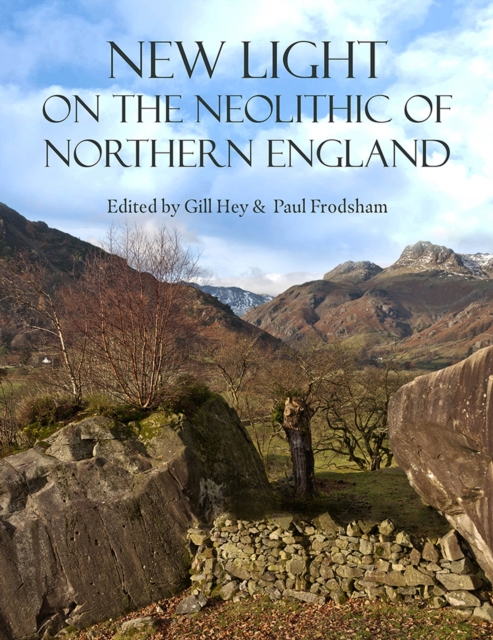
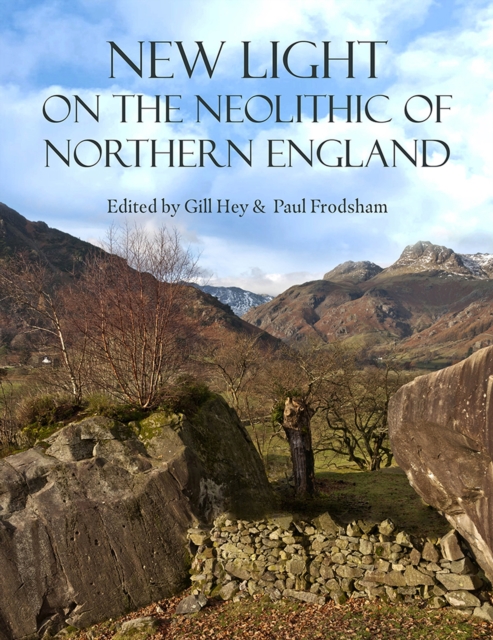
These papers highlight recent archaeological work in Northern England, in the commercial, academic and community archaeology sectors, which have fundamentally changed our perspective on the Neolithic of the area.
These papers highlight recent archaeological work in Northern England, in the commercial, academic and community archaeology sectors, which have fundamentally changed our perspective on the Neolithic of the area.
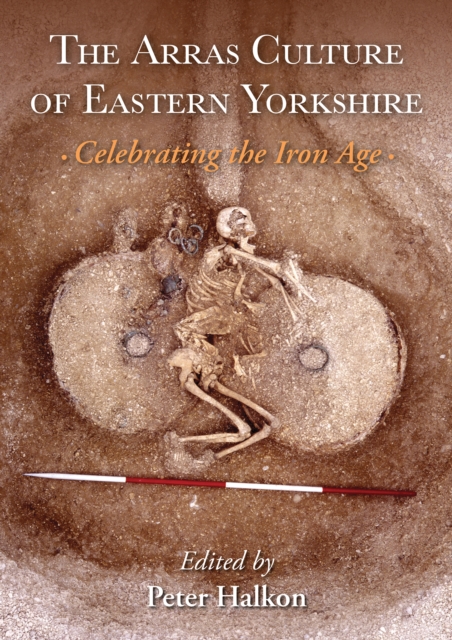
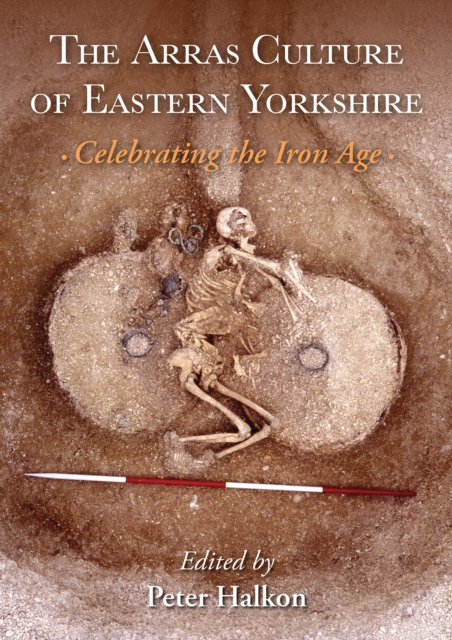
In 1817 a group of East Yorkshire gentry opened barrows in a large Iron Age cemetery on the Yorkshire Wolds at Arras, near Market Weighton, including a remarkable burial accompanied by a chariot with two horses, which became known as the King’s Barrow.
In 1817 a group of East Yorkshire gentry opened barrows in a large Iron Age cemetery on the Yorkshire Wolds at Arras, near Market Weighton, including a remarkable burial accompanied by a chariot with two horses, which became known as the King’s Barrow.