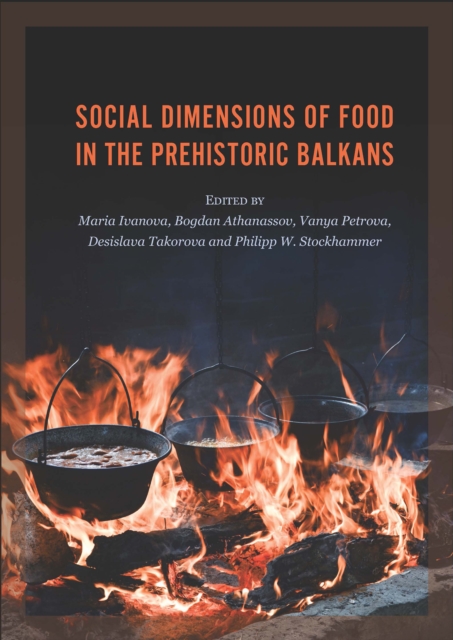
Ever since the definition of the Neolithic Revolution by Vere Gordon Childe, archaeologists have been aware of the crucial importance of food for the understanding of prehistoric developments.
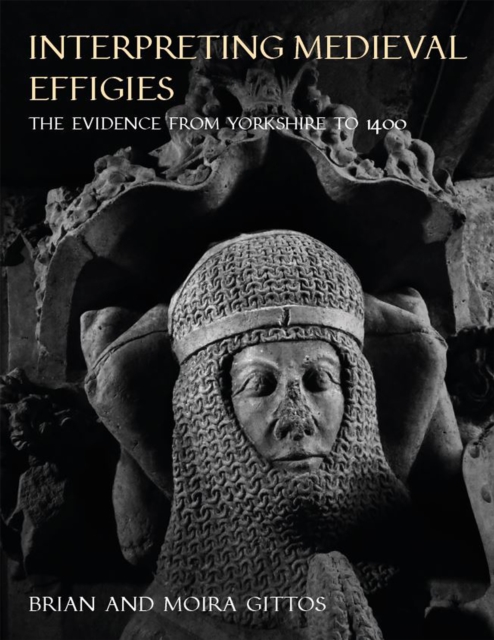
This innovative study examines and analyses the wealth of evidence provided by the monumental effigies of Yorkshire, from the thirteenth and fourteenth centuries, including some of very high sculptural merit.
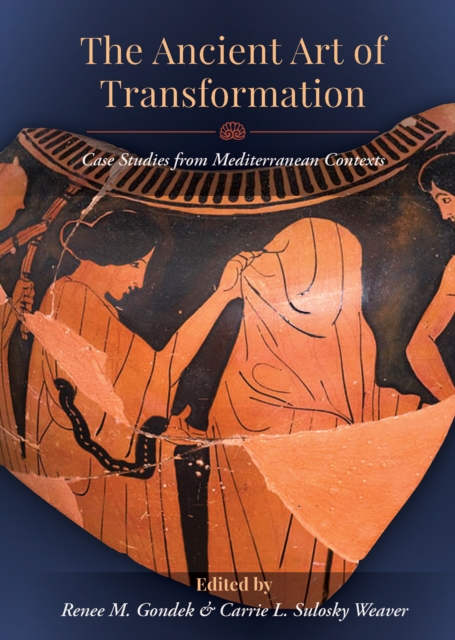
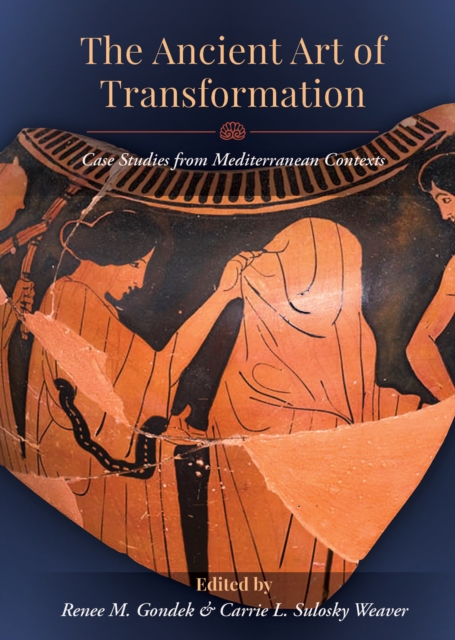
The Ancient Art of Transformation: Case Studies from Mediterranean Contexts examines instances of human transformation in the ancient and early Christian Mediterranean world by exploring the ways in which art impacts, aids, or provides evidence for physical, spiritual, personal, and social transitions.
The Ancient Art of Transformation: Case Studies from Mediterranean Contexts examines instances of human transformation in the ancient and early Christian Mediterranean world by exploring the ways in which art impacts, aids, or provides evidence for physical, spiritual, personal, and social transitions.
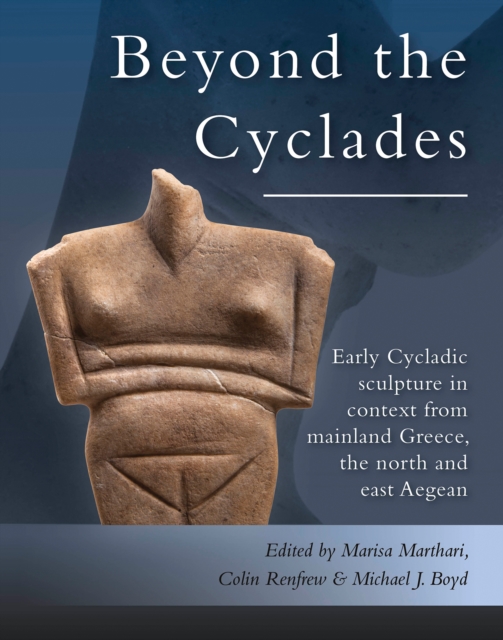
This second volume on Early Cycladic (and Cycladicising) sculptures found in the Aegean, examines finds from mainland Greece, along with the rarer items from the north and east Aegean, with the exception of those discovered in the Cyclades (covered in the preceding volume), and of those found in Crete.
This second volume on Early Cycladic (and Cycladicising) sculptures found in the Aegean, examines finds from mainland Greece, along with the rarer items from the north and east Aegean, with the exception of those discovered in the Cyclades (covered in the preceding volume), and of those found in Crete.
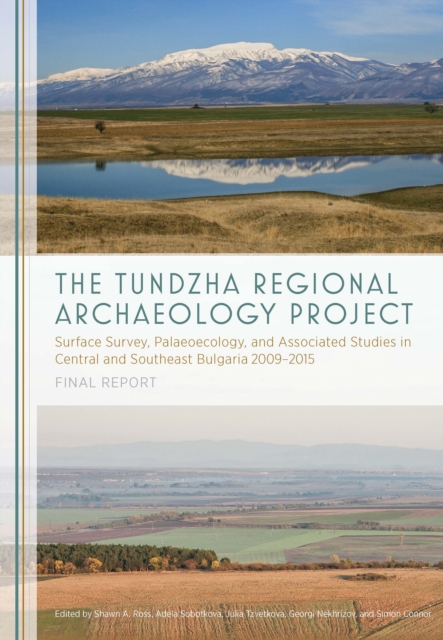
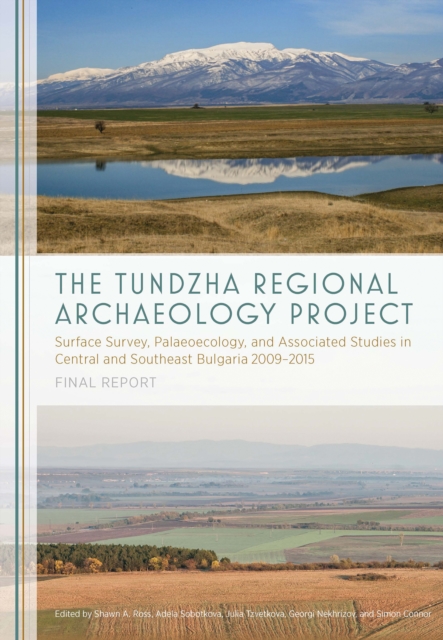
This volume presents the results of diachronic archaeological and palaeoecological research conducted in two study areas: the intermontane Kazanlak Valley along the Upper Tundzha River of central Bulgaria, and the Thracian Plain along the Middle Tundzha River south of the city of Yambol in southeastern Bulgaria.
This volume presents the results of diachronic archaeological and palaeoecological research conducted in two study areas: the intermontane Kazanlak Valley along the Upper Tundzha River of central Bulgaria, and the Thracian Plain along the Middle Tundzha River south of the city of Yambol in southeastern Bulgaria.
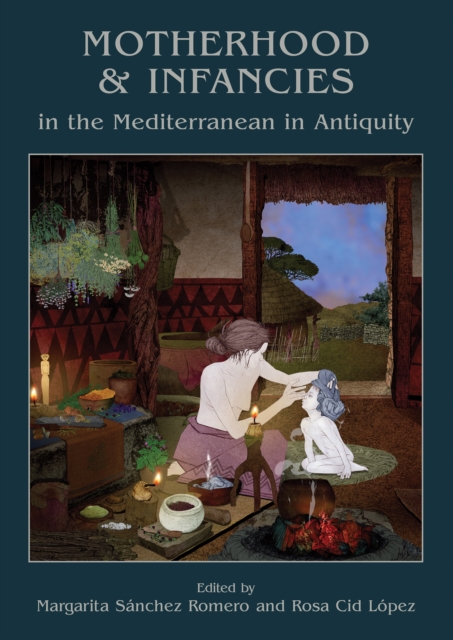
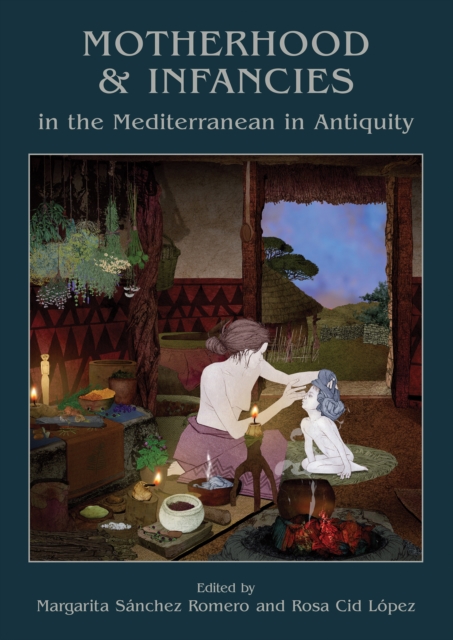
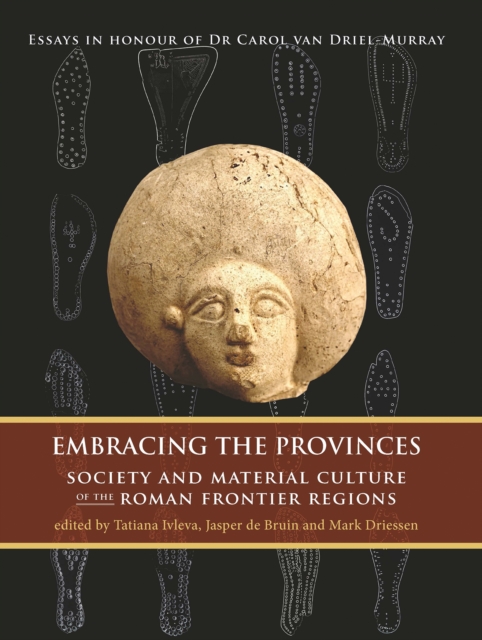
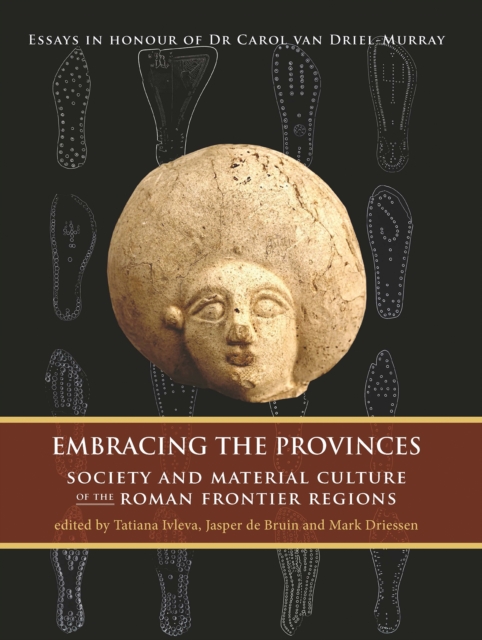
Motherhood and childhood are social and cultural constructions that have their origins in prehistoric times and are visible through Greek and Roman discourses in Antiquity.
Motherhood and childhood are social and cultural constructions that have their origins in prehistoric times and are visible through Greek and Roman discourses in Antiquity.
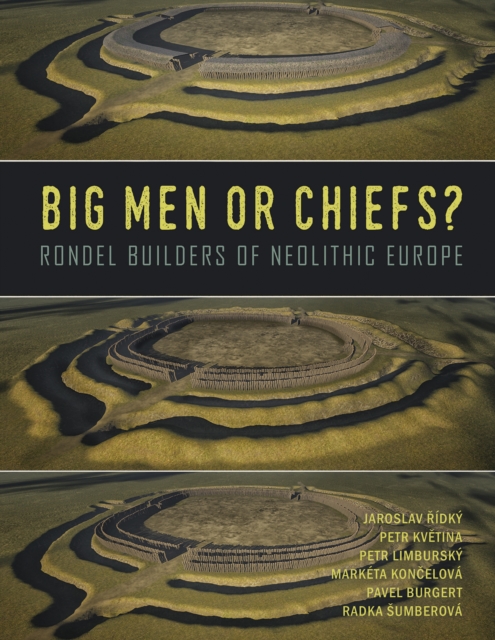
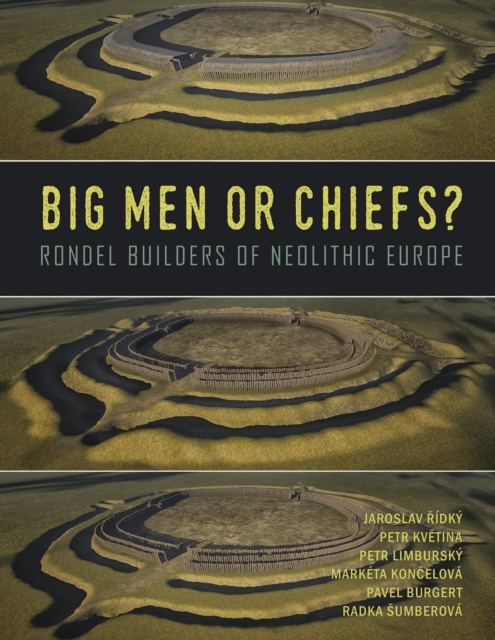
If there is a feature of the Central European Neolithic period that deserves increased attention of researchers and all those with interest in prehistory, it is circular architecture of the dimensions of many tens of metres, from which only negative imprints of the ditches and imprints of posts in the form of postholes or narrow trenches are preserved to this day.
If there is a feature of the Central European Neolithic period that deserves increased attention of researchers and all those with interest in prehistory, it is circular architecture of the dimensions of many tens of metres, from which only negative imprints of the ditches and imprints of posts in the form of postholes or narrow trenches are preserved to this day.
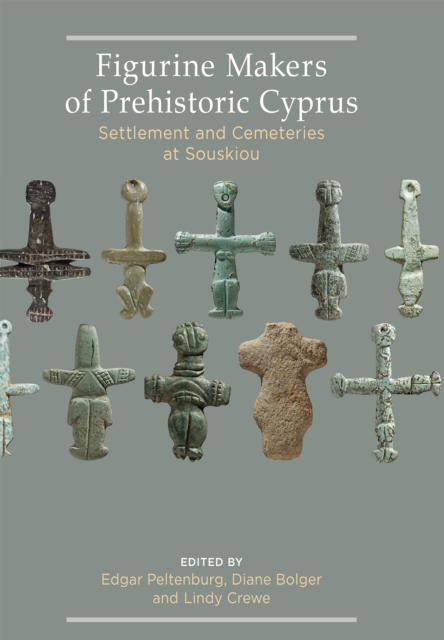
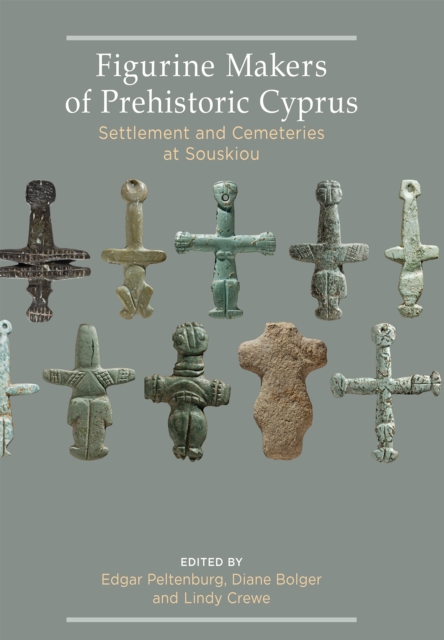
The Chalcolithic period in Cyprus has been known since Porphyrios Dikaios’ excavations at Erimi in the 1930s and through the appearance in the antiquities market of illicitly acquired anthropomorphic cruciform figures, often manufactured from picrolite, a soft blue-green stone.
The Chalcolithic period in Cyprus has been known since Porphyrios Dikaios’ excavations at Erimi in the 1930s and through the appearance in the antiquities market of illicitly acquired anthropomorphic cruciform figures, often manufactured from picrolite, a soft blue-green stone.
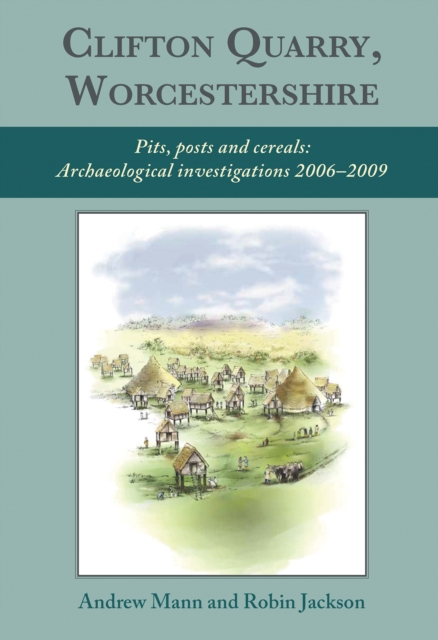
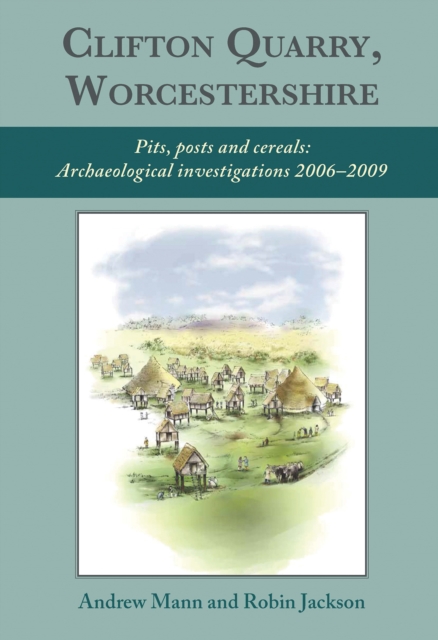
Between 2006 and 2009 Worcestershire Archaeology completed a series of investigations in advance of quarrying at Clifton Quarry, Worcestershire revealing one of the most important sequences of prehistoric to early medieval activity discovered to date from the Central Severn Valley.
Between 2006 and 2009 Worcestershire Archaeology completed a series of investigations in advance of quarrying at Clifton Quarry, Worcestershire revealing one of the most important sequences of prehistoric to early medieval activity discovered to date from the Central Severn Valley.
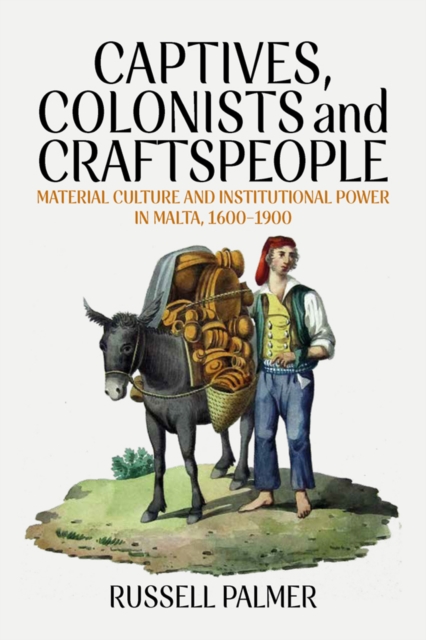
Over the course of four centuries, the island of Malta underwent several significant political transformations, including its roles as a Catholic bastion under the Knights of St.
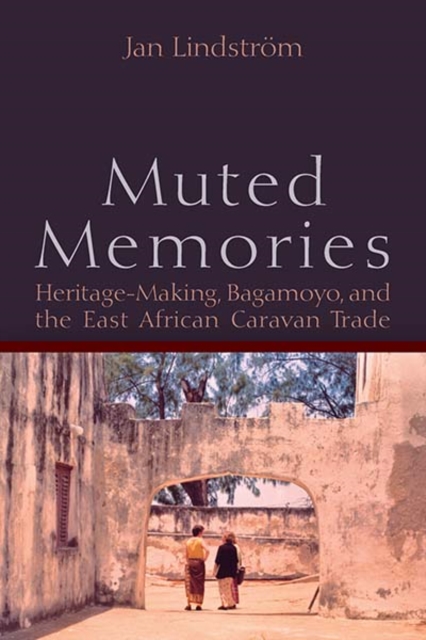
In the late nineteenth century, tens of thousands of porters carried ivory every year from the African interior to Bagamoyo, a port town at the Indian Ocean.
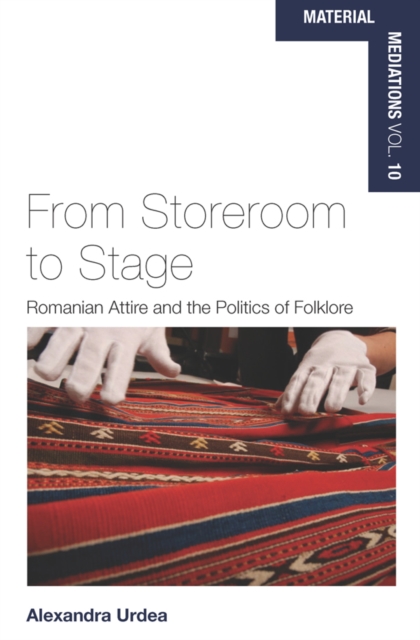
Departing from an ethnographic collection in London, From Storeroom to Stage traces the journey of its artefacts back to the Romanian villages where they were made 70 years ago, and to other places where similar objects are still in use.
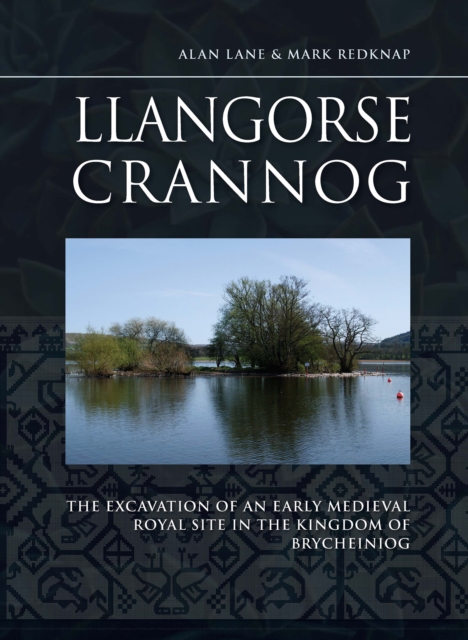
The crannog on Llangorse Lake near Brecon in mid Wales was discovered in 1867 and first excavated in 1869 by two local antiquaries, Edgar and Henry Dumbleton, who published their findings over the next four years.
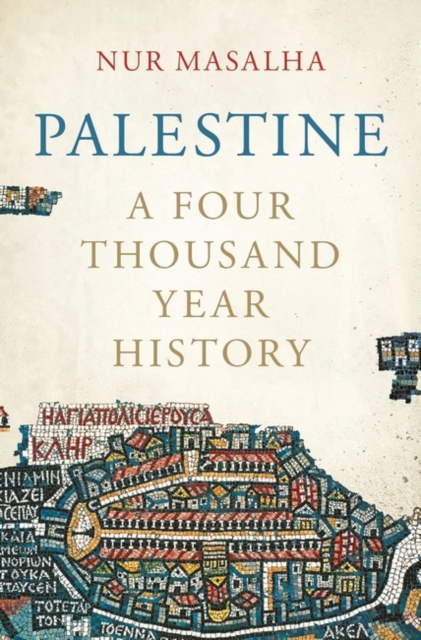
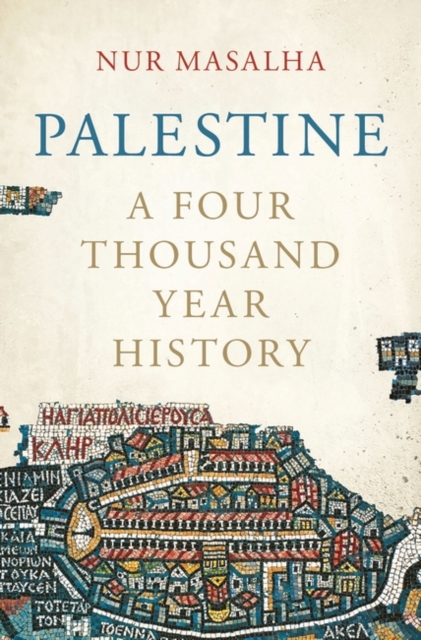
This rich and magisterial work traces Palestine's millennia-old heritage, uncovering cultures and societies of astounding depth and complexity that stretch back to the very beginnings of recorded history.
This rich and magisterial work traces Palestine's millennia-old heritage, uncovering cultures and societies of astounding depth and complexity that stretch back to the very beginnings of recorded history.