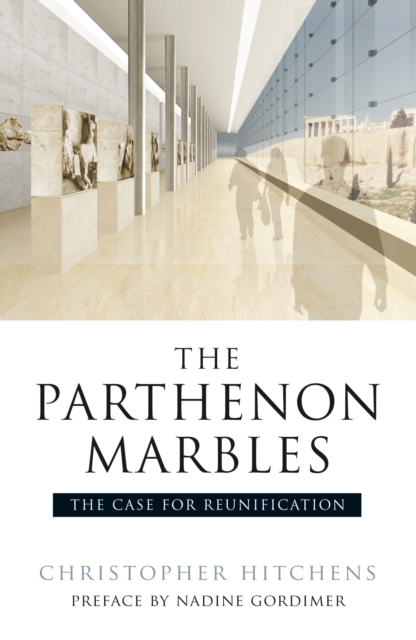
The Parthenon Marbles (formerly known as the Elgin Marbles), designed and executed by Pheidias to adorn the Parthenon, are perhaps the greatest of all classical sculptures.
This book is the culmination of the author’s lifelong interest in the Roman to medieval transition in England and in the analysis of the historic landscape of Wessex.
This book is the culmination of the author’s lifelong interest in the Roman to medieval transition in England and in the analysis of the historic landscape of Wessex.
Western Iberia has one of the richest inventories of Neolithic chambered tombs in Atlantic Europe, with particular concentrations in Galicia, northern Portugal and the Alentejo.
Western Iberia has one of the richest inventories of Neolithic chambered tombs in Atlantic Europe, with particular concentrations in Galicia, northern Portugal and the Alentejo.
Few areas of the world have played as prominent a role in human evolution as the Levantine Corridor, a comparatively narrow strip of land sandwiched between the Mediterranean Sea on the west and the expanse of inhospitable desert to the east.
Few areas of the world have played as prominent a role in human evolution as the Levantine Corridor, a comparatively narrow strip of land sandwiched between the Mediterranean Sea on the west and the expanse of inhospitable desert to the east.
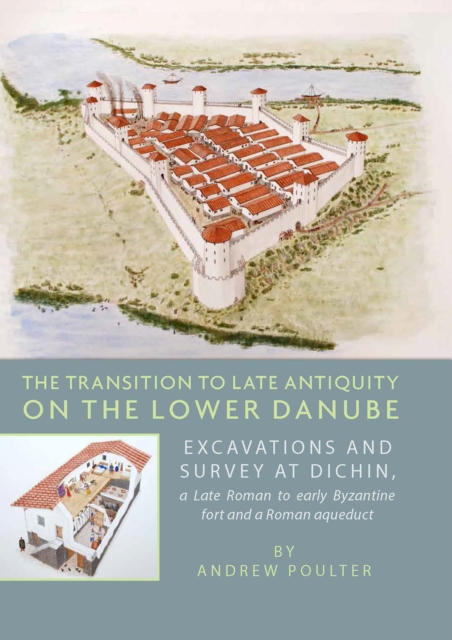
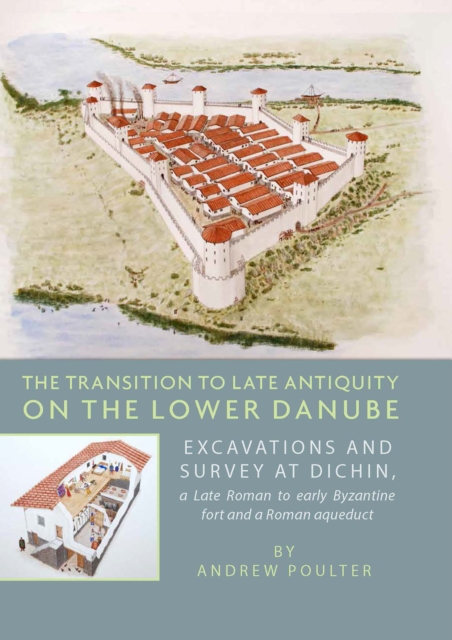
Excavations on the site of this remarkable fort in northern Bulgaria (1996–2005) formed part of a long-term program of excavation and intensive field survey, aimed at tracing the economic as well as physical changes which mark the transition from the Roman Empire to the Middle Ages, a program that commenced with the excavation and full publication of the early Byzantine fortress/city of Nicopolis ad Istrum.
Excavations on the site of this remarkable fort in northern Bulgaria (1996–2005) formed part of a long-term program of excavation and intensive field survey, aimed at tracing the economic as well as physical changes which mark the transition from the Roman Empire to the Middle Ages, a program that commenced with the excavation and full publication of the early Byzantine fortress/city of Nicopolis ad Istrum.
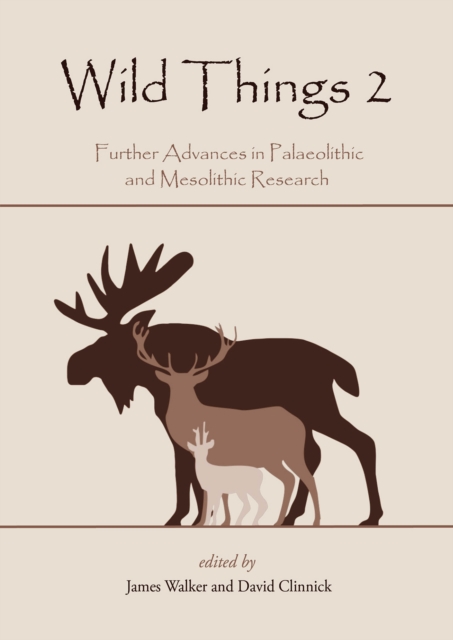
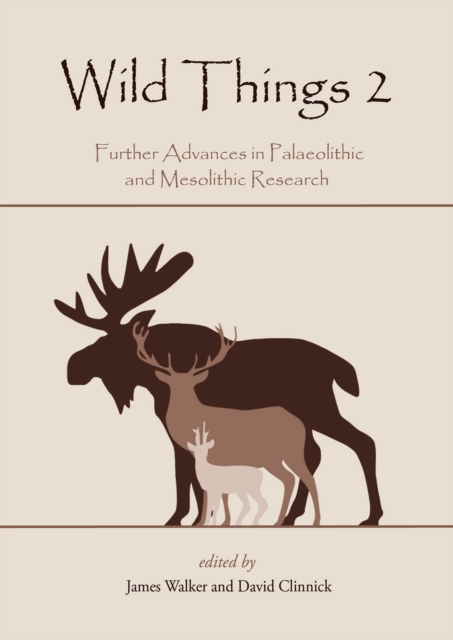
Building on the first Wild Things volume (Oxbow Books 2014), which aimed to showcase the research putting archaeologists researching the Palaeolithic and Mesolithic at the cutting edge of understanding humanity’s past, this collection of contributions presents recent research from an international group of both early career and established scientists.
Building on the first Wild Things volume (Oxbow Books 2014), which aimed to showcase the research putting archaeologists researching the Palaeolithic and Mesolithic at the cutting edge of understanding humanity’s past, this collection of contributions presents recent research from an international group of both early career and established scientists.
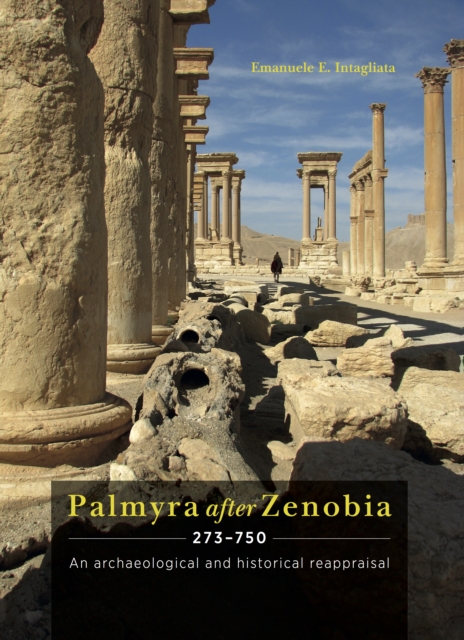
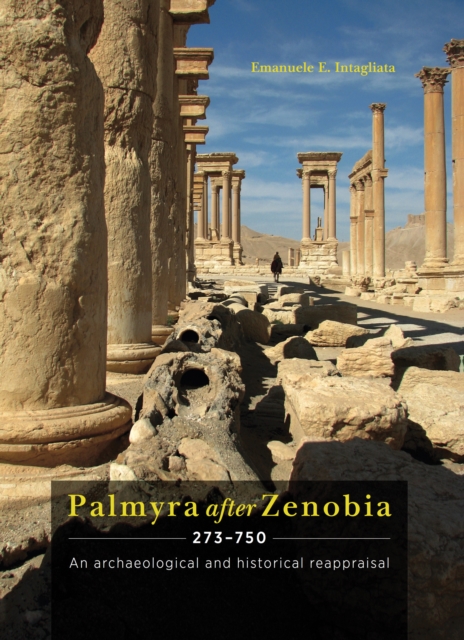
This book casts light on a much neglected phase of the UNESCO world heritage site of Palmyra, namely the period between the fall of the Palmyrene ‘Empire’ (AD 272) and the end of the Umayyad dominion (AD 750).
This book casts light on a much neglected phase of the UNESCO world heritage site of Palmyra, namely the period between the fall of the Palmyrene ‘Empire’ (AD 272) and the end of the Umayyad dominion (AD 750).
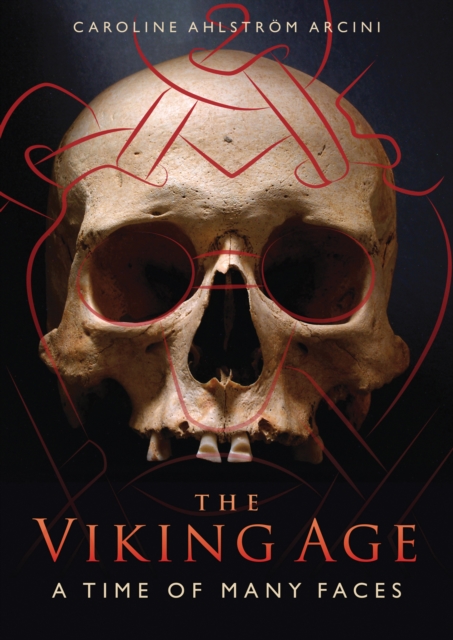
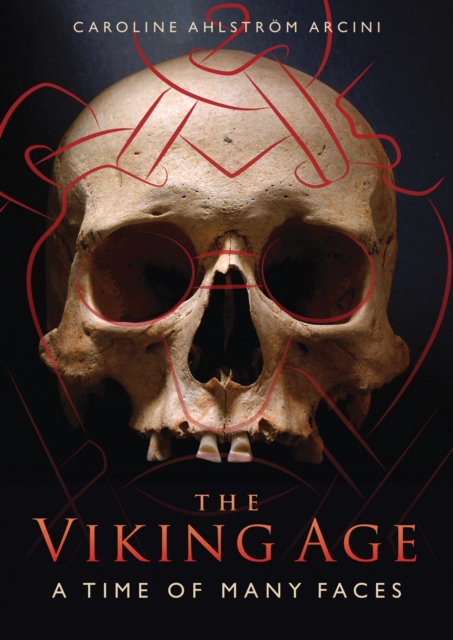
The majority of literature about the Viking period, based on artifacts or written sources, covers battles, kings, chiefs and mercenaries, long distance travel and colonization, trade, and settlement.
The majority of literature about the Viking period, based on artifacts or written sources, covers battles, kings, chiefs and mercenaries, long distance travel and colonization, trade, and settlement.
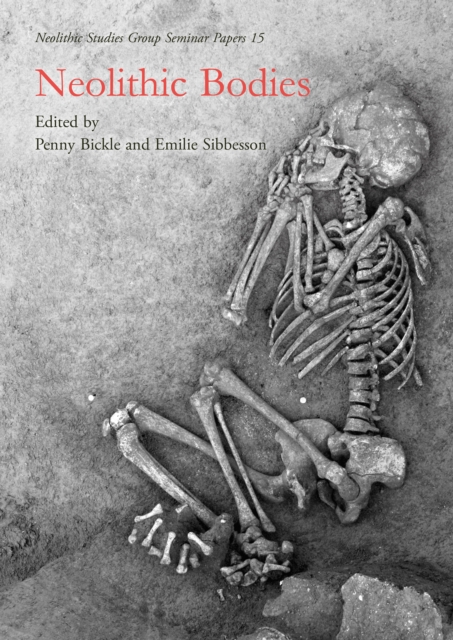
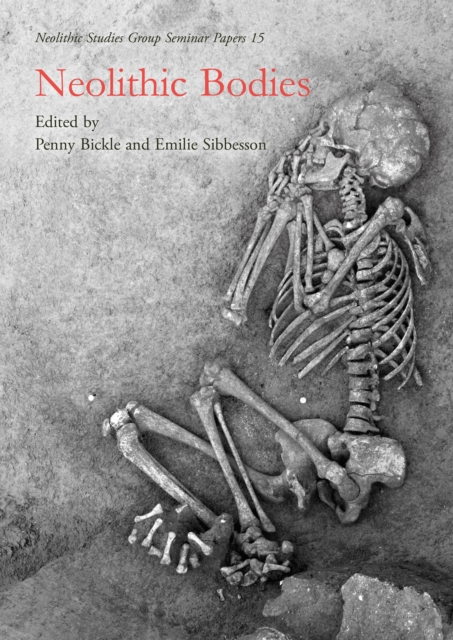
As a result of recent methodological and theoretical developments in approaches to the human body in archaeological contexts, the theme has recently become a particularly dynamic research area.
As a result of recent methodological and theoretical developments in approaches to the human body in archaeological contexts, the theme has recently become a particularly dynamic research area.
Despite notable explorations of past dynamics, much of the archaeological literature on mobility remains dominated by accounts of earlier prehistoric gatherer-hunters, or the long-distance exchange of materials.
Despite notable explorations of past dynamics, much of the archaeological literature on mobility remains dominated by accounts of earlier prehistoric gatherer-hunters, or the long-distance exchange of materials.
From the Foundations to the Legacy seeks to examine how the developmental trajectory of a single site can offer insights into regional patterns, the importance of integrating local survey information in reconstructing general historical processes and the significance of temporal variability in the construction of space.
From the Foundations to the Legacy seeks to examine how the developmental trajectory of a single site can offer insights into regional patterns, the importance of integrating local survey information in reconstructing general historical processes and the significance of temporal variability in the construction of space.
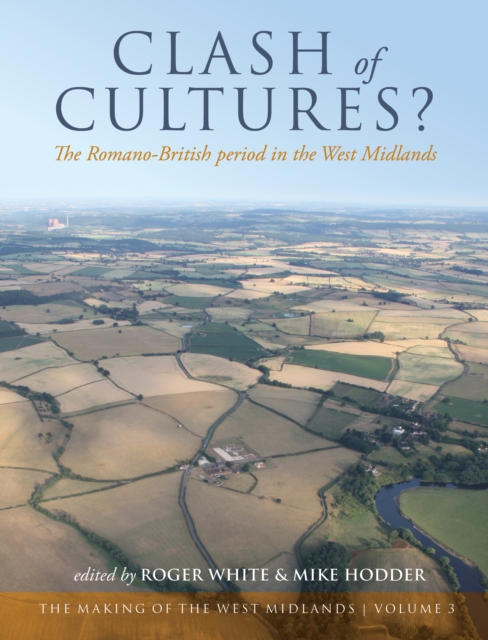
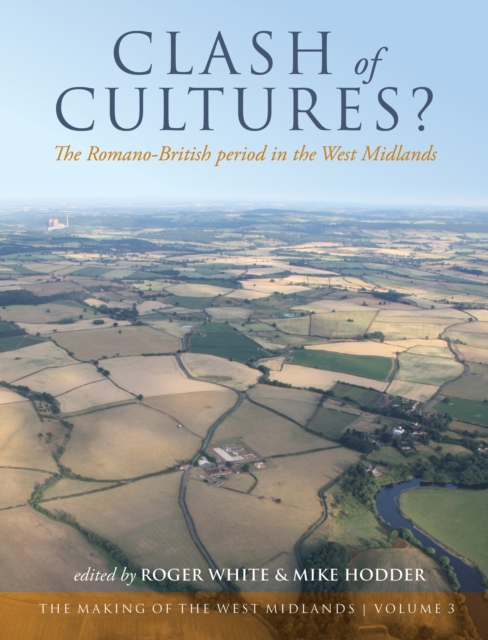
The general perception of the west midlands region in the Roman period is that it was a backwater compared to the militarized frontier zone of the north, or the south of Britain where Roman culture took root early – in cities like Colchester, London ,and St Albans – and lingered late at cities like Cirencester and Bath with their rich, late Roman villa culture.
The general perception of the west midlands region in the Roman period is that it was a backwater compared to the militarized frontier zone of the north, or the south of Britain where Roman culture took root early – in cities like Colchester, London ,and St Albans – and lingered late at cities like Cirencester and Bath with their rich, late Roman villa culture.
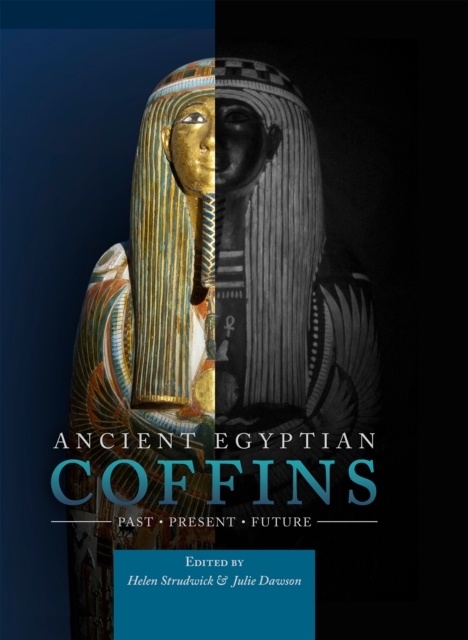
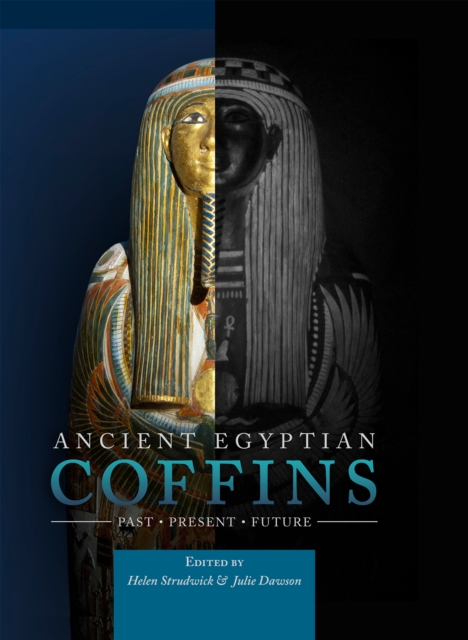
This collection of papers by leading international experts on the subject of ancient Egyptian coffins, builds on a project based at the Fitzwilliam Museum, Cambridge, to study and record in detail its collection.
This collection of papers by leading international experts on the subject of ancient Egyptian coffins, builds on a project based at the Fitzwilliam Museum, Cambridge, to study and record in detail its collection.
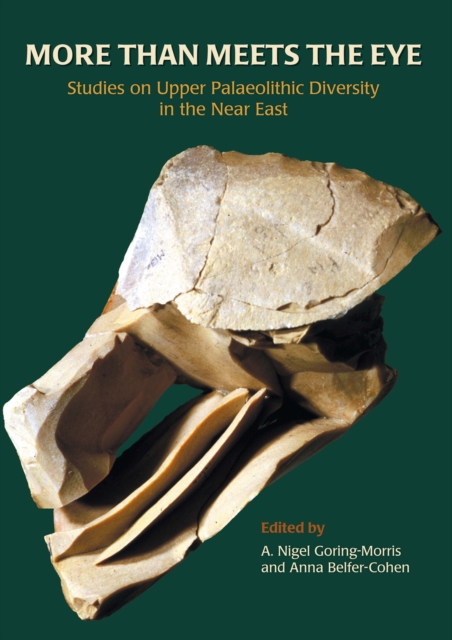
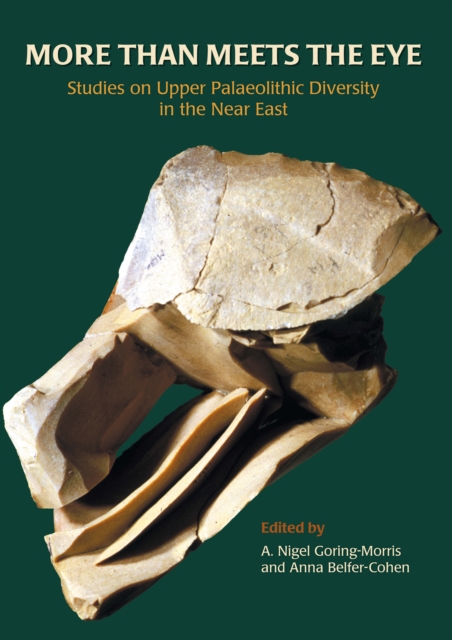
These twenty-three papers focus on recent research into the Upper Palaeolithic of the Levant, a murky period of human history (ca 45,000 to 20,000 years ago) during which modern patterns of human behaviour and communication became the norm.
These twenty-three papers focus on recent research into the Upper Palaeolithic of the Levant, a murky period of human history (ca 45,000 to 20,000 years ago) during which modern patterns of human behaviour and communication became the norm.
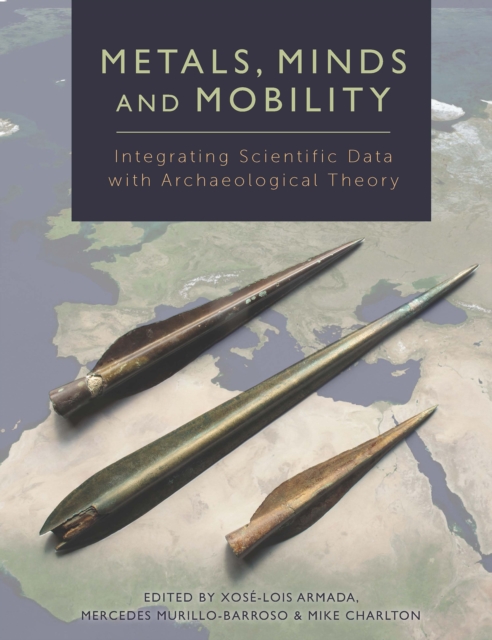
Metals, Minds and Mobility seeks to integrate archaeometallurgical data with archaeological theory to address longstanding questions about mechanisms of exchange, mobility and social complexity in prehistory.
As a result of recent methodological and theoretical developments in approaches to the human body in archaeological contexts, the theme has recently become a particularly dynamic research area.
As a result of recent methodological and theoretical developments in approaches to the human body in archaeological contexts, the theme has recently become a particularly dynamic research area.
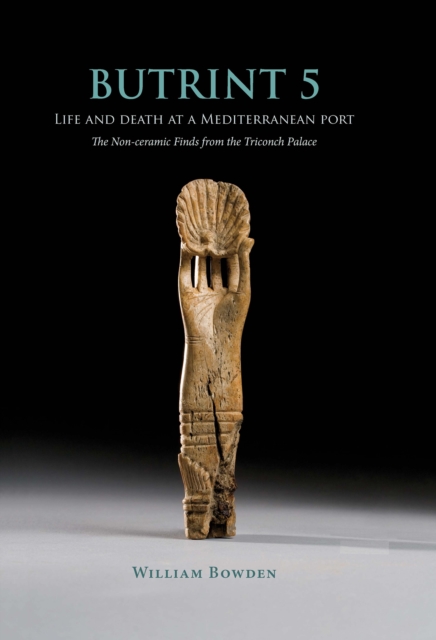
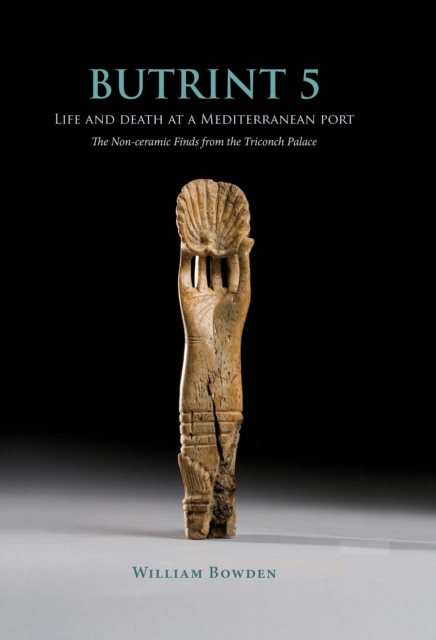
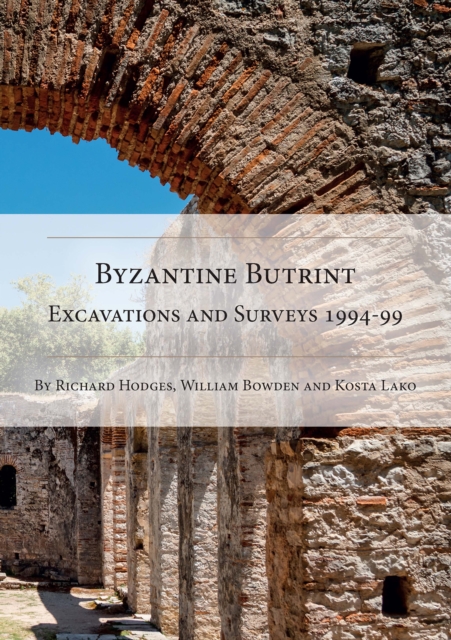
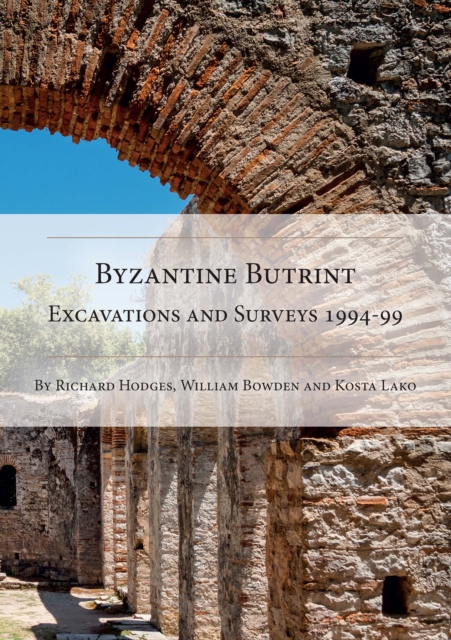
This is the second volume arising from the 1994–2003 excavations of the Triconch Palace at Butrint (Albania), which charted the history of a major Mediterranean waterfront site from the 2nd to the 15th centuries AD.
This is the second volume arising from the 1994–2003 excavations of the Triconch Palace at Butrint (Albania), which charted the history of a major Mediterranean waterfront site from the 2nd to the 15th centuries AD.
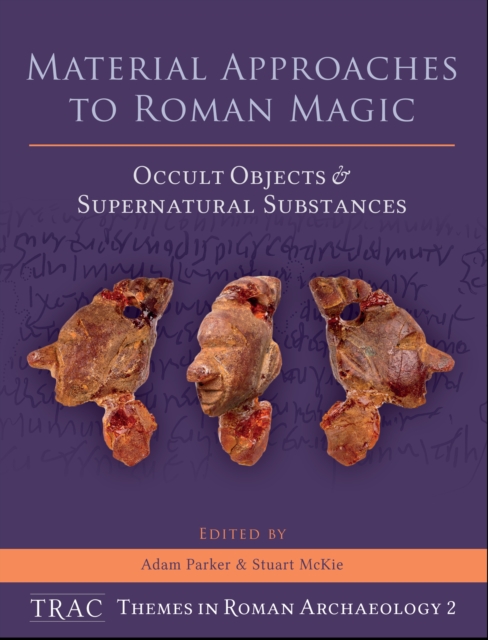
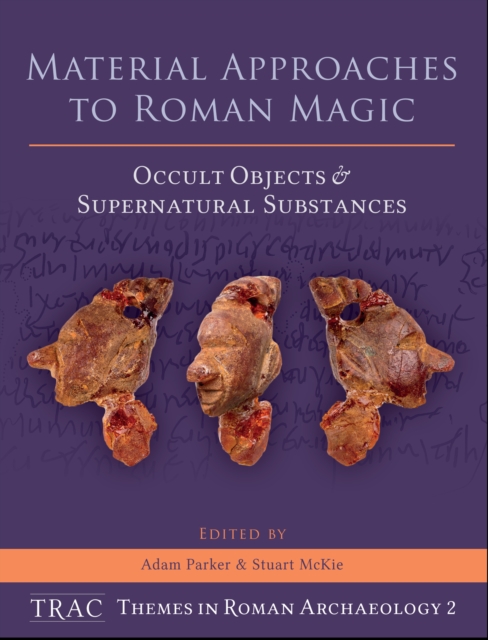
This second volume in the new TRAC Themes in Roman Archaeology series seeks to push the research agendas of materiality and lived experience further into the study of Roman magic, a field that has, until recently, lacked object-focused analysis.
This second volume in the new TRAC Themes in Roman Archaeology series seeks to push the research agendas of materiality and lived experience further into the study of Roman magic, a field that has, until recently, lacked object-focused analysis.
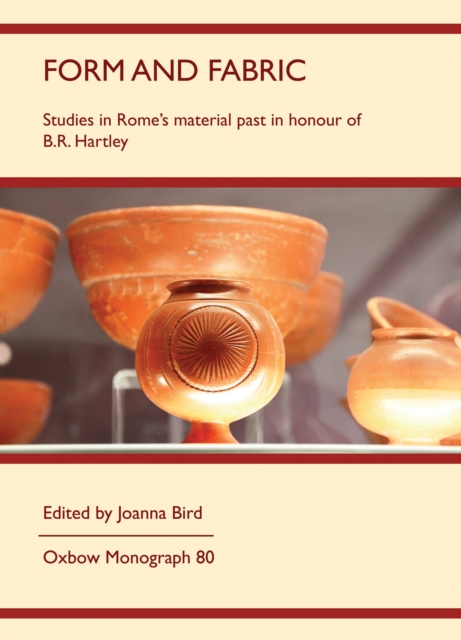
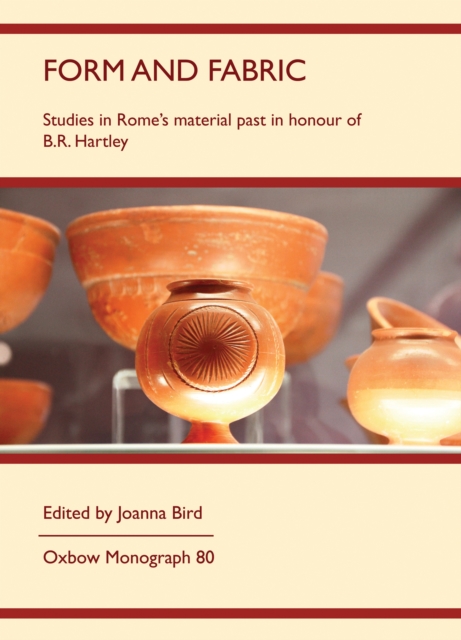
The range of papers presented in this volume demonstrates the wide scope of Brian Hartley’s interests and the fields of archaeological scholarship with which he has been involved.
The range of papers presented in this volume demonstrates the wide scope of Brian Hartley’s interests and the fields of archaeological scholarship with which he has been involved.