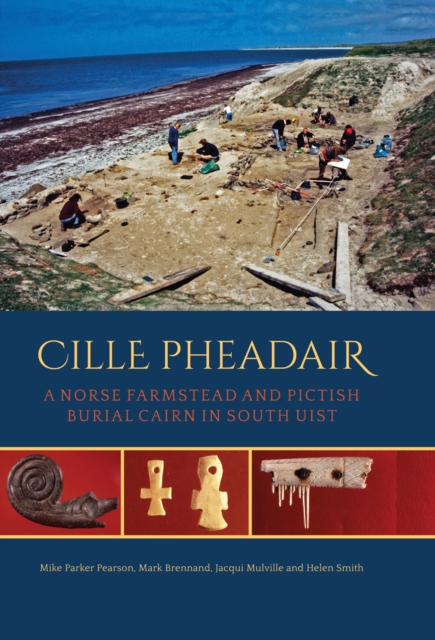
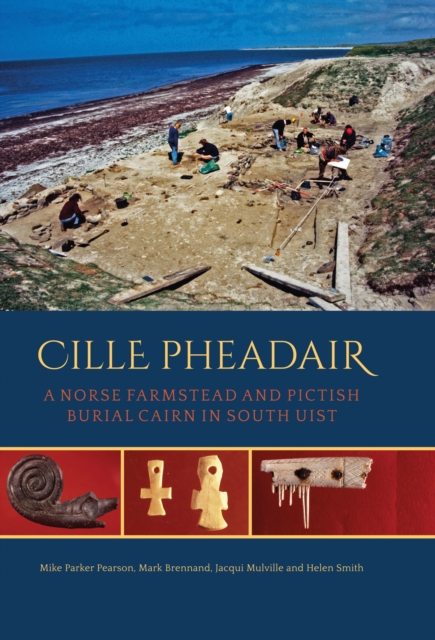
Cille Pheadair is one of more than 20 Viking Age and Late Norse settlements discovered on the island of South Uist in the Outer Hebrides (Western Isles), off the west coast of Scotland.
Cille Pheadair is one of more than 20 Viking Age and Late Norse settlements discovered on the island of South Uist in the Outer Hebrides (Western Isles), off the west coast of Scotland.
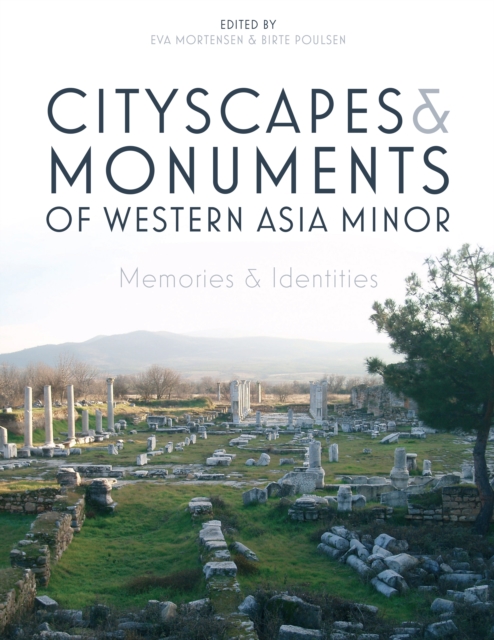
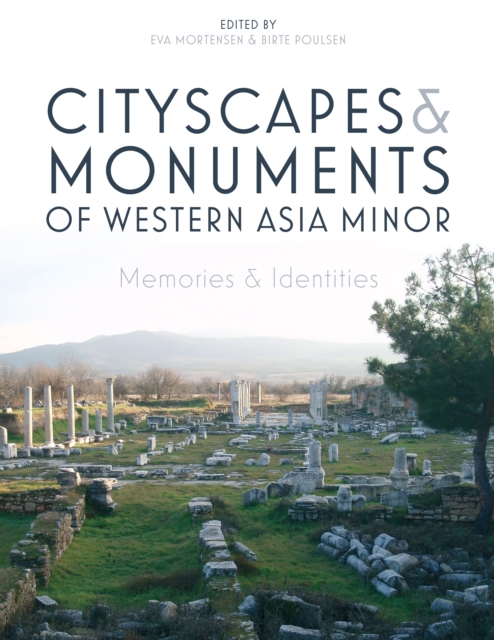
Cityscapes consist of houses, streets, civic buildings, sanctuaries, tombs, monuments, and inscriptions created by multiple generations of citizens and foreigners with an interest in the city; they are interpreted and reinterpreted as expressions of past lives, changing relations of power, memories, and various identities.
Cityscapes consist of houses, streets, civic buildings, sanctuaries, tombs, monuments, and inscriptions created by multiple generations of citizens and foreigners with an interest in the city; they are interpreted and reinterpreted as expressions of past lives, changing relations of power, memories, and various identities.
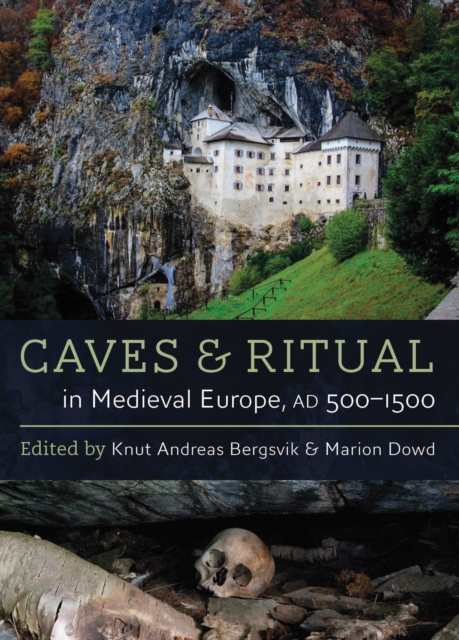
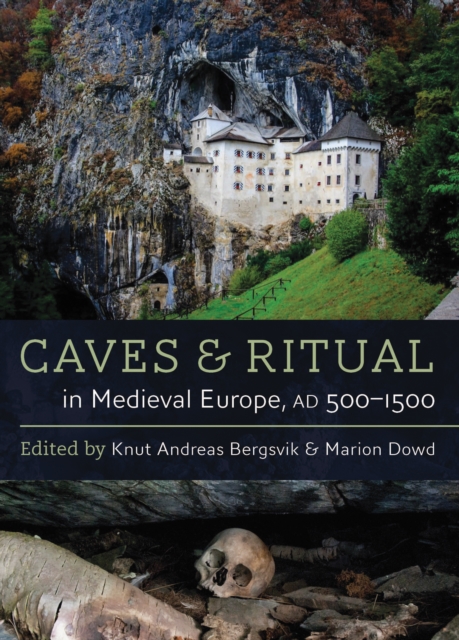
Caves and rockshelters in Europe have traditionally been associated with prehistory, and in some regions cave archaeology has become synonymous with the Palaeolithic.
Caves and rockshelters in Europe have traditionally been associated with prehistory, and in some regions cave archaeology has become synonymous with the Palaeolithic.
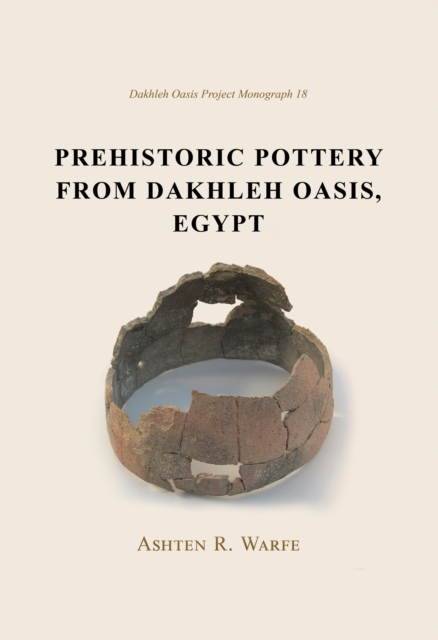
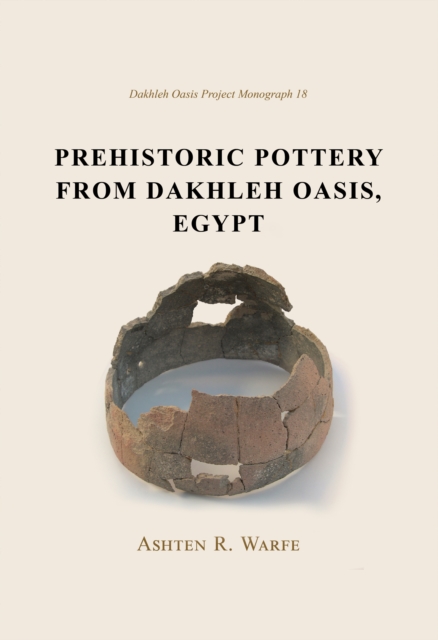
As one of the few surviving artifacts from the late prehistory of northeast Africa, pottery serves as an essential material category by which to explore long-term human development.
As one of the few surviving artifacts from the late prehistory of northeast Africa, pottery serves as an essential material category by which to explore long-term human development.
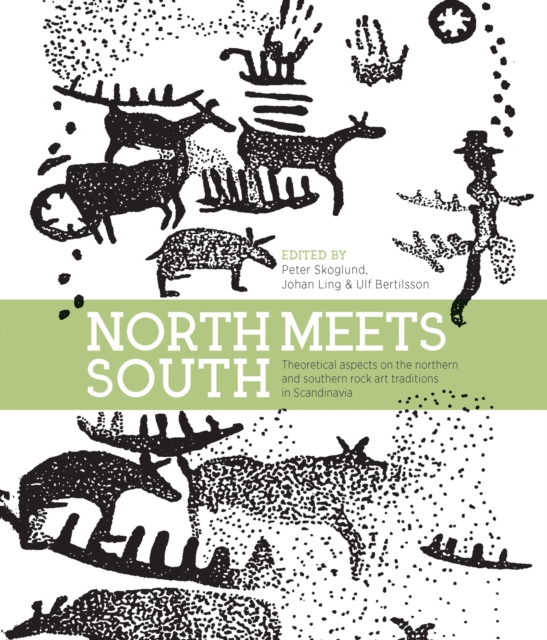
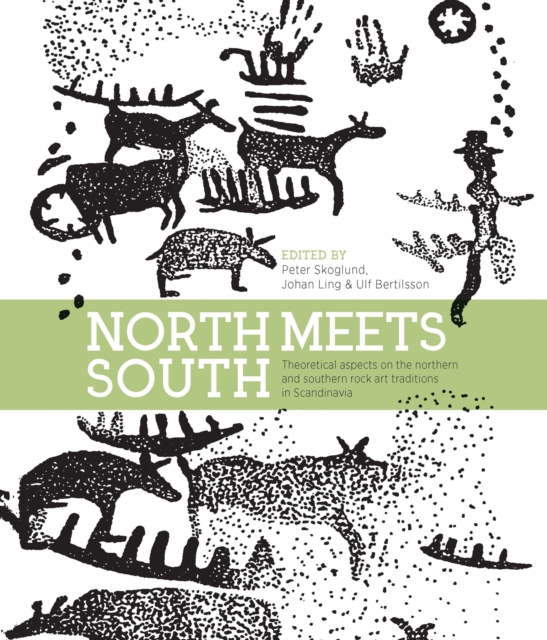
This latest volume in the Swedish Rock Art series bridges the gap between analysis and interpretation of rock art imagery, location and chronology in the northern and southern regions of Scandinavia.
This latest volume in the Swedish Rock Art series bridges the gap between analysis and interpretation of rock art imagery, location and chronology in the northern and southern regions of Scandinavia.
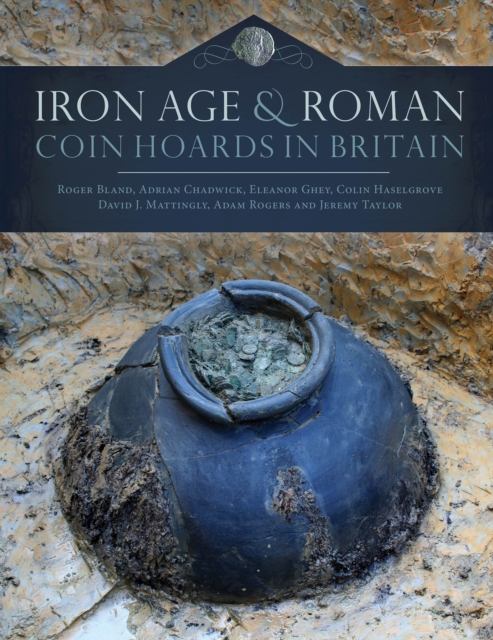
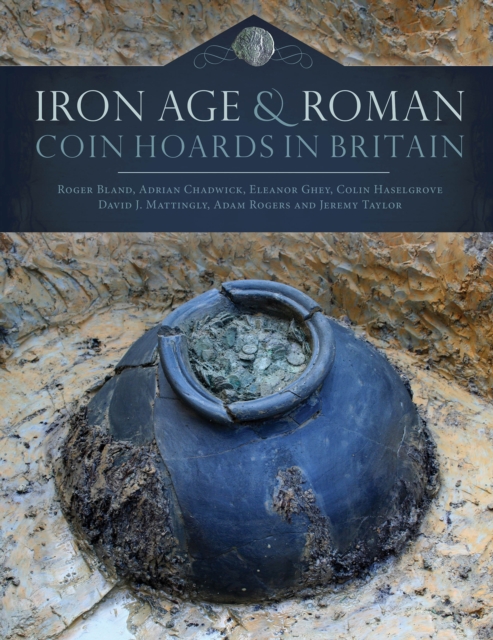
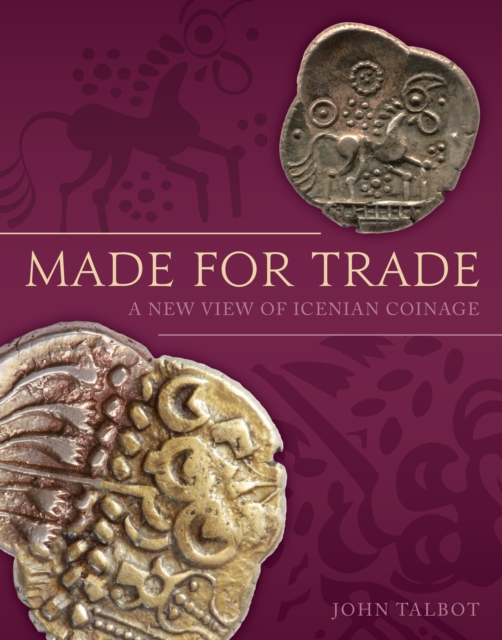
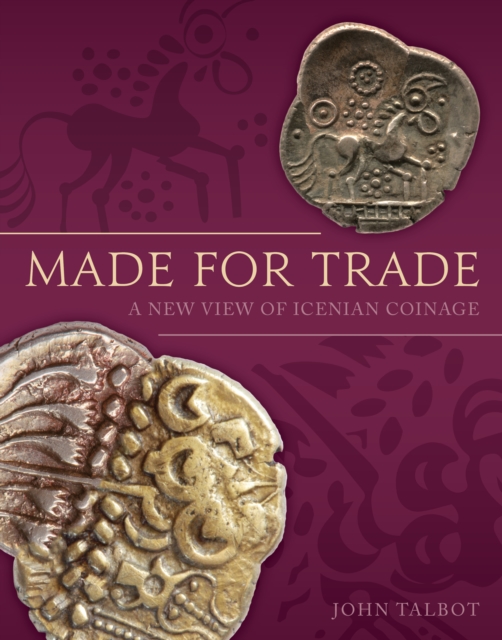
The Late Iron Age coinage of England has long been recognized as an invaluable potential source of information about pre-Roman Britain, although its purpose has been much debated and never clearly established.
The Late Iron Age coinage of England has long been recognized as an invaluable potential source of information about pre-Roman Britain, although its purpose has been much debated and never clearly established.
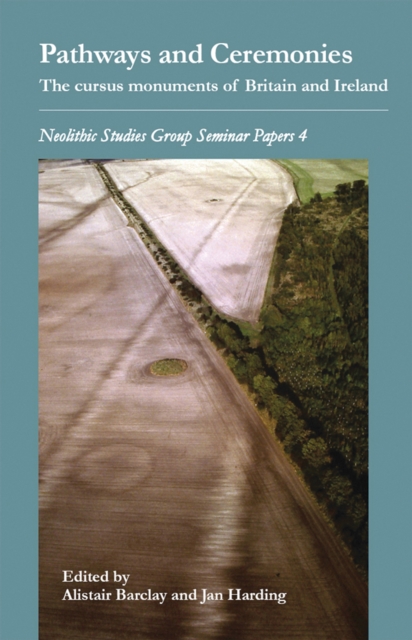
A review of the most recent evidence from cursuses, and ideas on their interpretation, with contributions as follows: Introduction (J Harding and A Barclay) , the radiocarbon problem (A Barclay and A Bayliss) , symbolic territories (J Harding) , processions, memories and the Dorset cursus (R Johnston) , Dorchester on Thames - ritual complex or ritual landscape (R Loveday) , cattle, cursus monuments and the river .
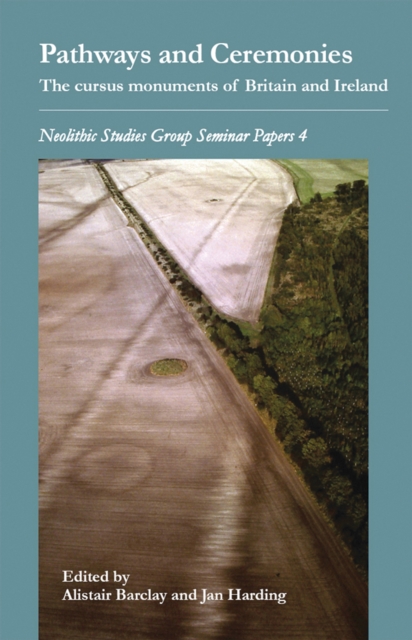
A review of the most recent evidence from cursuses, and ideas on their interpretation, with contributions as follows: Introduction (J Harding and A Barclay) , the radiocarbon problem (A Barclay and A Bayliss) , symbolic territories (J Harding) , processions, memories and the Dorset cursus (R Johnston) , Dorchester on Thames - ritual complex or ritual landscape (R Loveday) , cattle, cursus monuments and the river .
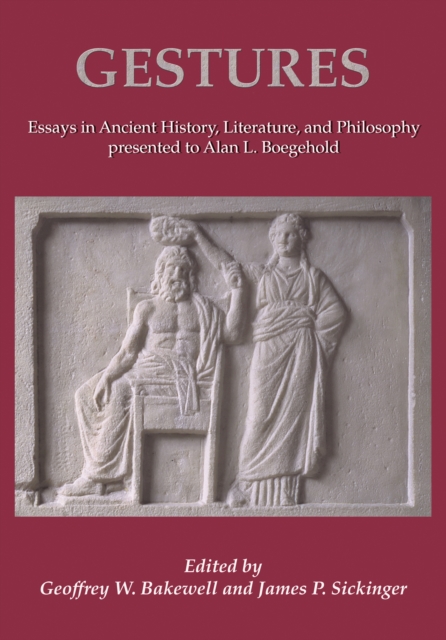
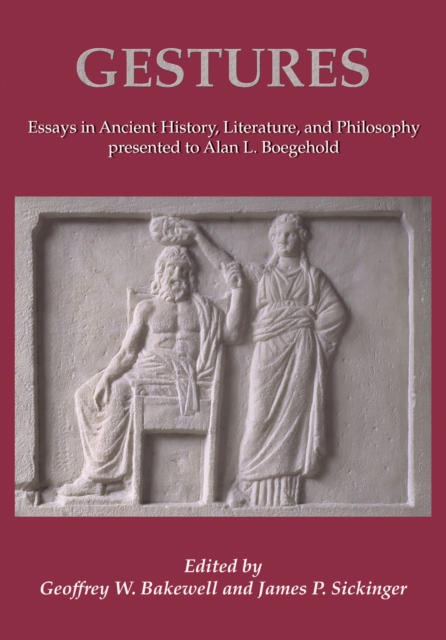
These thirty essays were presented to Alan L Boegehold, a distinguished philologist and an inspirational teacher, on the occasion of his retirement and his seventy-fifth birthday.
These thirty essays were presented to Alan L Boegehold, a distinguished philologist and an inspirational teacher, on the occasion of his retirement and his seventy-fifth birthday.
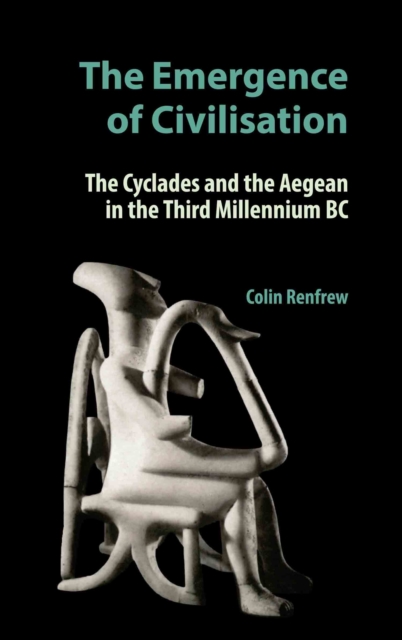
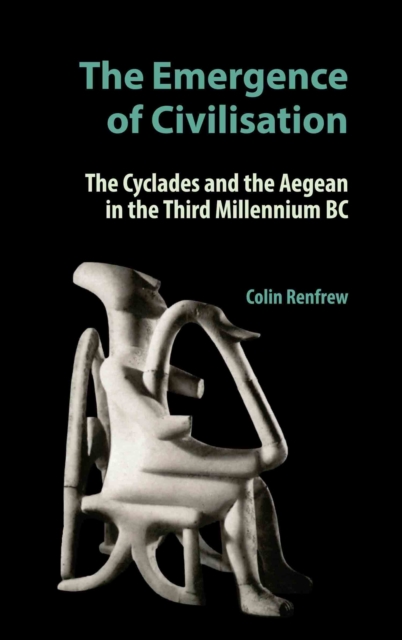
Unavailable for too long, this new edition reprints the original text of Renfrew's groundbreaking study, supplemented with a new introduction by the author and a foreword by John Cherry, in order to make this landmark publication available once again.
Unavailable for too long, this new edition reprints the original text of Renfrew's groundbreaking study, supplemented with a new introduction by the author and a foreword by John Cherry, in order to make this landmark publication available once again.
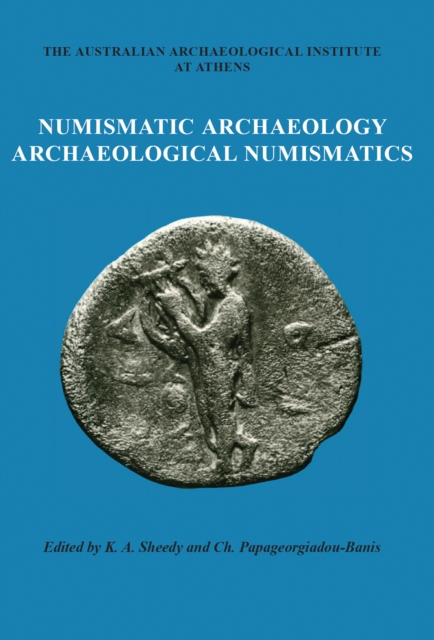
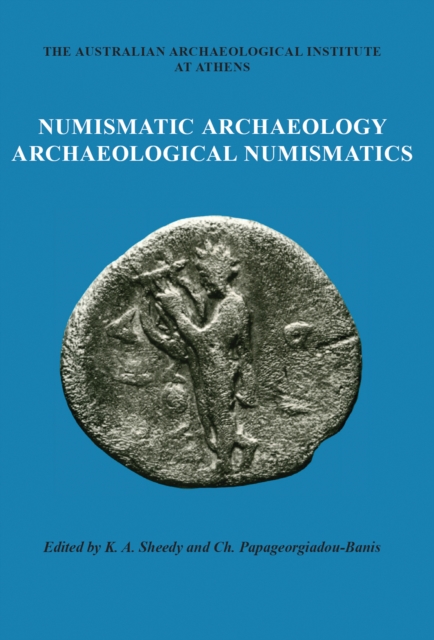
These papers examine the ongoing relationship between numismatic research and archaeology in Greece; they are based on a 1995 conference organised by the Athens National Museum and the Australian Archaeological Institute at Athens in honour of Dr Mando Oeconomodies.
These papers examine the ongoing relationship between numismatic research and archaeology in Greece; they are based on a 1995 conference organised by the Athens National Museum and the Australian Archaeological Institute at Athens in honour of Dr Mando Oeconomodies.
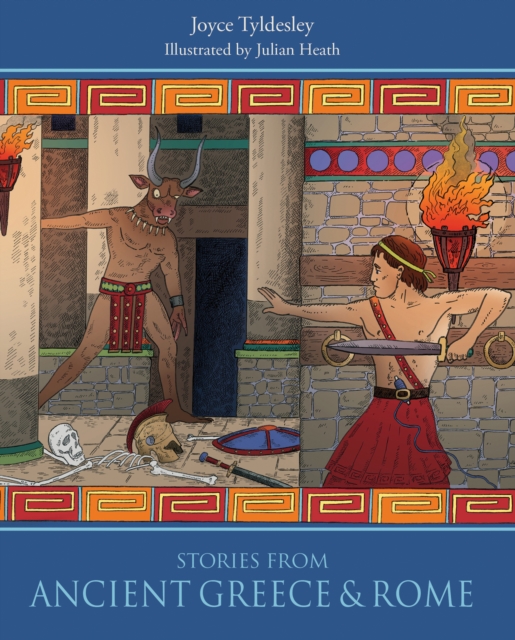
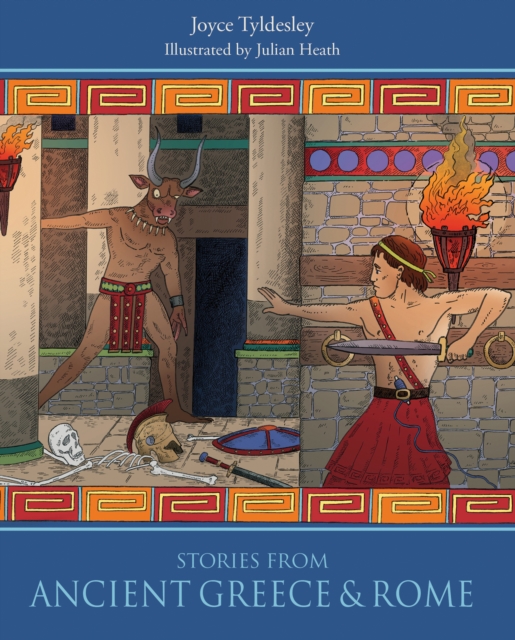
In a companion book to the best-selling Stories from Ancient Egypt, Joyce Tyldesley re-tells some of the most interesting and entertaining myths and legends from the Classical world.
In a companion book to the best-selling Stories from Ancient Egypt, Joyce Tyldesley re-tells some of the most interesting and entertaining myths and legends from the Classical world.
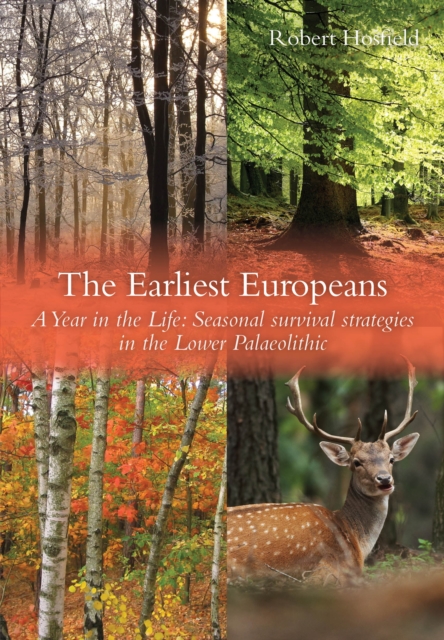
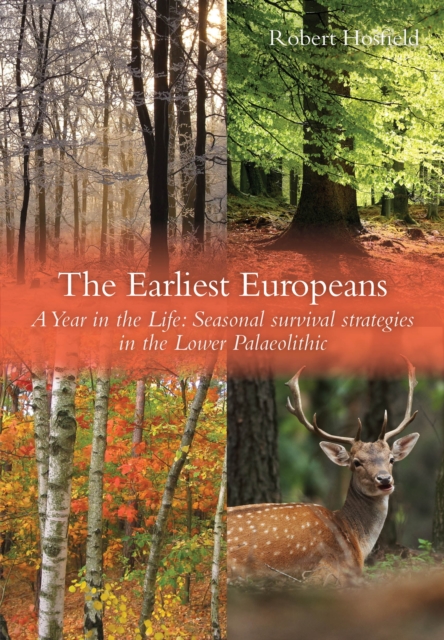
The Earliest Europeans explores the early origins of man in Europe through the perspective of ‘a year in the life’: how hominins in the Lower Palaeolithic coped with the year-round practical challenges of mid-latitude Europe with its distinctive temperatures, seasonality patterns, and available resources.
The Earliest Europeans explores the early origins of man in Europe through the perspective of ‘a year in the life’: how hominins in the Lower Palaeolithic coped with the year-round practical challenges of mid-latitude Europe with its distinctive temperatures, seasonality patterns, and available resources.
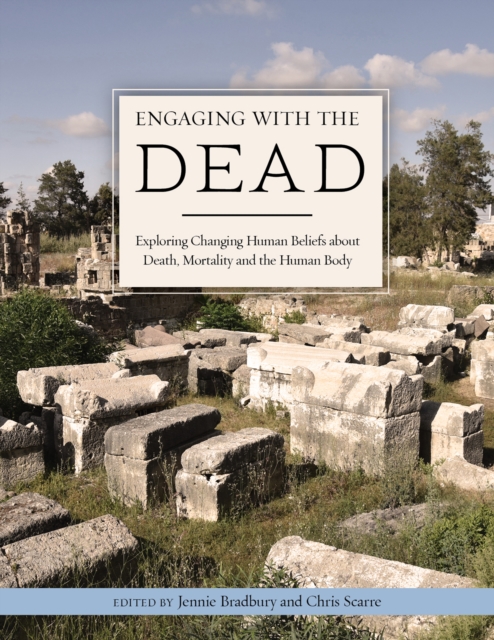
Engaging with the Dead adopts a cross-disciplinary, archaeologically focused, approach to explore a variety of themes linked to the interpretation of mortuary traditions, death and the ways of disposing of the dead.
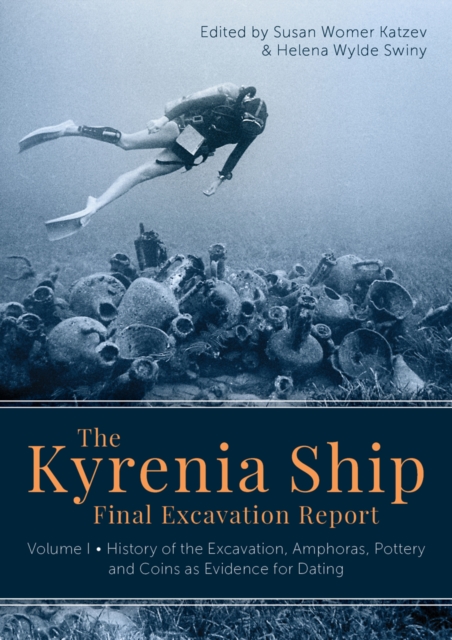
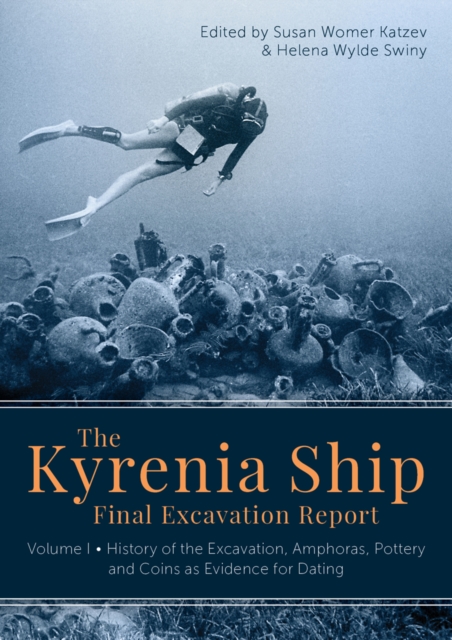
The Kyrenia Ship, a Greek merchantman built around 315 BC, which sank off the north coast of Cyprus, was excavated between 1968 and 1972 under the direction of Michael L.
The Kyrenia Ship, a Greek merchantman built around 315 BC, which sank off the north coast of Cyprus, was excavated between 1968 and 1972 under the direction of Michael L.
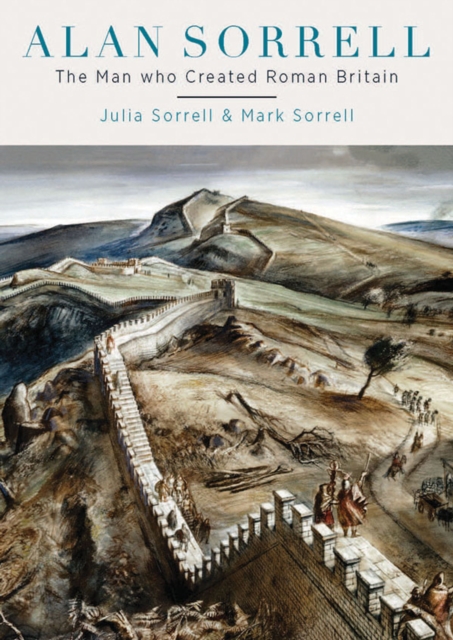
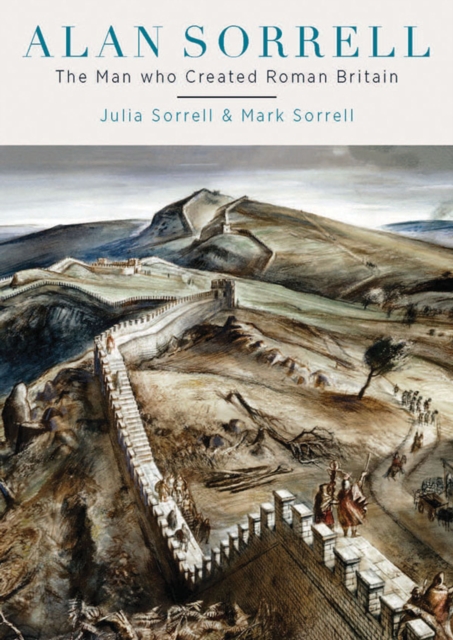
Alan Sorrell’s archaeological reconstruction drawings and paintings remain some of the best, most accurate and most accomplished paintings of their genre that continue to inform our understanding and appreciation of historic buildings and monuments in Eutope, the Near East and throughout the UK.
Alan Sorrell’s archaeological reconstruction drawings and paintings remain some of the best, most accurate and most accomplished paintings of their genre that continue to inform our understanding and appreciation of historic buildings and monuments in Eutope, the Near East and throughout the UK.