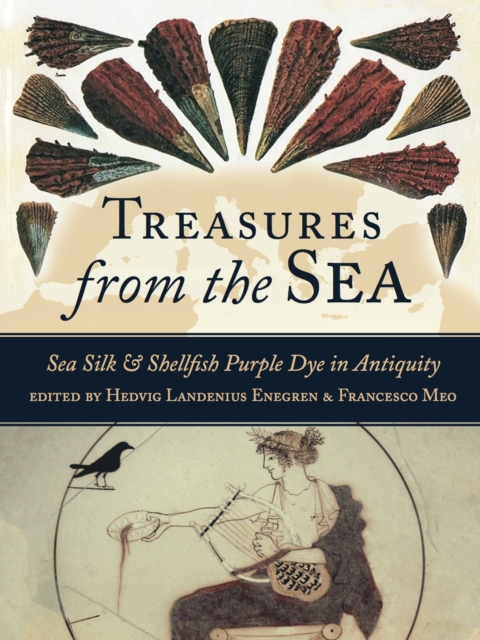
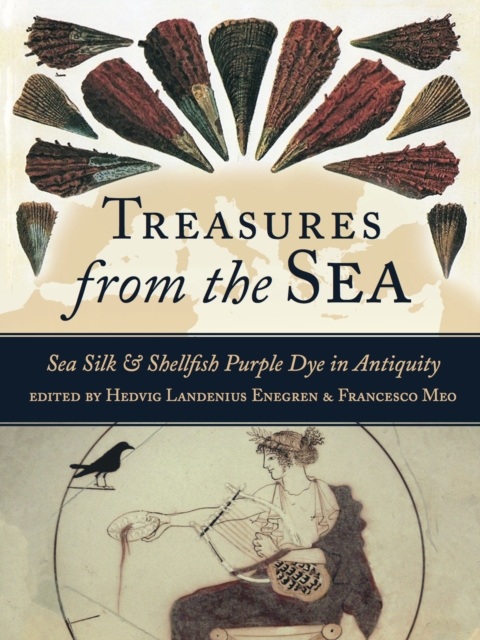
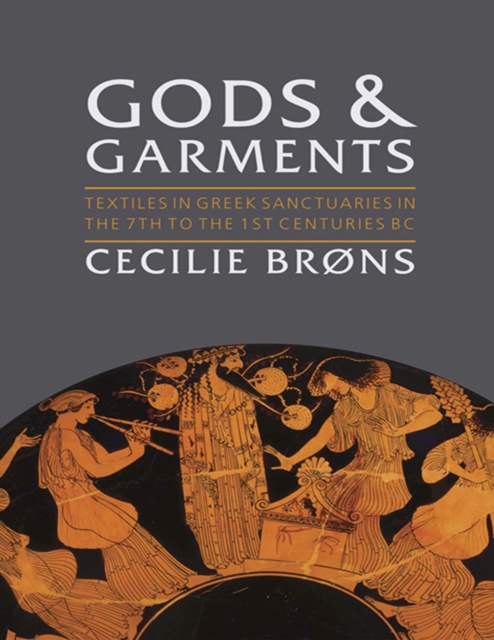
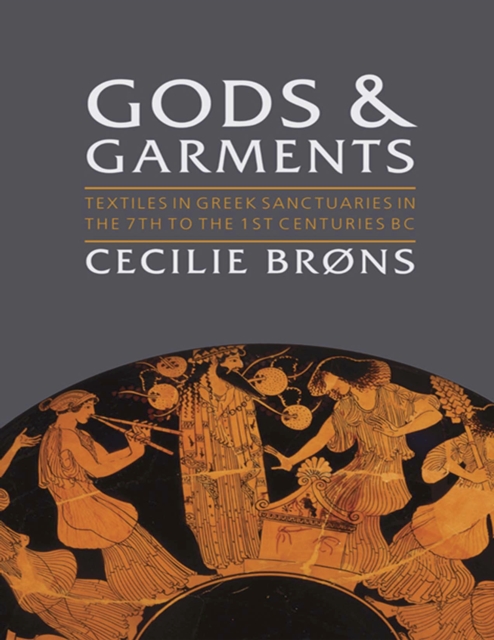
Purple dye is extracted from the glands of the molluscs Hexaplex trunculus, Bolinus Brandaris and Stramonita Haemastoma which, through a chemical reaction of photosynthesis, produces hues ranging from dark red to bluish purple color.
Purple dye is extracted from the glands of the molluscs Hexaplex trunculus, Bolinus Brandaris and Stramonita Haemastoma which, through a chemical reaction of photosynthesis, produces hues ranging from dark red to bluish purple color.
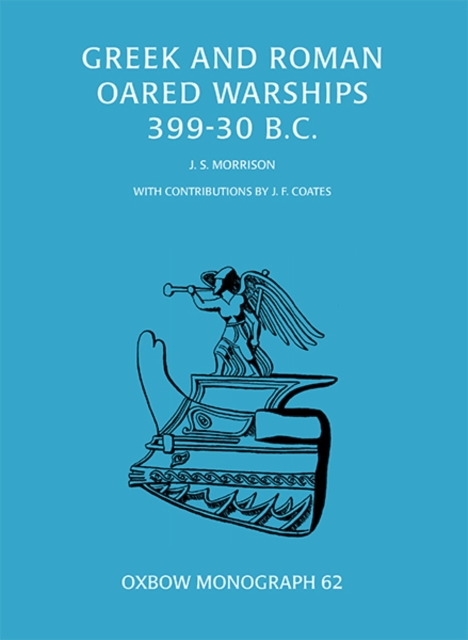
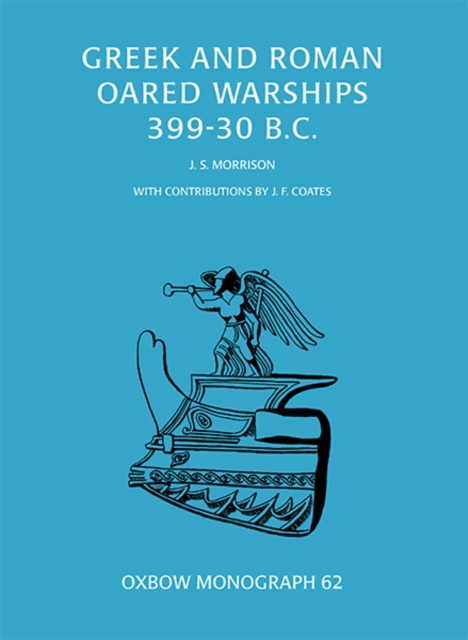
This is an important study of the new types of warships which evolved in the navies of the Mediterranean in the 4th and 3rd centuries BC, and of their use by Greeks, Phoenicians and Romans in the fleets and naval battles in the second and first centuries, culminating in the Battle of Aktion.
This is an important study of the new types of warships which evolved in the navies of the Mediterranean in the 4th and 3rd centuries BC, and of their use by Greeks, Phoenicians and Romans in the fleets and naval battles in the second and first centuries, culminating in the Battle of Aktion.
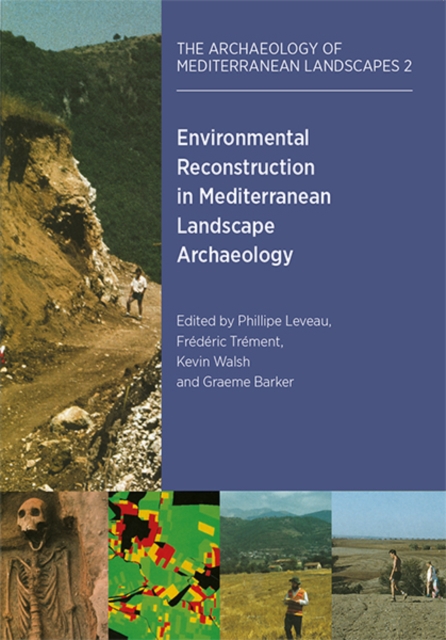
Contents include: Introduction ( K Walsh ); Palynology ( S Bottema ); A database for the palynological recording of human activity ( V Andrieu, E Brugiapaglia, R Cheddadi, M Reille and J-L de Beaulieu ); The contribution of anthracology ( J-L Vernet ); Dendroclimatology ( F Guibal ); Techniques in Landscape Archaeology ( A G Brown ); L'apport de la micromorphologie des sols ( N Fédoroff ); Reconstructing past soil environments ( R S Shiel ); The Geochemistry of Soil Sediments ( D D Gilbertson and J P Grattam ); Searching the Ports of Troy ( E Zanagger, M Timpson, S Yazvenko and H Leiermann ); The pontine region in central Italy ( P Attema, J Delvigne and B J Haagsma ); Population pressure on agricultural resources in Karstic landscapes ( P Novacovic, H Simoni and B Music ); La Pianura padana centrale tra il Bronzo Medio ed il Bronzo finale ( M Cremaschi ); The ancient ports of Marseille and Fos, Provence, southern France ( C Vella, C Morhange and M Provansal ); The evolution of field systems in the middle Rhône valley ( J-F Berger and C Jung ); La línea de Costa en época histórica en el Golfo de Valencia ( P Carmona ); The Vallée des Baux, Southern France ( P Leveau ); The étang de Berre, southern France ( F Trément ); Geoarchaeology in mediterranean landscape archaeology ( G Barker and J Bintliff ).
Contents include: Introduction ( K Walsh ); Palynology ( S Bottema ); A database for the palynological recording of human activity ( V Andrieu, E Brugiapaglia, R Cheddadi, M Reille and J-L de Beaulieu ); The contribution of anthracology ( J-L Vernet ); Dendroclimatology ( F Guibal ); Techniques in Landscape Archaeology ( A G Brown ); L'apport de la micromorphologie des sols ( N Fédoroff ); Reconstructing past soil environments ( R S Shiel ); The Geochemistry of Soil Sediments ( D D Gilbertson and J P Grattam ); Searching the Ports of Troy ( E Zanagger, M Timpson, S Yazvenko and H Leiermann ); The pontine region in central Italy ( P Attema, J Delvigne and B J Haagsma ); Population pressure on agricultural resources in Karstic landscapes ( P Novacovic, H Simoni and B Music ); La Pianura padana centrale tra il Bronzo Medio ed il Bronzo finale ( M Cremaschi ); The ancient ports of Marseille and Fos, Provence, southern France ( C Vella, C Morhange and M Provansal ); The evolution of field systems in the middle Rhône valley ( J-F Berger and C Jung ); La línea de Costa en época histórica en el Golfo de Valencia ( P Carmona ); The Vallée des Baux, Southern France ( P Leveau ); The étang de Berre, southern France ( F Trément ); Geoarchaeology in mediterranean landscape archaeology ( G Barker and J Bintliff ).
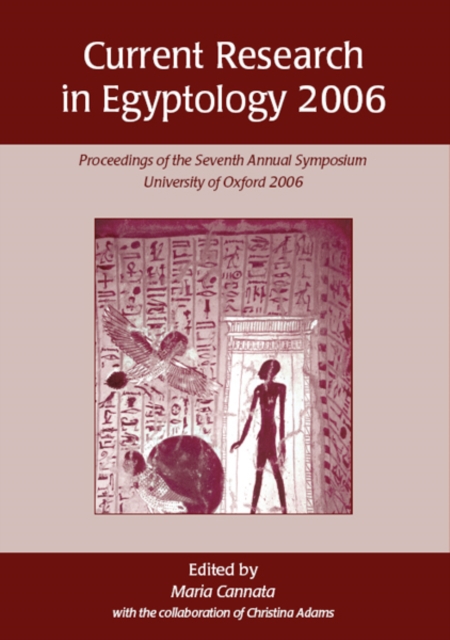
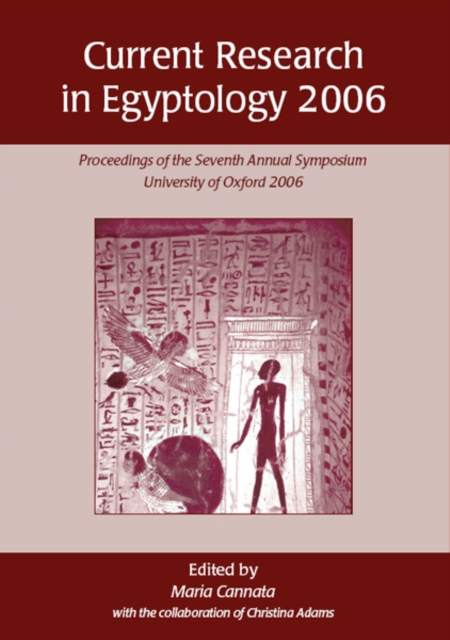
The Seventh annual Current Research in Egyptology Symposium (CRE 2006) was held on 6-8 April 2006, at the University of Oxford, and brought together graduate and postgraduate students of Egyptology from institutions world-wide.
The Seventh annual Current Research in Egyptology Symposium (CRE 2006) was held on 6-8 April 2006, at the University of Oxford, and brought together graduate and postgraduate students of Egyptology from institutions world-wide.
The West Midlands has struggled archaeologically to project a distinct regional identity, having largely been defined by reference to other areas with a stronger cultural identity and history, such as Wessex the South-West, and the North.
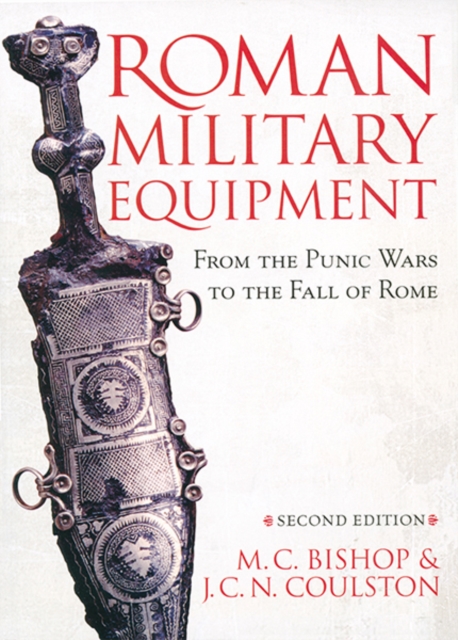
Rome's rise to empire is often said to have owed much to the efficiency and military skill of her armies and their technological superiority over barbarian enemies.
Rome's rise to empire is often said to have owed much to the efficiency and military skill of her armies and their technological superiority over barbarian enemies.
A digital reprint which makes available again the first publication of the Neolithic Studies Group, containing papers given to a special colloquium on the `structures' of Neolithic Europe.
Over the last 20 years a vast number of new and important Swedish Mesolithic sites have been excavated and published in different ways as articles, books and site reports.
Over the last 20 years a vast number of new and important Swedish Mesolithic sites have been excavated and published in different ways as articles, books and site reports.
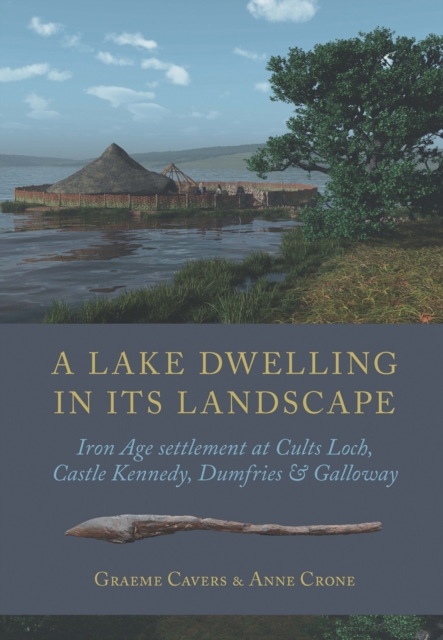
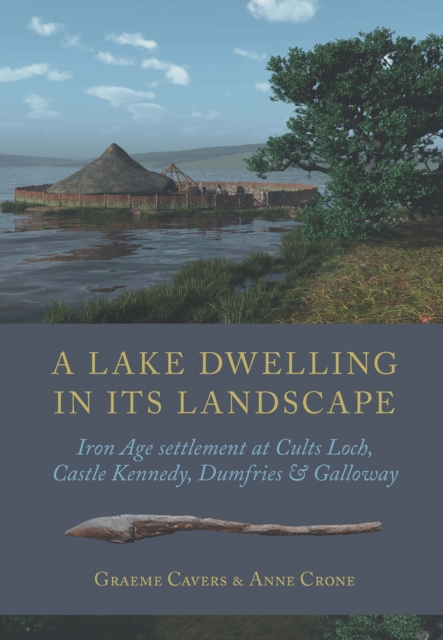
Cults Loch, at Castle Kennedy in Dumfries & Galloway, Scotland, loch lies within a landscape rich in prehistoric cropmark sites and within the loch itself are two crannogs, one of which has been the focus of this study.
Cults Loch, at Castle Kennedy in Dumfries & Galloway, Scotland, loch lies within a landscape rich in prehistoric cropmark sites and within the loch itself are two crannogs, one of which has been the focus of this study.
The sixteenth Current Research in Egyptology (CRE) conference was held from the 15–18 April 2015 at the University of Oxford and once again provided a platform for postgraduates and early career Egyptologists, as well as independent researchers, to present their research.
The sixteenth Current Research in Egyptology (CRE) conference was held from the 15–18 April 2015 at the University of Oxford and once again provided a platform for postgraduates and early career Egyptologists, as well as independent researchers, to present their research.
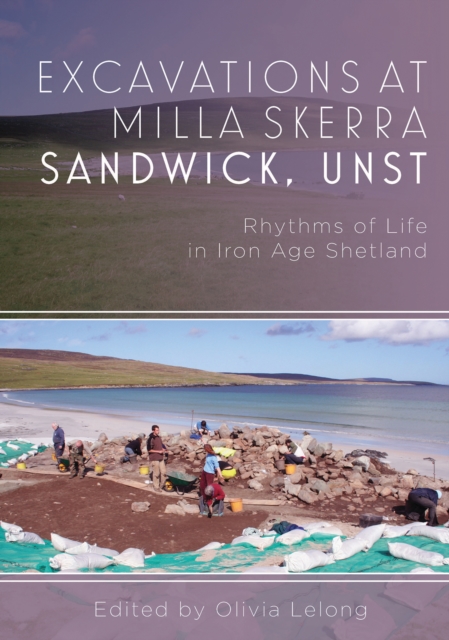
During the late 1st millennium BC into the early 1st millennium AD, the small island of Unst in the far north of the Shetland (and British) Isles was home to well-established and connected farming and fishing communities.
During the late 1st millennium BC into the early 1st millennium AD, the small island of Unst in the far north of the Shetland (and British) Isles was home to well-established and connected farming and fishing communities.
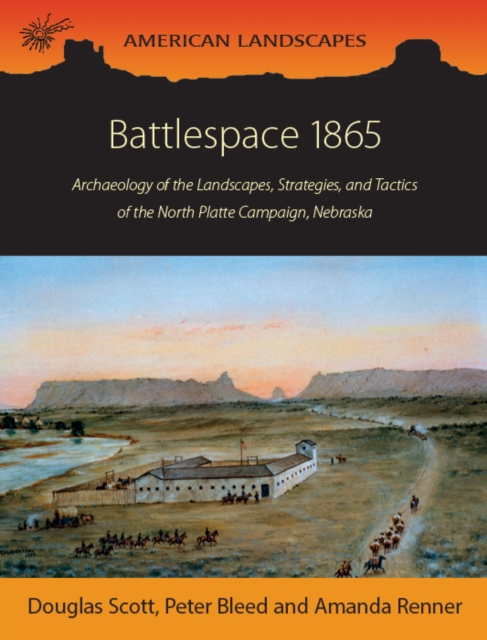
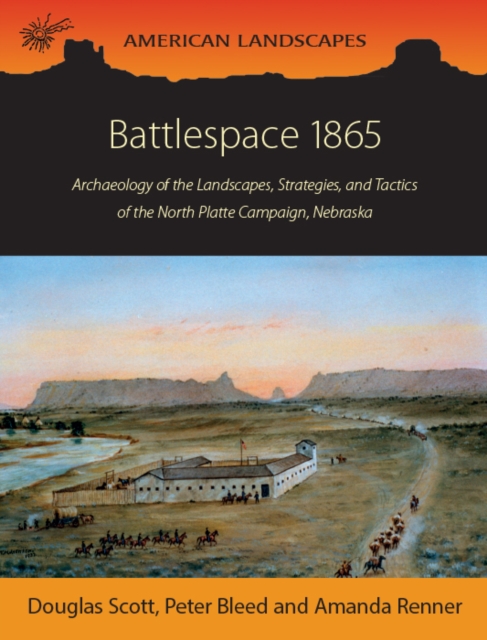
For a period of about week in February 1865, as the Civil War was winding down and Plains Indian communities were reeling in the wake of the Sand Creek massacre, combat swept across the Nebraska panhandle, especially along the Platte River.
For a period of about week in February 1865, as the Civil War was winding down and Plains Indian communities were reeling in the wake of the Sand Creek massacre, combat swept across the Nebraska panhandle, especially along the Platte River.
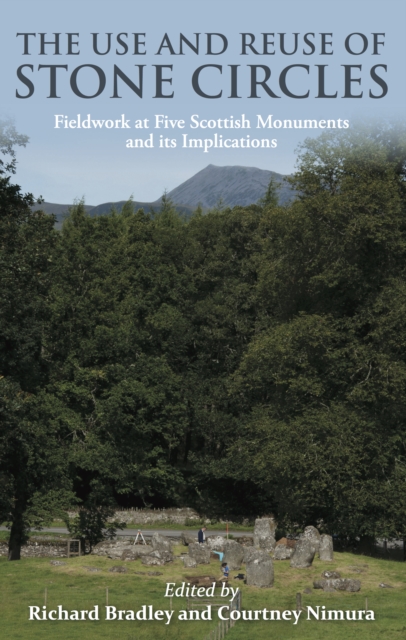
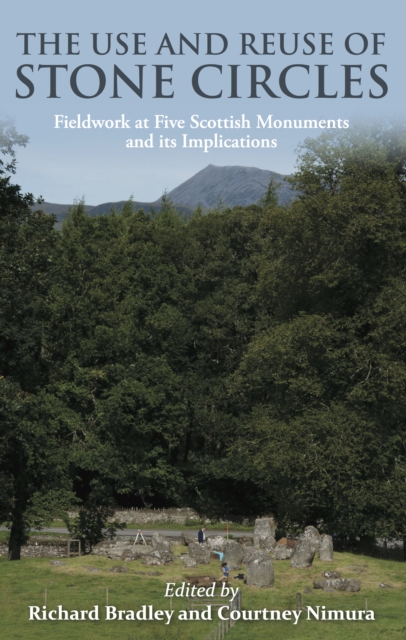
The study of stone circles has long played a major role in British and Irish archaeology, and for Scotland most attention has been focused on the large monuments of Orkney and the Western Isles.
The study of stone circles has long played a major role in British and Irish archaeology, and for Scotland most attention has been focused on the large monuments of Orkney and the Western Isles.