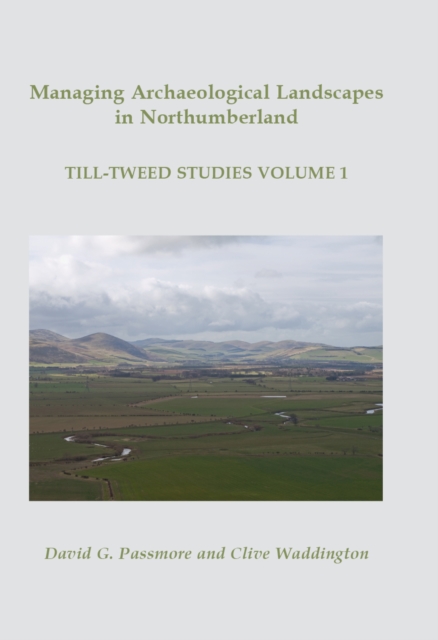
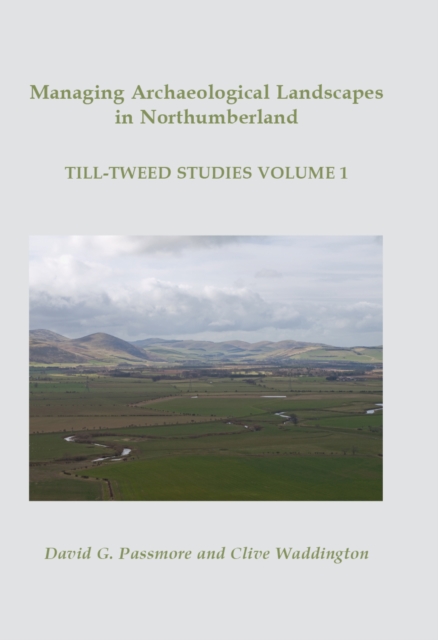
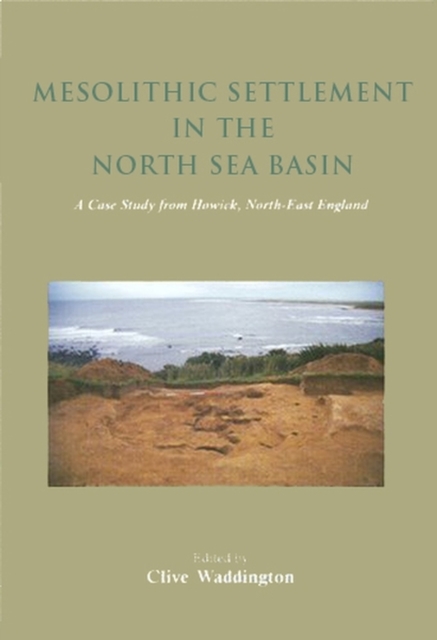
The Till-Tweed river catchment areas in Northumberland contain outstanding archaeological and palaeoenvironmental remains which have been in general only poorly understood.
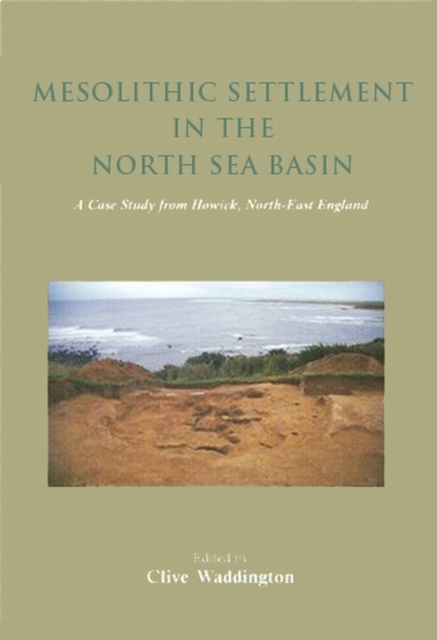
The Till-Tweed river catchment areas in Northumberland contain outstanding archaeological and palaeoenvironmental remains which have been in general only poorly understood.
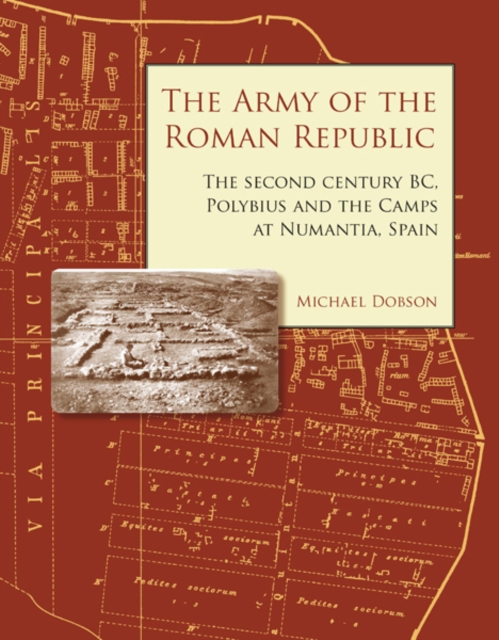
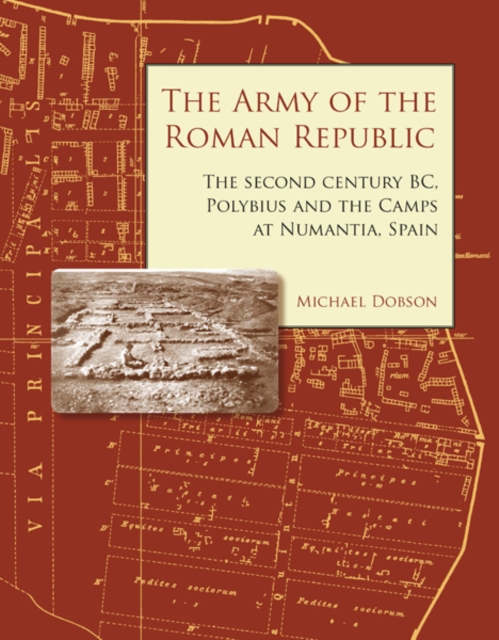
The main source of archaeological evidence for Late Roman Republican camps is a complex of installations around the Iberian city of Numantia in Spain, excavated by Adolf Schulten in the early 1900s.
The main source of archaeological evidence for Late Roman Republican camps is a complex of installations around the Iberian city of Numantia in Spain, excavated by Adolf Schulten in the early 1900s.
The study of tree-rings (dendrochronology) provides a key resource for determining dates for archaeological and other contexts where wood/charcoal is present (and so cultural chronology), and for investigating past climate and environment.
The Impact of the Edwardian Castles in Wales publishes the proceedings of a conference held in 2007, a year that marked the seventh centenary of the death of King Edward I, which set out to review recent scholarship on castles that he built in north Wales after two wars, in 1277 and 1282-83 and a Welsh uprising in 1294-95, and to rethink the effect that their building had upon Wales in the past, present and future.
The Impact of the Edwardian Castles in Wales publishes the proceedings of a conference held in 2007, a year that marked the seventh centenary of the death of King Edward I, which set out to review recent scholarship on castles that he built in north Wales after two wars, in 1277 and 1282-83 and a Welsh uprising in 1294-95, and to rethink the effect that their building had upon Wales in the past, present and future.
This volume is derived, in concept, from a conference held in honour of John Evans by the School of History and Archaeology and The Prehistoric Society at Cardiff University in March 2006.
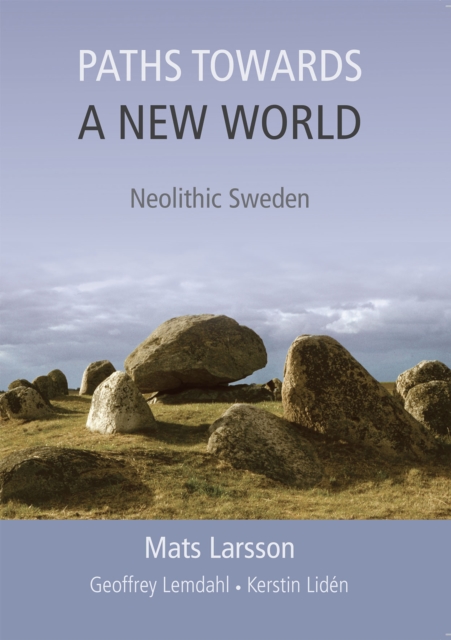
Covering the approximately 6,500 years from the beginning of the Late Mesolithic to the transition to the Bronze Age, Mats Larsson takes the reader on a journey through the development of Swedish prehistoric society and culture set against the backdrop of climatic and landscape change.
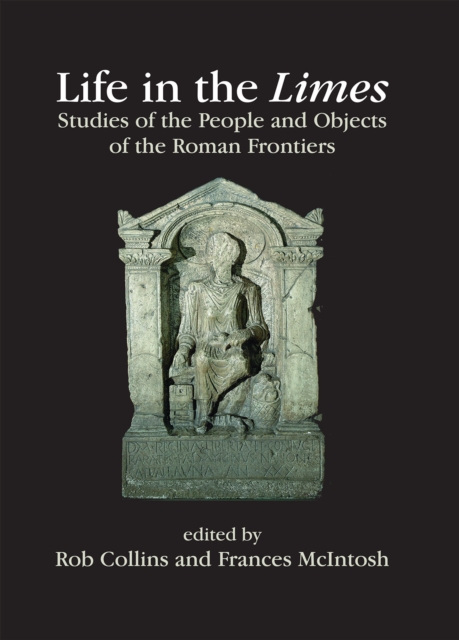
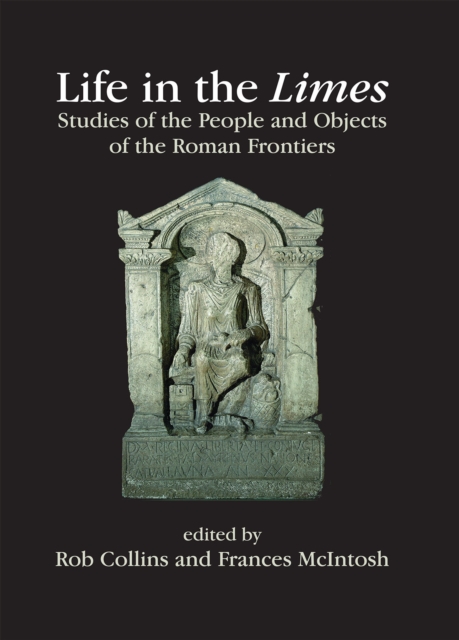
Lindsay Allason-Jones has been at the forefront of small finds and Roman frontier research for 40 years in a career focussed on, but not exclusive to, the north of Britain, encompassing an enormous range of object types and subject areas.
Lindsay Allason-Jones has been at the forefront of small finds and Roman frontier research for 40 years in a career focussed on, but not exclusive to, the north of Britain, encompassing an enormous range of object types and subject areas.
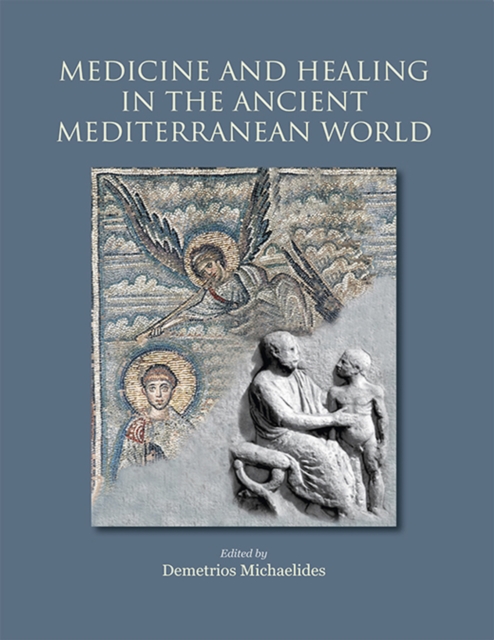
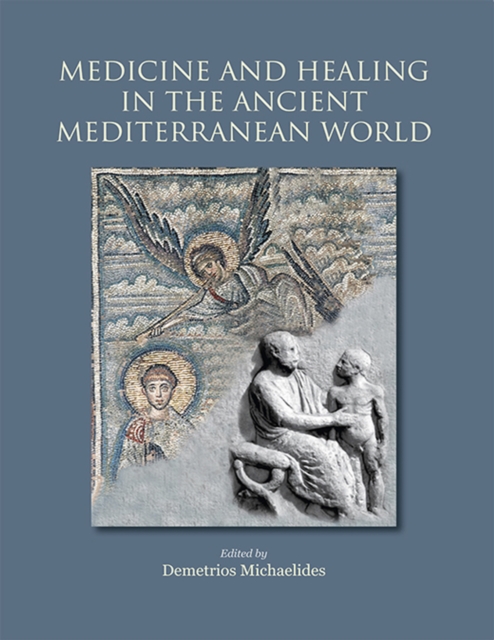
There are many recoverable aspects and indications concerning medicine and healing in the ancient past – from the archaeological evidence of skeletal remains, grave-goods comprising medical and/or surgical equipment and visual representations in tombs and other monuments thorough to epigraphic and literary sources.
There are many recoverable aspects and indications concerning medicine and healing in the ancient past – from the archaeological evidence of skeletal remains, grave-goods comprising medical and/or surgical equipment and visual representations in tombs and other monuments thorough to epigraphic and literary sources.
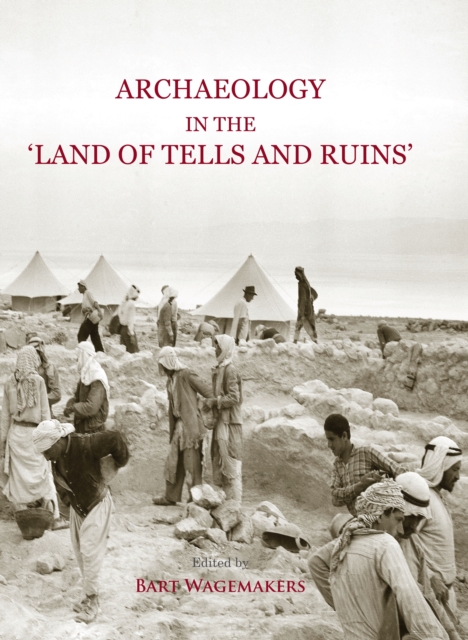
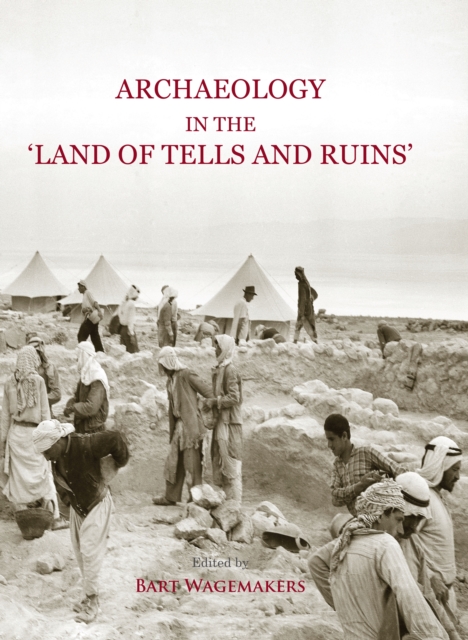
Recently, a travel account and 700 photographs came to light by the hand of Leo Boer, a former student of the École Biblique et Archéologique Française in Jerusalem who, at the age of 26 in 1953–4 visited many archaeological sites in the area of present-day Israel and the Palestinian Territories.
Recently, a travel account and 700 photographs came to light by the hand of Leo Boer, a former student of the École Biblique et Archéologique Française in Jerusalem who, at the age of 26 in 1953–4 visited many archaeological sites in the area of present-day Israel and the Palestinian Territories.
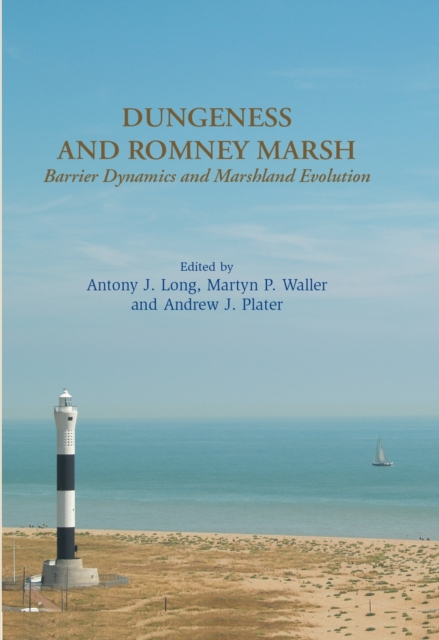
The Romney Marsh / Dungeness Foreland depositional complex comprises an extensive tract of marshland and associated sand and gravel barrier deposits, located in the eastern English Channel.
The Romney Marsh / Dungeness Foreland depositional complex comprises an extensive tract of marshland and associated sand and gravel barrier deposits, located in the eastern English Channel.
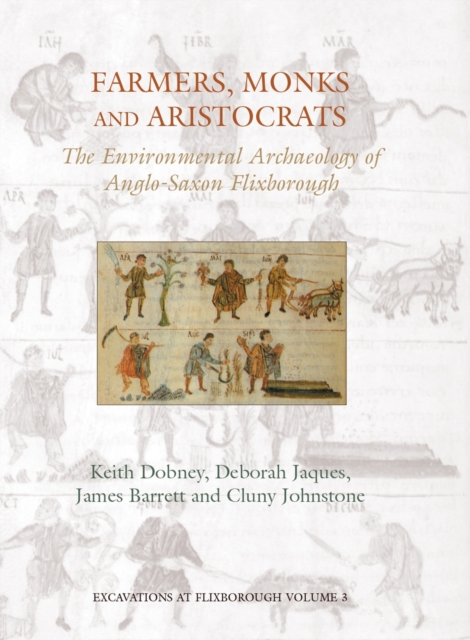
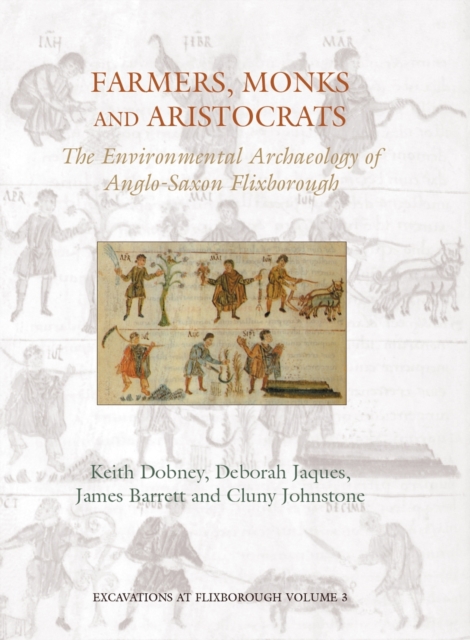
The environmental archaeological evidence from the site of Flixborough (in particular the animal bone assemblage) provides a series of unique insights into Anglo-Saxon life in England during the 8th to 10th centuries.
The environmental archaeological evidence from the site of Flixborough (in particular the animal bone assemblage) provides a series of unique insights into Anglo-Saxon life in England during the 8th to 10th centuries.
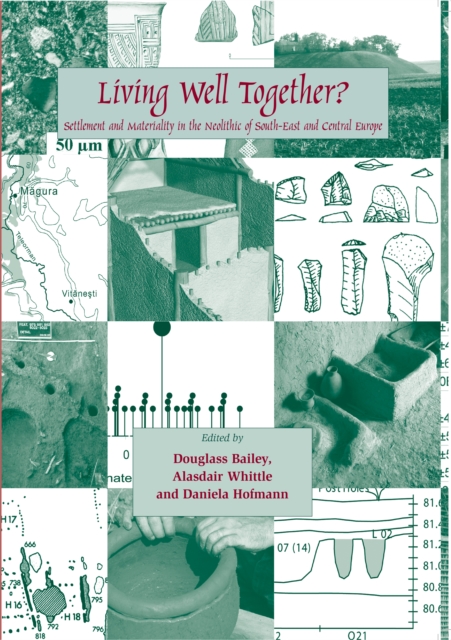
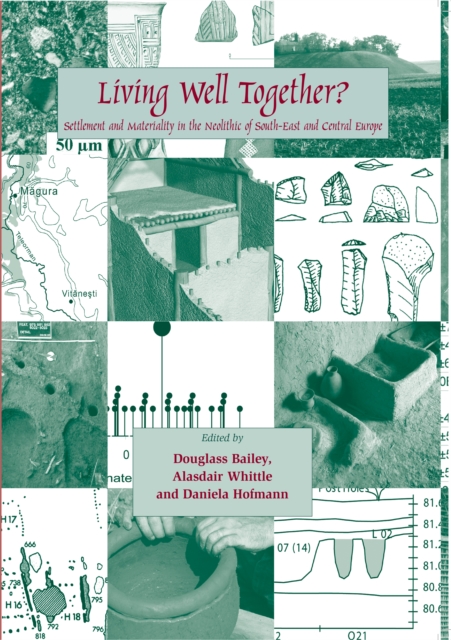
Living Well Together investigates the development of the Neolithic in southeast and central Europe from 6500-3500 cal BC with special reference to the manifestations of settling down.
Living Well Together investigates the development of the Neolithic in southeast and central Europe from 6500-3500 cal BC with special reference to the manifestations of settling down.
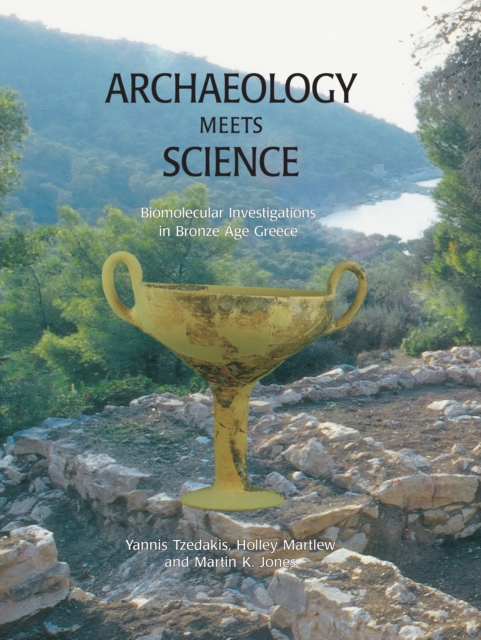
The 'Archaeology meets Science' project is currently transforming our understanding of the Minoan and Mycenaean civilisations, through the in-depth application of state of the art scientific analyses to ceramic artefacts and skeletal material.
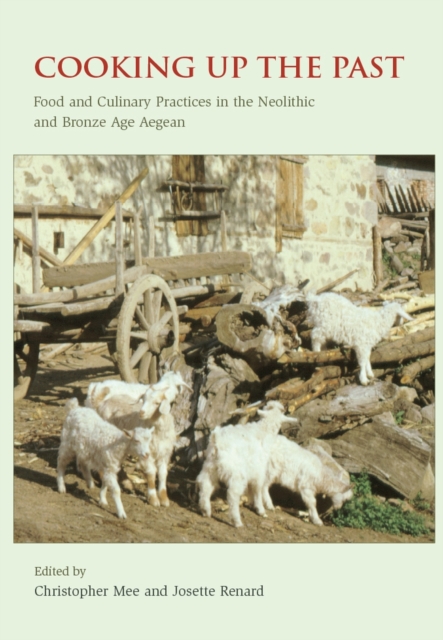
This volume focuses on the ways in which the production and consumption of food developed in the Aegean region in the Neolithic and Early Bronze Age, to see how this was linked to the appearance of more complex forms of social organisation.
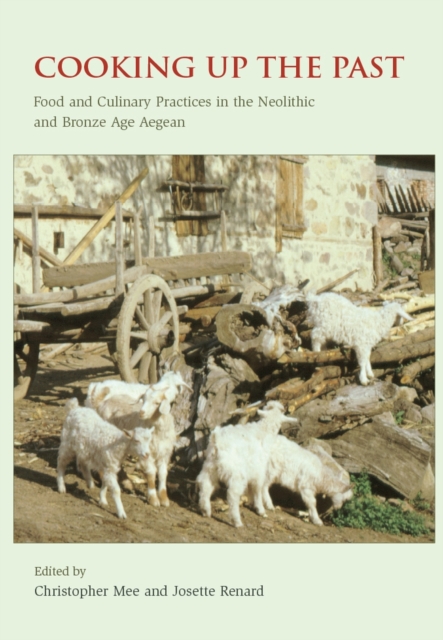
This volume focuses on the ways in which the production and consumption of food developed in the Aegean region in the Neolithic and Early Bronze Age, to see how this was linked to the appearance of more complex forms of social organisation.
The archaeological remains at Howick consist of a Mesolithic hut site and an Early Bronze Age cist cemetery located on a modern cliff edge overlooking a small estuary.
The archaeological remains at Howick consist of a Mesolithic hut site and an Early Bronze Age cist cemetery located on a modern cliff edge overlooking a small estuary.