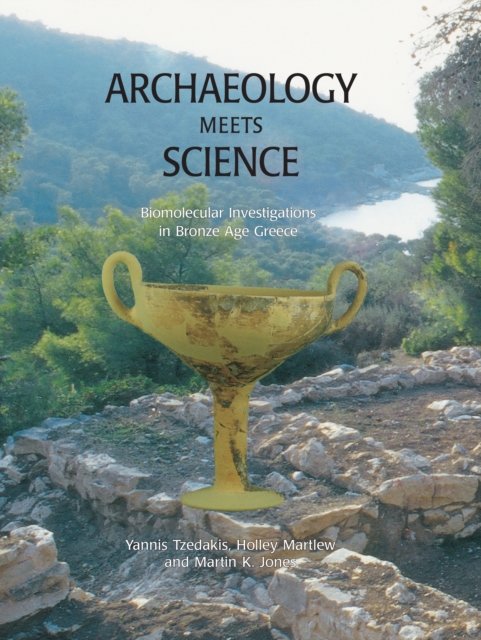
The 'Archaeology meets Science' project is currently transforming our understanding of the Minoan and Mycenaean civilisations, through the in-depth application of state of the art scientific analyses to ceramic artefacts and skeletal material.
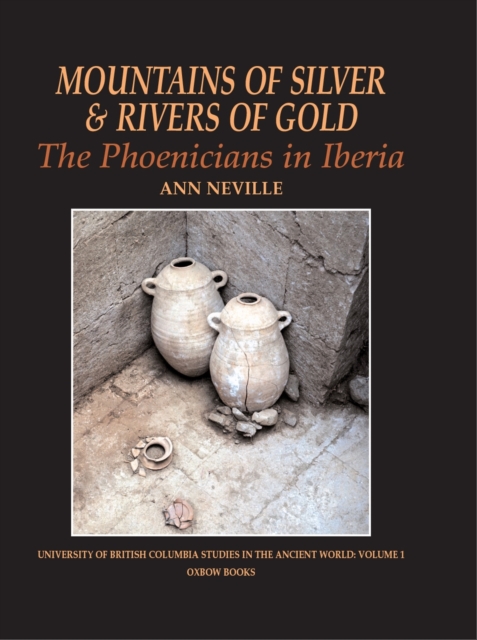
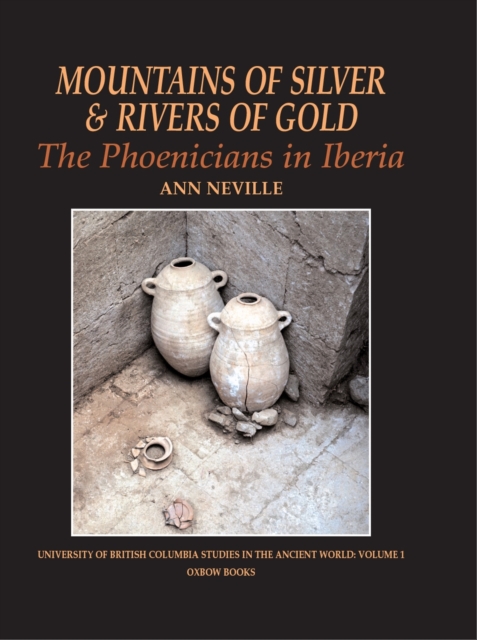
The traditional picture of the Phoenicians in Iberia is that of wily traders drawn there by the irresistible lure of the fabulous mineral wealth of the El Dorado of the ancient world.
The traditional picture of the Phoenicians in Iberia is that of wily traders drawn there by the irresistible lure of the fabulous mineral wealth of the El Dorado of the ancient world.
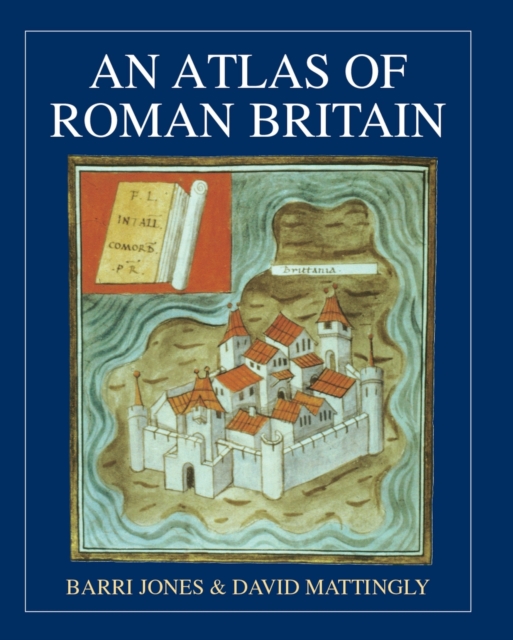
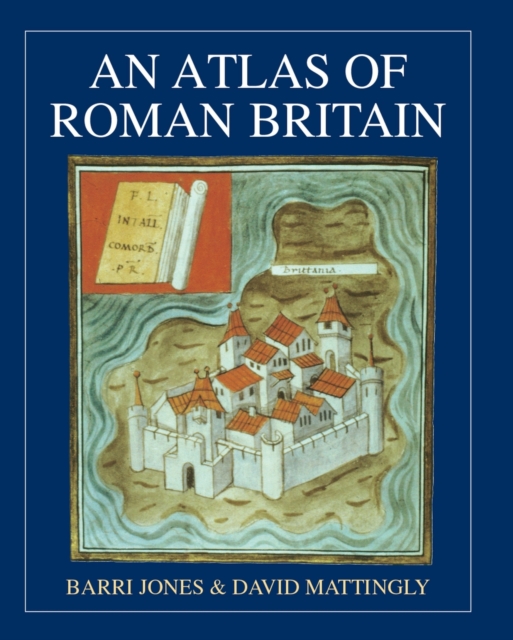
First published in 1990, this is a comprehensive atlas containing over 270 detailed and wide-ranging maps, figures, plans and site photographs on all aspects of Roman Britain.
First published in 1990, this is a comprehensive atlas containing over 270 detailed and wide-ranging maps, figures, plans and site photographs on all aspects of Roman Britain.
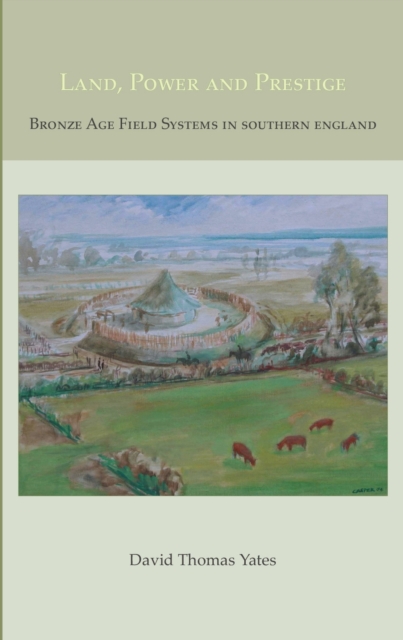
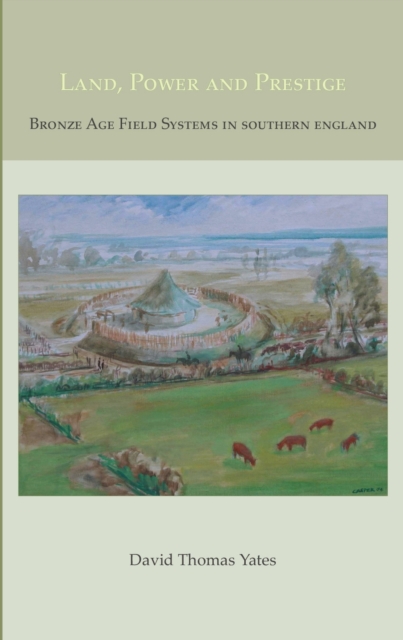
A major phase of economic expansion occurred in southern England during the second and early first millennium BC, accompanied by a fundamental shift in regional power and wealth towards the eastern lowlands.
A major phase of economic expansion occurred in southern England during the second and early first millennium BC, accompanied by a fundamental shift in regional power and wealth towards the eastern lowlands.
Puspika 2 is the outcome of the second International Indology Graduate Research Symposium and presents the results of recent research by young scholars into pre-modern South Asian cultures with papers covering a variety of topics related to the intellectual traditions of the region.
Puspika 2 is the outcome of the second International Indology Graduate Research Symposium and presents the results of recent research by young scholars into pre-modern South Asian cultures with papers covering a variety of topics related to the intellectual traditions of the region.
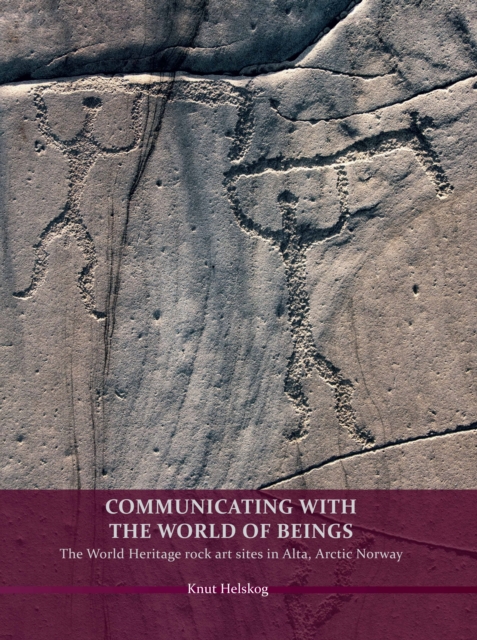
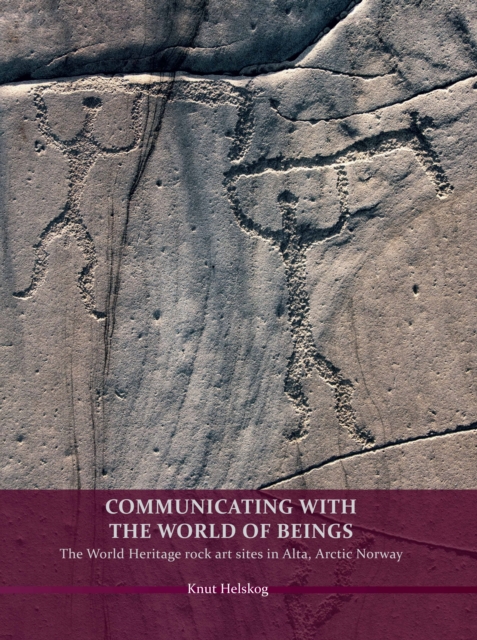
The rock art found in the World Heritage sites in the Alta area, Arctic Norway, comprise thousands of images including reindeer and elk as well as fish, birds, boats, humans and geometric patterns.
The rock art found in the World Heritage sites in the Alta area, Arctic Norway, comprise thousands of images including reindeer and elk as well as fish, birds, boats, humans and geometric patterns.
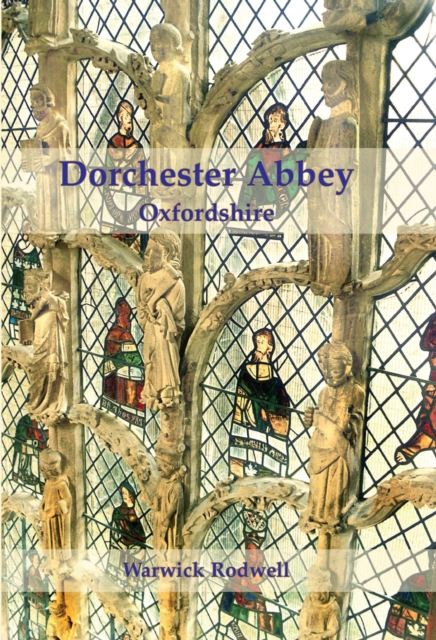
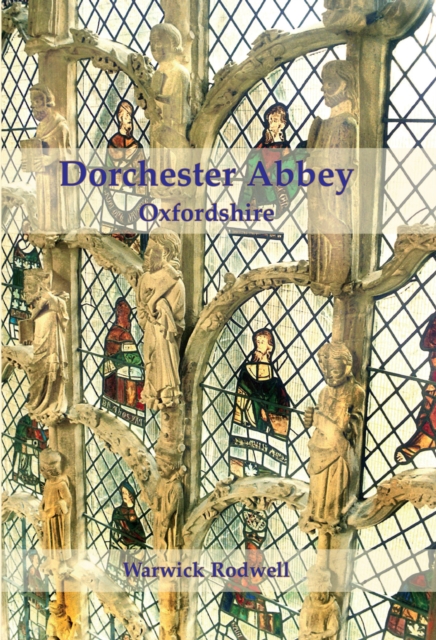
Dorchester-on-Thames and its abbey have been subjects of antiquarian interest for more than 450 years, and during that time much has been written about them.
Dorchester-on-Thames and its abbey have been subjects of antiquarian interest for more than 450 years, and during that time much has been written about them.
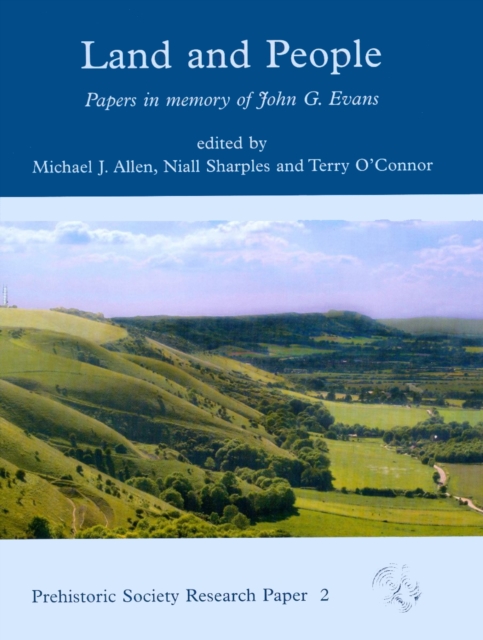
This volume is derived, in concept, from a conference held in honour of John Evans by the School of History and Archaeology and The Prehistoric Society at Cardiff University in March 2006.
The NESAT symposium has grown from the first meeting in 1981 which was attended by 23 scholars, to over 100 at the tenth meeting that took place in Copenhagen in 2008, with virtually all areas of Europe represented.
The NESAT symposium has grown from the first meeting in 1981 which was attended by 23 scholars, to over 100 at the tenth meeting that took place in Copenhagen in 2008, with virtually all areas of Europe represented.
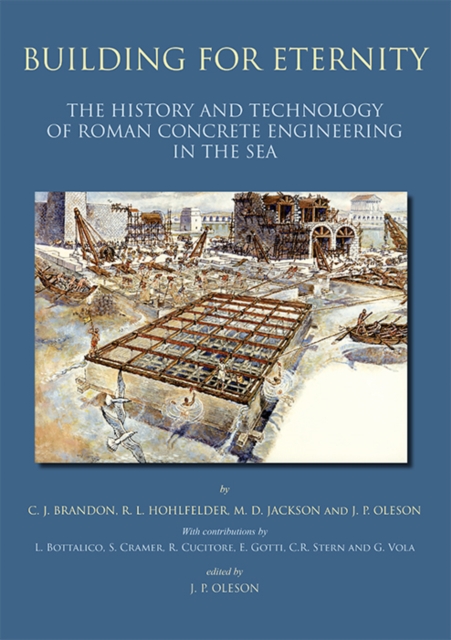
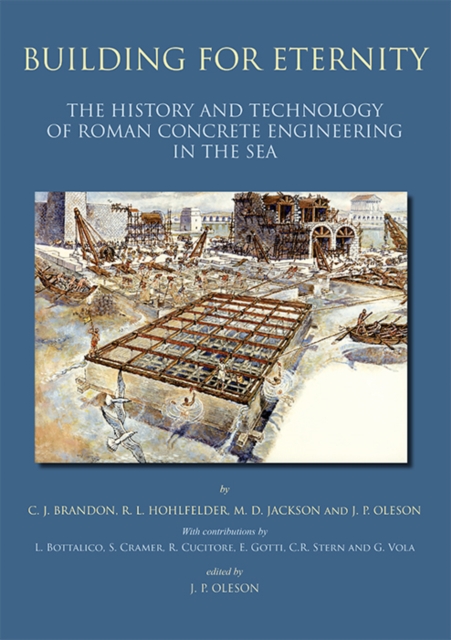
One marker of the majesty of ancient Rome is its surviving architectural legacy, the stunning remains of which are scattered throughout the circum-Mediterranean landscape.
One marker of the majesty of ancient Rome is its surviving architectural legacy, the stunning remains of which are scattered throughout the circum-Mediterranean landscape.
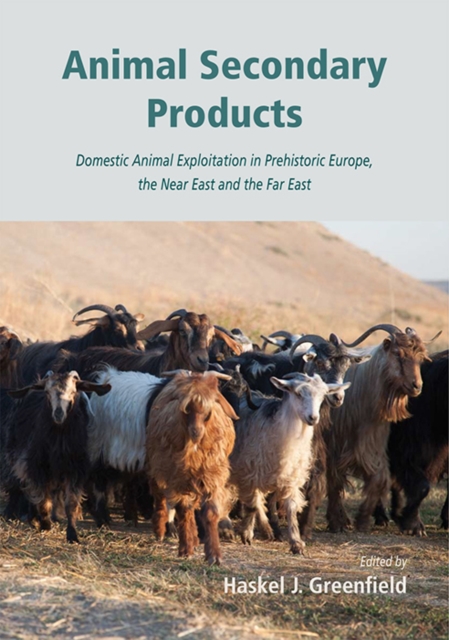
Animal Secondary Products investigates domestic animal exploitation and the animal economy from the Palaeolithic to the Bronze and Iron Ages across Eurasia (Europe, Near East, Siberia and China).
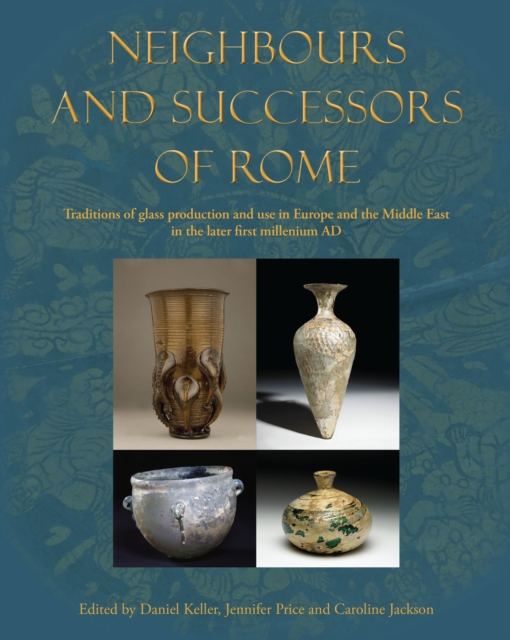
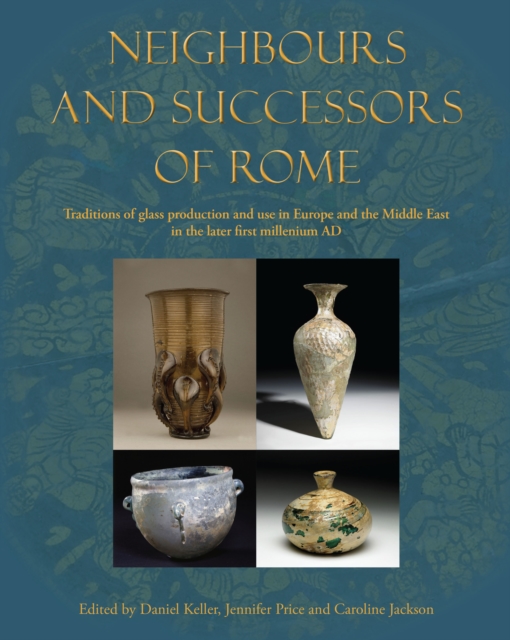
Presented through 20 case studies covering Europe and the Near East, Neighbours and Successors of Rome investigates development in the production of glass and the mechanisms of the wider glass economy as part of a wider material culture in Europe and the Near East around the later first millennium AD.
Presented through 20 case studies covering Europe and the Near East, Neighbours and Successors of Rome investigates development in the production of glass and the mechanisms of the wider glass economy as part of a wider material culture in Europe and the Near East around the later first millennium AD.
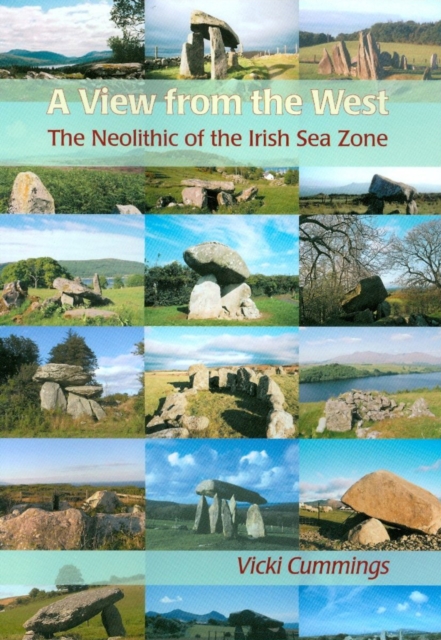
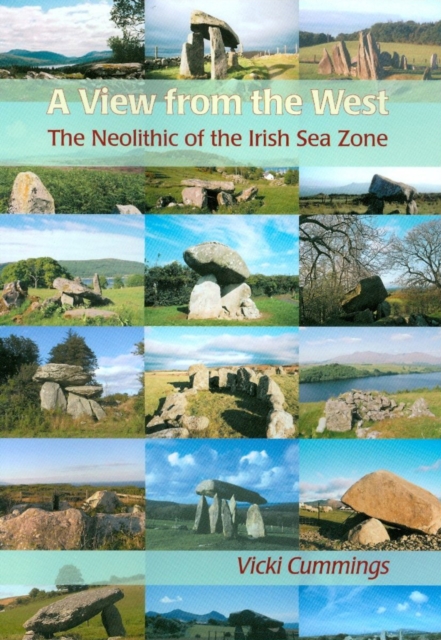
At the heart of this study are the early Neolithic chambered tombs of the Irish Sea zone, defined as west Wales, the west coast of northern Britain, coastal south and western Scotland, the western isles and the Isle of Man, and the eastern coast of Ireland.
At the heart of this study are the early Neolithic chambered tombs of the Irish Sea zone, defined as west Wales, the west coast of northern Britain, coastal south and western Scotland, the western isles and the Isle of Man, and the eastern coast of Ireland.
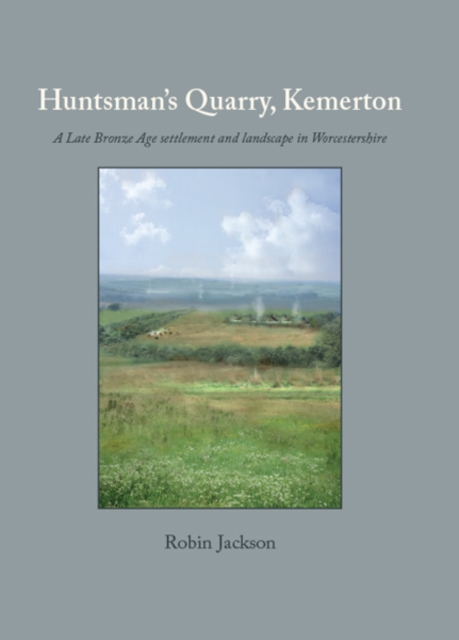
Archaeological investigations at Huntsman’s Quarry, Kemerton, south Worcestershire during 1995-6 recorded significant Late Bronze Age occupation areas and field systems spreading across more than 8 hectares.
Delta Reports is a new series that will make available the substantial amount of archaeological work that has been undertaken in the Delta region of Egypt over recent decades.
Delta Reports is a new series that will make available the substantial amount of archaeological work that has been undertaken in the Delta region of Egypt over recent decades.
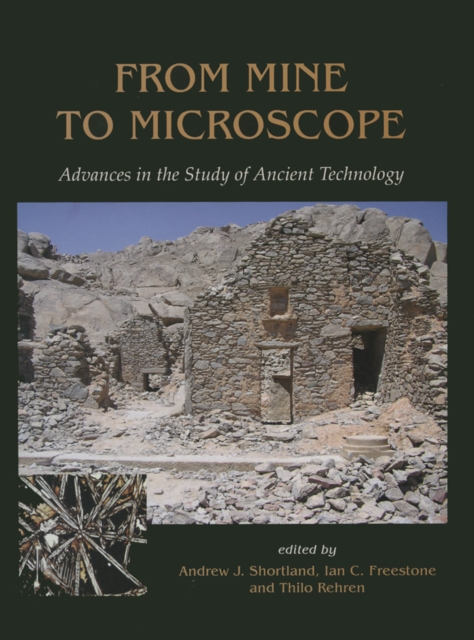
These twenty papers dedicated to Mike Tite focus upon the interpretation of ancient artefacts and technologies, particularly through the application of materials analysis.
These twenty papers dedicated to Mike Tite focus upon the interpretation of ancient artefacts and technologies, particularly through the application of materials analysis.
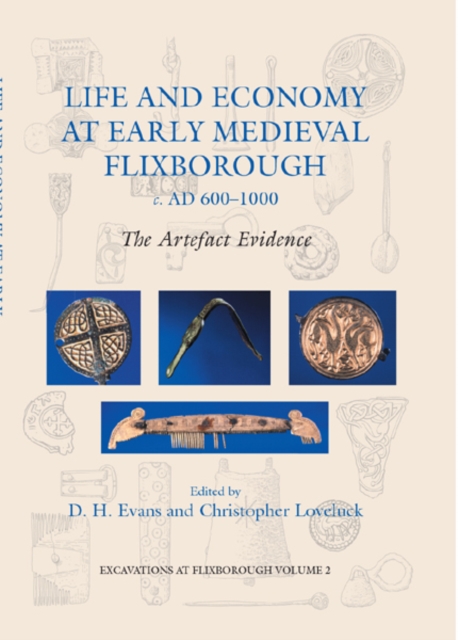
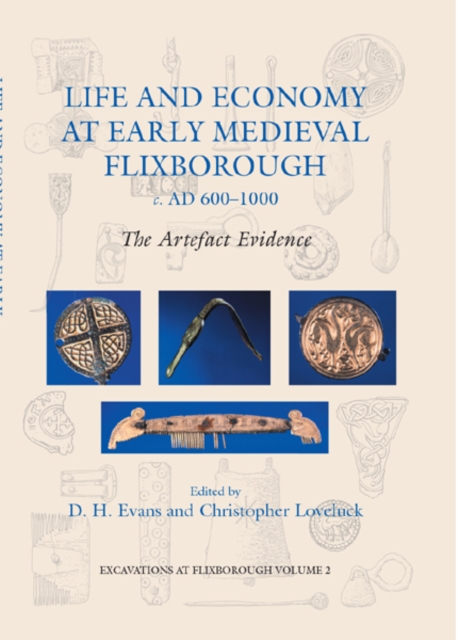
Between 1989 and 1991, excavations in the parish of Flixborough, North Lincolnshire, unearthed remains of an Anglo-Saxon settlement associated with one of the largest collections of artefacts and animal bones yet found on such a site.
Between 1989 and 1991, excavations in the parish of Flixborough, North Lincolnshire, unearthed remains of an Anglo-Saxon settlement associated with one of the largest collections of artefacts and animal bones yet found on such a site.
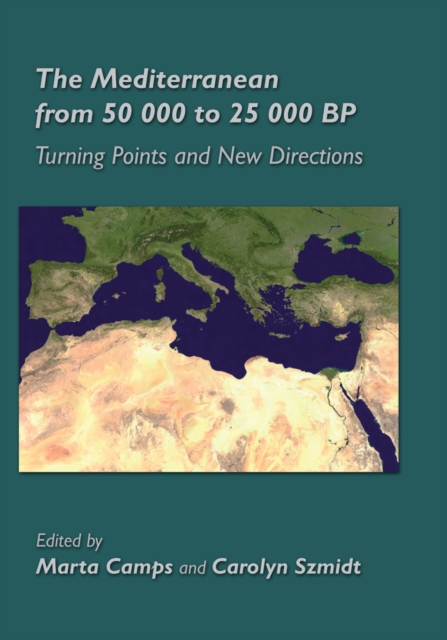
The passage between the periods which we call Middle and Upper Palaeolithic has long held a special fascination for Palaeolithic archaeologists, but over the past ten years or so it has gone right to the top of the list of 'hot' research topics.
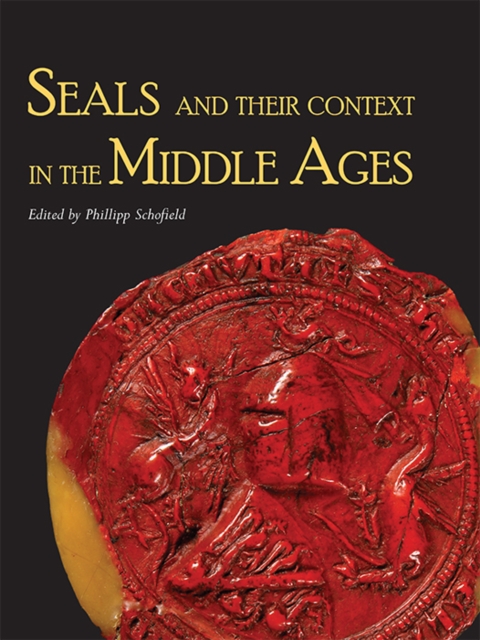
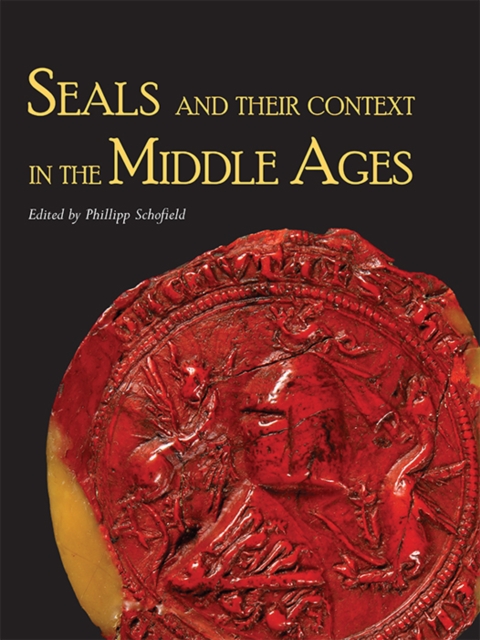
Seals and their Context in the Middle Ages offers an extensive overview of approaches to and the potential of sigillography, as well as introducing a wider readership to the range, interest and artistry of medieval seals.
Seals and their Context in the Middle Ages offers an extensive overview of approaches to and the potential of sigillography, as well as introducing a wider readership to the range, interest and artistry of medieval seals.
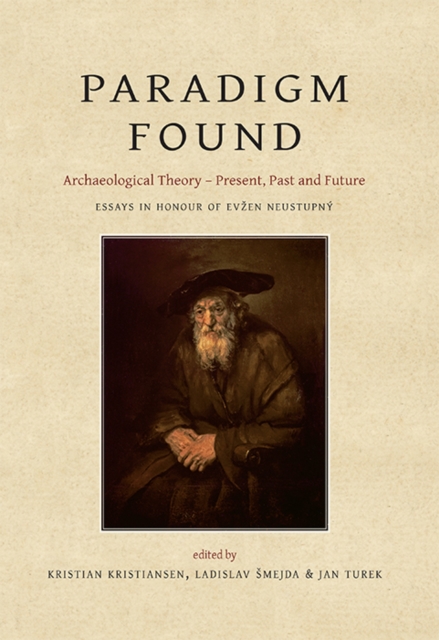
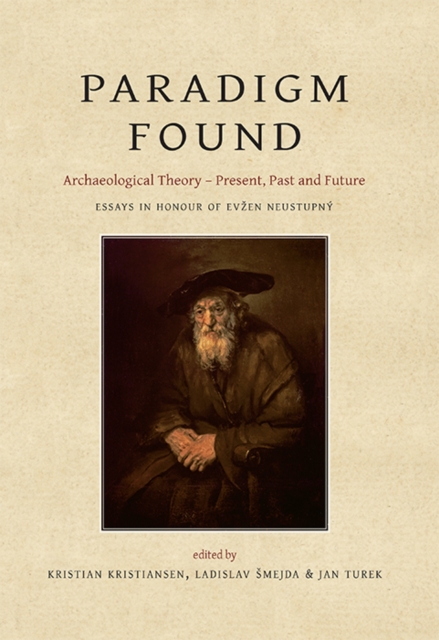
Paradigm Found brings together papers by renowned researchers from across Europe, Asia and America to discuss a selection of pressing issues in current archaeological theory and method.
Paradigm Found brings together papers by renowned researchers from across Europe, Asia and America to discuss a selection of pressing issues in current archaeological theory and method.
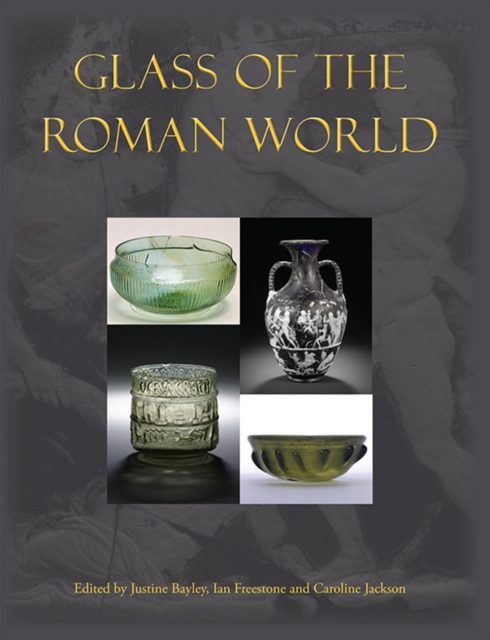
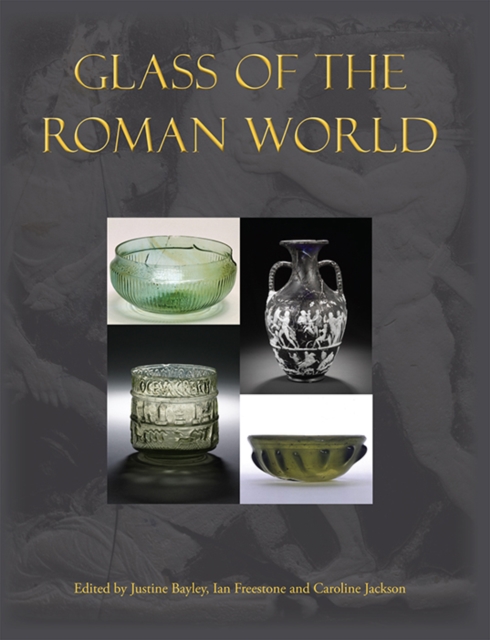
Glass of the Roman World illustrates the arrival of new cultural systems, mechanisms of trade and an expanded economic base in the early 1st millennium AD which, in combination, allowed the further development of the existing glass industry.
Glass of the Roman World illustrates the arrival of new cultural systems, mechanisms of trade and an expanded economic base in the early 1st millennium AD which, in combination, allowed the further development of the existing glass industry.