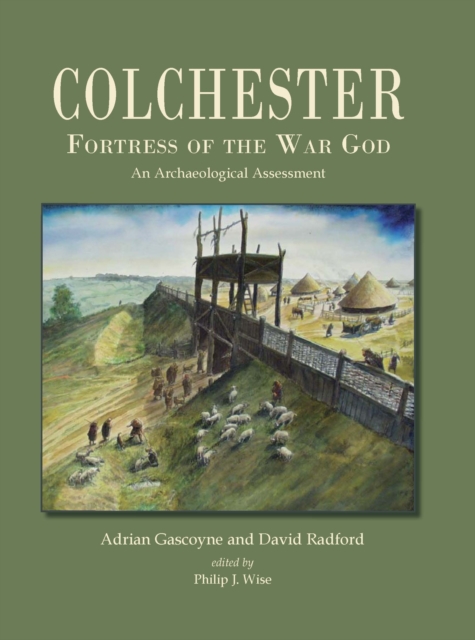
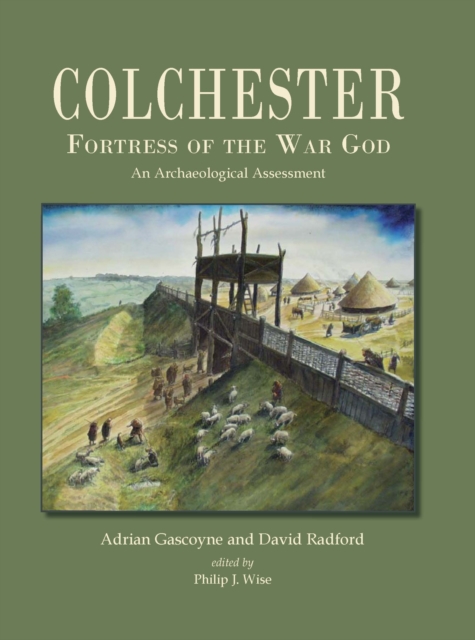
This volume is a critical assessment of the current state of archaeological knowledge of the settlement originally called Camulodunon and now known as Colchester.
This volume is a critical assessment of the current state of archaeological knowledge of the settlement originally called Camulodunon and now known as Colchester.
Our recent understanding of British history has been slowly unravelling thanks to new techniques such as DNA analysis, new archaeological data and reassessment of the literary evidence.
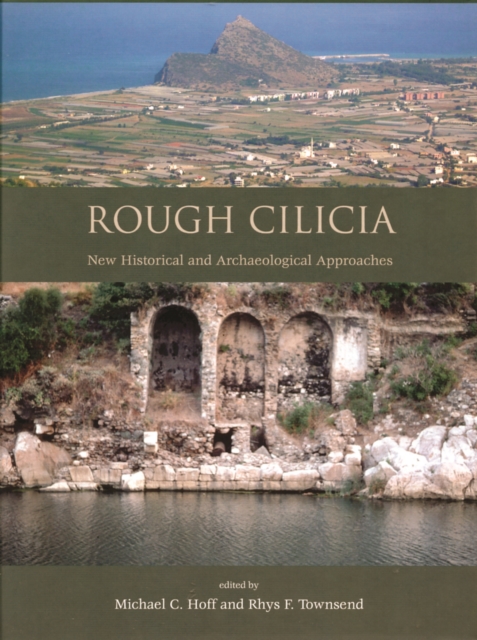
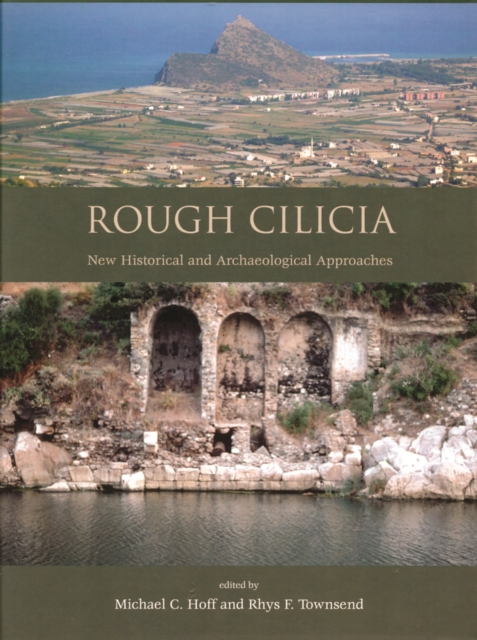
The region of Rough Cilicia (modern area the south-western coastal area of Turkey), known in antiquity as Cilicia Tracheia, constitutes the western part of the larger area of Cilicia.
The region of Rough Cilicia (modern area the south-western coastal area of Turkey), known in antiquity as Cilicia Tracheia, constitutes the western part of the larger area of Cilicia.
In the last fifty years the investigation of maritime archaeological sites in the sea, in the coastal zone and in their interconnecting locales, has emerged as one of archaeology's most dynamic and fast developing fields.
In the last fifty years the investigation of maritime archaeological sites in the sea, in the coastal zone and in their interconnecting locales, has emerged as one of archaeology's most dynamic and fast developing fields.
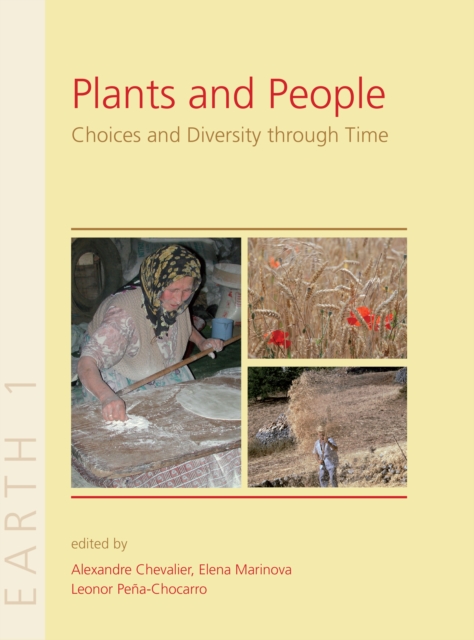
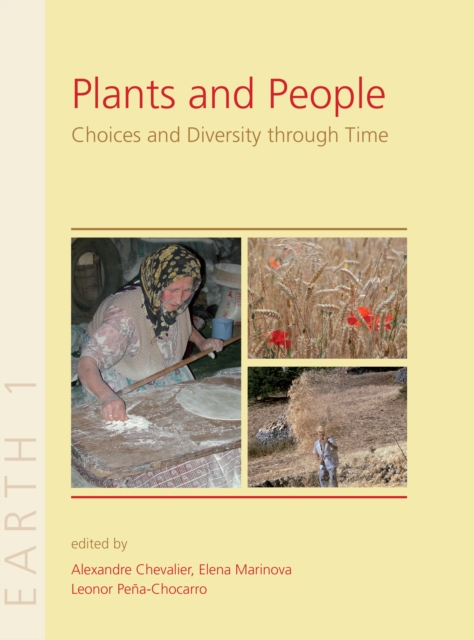
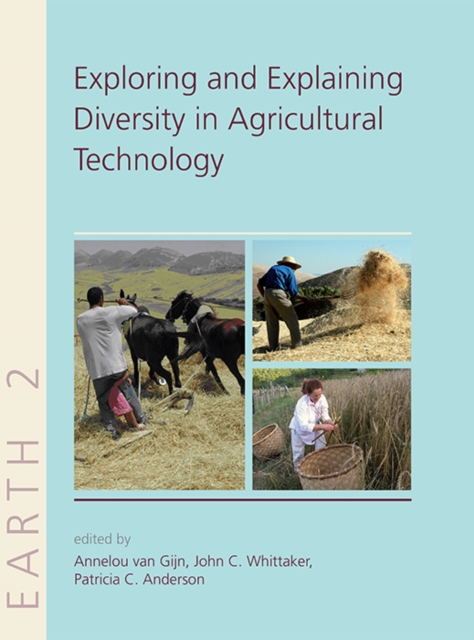
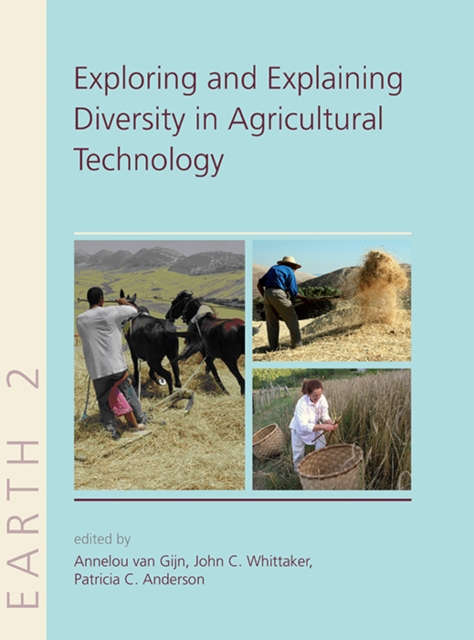
This first monograph in the EARTH series, The dynamics of non-industrial agriculture: 8,000 years of resilience and innovation, approaches the great variety of agricultural practices in human terms.
This first monograph in the EARTH series, The dynamics of non-industrial agriculture: 8,000 years of resilience and innovation, approaches the great variety of agricultural practices in human terms.
This volume is the outcome of collaborative European research among archaeologists, archaeobotanists, ethnographers, historians and agronomists, and frequently uses experiments in archaeology.
This volume is the outcome of collaborative European research among archaeologists, archaeobotanists, ethnographers, historians and agronomists, and frequently uses experiments in archaeology.
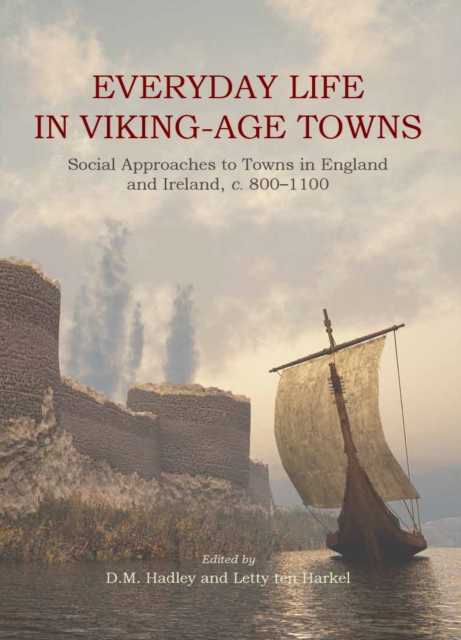
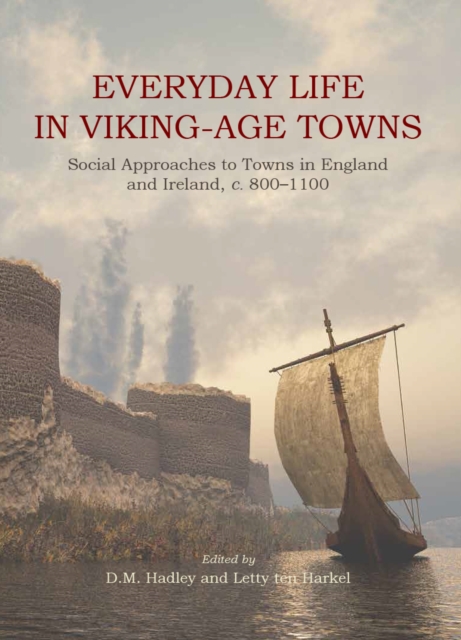
The study of early medieval towns has frequently concentrated on urban beginnings, the search for broadly applicable definitions of urban characteristics and the chronological development of towns.
The study of early medieval towns has frequently concentrated on urban beginnings, the search for broadly applicable definitions of urban characteristics and the chronological development of towns.
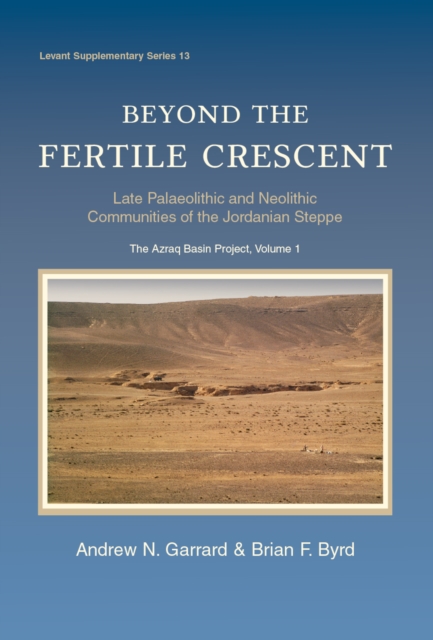
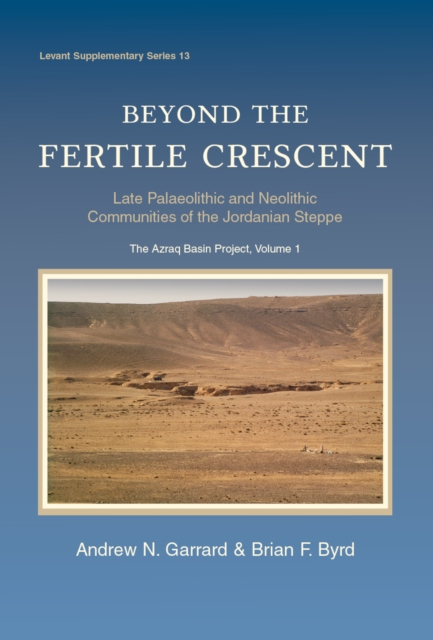
The natural arc of resource-rich land which forms the ‘Fertile Crescent’ of South-West Asia is regarded as the earliest centre of village-based farming in the world and has been the focus of much of our understanding of the transition from Epipalaeolithic hunter-gathers to Neolithic farmers.
The natural arc of resource-rich land which forms the ‘Fertile Crescent’ of South-West Asia is regarded as the earliest centre of village-based farming in the world and has been the focus of much of our understanding of the transition from Epipalaeolithic hunter-gathers to Neolithic farmers.
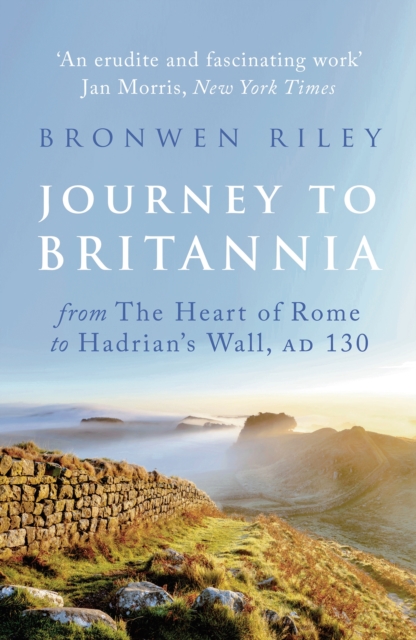
'An erudite and fascinating work' Jan Morris, New York Times'An artful combination of history, archaeology and the imagination' Mary Beard, New York Review of Books'Riley manages to bring multi-faceted, polygot and multi-cultural Roman Britain to vibrant life for specialists and generalists' Country LifeIt is AD 130.
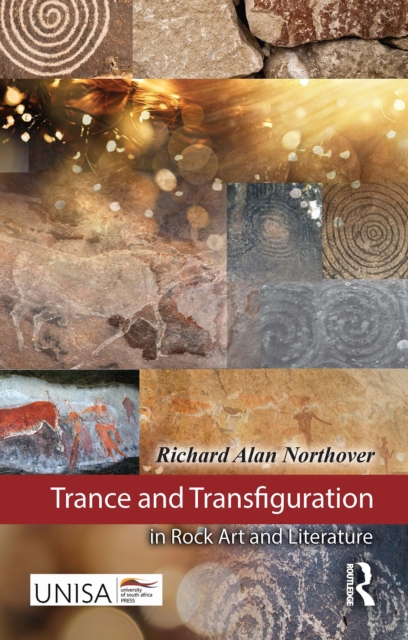
The book is a largely unprecedented inter-disciplinary collaboration between archaeology, anthropology, and literary studies, although it touches on philosophy and religious studies, too.
Amelia Peabody is Elizabeth Peters' most brilliant and best-loved creation, a thoroughly Victorian feminist who takes the stuffy world of archaeology by storm with her shocking men's pants and no-nonsense attitude!
Lutes and Marginality in Pre-Modern China traces the complex history of lutes as they moved from the far west into China, and how these instruments became linked to various forms of social, cultural, ethnic, and religious marginality within and at China's borders.
For four centuries Britain was an integral part of the Roman Empire, a political system stretching from Turkey to Portugal and from the Red Sea to the Tyne and beyond.
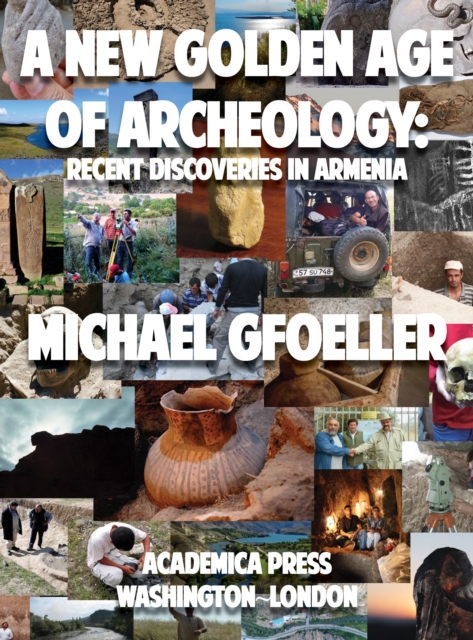
This book uses both succinct, informative essays and beautiful, detailed photography to reveal how recent archeological discoveries in the ancient country of Armenia have transformed our understanding of the origins of human civilization and humanity itself.
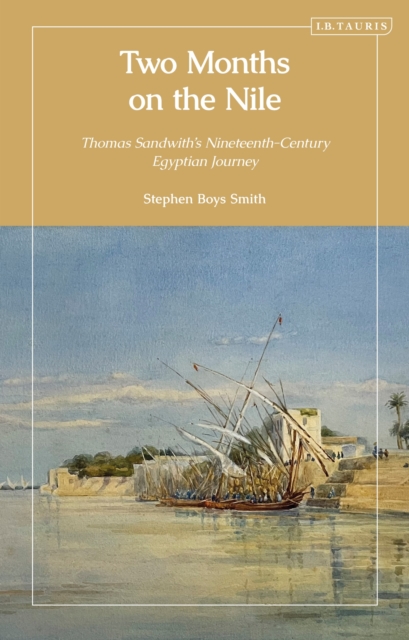
British Consul with a long-standing interest in archaeology Thomas Sandwith's account of his two months travelling in Egypt provides a valuable new primary source on a dynamic period in Egyptian history.
The Viking reputation is of bloodthirsty seafaring warriors, repeatedly plundering the British Isles and the North Atlantic throughout the early Middle Ages.
This volume substantiates the island of Cyprus as an important player in the history of the ancient Eastern Mediterranean and Near East, and presents new theoretical and analytical approaches.
This book showcases the latest information and newly discovered seventeenth-century artifacts from Jamestown, Virginia, the first permanent English settlement in America.
This volume substantiates the island of Cyprus as an important player in the history of the ancient Eastern Mediterranean and Near East, and presents new theoretical and analytical approaches.
Case studies combine archaeological data and oral tradition to illustrate how the archaeological expression of beliefs and meanings passed down in the oral tradition may be interpreted.
Bringing together a wide array of modern scientific techniques and interdisciplinary approaches, this book provides an accessible guide to the methods that form the current bedrock of research into Roman, and more broadly ancient, wine.
Addressing the relationship between religion and ideology, and drawing on a range of literary, ritual, and visual sources, this book reconstructs the cultural discourse of Assyria from the third through the first millennium BCE.
This volume will include critical and collated editions of all the inscriptions of the 1st-millennium Babylonian kings Nabopolassar (626-605), Amel-Marduk (biblical Evil-Merodach, 561-560), and Neriglissar (559-556).
This volume assembles scholars working on cuneiform texts from different periods, genres, and areas to examine the range of social, cultural, and historical contexts in which specific types of texts circulated.
Addressing the relationship between religion and ideology, and drawing on a range of literary, ritual, and visual sources, this book reconstructs the cultural discourse of Assyria from the third through the first millennium BCE.
The cuneiform tablets from Ebla (3rd millenium BC) attest to the most ancient Semitic language and provide insight into a period in the history and religion of Syria that was previously unknown.
Ugaritic literary and ritual studies have often neglected or even ignored the Akkadian material from the same archives, which can be used as a frame of reference for the Ugaritic texts.
Alhena Gadotti offers a much needed new edition of the Sumerian composition Gilgamesh, Enkidu, and the Netherworld, last published by Aaron Shaffer in his 1963 doctoral dissertation.
The cuneiform tablets from Ebla (3rd millenium BC) attest to the most ancient Semitic language and provide insight into a period in the history and religion of Syria that was previously unknown.